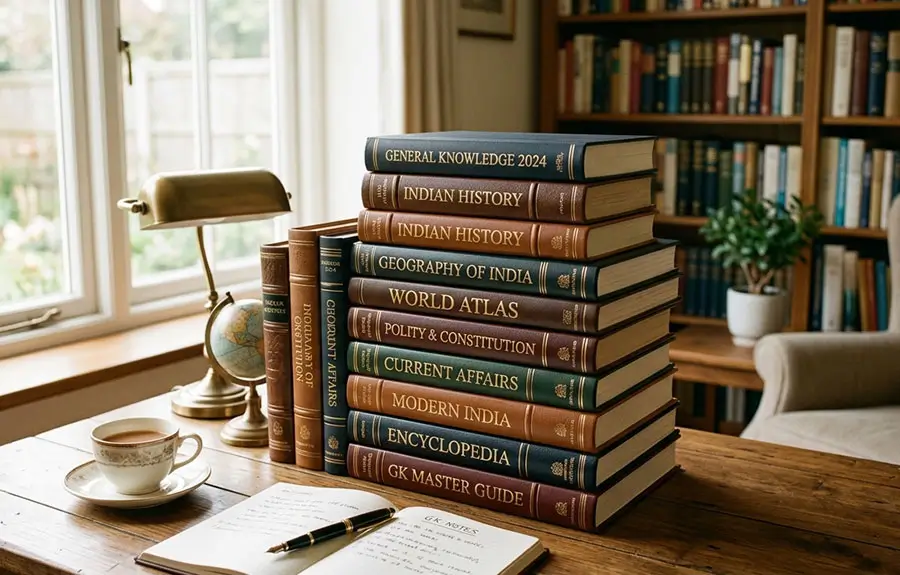
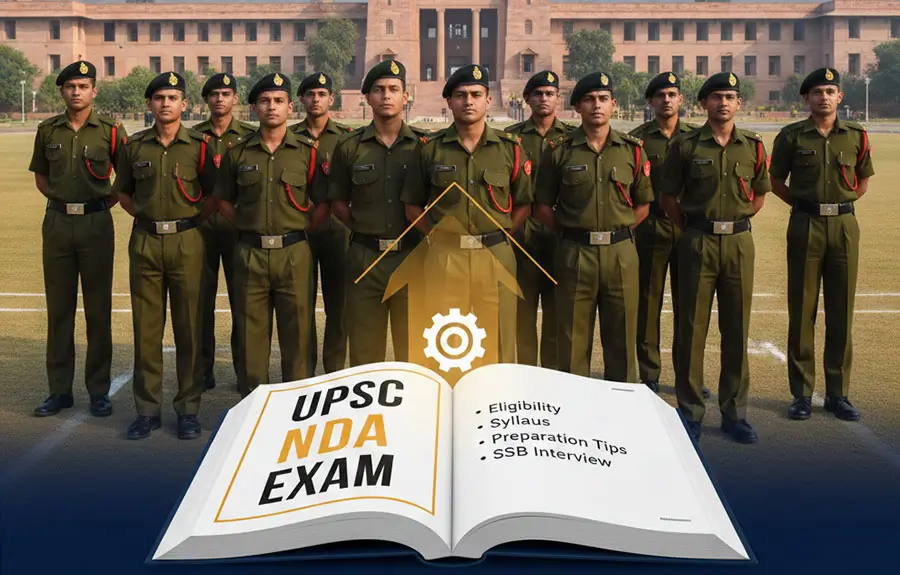
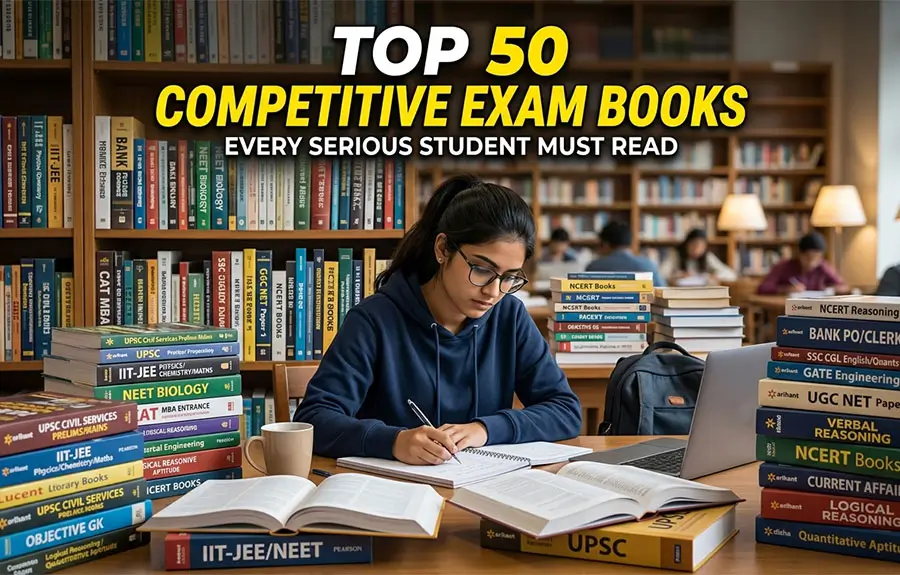
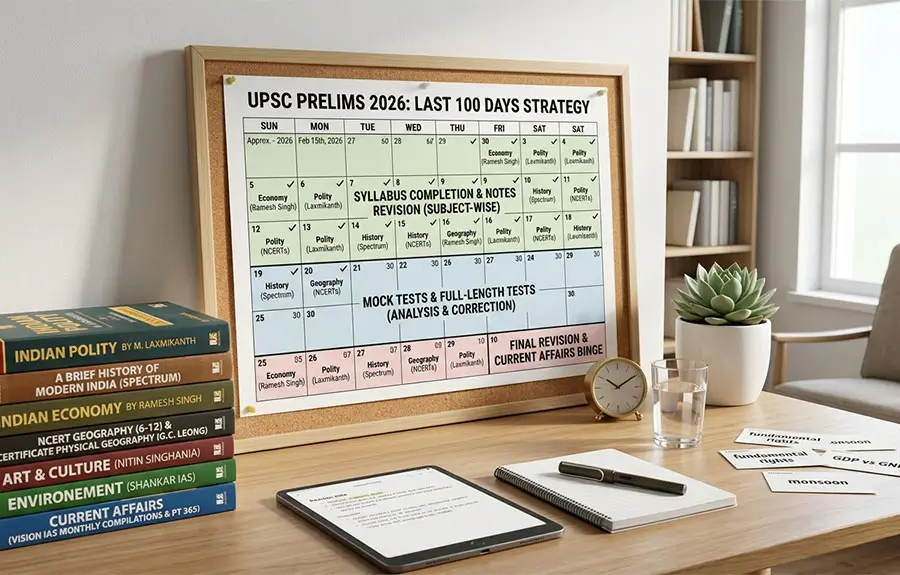
The final stretch before UPSC Prelims often determines whether months of preparation convert into a qualifying score or remain incomplete effort. The last 100 days demand precision, discipline, and smart resource selection rather than starting new material blindly. At this stage, aspirants must consolidate knowledge, strengthen weak areas, and rely on the Must Have Books for UPSC Prelims Preparation that provide clarity instead of confusion.
Unlike long-term preparation phases that focus on building foundational understanding, the last phase demands strategic revision and performance optimization. Candidates who attempt to read multiple new books during this period often feel overwhelmed. The correct approach is to refine concepts, practice high-quality mock tests, and repeatedly revise trusted sources.
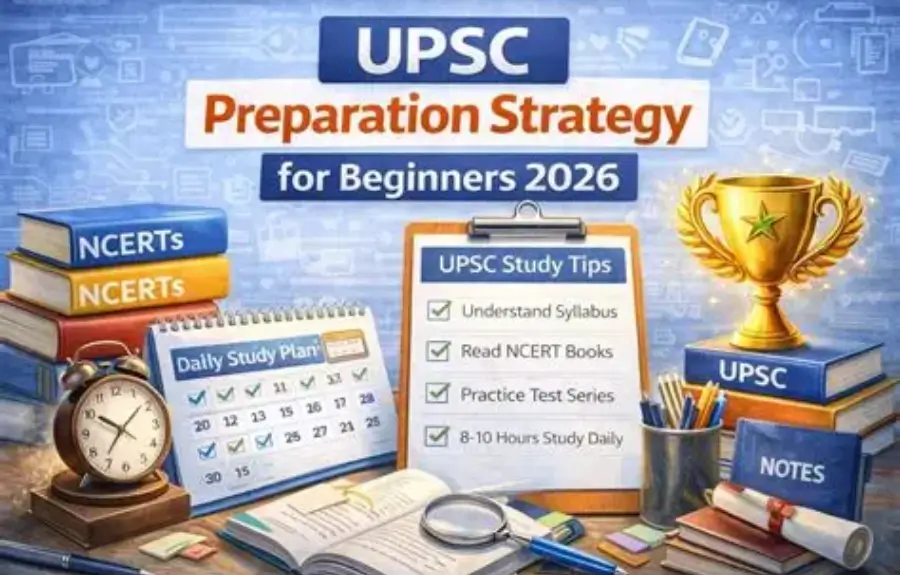
A carefully designed UPSC Prelims Preparation Strategy for the final phase ensures improved accuracy, better time management, and stronger confidence on examination day.
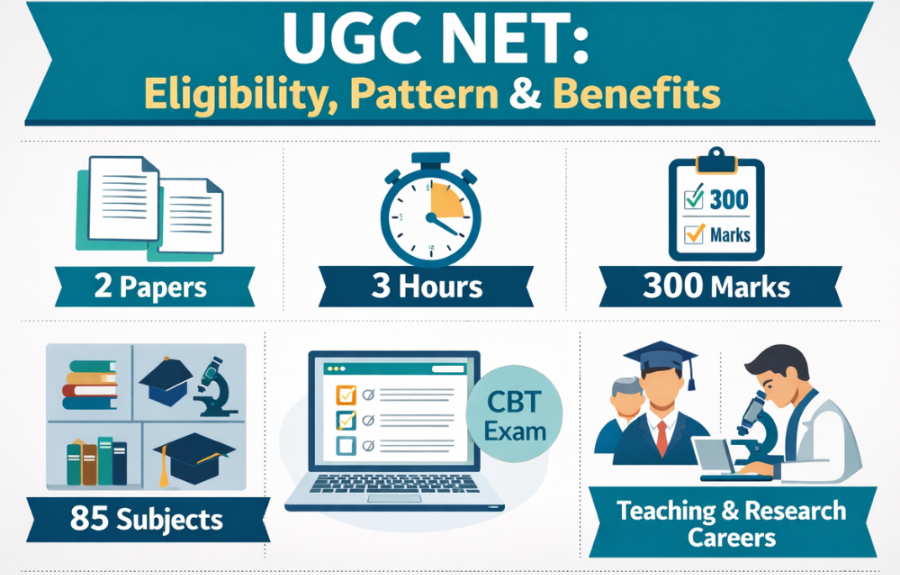
The Preliminary examination consists of two papers: General Studies Paper I and CSAT. General Studies Paper I evaluates knowledge in History, Geography, Polity, Economy, Environment, Science and Technology, and Current Affairs. CSAT tests comprehension, logical reasoning, and quantitative aptitude.
The nature of questions has evolved over the years. Many questions are conceptual and application-based rather than purely factual. This means aspirants must understand interlinkages between topics instead of memorizing isolated information.
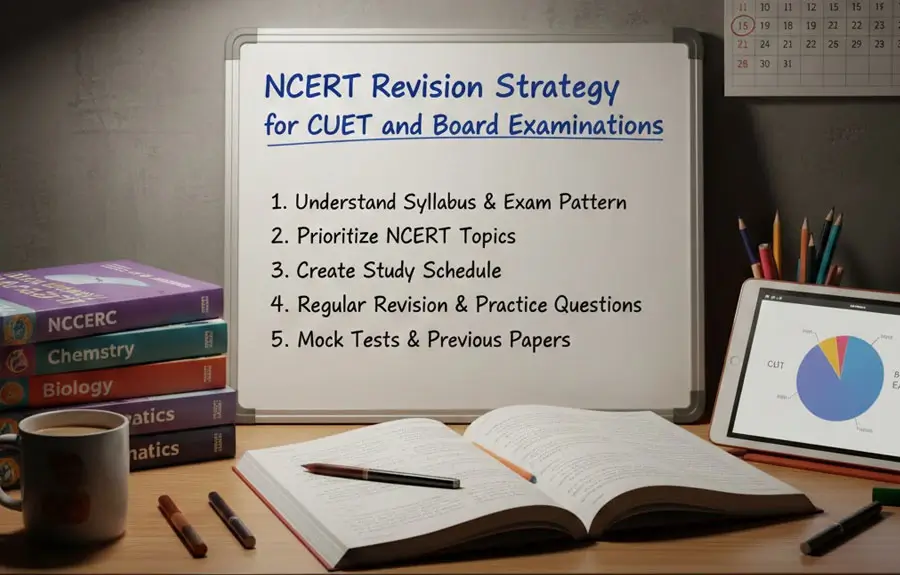
A strong UPSC Prelims Preparation Strategy during the final phase focuses on revision cycles rather than new content accumulation. The Must Have Books for UPSC Prelims Preparation should be limited, trusted, and repeatedly revised.
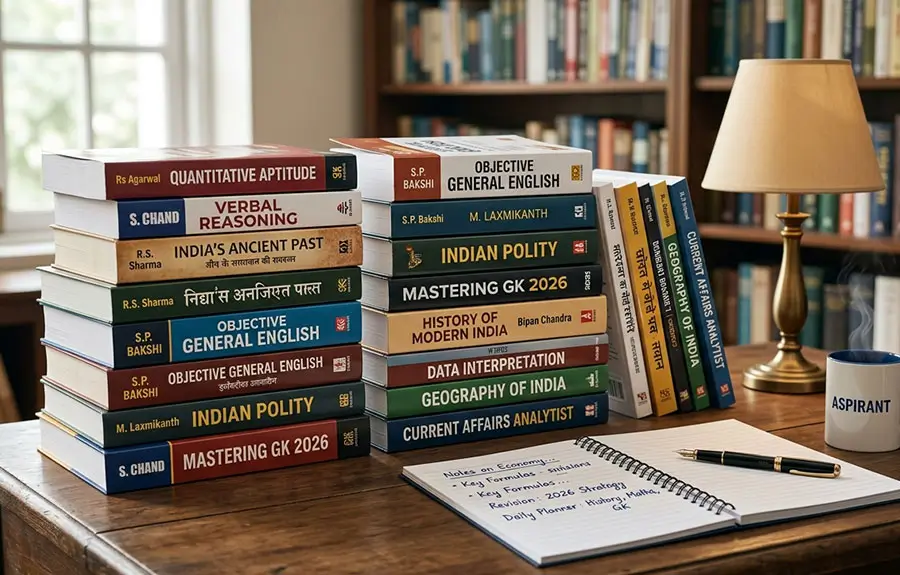
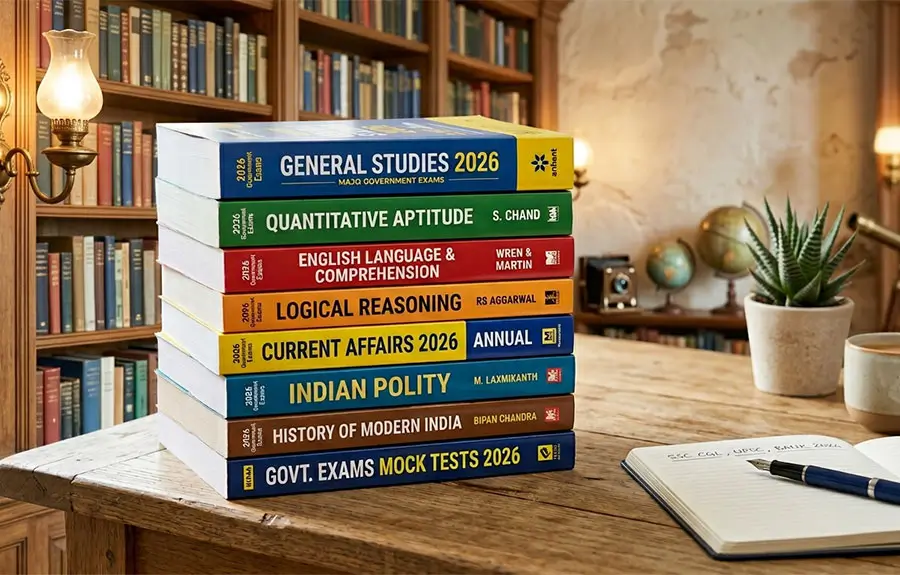
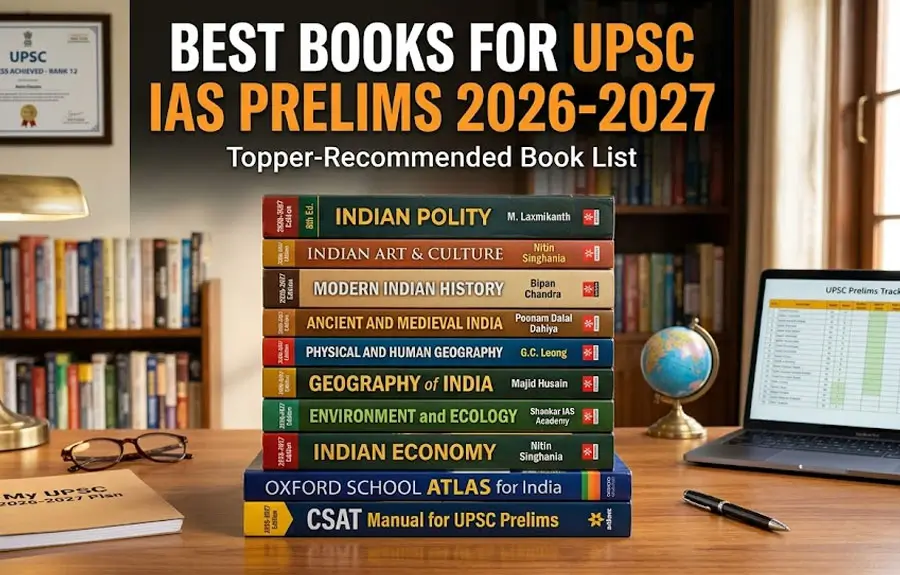
History questions in Prelims often come from Ancient, Medieval, Modern India, and Art and Culture. For Modern History, India’s Struggle for Independence by Bipan Chandra remains one of the most trusted resources. It provides a structured narrative of the freedom movement and major political developments.
For Ancient and Medieval History, Old NCERT textbooks by R.S. Sharma and Satish Chandra build strong conceptual clarity. For Art and Culture, Indian Art and Culture by Nitin Singhania offers comprehensive coverage in an organized format.
The key to effective history preparation in the last 100 days is revision. Aspirants must focus on timelines, important movements, personalities, and cultural aspects. The Must Have Books for UPSC Prelims Preparation in history are those that present concise explanations and factual clarity without overwhelming detail.
Polity remains one of the most scoring areas in Prelims. Questions often test conceptual understanding of constitutional provisions, amendments, and institutional functioning.
Indian Polity by M. Laxmikanth is widely considered indispensable. It provides detailed coverage of constitutional articles, governance mechanisms, and political structures. Repeated revision of this book ensures strong retention of core concepts.
In the last phase of preparation, aspirants should focus on revising important articles, landmark judgments, and constitutional bodies. The UPSC Prelims Preparation Strategy must include regular revision of polity because it provides relatively predictable and scoring questions.
The Must Have Books for UPSC Prelims Preparation in polity must offer structured and updated content aligned with current constitutional developments.
Geography questions in Prelims cover physical geography, Indian geography, and world geography. NCERT textbooks from Class 11 and 12 form the strongest foundation for understanding physical processes and geographical patterns.
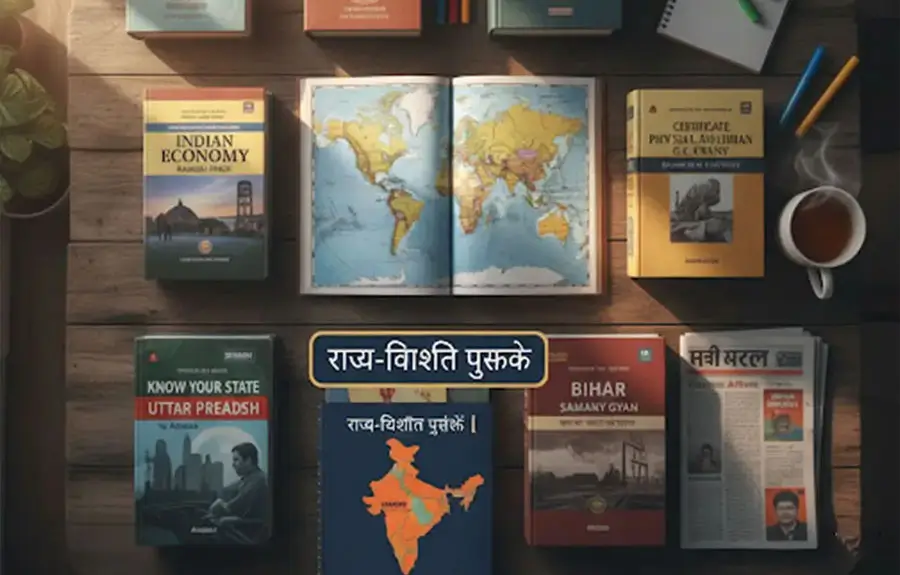
For advanced preparation, Certificate Physical and Human Geography by G.C. Leong is highly recommended. It explains climatic conditions, vegetation types, and geomorphological processes in a simplified manner.
The last 100 days should focus on revising maps, important locations, environmental hotspots, and geographical phenomena. The Must Have Books for UPSC Prelims Preparation in geography must support conceptual clarity and map-based understanding.
Economy questions require understanding of macroeconomic concepts, government schemes, and financial institutions. NCERT textbooks build the base, but advanced clarity often comes from Indian Economy by Ramesh Singh.
Aspirants must revise concepts such as inflation, fiscal policy, monetary policy, GDP calculation, and banking mechanisms. Current affairs related to budget announcements and economic reforms also require attention.
The UPSC Prelims Preparation Strategy in economy must focus on linking static concepts with dynamic current developments. The Must Have Books for UPSC Prelims Preparation in economy provide clear explanations of complex financial terms.
Environment has gained increasing importance in recent Prelims examinations. Topics include biodiversity, climate change, environmental conventions, and ecological principles.
NCERT Biology textbooks combined with environment-focused compilations provide strong preparation. For structured coverage, environment-specific guides from reputed publishers are useful.
Science and Technology questions often relate to current developments. Revision of basic scientific principles combined with recent technological advancements strengthens performance.
The Must Have Books for UPSC Prelims Preparation in environment and science must combine conceptual understanding with updated examples.
Current affairs form a significant portion of Prelims questions. Monthly compilations and annual revisions help in covering major national and international developments.
Mock tests are critical during the last 100 days. They improve question selection strategy, eliminate negative marking risks, and enhance time management. Aspirants should attempt full-length tests regularly and analyze mistakes carefully.
A disciplined UPSC Prelims Preparation Strategy integrates revision, mock testing, and error analysis. The final phase should focus on strengthening confidence rather than experimenting with new material.
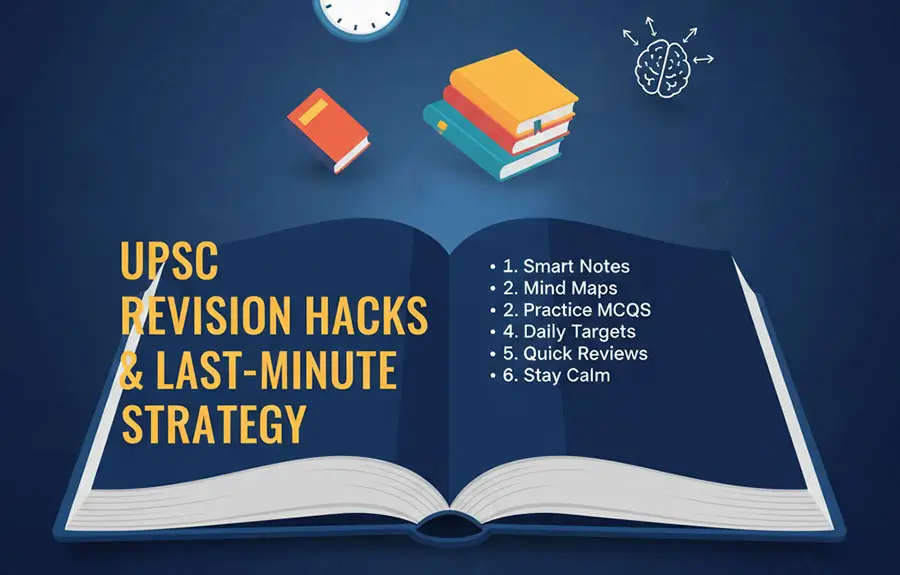
The final preparation phase must revolve around multiple revision cycles. Aspirants should create short notes for quick review. Instead of studying new books, they should refine understanding of existing trusted sources.
Daily study sessions must include subject rotation to maintain balance. Mock tests should be scheduled weekly with thorough analysis.
The Must Have Books for UPSC Prelims Preparation are effective only when revised repeatedly. Consistency, clarity, and calm mindset contribute significantly to performance.
Indian Polity by M. Laxmikanth is widely considered essential.
NCERT builds foundation but must be supplemented with advanced standard books.
Mock tests improve time management and exam confidence significantly.
It is better to revise trusted books rather than start new material.
India’s Struggle for Independence by Bipan Chandra is highly recommended.
Combine NCERT biology with environment-specific guides and current affairs.
Yes, qualifying CSAT requires regular practice in comprehension and reasoning.
Regular weekly tests with analysis improve performance.
Indian Economy by Ramesh Singh is widely trusted.
Consistent revision and smart strategy significantly improve chances of success.

We offer fast delivery.

We offer E-Gift Cards.

Dedicated 24/7 support.

100% secure payment.

 My Order
  0
0