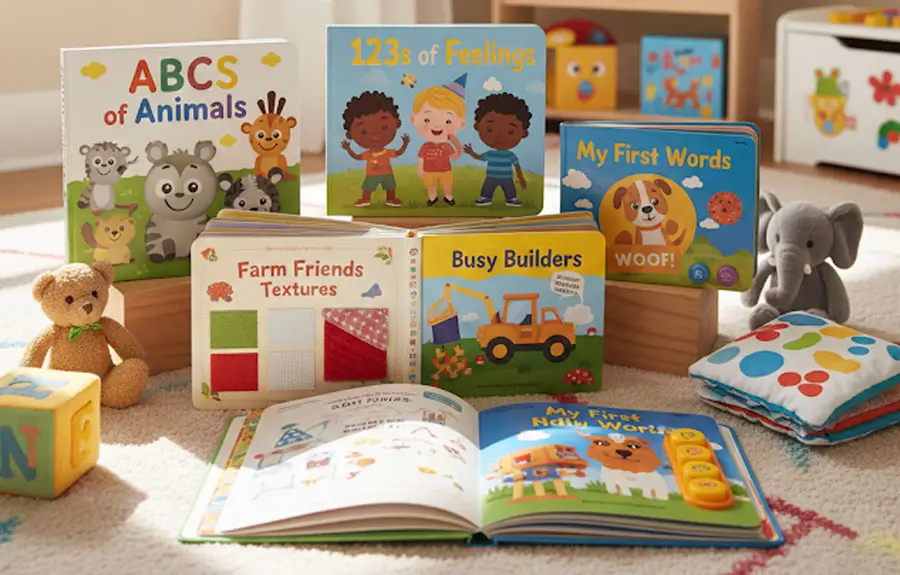
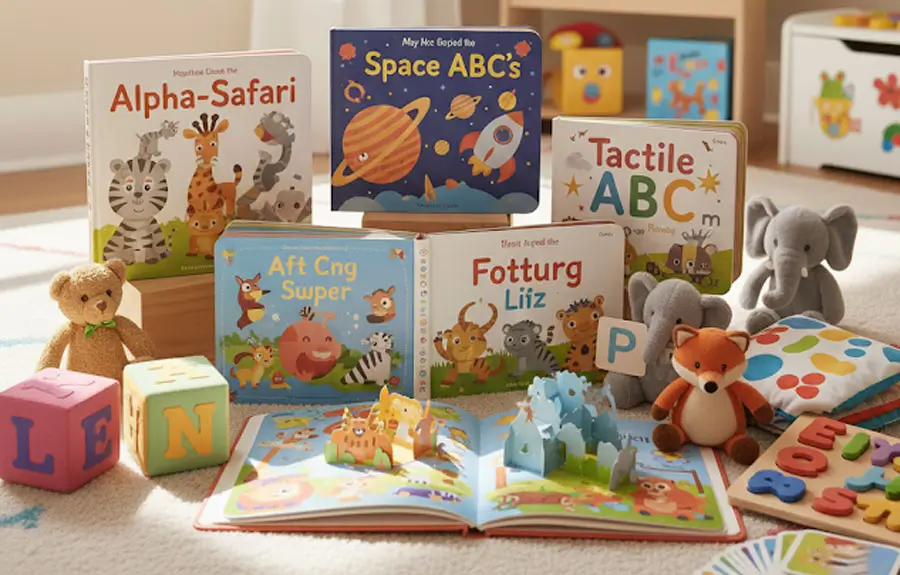
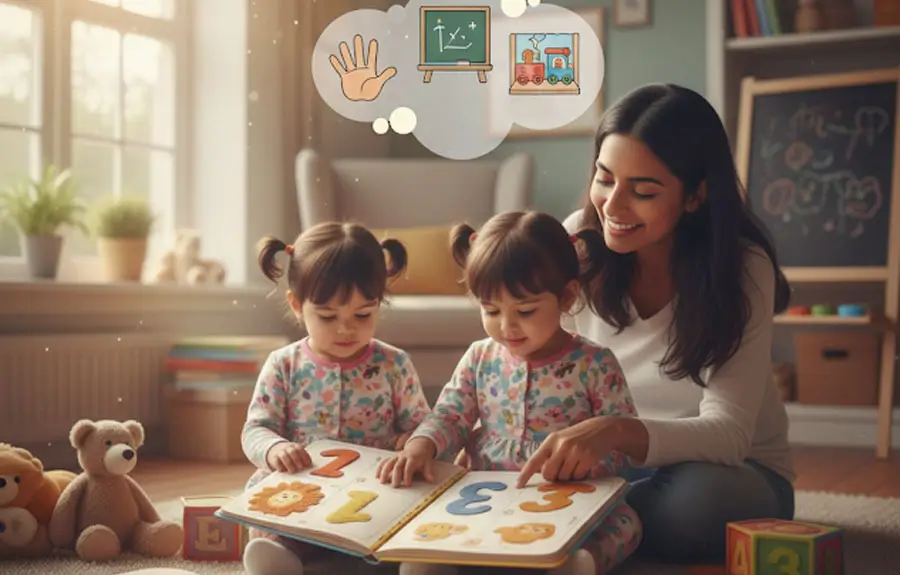
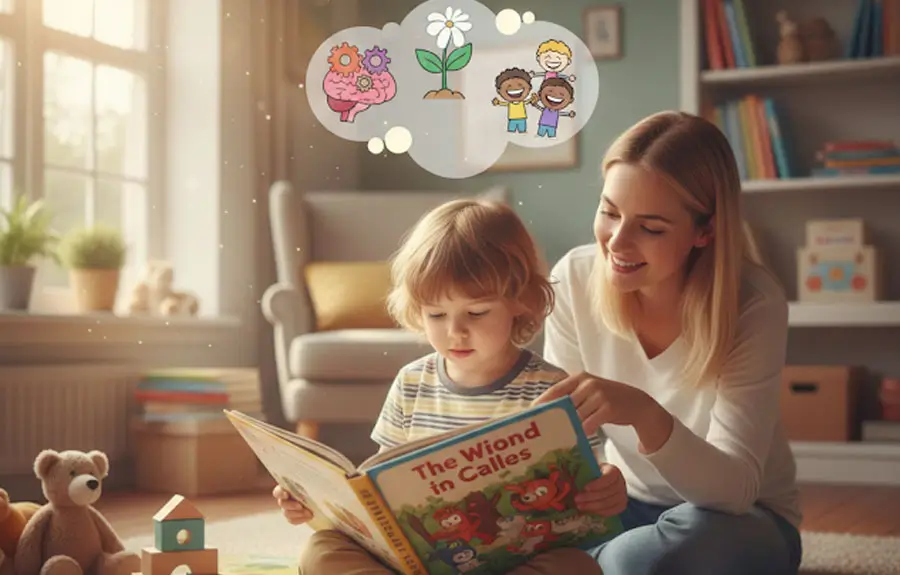
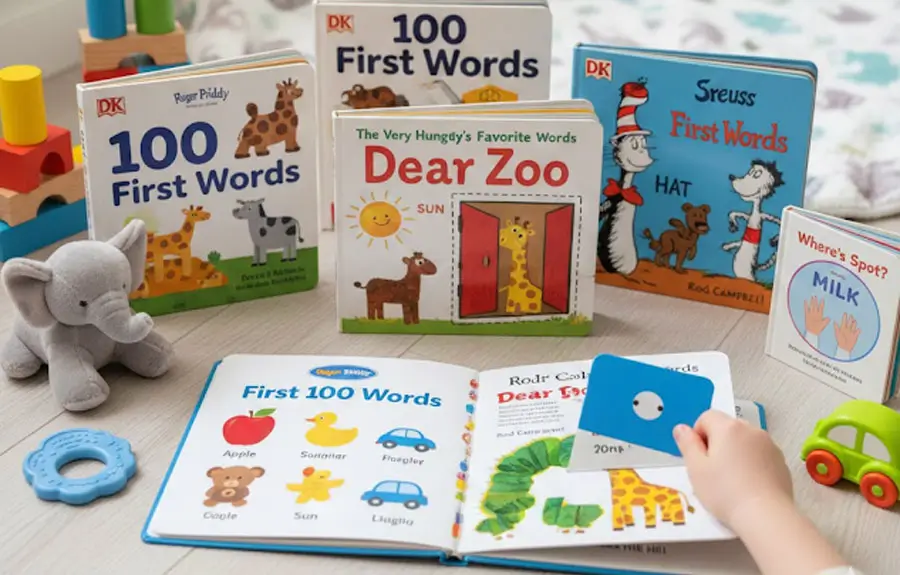
A baby’s earliest understanding of language begins long before they speak their first word. From the moment they start observing their surroundings, they begin forming connections between objects, sounds and actions. First word books are designed to strengthen this natural curiosity by offering clear visuals, simple labels and recognisable objects that help babies and toddlers understand the world around them. These books introduce essential vocabulary in a gentle, engaging and structured way, allowing children to connect spoken words with real-life concepts.
Babies respond strongly to visuals, and when a book displays everyday objects like fruits, animals, toys, family members or household items, their attention increases instantly. The repetitive exposure to these images paired with clear word labels helps them absorb vocabulary gradually. Even before babies begin imitating sounds or speaking simple words, they recognise familiar visuals and respond to them with gestures, expressions or excitement. First word books create the earliest foundation for communication by showing babies that words have meaning and are connected to the world they see every day.
Toddlers benefit even more as they transition from silent observation to active expression. When they point to a picture of a dog or apple and hear the word spoken repeatedly, they begin to internalise how language works. The structure of first word books simplifies the entire process, making vocabulary learning natural, intuitive and enjoyable. These books are essential tools for early brain development, speech readiness and emotional bonding between parents and children.
Vocabulary development during early childhood happens through exposure and repetition rather than structured teaching. Babies and toddlers learn words by observing objects and hearing them consistently in meaningful contexts. First word books offer the perfect environment for this learning style because they present words in an organised and visually appealing manner.
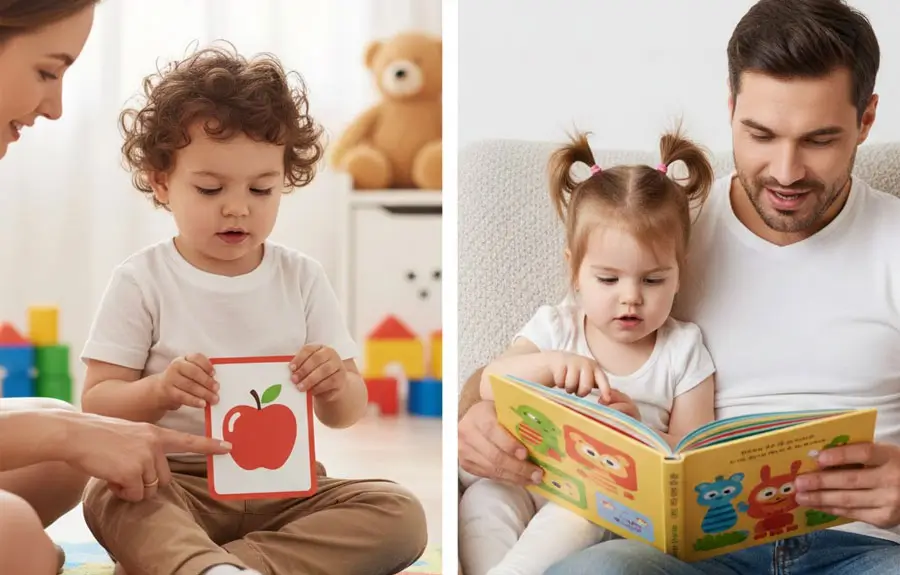
When toddlers see an image of an apple labelled clearly beneath it, they begin forming a visual–verbal connection. With repeated exposure, this association becomes stronger, and the child eventually attempts to say the word or express it through gestures. This natural learning process does not require memorisation; instead, it relies on pattern recognition and familiarity. First word books present vocabulary in small, manageable categories—animals, fruits, body parts, toys, colours—which aligns perfectly with a toddler’s developmental ability to group and understand concepts.
First word books also help toddlers understand context. When they see a picture of a cup or spoon, they connect it with daily activities. When they see images of animals, they recall seeing them in books, cartoons or real life. This contextual learning strengthens memory and comprehension, making vocabulary meaningful rather than abstract.
As toddlers grow, their early exposure to words builds a strong base for sentence formation. They begin recognising similarities between objects and noticing differences, which strengthens their descriptive skills. First word books act like building blocks for future language development by giving toddlers a rich, visual dictionary to draw from.
Babies process visual information far earlier than they process spoken language. This makes picture–word association one of the most effective early learning techniques. When children repeatedly see an image alongside the corresponding word, their brain begins linking symbols, shapes and sounds into a unified concept.
For example, when a toddler sees an image of a ball and hears the word “ball” spoken aloud, the brain forms a connection between the shape, the word label and the familiar experience of playing with a ball. This multi-sensory connection enhances learning speed and memory retention. Babies begin responding with excitement when they recognise pictures, and toddlers start pointing, babbling or attempting to say the word.
Picture–word association also helps toddlers absorb vocabulary without confusion. Words presented alone may feel abstract, but when toddlers see them paired with clear visuals, the meaning becomes concrete. First word books simplify learning by offering a direct link between objects and words, helping toddlers build early communication skills that evolve naturally into fluent speech later.
This method also reduces frustration during early language development. When toddlers can point to visuals and identify them even without speaking, they feel understood and confident. Such confidence encourages them to express themselves more frequently.
First word books are intentionally organised into categories because toddlers learn best when information is grouped. Categorisation helps toddlers understand similarities, contrasts, and how different things belong to certain groups. Categories transform scattered vocabulary into structured knowledge.
Common categories that appear in high-quality first word books include:
Animals: Toddlers respond strongly to animal images because they are familiar, expressive and visually engaging. Early learning books often use bold illustrations of dogs, cats, cows, birds and other animals to introduce vocabulary.
Fruits and Vegetables: These categories help toddlers recognise food from daily life, building familiarity and early communication during mealtime.
Colours: Books featuring red, blue, yellow and green objects support early colour recognition which is essential for pre-school readiness.
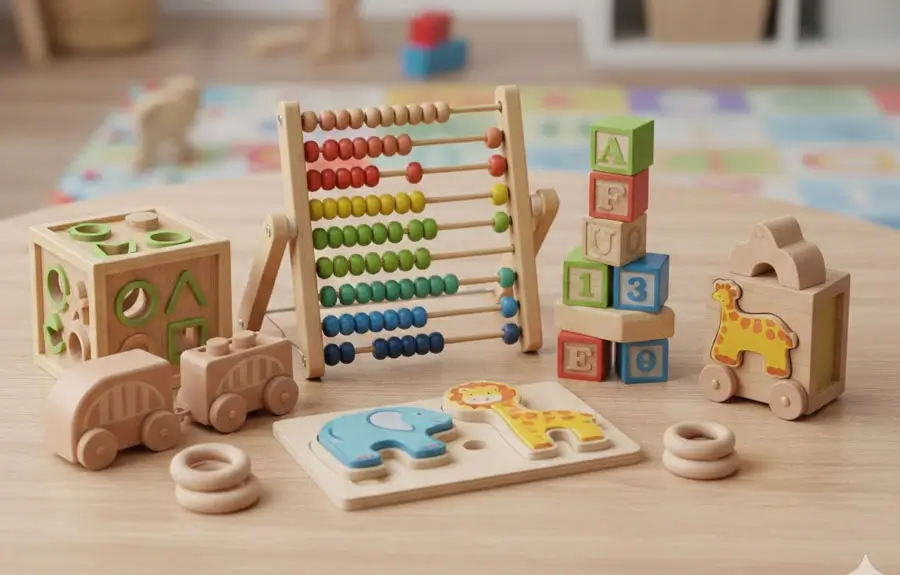
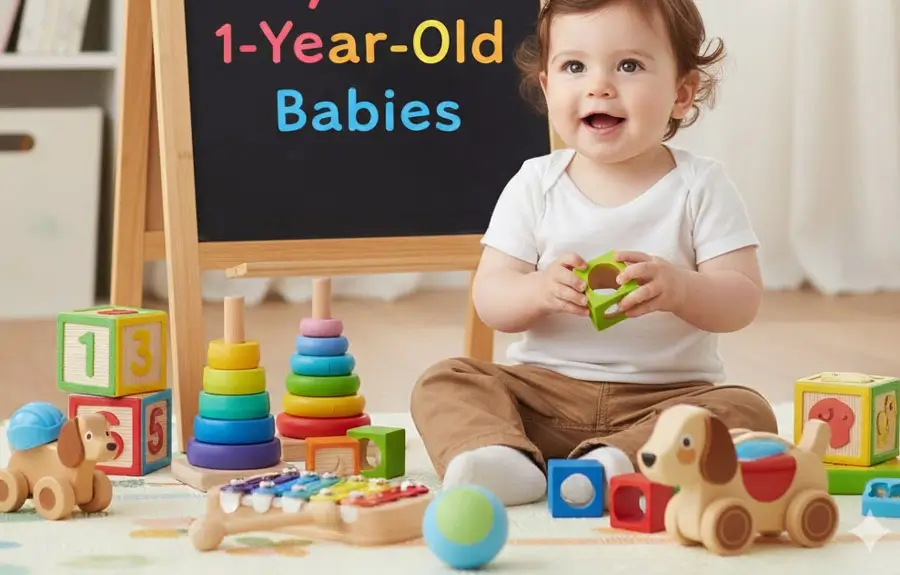
Toys: Familiar toys like blocks, balls and cars make learning relatable and enjoyable.
Household Objects: Items like cups, chairs, clothes and shoes help toddlers understand their everyday environment.
Body Parts: Simple visuals showing eyes, nose, ears and hands strengthen self-awareness and early anatomy understanding.
Structured categories help toddlers build a mental dictionary that becomes the foundation for advanced vocabulary and conceptual learning.
Memory development in toddlers depends on repeated exposure to meaningful content. First word books use repetition intentionally because toddlers learn best when the same information appears consistently over time. When toddlers repeatedly see a picture of an apple, they begin recalling it faster, recognising it in real life and eventually attempting to name it.
Memory is strengthened through familiar patterns. When toddlers see categories of animals or toys grouped together, they remember them more easily because their brains recognise patterns within the category. This process, known as chunking, is a major cognitive skill that supports learning across subjects.
First word books also support visual recognition, which develops earlier than verbal fluency. Toddlers may not speak the word immediately, but they can identify the object by pointing, smiling or showing excitement. These responses indicate strong memory formation, even without spoken expression.
As toddlers grow, memory recall improves significantly. Books they observed months earlier suddenly become sources of confident word recognition. This progression shows how early exposure becomes long-term vocabulary strength.
Speech readiness begins long before children say their first clear words. Early exposure to words through visuals and repetition gives toddlers the foundation they need to begin forming sounds. First word books accelerate speech readiness by encouraging children to listen, observe and imitate.
Books help toddlers understand the rhythm of language. When parents read words aloud clearly and slowly, toddlers learn how language flows. Some toddlers respond by babbling or mimicking sounds. Others may begin with gestures or pointing, which are early forms of expressive communication.
Even if toddlers are delayed in speech, first word books provide a non-stressful way to expose them to vocabulary. They can interact through pointing or turning pages while still strengthening their verbal pathways. This reduces pressure and encourages natural language development.
Speech readiness also improves when toddlers enjoy the reading experience. The more positive and interactive the environment, the more motivated toddlers become to repeat words, imitate sounds and express themselves.
Independent learning during early childhood is not about reading alone—it's about exploring pages freely, understanding images and engaging with the book at their own pace. First word books often have thick, durable pages that toddlers can turn independently. This sense of control strengthens confidence and curiosity.
Toddlers enjoy flipping through pages, pointing at their favourite pictures and revisiting familiar visuals. This repeated exploration exposes them to vocabulary even without parental guidance. Independent book handling also supports fine motor skills, hand–eye coordination and spatial awareness.
When toddlers show interest in specific images, it reflects emerging preferences and cognitive awareness. Parents can build on this interest by discussing the images in more detail, strengthening vocabulary and engagement. First word books become tools not just for passive observation but for active participation and self-led discovery.
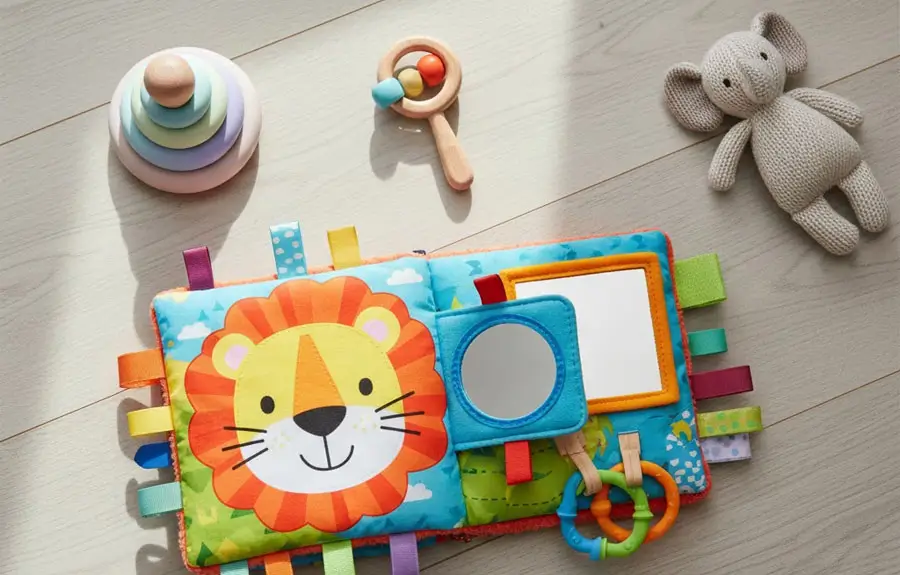
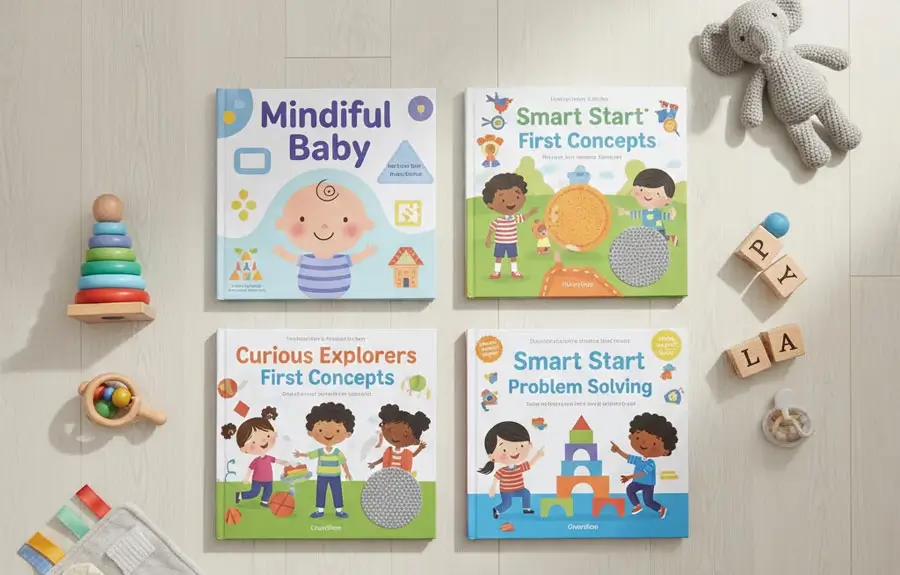
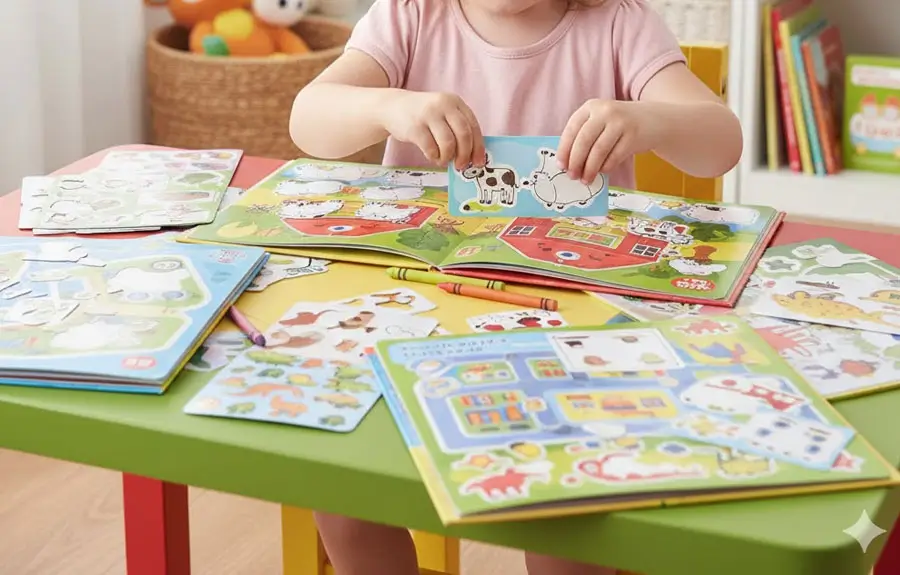
Interactive features in first word books such as textures, flaps, mirrors and touch elements add sensory richness that deepens learning. Sensory books stimulate multiple areas of the brain by combining sight, touch and sometimes sound.
Textures help toddlers understand qualities like soft, rough, smooth or furry. Flaps introduce surprise elements that increase engagement and curiosity. Mirror pages help toddlers recognise themselves and develop early self-awareness.
These sensory experiences support cognitive development by encouraging toddlers to explore with their hands, eyes and even expressions. Interactive first word books also help toddlers stay focused longer because the activities capture attention naturally. When learning becomes playful, toddlers participate more actively and absorb vocabulary effortlessly.
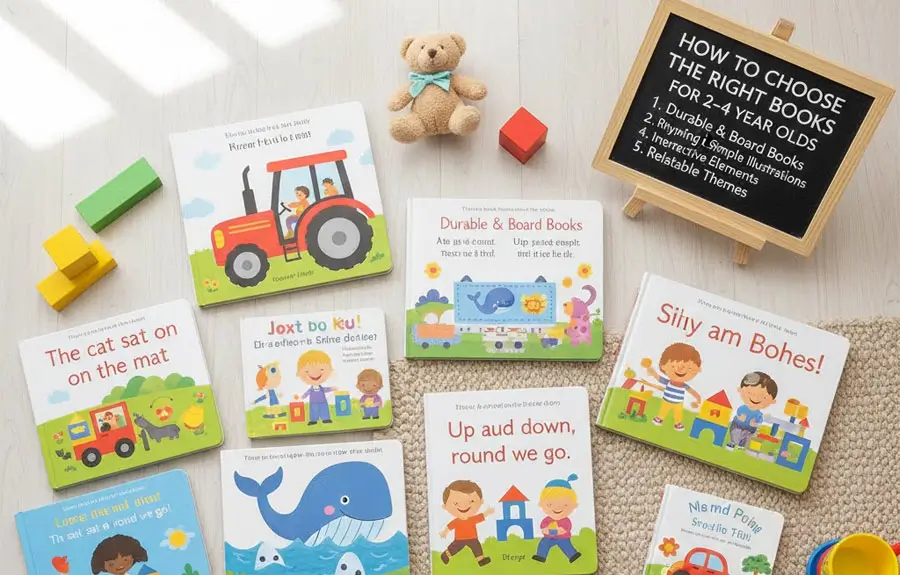
Parents should choose first word books based on clarity, structure and relevance. Books must have bold, simple illustrations with minimal background noise. Overly complex images may confuse toddlers. Clear labels beneath each image help toddlers connect words to visuals.
The best books use familiar objects from daily life. When toddlers see pictures that reflect their surroundings, learning becomes meaningful. Durable board books are ideal because they allow toddlers to handle pages confidently.
Parents should also look for books that maintain consistency in design. Each page should follow a similar layout so toddlers can focus on vocabulary instead of navigating new patterns. Books that use bright colours, expressive images and clean fonts are especially effective.
Variety matters too. A collection of first word books covering animals, fruits, toys and body parts gives toddlers a well-rounded vocabulary base. Exposure to multiple categories ensures that toddlers learn words across different environments.
Babies can begin exploring picture–word books as early as infancy depending on interest.
Yes, consistent exposure to visuals and labels strengthens early speech pathways.
Short daily sessions help build familiarity and vocabulary naturally.
Yes, they allow toddlers to interpret visuals freely and support expressive development.
Repetition and clear visuals help toddlers retain vocabulary effectively.
Simple labels work best for beginners; sentences can be introduced later.
Textures and flaps add engagement and support tactile learning.
A variety covering animals, colours, toys and daily objects provides balanced learning.
Guided reading helps, but toddlers also benefit from independent exploration.
Clear visuals, familiar objects, sturdy pages and simple labels create the best learning experience.

We offer fast delivery.

We offer E-Gift Cards.

Dedicated 24/7 support.

100% secure payment.

 My Order
  0
0