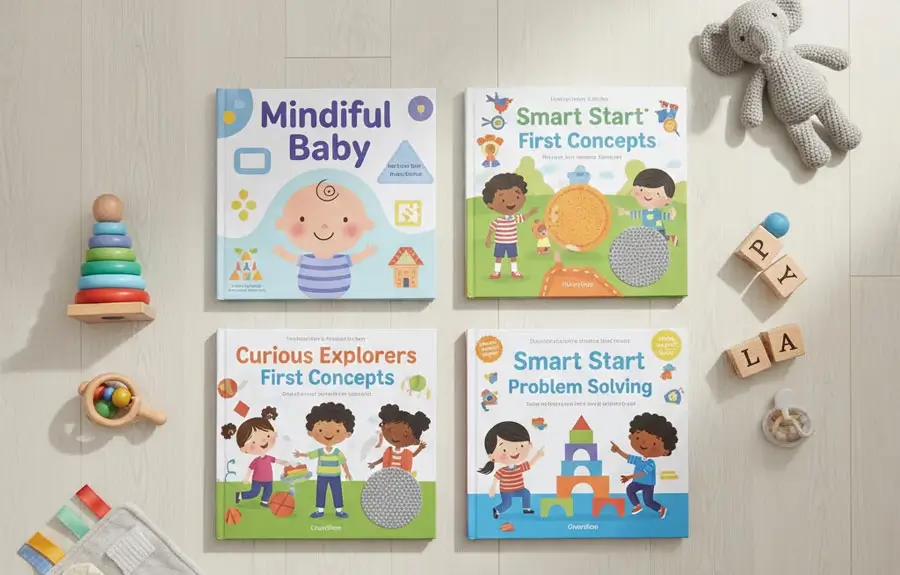
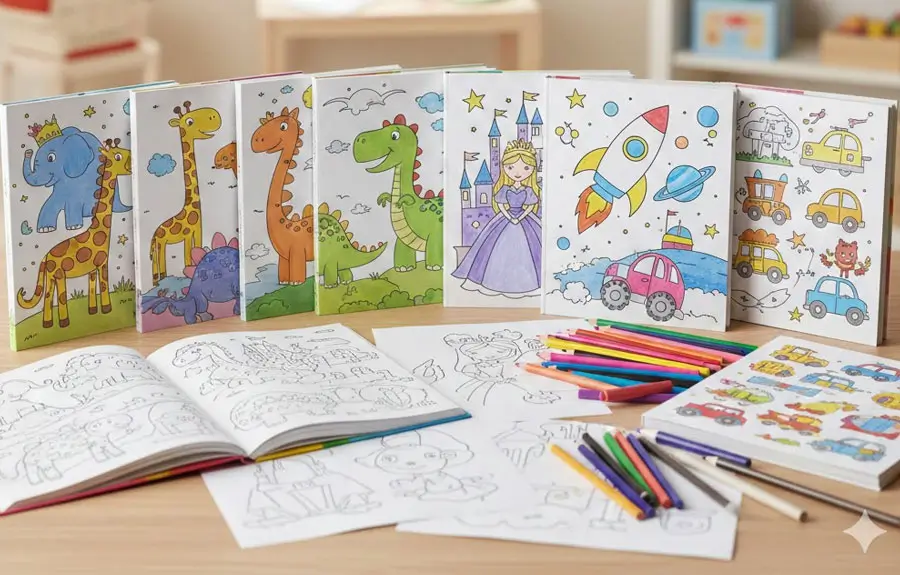
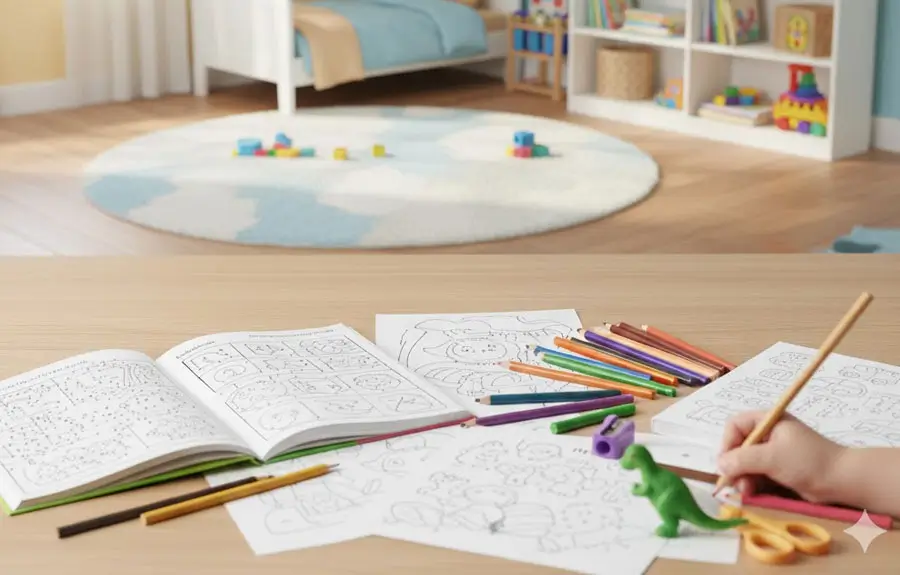
Introducing numbers to toddlers is one of the most rewarding stages of early learning because it shapes the foundation of logical thinking, pattern recognition and basic problem-solving. Toddlers naturally observe quantities around them — how many toys they have, how many steps they take, how many fruits are on a table — but structured number exposure through books gives this curiosity a clear direction. Number learning books for toddlers offer a playful and visually appealing way to understand symbols, quantities and early counting concepts. Instead of memorising numbers, toddlers learn through patterns, pictures and repetition, which makes the experience more meaningful and long-lasting.
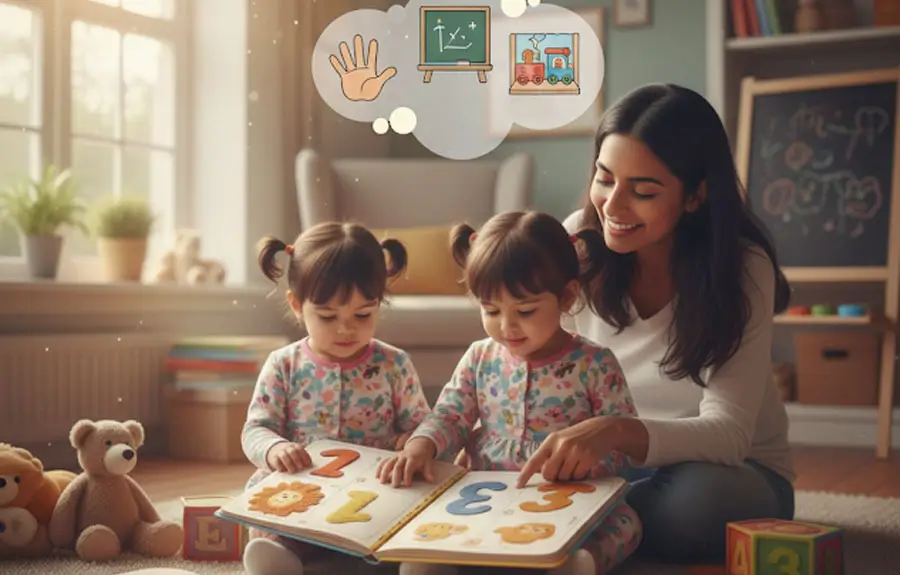
Toddlers between the ages of 0–3 years do not require formal mathematics. They simply need exposure to numbers in an enjoyable and relatable way. When numbers appear with familiar objects such as balloons, animals, fruits, toys or daily items, toddlers begin forming associations. They learn that the symbol “2” often appears with two objects, and “5” appears with five objects. These repetitive associations strengthen cognitive understanding, even before they can say the numbers clearly. Books simplify this process by offering consistent visual references and clear layouts that capture a toddler’s attention.
Number learning books also help develop early confidence. When toddlers recognise a number or point to groups of objects, they experience achievement. This feeling motivates them to continue exploring the pages and learning more. With time, toddlers begin anticipating the sequence of numbers, flipping through pages with excitement and pointing at images that resemble their daily experiences. Choosing the right number books ensures that learning never feels forced; instead, it becomes a natural process supported by attention, curiosity and enjoyment.
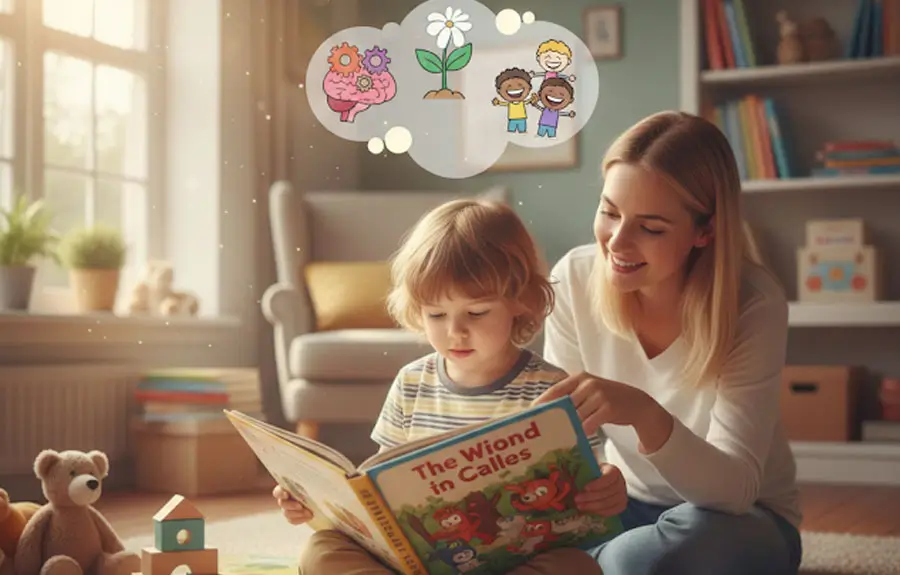
Numbers form a crucial part of early cognitive development, and toddlers benefit immensely when exposed to numbers through visuals rather than memorisation. Number learning builds logical reasoning, visual quantity awareness, grouping ability, pattern understanding, and symbol recognition. These fundamental skills act as building blocks for future mathematics, but they are equally important for daily life functions such as understanding size, comparing objects, recognising sequences and solving simple problems.
Toddlers between 1–3 years learn best through repetition and visual clarity. When they repeatedly see a number alongside specific objects, their brain begins storing that information. Over time, toddlers begin predicting what comes next in the sequence. When a toddler anticipates that “after 3 comes 4,” it shows strong memory formation and cognitive organisation. This early sequencing capability supports better learning habits across subjects later in life.
Number learning books also help toddlers understand countable quantities. They begin to see that a number represents how many objects are present, not just a symbol on a page. This understanding is essential for early mathematics readiness. When toddlers observe groups of fruits or toys arranged neatly, they naturally count along with parents, making learning interactive and joyful.
Books also enhance listening and motor skills. As toddlers turn pages, point to objects or imitate counting, they develop hand coordination and focus. Parents who regularly read number books with their toddlers often find that their children become more expressive and attentive, because the structured visual format supports better listening and participation.
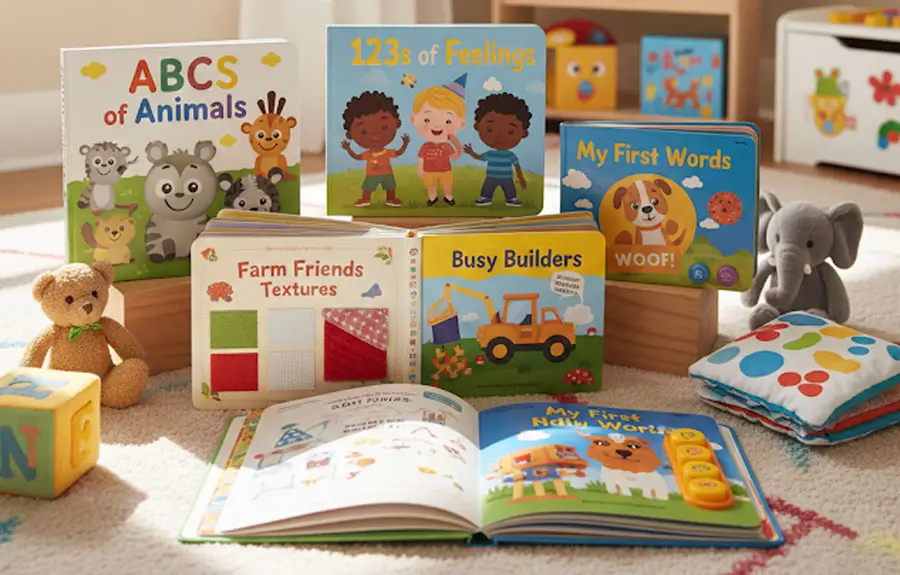
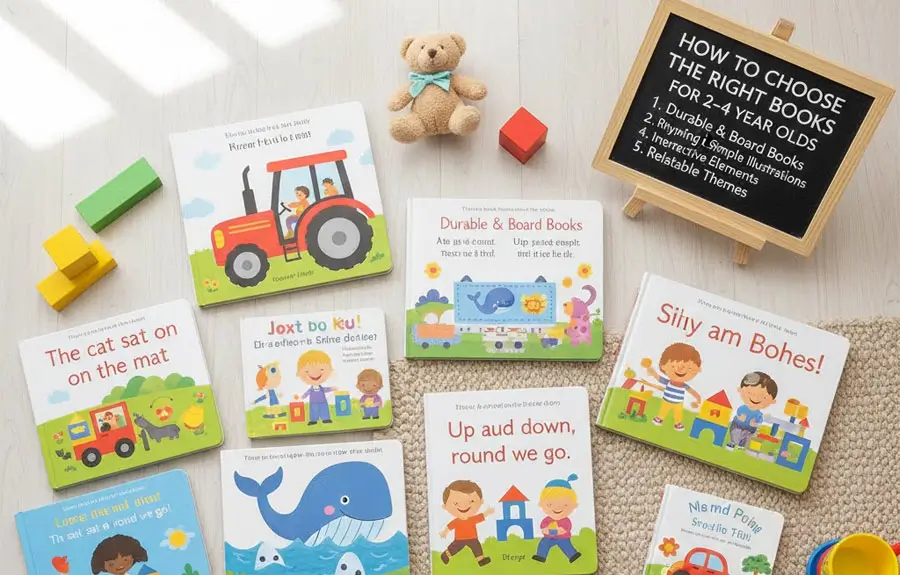
A high-quality number learning book for toddlers must be clear, visually appealing and easy to understand. Toddlers respond best to books with large illustrations, bold numbers, and clean layouts. Overly crowded pages with too many details may confuse young learners. A good number book should present one number per page, paired with corresponding objects that reflect the quantity accurately.
The choice of images also matters. Toddlers identify better with familiar objects — fruits, animals, vehicles, toys and common household items. When the objects relate to their daily environment, recognition becomes easier. Books that use consistent colours and familiar shapes help toddlers process numbers quickly because their attention is not divided between too many complex visuals.
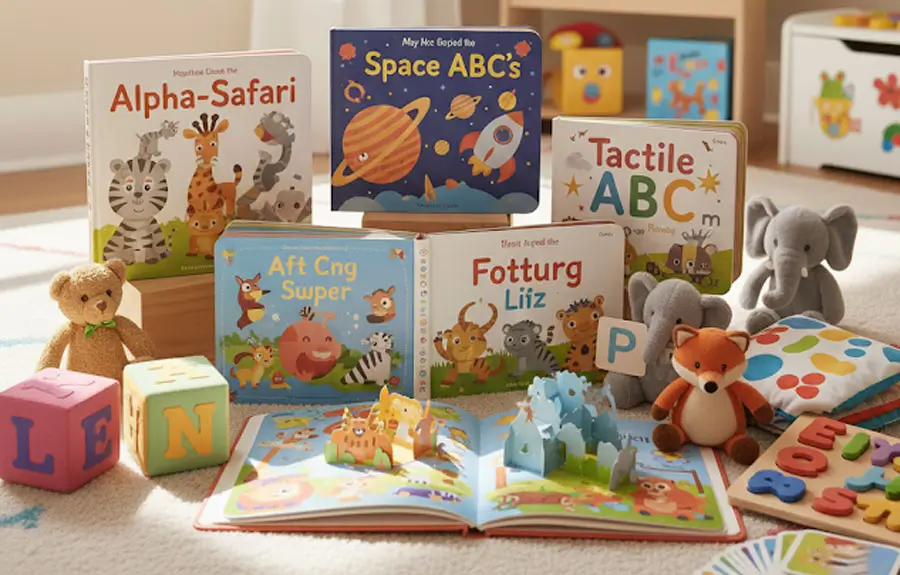
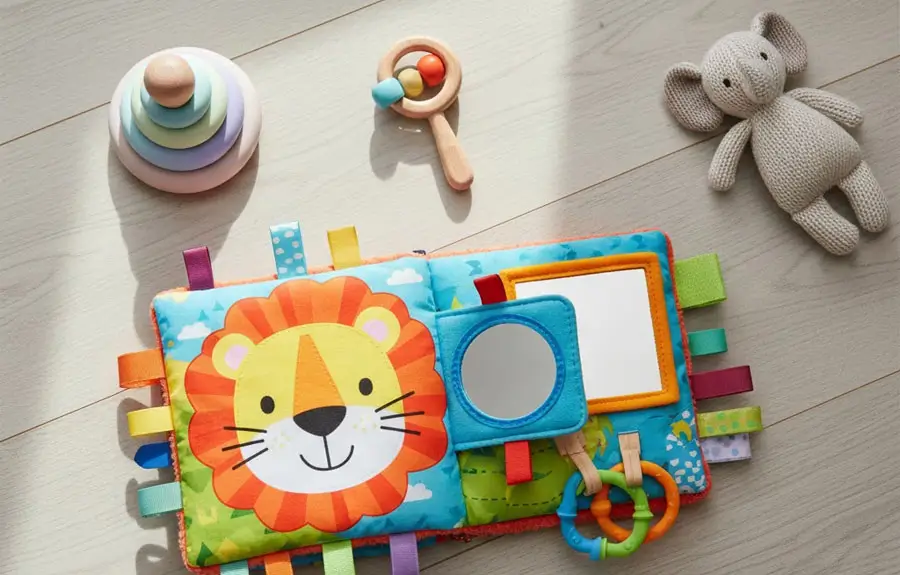
Sturdy pages and durable binding are also essential because toddlers enjoy flipping through pages independently. Durable books encourage self-exploration, which is a major part of early learning. Books with textured surfaces or raised elements provide additional sensory stimulation, which aids memory retention and engagement.
Structured progression is another key feature. A good number book should gradually increase complexity. The early pages should show simple groups of objects, such as one apple or two balloons, while later pages may introduce slightly larger quantities or multiple examples per number. This smooth progression aligns with a toddler’s natural learning pace.
Parents should also consider whether the book uses bright colours, simple lines, and clear illustrations. Toddlers enjoy vibrant visuals, but the book must maintain clarity to avoid overstimulation. A good number learning book balances aesthetic appeal with educational functionality.
Visual association is a toddler’s strongest learning method, and number books rely heavily on this strength. When a toddler sees the number “3” positioned next to three identical objects, the brain begins associating the shape of the number with the quantity. This dual exposure — symbol plus objects — creates a firm foundation for later numeracy.
As toddlers flip through pages, recognition becomes faster. At first, they may simply observe the shapes and colours. Over time, they begin pointing at the objects, repeating the number or even attempting to count. Such attempts, even if imperfect, show growth in early logic and recognition ability. Number learning books that use consistent visual patterns help toddlers internalise numbers through gentle repetition.
These visual associations also strengthen memory. When toddlers repeatedly see five balloons or four ducks arranged visually, their mind stores these patterns, making counting more intuitive. Instead of learning from abstract explanations, toddlers learn through real examples, which is more suitable for their developmental stage.
Books that use everyday objects provide stronger associations. If toddlers see three spoons or two cups, they connect the learning with real-world items they encounter daily. This practical connection enhances comfort and understanding.
Counting is one of the earliest mathematical skills toddlers develop, but it must be introduced gradually and gently. Counting begins as a form of imitation — toddlers repeat numbers they hear from parents without truly understanding the meaning. Number learning books help toddlers transform this imitation into actual counting skills by pairing numbers with visuals.
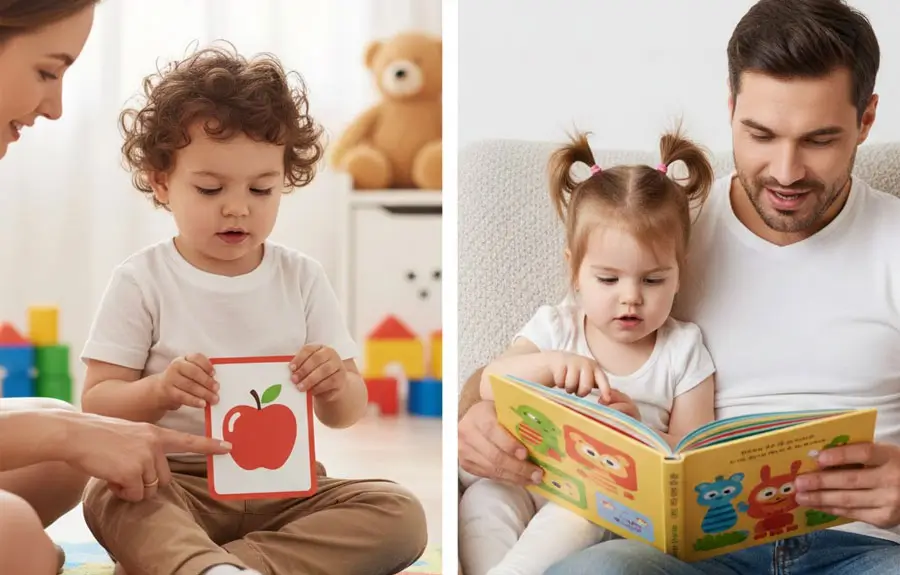
Counting through books allows toddlers to follow a structured format. They identify a number, observe the objects and attempt to count them using gestures or sounds. Toddlers often point to each object while counting, which improves hand–eye coordination and focus. When they understand that pointing corresponds with counting, the number concept becomes clearer.
Consistency supports counting development. When toddlers repeatedly see the same number paired with correct quantities, they begin internalising how counting works. Some books use progressive page designs where each number is shown with a slightly different layout of objects, helping toddlers understand that the quantity remains the same even if the arrangement changes. This concept strengthens early logical reasoning.
Parents can enhance counting by modelling the process slowly. When parents count each object with clear pauses, toddlers follow naturally. As toddlers attempt to join in, their sense of rhythm, memory and sequencing improves. Counting becomes not only a mental activity but also a joyful interaction between parent and child.
Number learning books strengthen logical thinking by introducing toddlers to patterns and comparisons. When toddlers observe groups of objects in books, they begin understanding concepts like “more,” “less,” “bigger group,” and “smaller group.” These comparisons happen instinctively, without formal explanation.
Counting books with arranged objects help toddlers develop pattern recognition. For example, when they see a row of two toys and then a row of three toys, they begin noticing changes in quantity. Over time, toddlers start expressing preferences, such as choosing a page with more objects or enjoying certain numbers due to their illustrations.
Books also introduce toddlers to early sequencing — the understanding that numbers follow a specific order. Even if toddlers cannot say the full sequence correctly, seeing pages arranged systematically helps them internalise order. This prepares them for future tasks that require following steps or organised thinking.
A good number book often includes subtle variations that enhance logical thinking. For example, different shapes, varying object placements or alternating colours can help toddlers observe details and make comparisons. Such books encourage toddlers to think beyond memorisation and develop true comprehension.
Repetition is essential for early learning, and toddlers thrive on familiar patterns. Number books that repeat visual layouts or use consistent illustrations help toddlers strengthen memory. Each time toddlers revisit a page, they reinforce their understanding of numbers and quantities.
Repetition helps toddlers build confidence. When they recognise a number or correctly identify a group of objects, they feel successful. This sense of accomplishment encourages them to explore more pages independently, turning learning into an enjoyable routine rather than a structured lesson.
Parents should embrace repetition as part of the learning process. Toddlers may request the same book repeatedly, and this behaviour is beneficial. The brain develops stronger neural connections through repeated exposure. With every repetition, toddlers capture new details, notice new patterns and improve accuracy in identifying numbers and quantities.
Books with rhythmic repetition—such as similar sentences, predictable layouts or repeating object themes—create familiarity. This familiarity reduces anxiety and supports smooth learning. Number learning books designed with repetitive frameworks help children internalise concepts naturally.
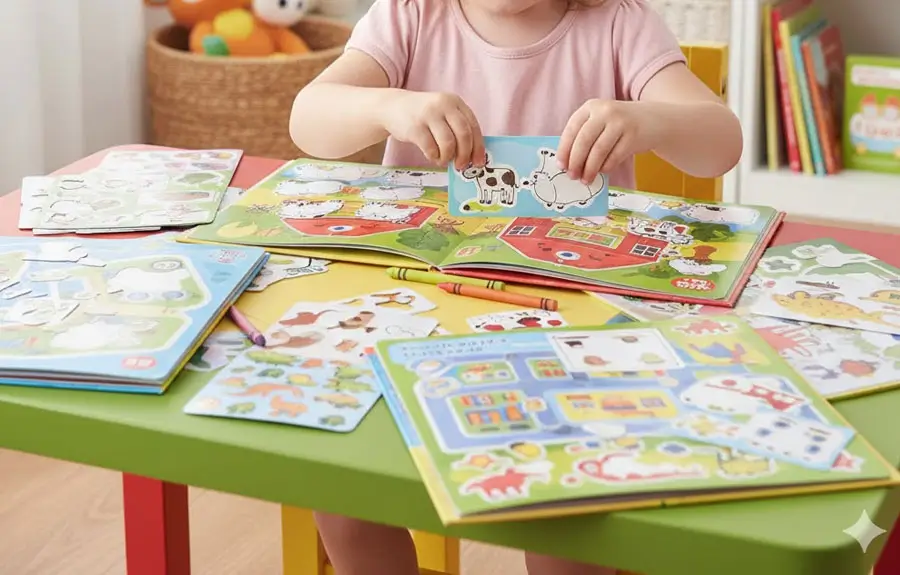
Interactive number books, especially those with flaps, textures or movable parts, add excitement to early learning. These tactile elements turn reading into an adventure, encouraging curiosity and participation. Toddlers enjoy lifting flaps to reveal objects, touching textured surfaces or sliding panels that uncover numbers.
Interactive books combine sensory exploration with visual learning. This multi-sensory engagement strengthens memory because toddlers use more than one sense at the same time. Touch-enabled number books help children understand shapes and quantities more deeply, while sensory stimulation supports brain development.
These books also improve motor skills. When toddlers lift flaps or move sliders, they practise finger control and hand coordination. These small actions develop independence and confidence. Such books keep toddlers focused longer because each page offers something surprising or playful.
Parents can enhance learning by asking questions as toddlers explore. Engaging prompts like “How many apples are under the flap?” or “Can you touch the number 4?” encourage interaction. This collaborative learning strengthens communication and supports stronger retention.
Parents play a crucial role in turning number books into meaningful learning experiences. When parents read slowly, point to objects and use expressive counting, toddlers remain engaged. Short sessions of 10–15 minutes work best because toddlers absorb more in relaxed environments.
Using books as part of daily routines reinforces learning. Parents can count fruits during meals, toys during playtime or steps while walking. These natural connections help toddlers understand that numbers exist everywhere, not just in books.
Parents should emphasise clarity rather than speed. Toddlers need time to absorb the visuals and connect them with numbers. Using gestures, pointing and even tapping objects creates rhythm in the learning process. When toddlers participate by pointing or attempting to count out loud, it strengthens confidence and comprehension.
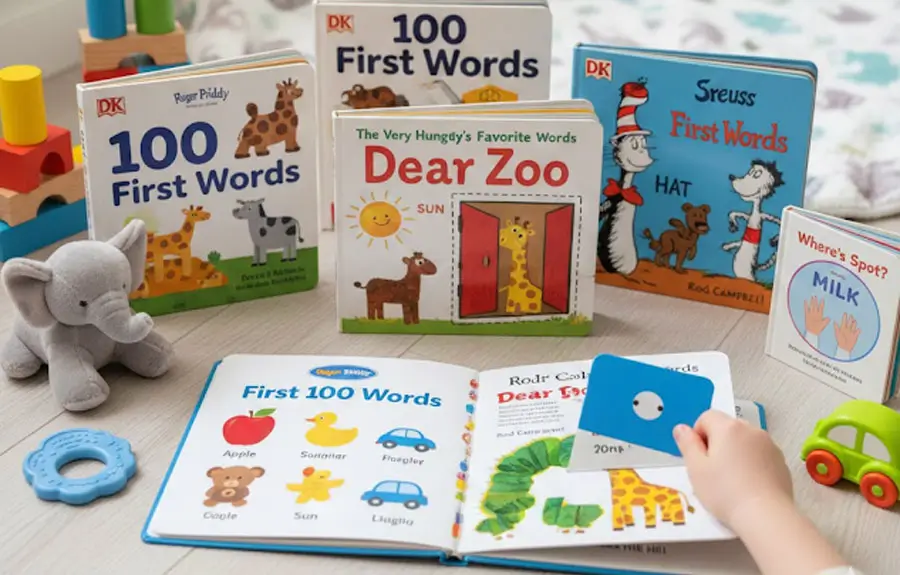
Keeping multiple number books at home exposes toddlers to a variety of visual styles. Variety ensures that toddlers learn to recognise numbers across different fonts, colours and backgrounds. This flexibility enhances adaptability and prepares children for more advanced number recognition in later years.
Toddlers can begin exploring number books as early as their first year, depending on interest.
Accuracy is not important; exposure and recognition matter more.
Short, consistent daily sessions help toddlers absorb concepts naturally.
Yes, sensory elements improve engagement and support memory.
Writing is not required yet; focus should remain on recognition and counting.
Yes, real-life counting strengthens practical understanding.
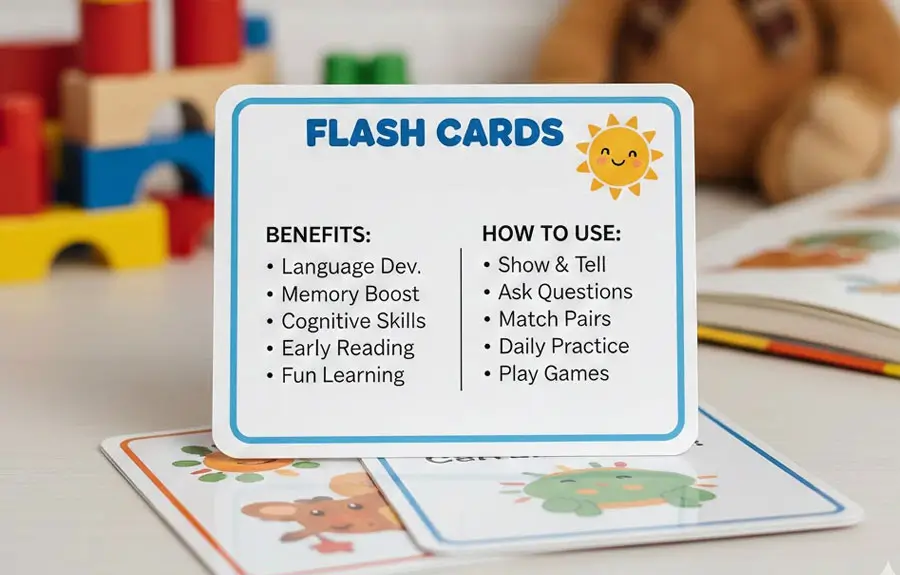
Both serve different purposes; books offer context while flash cards strengthen rapid recognition.
Yes, toddlers often recognise some numbers before others; sequence develops gradually.
Structured visuals and counting activities help toddlers practise focus.
Books with large numbers, clear illustrations and familiar objects work best.

We offer fast delivery.

We offer E-Gift Cards.

Dedicated 24/7 support.

100% secure payment.

 My Order
  0
0