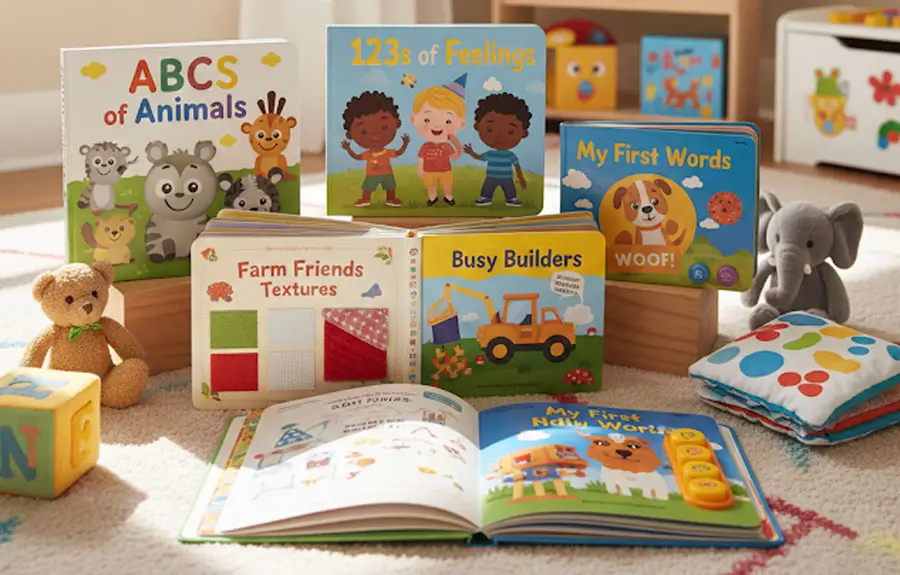
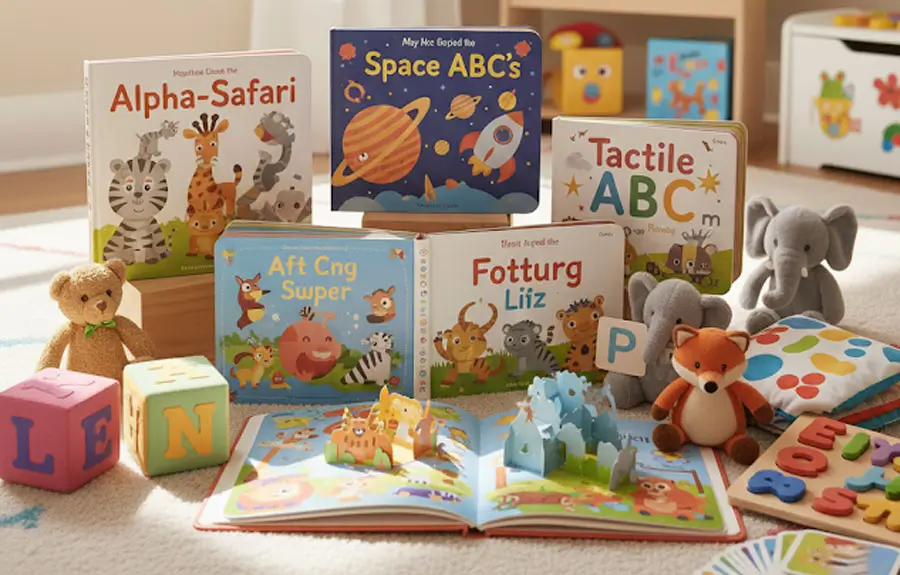
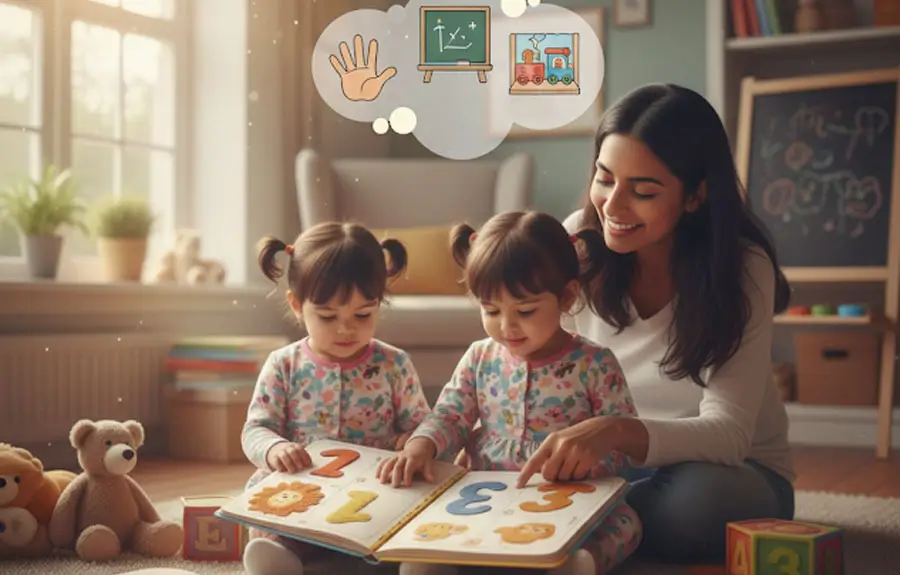
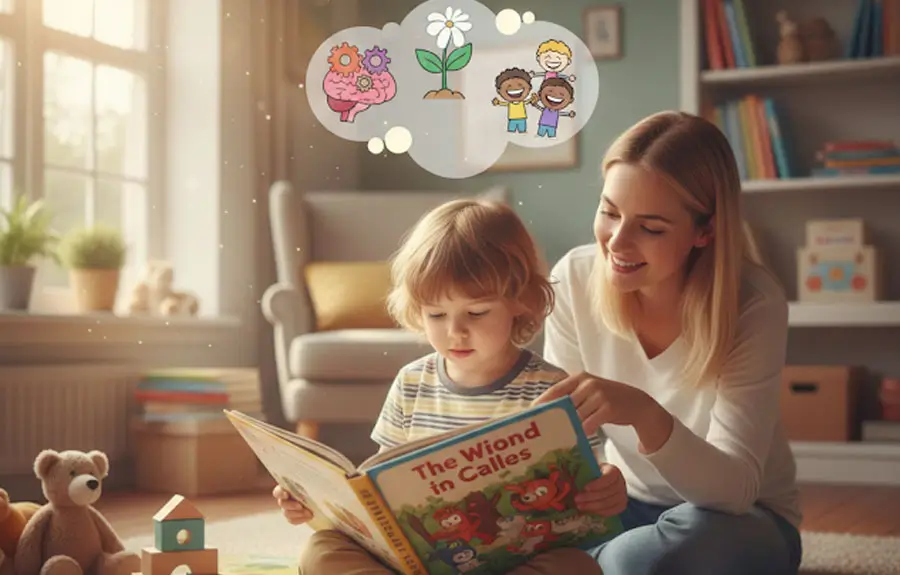
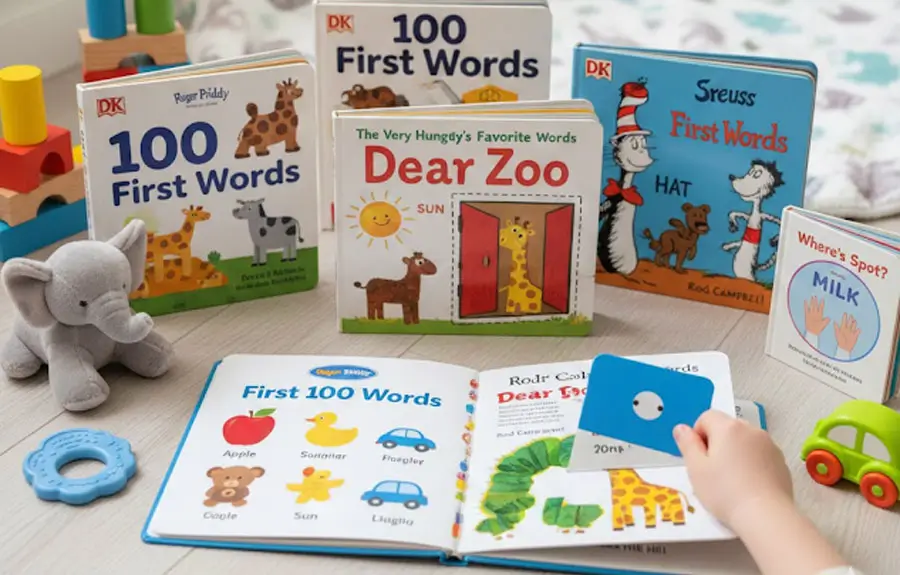
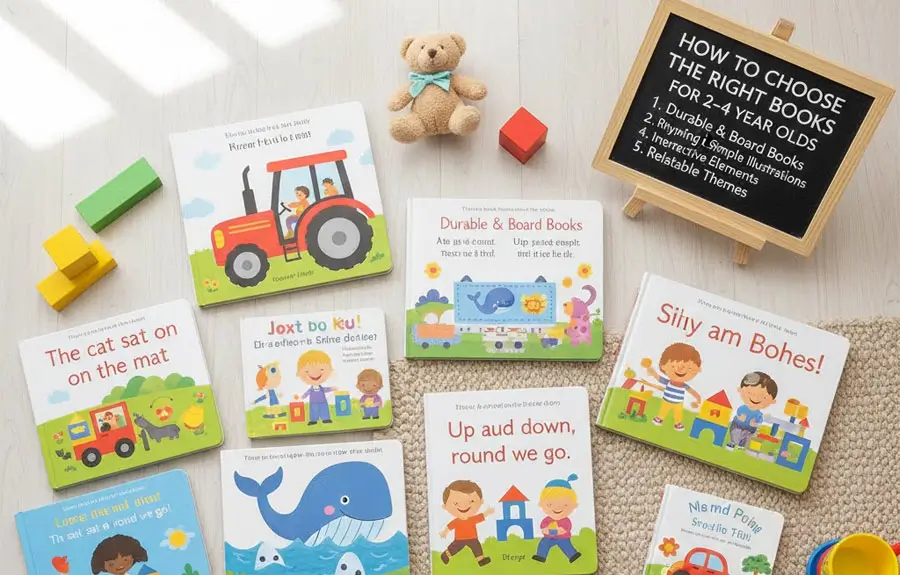
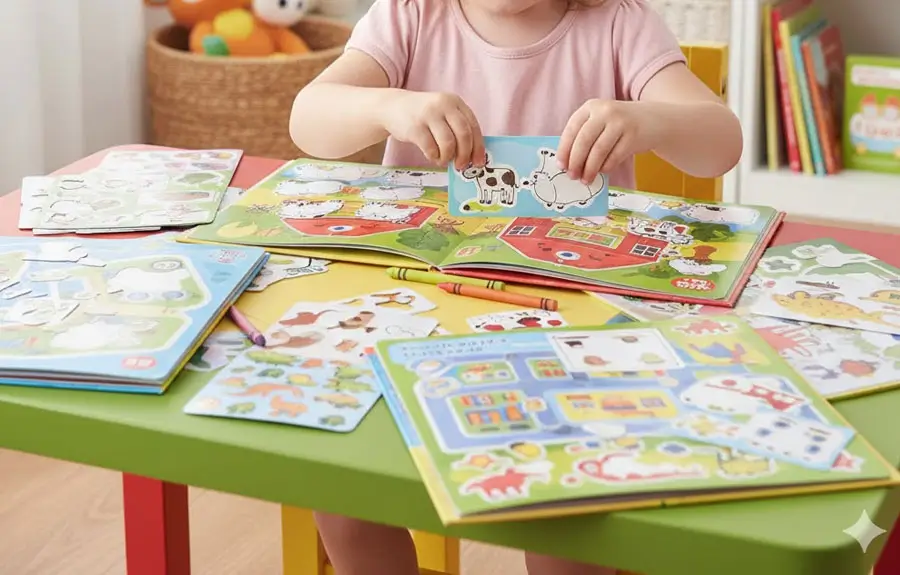
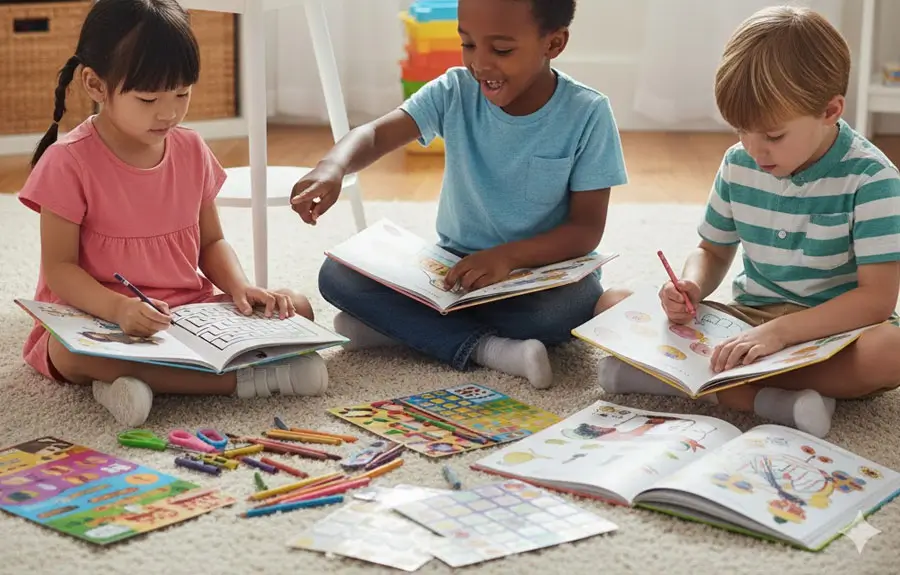
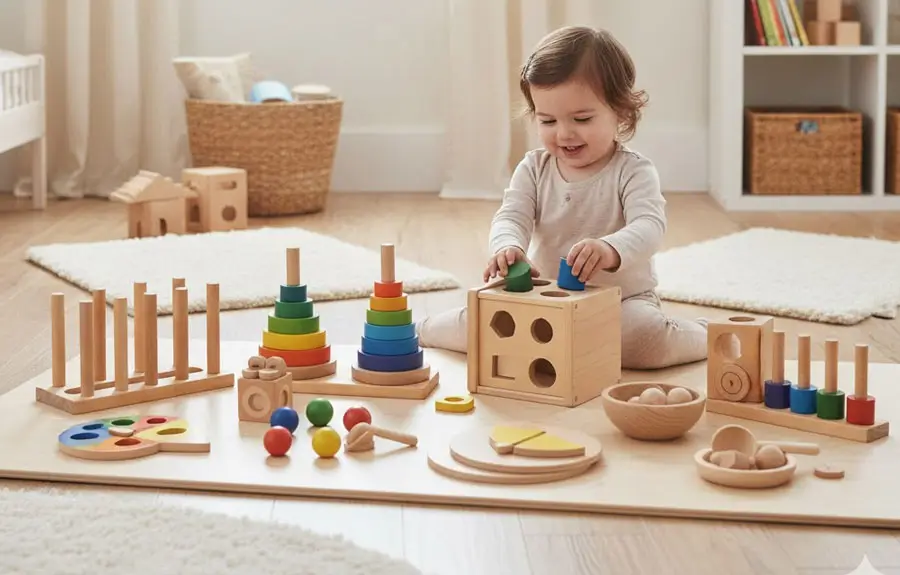
Sticker activity books have become one of the most popular early learning tools for toddlers and young kids because they combine fun with education in a seamless, joyful way. Children naturally love stickers — the colours, textures, shapes and excitement of peeling and placing them spark instant interest. What looks like simple play is actually a powerful developmental experience. Sticker activity books help children build fine motor control, improve focus, learn matching skills, explore creativity and strengthen early cognitive abilities.
Unlike traditional worksheets or reading activities, sticker books feel like playtime. This makes learning enjoyable instead of stressful. Toddlers and young children stay engaged longer because sticker activities offer hands-on interaction, visual excitement and instant rewards. Whether placing animals in their habitats, matching stickers to outlines, completing scenes or creating their own designs, children learn through meaningful exploration.
Sticker activity books offer different types of learning — from structured matching tasks to open-ended creative scenes. This combination caters to all learning styles and ensures kids learn at their natural pace. With every sticker placed correctly, children experience a sense of achievement, which boosts confidence and motivates them to continue learning.
The effectiveness of sticker books lies in their hands-on approach. Children under six learn primarily through touch, observation and repetition. Sticker books engage all these learning modes, making them one of the most practical tools for building foundational skills.
Sticker activity books help kids:
These books allow children to participate actively. Unlike passive screen activity, sticker tasks require movement, decision-making and problem-solving. Kids feel more involved, which enhances learning retention.
Sticker books also introduce toddlers to concepts they will encounter in school, such as following instructions, identifying correct placement and completing guided tasks.
One of the biggest benefits of sticker books is the strengthening of fine motor skills. Peeling a sticker requires children to pinch, grip and lift — actions that develop finger strength and coordination. Placing stickers in the correct spot helps further refine control.
Every sticker activity strengthens:
These skills are essential for writing, drawing, buttoning clothes, using scissors and completing daily tasks.
The act of peeling and positioning stickers repeatedly trains hand muscles in a gentle, enjoyable way. This form of motor practice feels like play, but it is building critical foundational abilities for school and life.
Sticker activities require children to observe an outline or target area and place the sticker accurately. This visual–motor connection strengthens hand–eye coordination significantly.
Children must visually analyse:
These small decisions teach kids to coordinate vision with physical action. Strong hand–eye coordination supports writing, sports, reading tracking and general awareness. Sticker activity books provide one of the most engaging ways to build this skill during early childhood.
Sticker activity books require attention because kids must observe details, make decisions and place stickers carefully. This helps develop longer attention spans, especially in children who are naturally active or easily distracted.
Sticker books help kids learn:
Children become absorbed in the activity because it feels fun and rewarding. This gradual increase in focus prepares them for classroom tasks, such as completing worksheets, listening to teachers or following structured activities.
Sticker books also help children practise perseverance. If a sticker doesn’t fit perfectly the first time, they try again — a valuable skill for emotional and academic development.
Many sticker books include matching tasks where children must place a sticker on the outline that matches its shape. Others require sorting items into categories such as animals, vehicles, fruits or colours.
These tasks improve:
Matching is one of the strongest early learning activities because it builds essential cognitive structures. Children learn to compare, analyse and classify information, all of which are important for problem-solving and mathematics.
Sticker books that include scene-building also support early comprehension. Kids must decide which sticker belongs in which part of the scene, strengthening logical reasoning.
Beyond structured learning, sticker books provide creative freedom. Some books include open scenes where children can place stickers anywhere they like. This encourages imagination, storytelling and expressive thinking.
Creativity benefits include:
Creative sticker books make children feel like artists. This encourages confidence and helps kids express emotions visually. When children build scenes (such as a zoo, a city, a garden or a fantasy world), they exercise their imagination deeply.
This creative play supports language development too. Children often narrate what they are creating, forming early storytelling skills.
Sticker books introduce kids to new words, categories and concepts. When children place stickers of animals, objects or vehicles, they learn names, properties and associations.
Examples of vocabulary themes include:
Sticker books help children recognise and name objects confidently. Parents can reinforce learning by discussing what each sticker represents, adding deeper understanding and context.
A major strength of sticker books is the sense of accomplishment they give children. Each completed page brings joy. Kids feel proud when the scene looks complete or when they successfully match each sticker.
This builds:
Sticker books also reduce frustration because they offer an intuitive, forgiving format. Even if placement is slightly off, the child still completes the activity successfully. This keeps the experience positive and encourages more participation.
Sticker activity books offer the perfect alternative to screen time. They keep kids engaged physically and mentally without digital stimulation. Parents often struggle to find meaningful offline activities — sticker books solve this problem effectively.
Kids enjoy sticker activities for long durations because:
Replacing screen time with sticker books supports healthier development and improved attention spans.
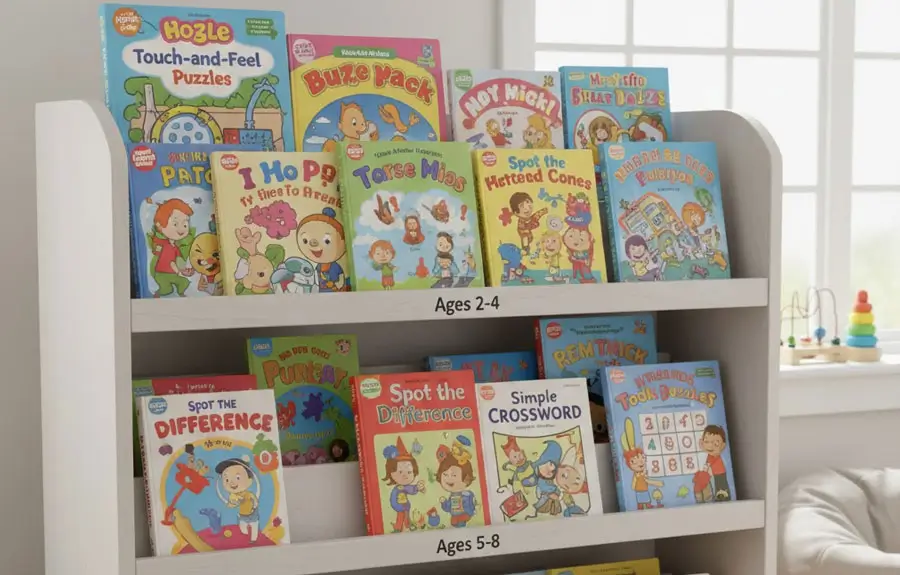
Parents should select sticker books that match their child’s age and skill level.
For ages 2–3:
For ages 3–4:
For ages 4–6:
Choosing age-appropriate sticker books ensures kids feel challenged but not overwhelmed.
Parents can enhance the learning experience by:
The goal is to support creativity while ensuring the child feels confident and happy.
Yes, they support motor skills, focus, logic, creativity and vocabulary.
Kids as young as 2 years can begin with simple sticker books.
Peeling and placing stickers strengthen finger muscles required for writing.
Absolutely, they offer engaging hands-on learning.
Yes, the step-by-step activity teaches discipline and focus.
Most children’s sticker books use non-toxic adhesive and safe materials.
Matching stickers to outlines strengthens logical and visual skills.
Minimal guidance helps; allow kids to explore independently.
Yes, open-ended sticker scenes boost imagination.
Some books use reusable stickers; others are single-use.

We offer fast delivery.

We offer E-Gift Cards.

Dedicated 24/7 support.

100% secure payment.

 My Order
  0
0