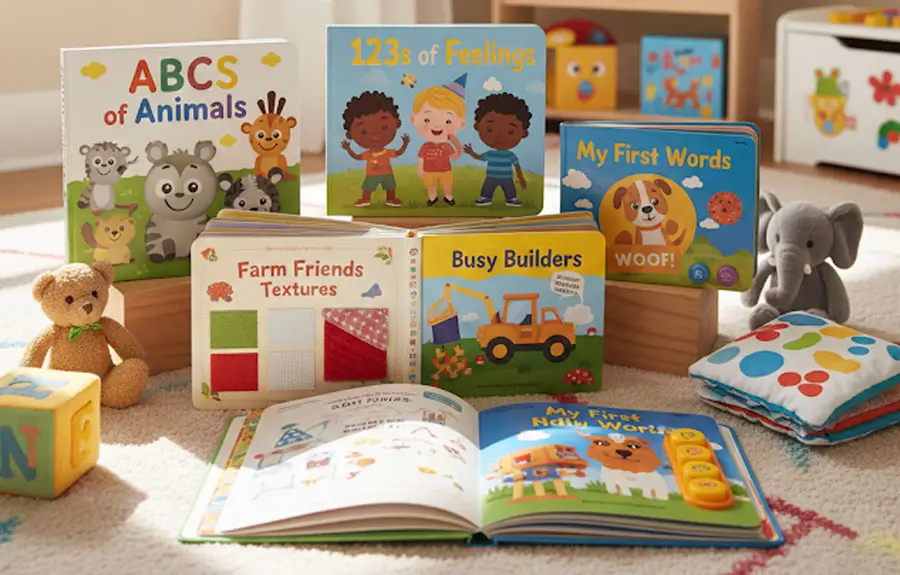
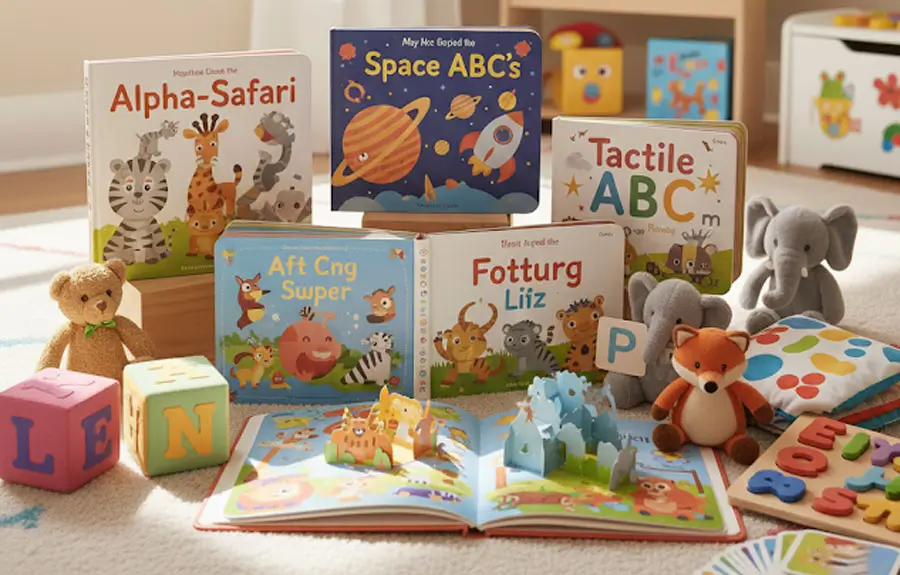
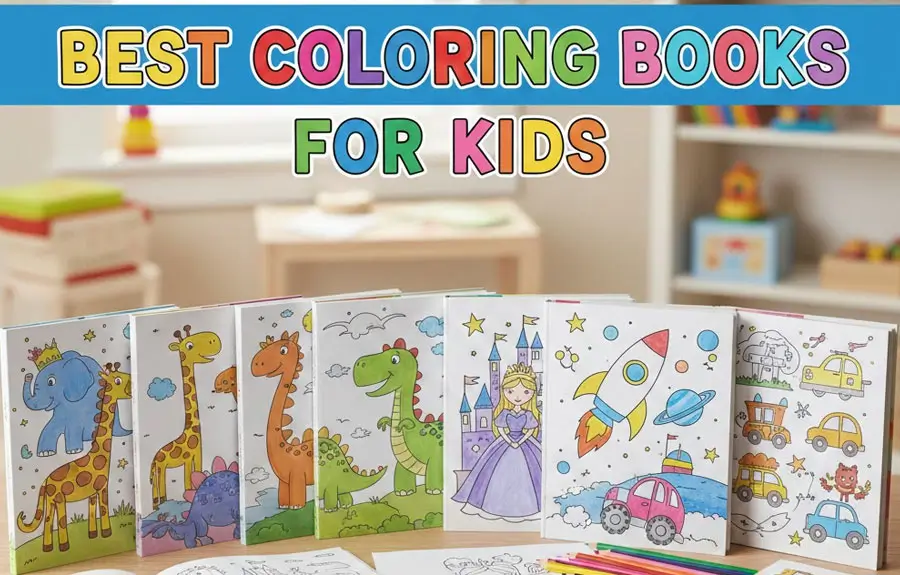
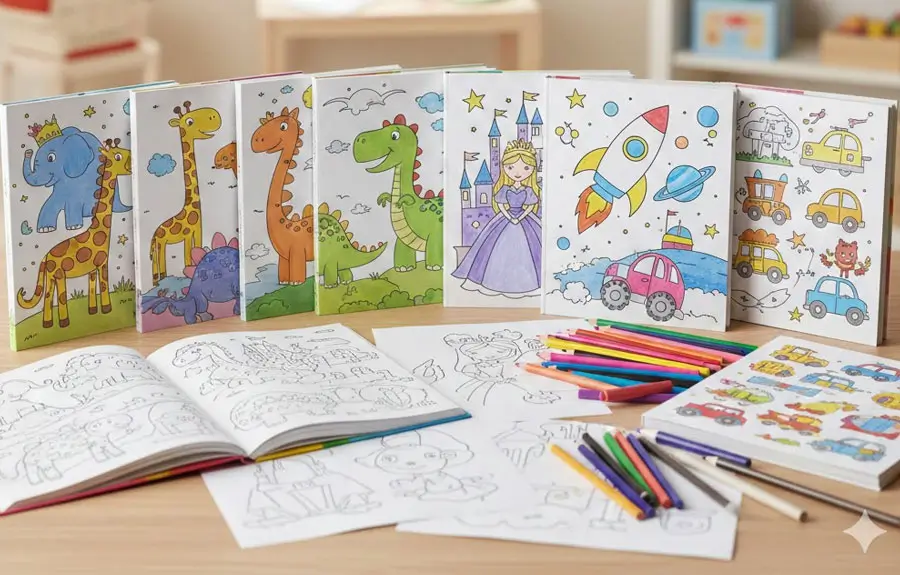
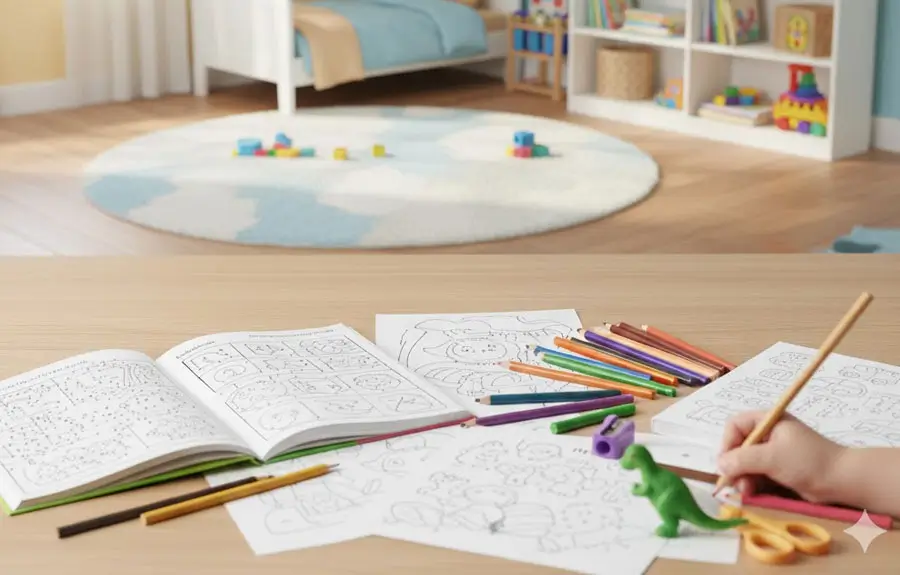
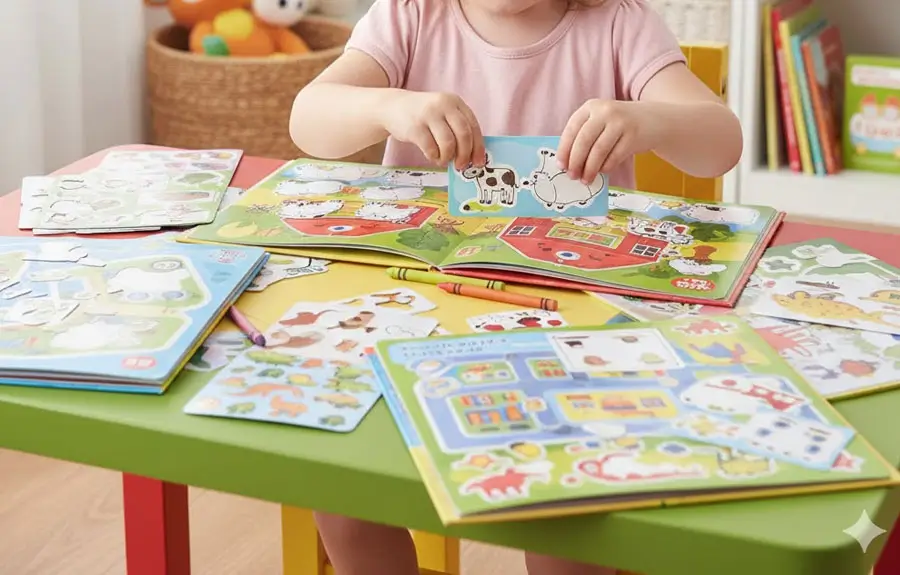
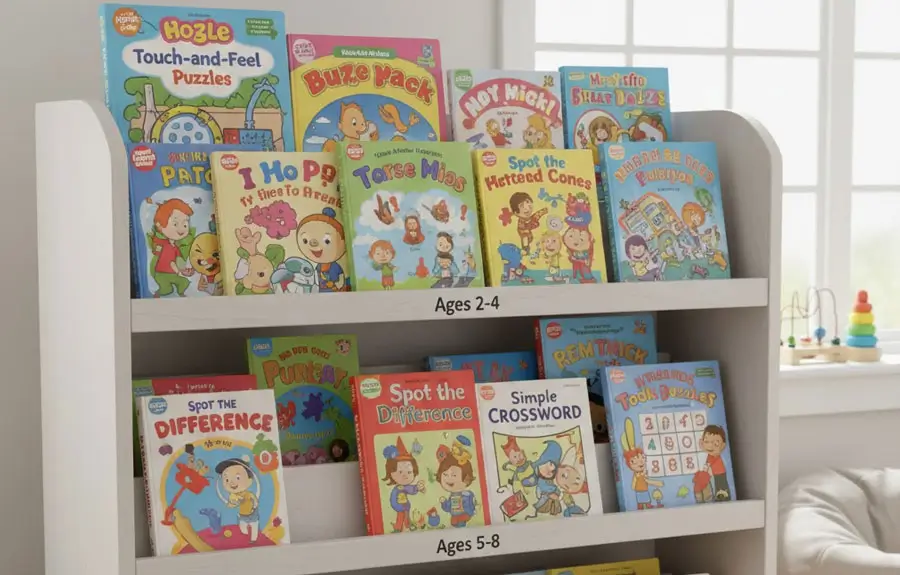
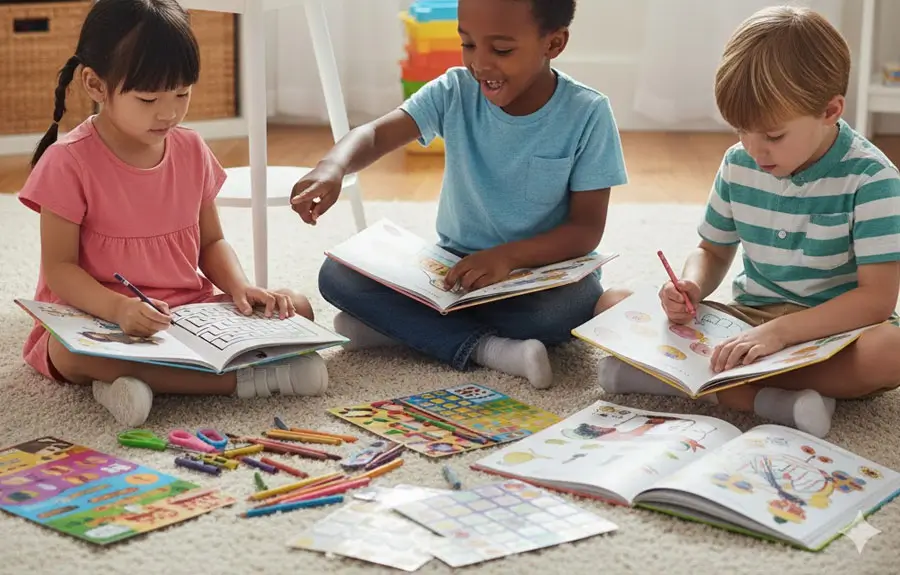
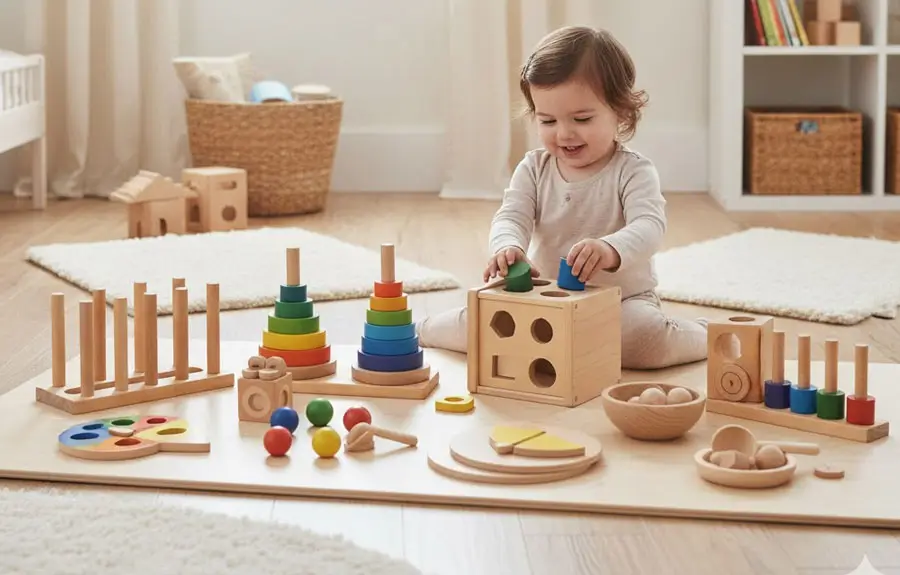
Early childhood is a stage where the mind absorbs information at an incredible pace, and the smallest inputs shape the foundation of a child’s future learning abilities. Toddlers in the age group of 0–3 years develop cognitive, emotional and sensory abilities rapidly, and the right environment can strengthen their natural curiosity, communication skills and early understanding of the world. In this stage, books become more than just colourful pages — they become tools for bonding, learning, exploration and gentle stimulation that shape a toddler’s earliest interactions with language and visuals.
Parents often wonder which type of books they should introduce first, how early learning books support child development and how they can ensure their child benefits from reading during formative years. Early learning books provide a gentle approach to introduce letters, numbers, objects, colours and new concepts without overwhelming a toddler. The softness of illustrations, the clarity of layout and the recognisable visuals help toddlers connect real-world objects with printed images, strengthening recognition skills. As toddlers begin to understand pictures, shapes and actions, their confidence grows naturally.
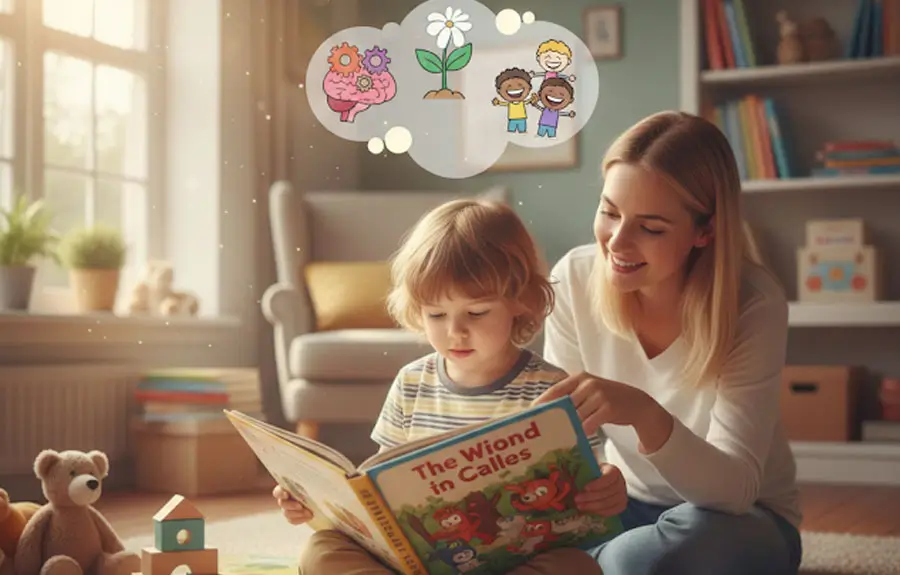
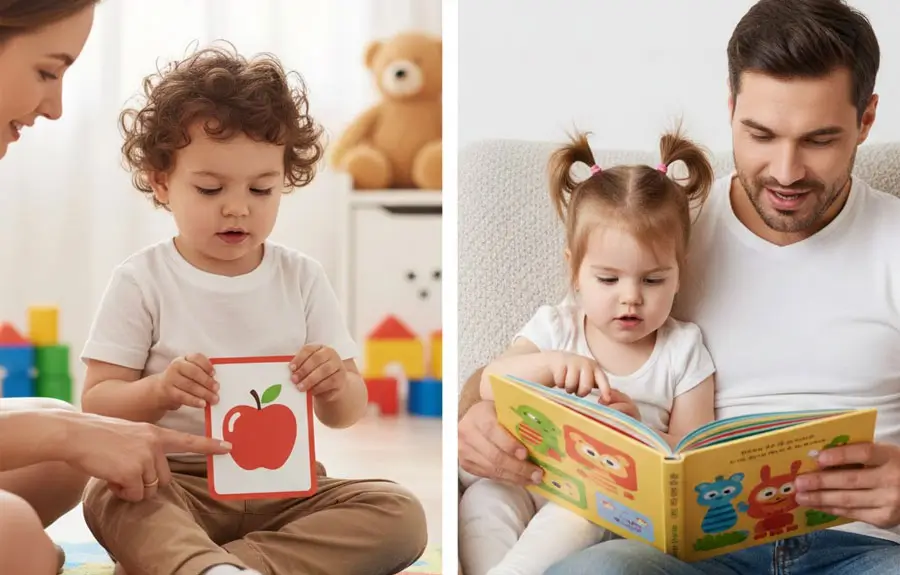
Reading with a toddler is also an intimate bonding exercise. When parents sit close, point to pictures, repeat words and respond to the child’s reactions, it sends strong emotional signals that reading is comforting and joyful. This emotional association makes toddlers more receptive to new information. When toddlers repeatedly hear words while looking at corresponding images, their language pathways become stronger. Over time, their desire to express themselves begins to grow. Early learning books help create the environment where early communication feels natural and effortless.
Books designed for toddlers are more than colourful objects meant to occupy their time. They support structured learning without forcing a child into strict patterns. The best part about early learning books is that toddlers absorb information at their own pace. They are free to observe, point, touch, explore and enjoy the book however they like. Each time they return to the same page, they pick up something new. The flexibility of learning ensures toddlers remain engaged rather than distracted.
These books support language development, visual recognition, memory building, and sensory growth. Toddlers who interact regularly with books develop better vocabulary because they hear more words in meaningful contexts. Books help them practise focus and attention as they learn to observe details on each page. When they flip pages independently, they develop fine motor skills and hand–eye coordination. Books featuring textures and touch elements trigger sensory development that strengthens their understanding of how different surfaces feel.
When toddlers listen to stories or word prompts, they begin forming mental associations. As parents point at pictures or ask simple questions, toddlers learn to express themselves through gestures, sounds or words. This response-building process strengthens cognitive development. Early learning books help toddlers identify animals, fruits, family members, vehicles, shapes and daily objects, creating familiarity with everyday surroundings. Such early exposure helps toddlers feel confident when they enter preschool, as many concepts are already familiar.
Parents often get confused when choosing books for toddlers, because the market is full of varieties. A high-quality toddler book always has clear illustrations, recognisable objects, large text and a structured flow. Toddlers respond well to bright colours and clean shapes because these visuals stimulate interest without overstimulating the senses. Books for toddlers should have sturdy pages which they can turn independently without tearing.
Books that include real-life images or simple drawings help toddlers relate better to the content. When toddlers see objects they recognise — such as a ball, apple, cat, cup or shoes — they automatically begin associating words with visuals. This forms the base of early vocabulary. Books with repetitive patterns or single-word labeling help toddlers understand new concepts without confusion. The best toddler books avoid clutter because minimal design ensures clarity.
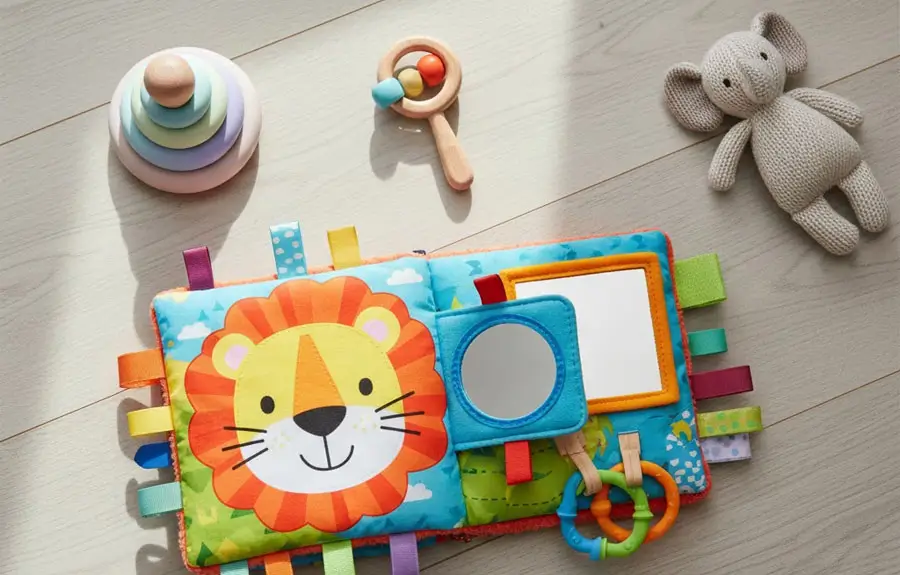
Another important quality is the engagement factor. Books with interactive elements such as flaps, textures, simple actions or mirror pages are highly effective because they invite toddlers to participate. Participation creates excitement, and excitement reinforces learning. Books that allow toddlers to point, touch or imitate sounds build involvement and make reading enjoyable. Ultimately, the best toddler books are the ones that keep a child returning to them again and again.
Alphabet books introduce toddlers to the world of letters through structured and engaging visuals. These books usually present each letter with a simple illustration, making it easier for toddlers to recognise both the symbol and its associated object. The repetitive format allows toddlers to remember letters without formal instruction. For example, the presence of A for Apple, B for Ball and C for Cat builds natural familiarity.
Alphabet books help create early literacy awareness. Toddlers begin to understand that symbols hold meaning, and these symbols eventually become part of written language. As toddlers flip through pages, they begin to form mental images of letters based on shape, colour and association. This connection lays the groundwork for future reading and writing abilities.
Parents can use alphabet books as interactive tools. Instead of simply reading, they can ask toddlers to point at objects, repeat letter sounds or imitate actions. When parents exaggerate letter sounds or create small games around them, toddlers enjoy the learning process. Alphabet books with bold typography and clean layouts are especially beneficial because toddlers visually absorb shapes before they start recognising the letters themselves. Books with clear associations help toddlers internalise patterns more easily, supporting stronger literacy development.
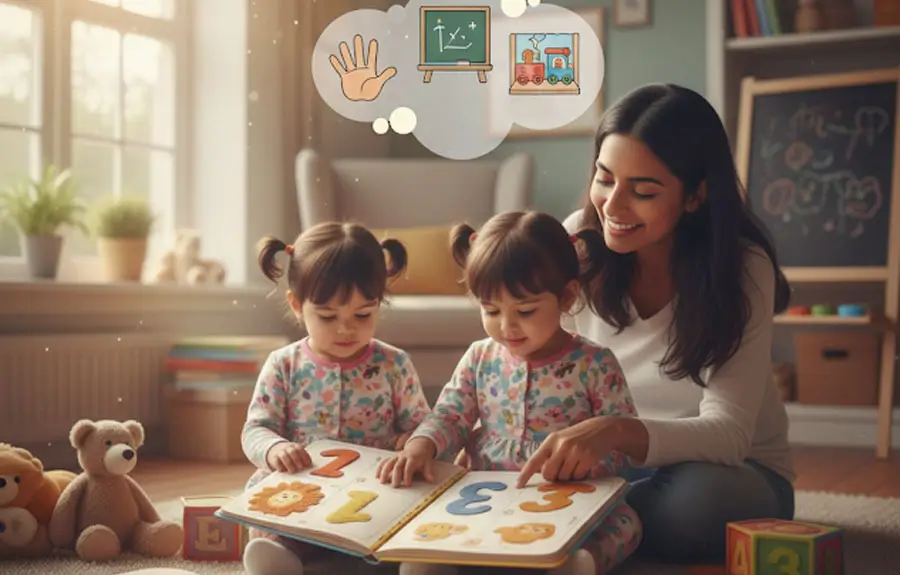
Number learning books introduce toddlers to basic counting through visuals and age-appropriate illustrations. These books are not about teaching mathematical calculations but about helping toddlers recognise quantities, patterns and symbols. Toddlers first learn to identify numbers by shape and gradually begin connecting them with groups of objects. When they see three apples or five balloons on a page, they begin linking images with numerical concepts.
These books help toddlers develop early logic. The idea of “more”, “less” and “same” begins forming naturally as toddlers observe grouped illustrations. When toddlers repeatedly encounter numbers in books, their curiosity grows, and they start practising counting with toys, fingers or objects around them. This natural curiosity is the foundation of early numeracy.
Parents can enhance learning by counting objects aloud while flipping pages, encouraging toddlers to follow along. When toddlers point to items and attempt to count, even if incorrectly, it strengthens their confidence and cognitive association. Books with big numbers, colourful designs and neat layouts offer clarity, making it easier for toddlers to adapt to counting patterns. Number books act as an early gateway to logical thinking and structured learning.
Picture books are among the most powerful learning tools for toddlers. They stimulate visual pathways and help toddlers understand the world through imagery. Toddlers cannot yet process long sentences, but they can interpret expressions, colours, shapes and simple scenes. Picture books introduce them to everyday objects, animals, actions, emotions and familiar surroundings in an easy-to-understand manner.
Picture books help toddlers develop observation skills. They begin recognising similarities and differences between objects, noticing details in illustrations and forming early comparisons. Books featuring family scenes, park visuals, animals or household activities teach toddlers the social environment. This gentle exposure helps them feel more confident when interacting with real-world situations.
When parents narrate picture books in expressive tones, toddlers engage emotionally. They observe facial expressions, gestures and reactions, learning emotional cues through visuals. Simple illustrations depicting happiness, surprise or curiosity help toddlers understand feelings. These books also improve listening skills because toddlers follow the storytelling structure. As they observe images repeatedly, memory retention grows stronger. Picture books prepare toddlers for structured learning by enhancing visual memory and comprehension.
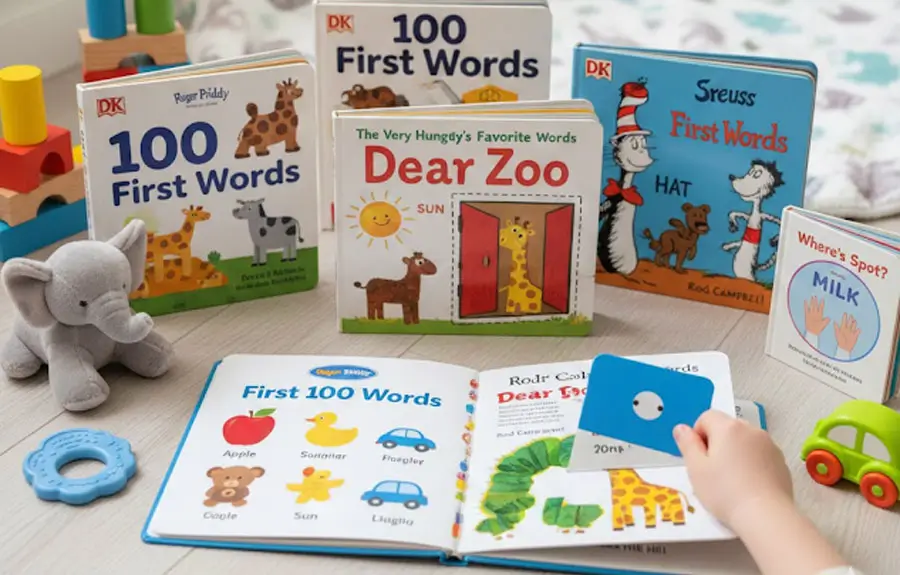
First word books introduce toddlers to a wide range of everyday words in a simple and engaging format. These books usually include objects such as food, animals, colours, toys and daily essentials. When toddlers see these images repeatedly, they begin associating them with real-life objects. Repetitive exposure creates a strong vocabulary base without forcing memorisation.
These books help toddlers understand categories. When they see a page full of animals, they begin grouping similar objects mentally. When they see pages dedicated to fruits, vehicles or colours, they start recognising patterns and associations. This pattern-building process strengthens both language and cognitive development.
Parents play an important role by naming objects aloud and encouraging toddlers to repeat them. Even if toddlers respond through gestures or sounds, it strengthens memory pathways. First word books are ideal for creating early communication habits. Toddlers feel motivated to express themselves because the words are relatable and easy to connect with daily life. This early vocabulary growth builds confidence and supports preschool readiness.
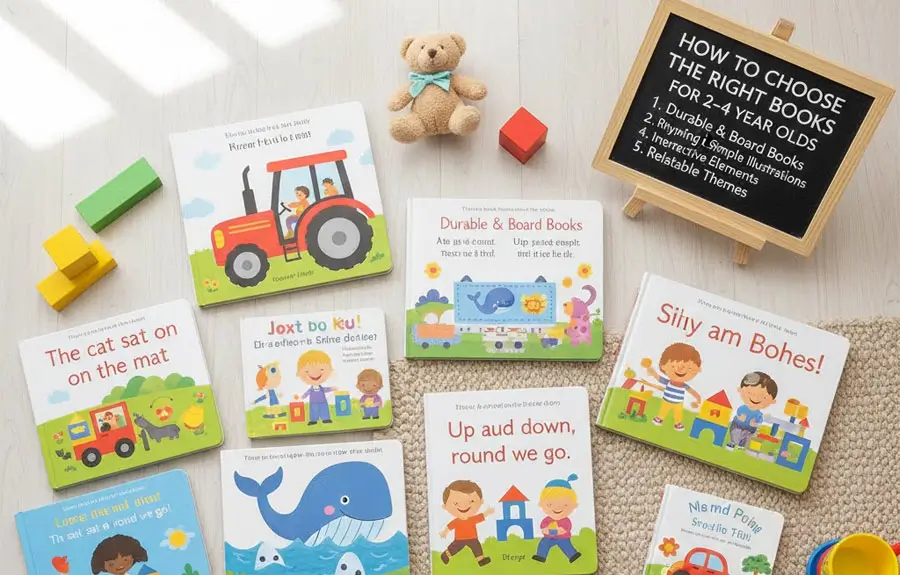
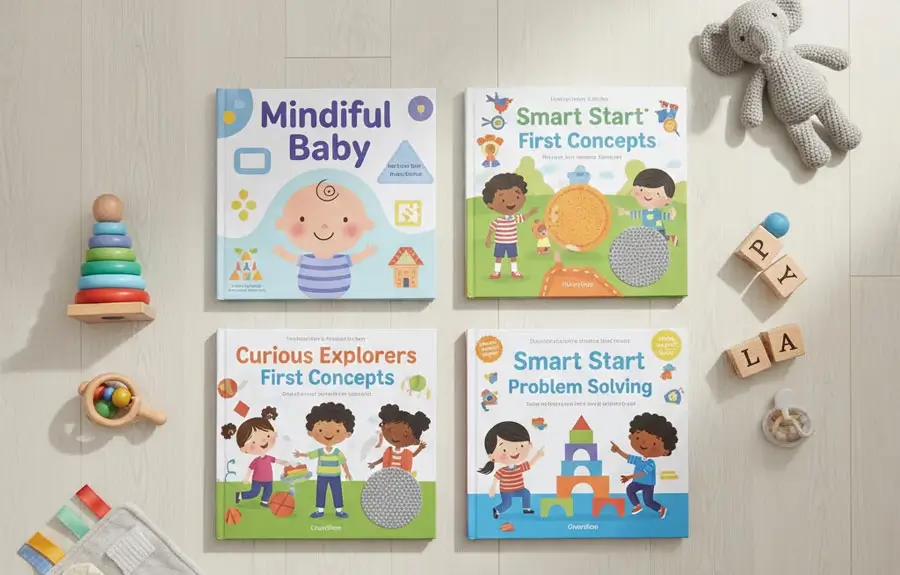
Choosing the right books for toddlers requires attention to their developmental stage. Books for this age should be visually clear, structured and interactive. Toddlers in the 2–4 age range are highly observant, curious and expressive. They enjoy exploring books independently while also appreciating guided reading sessions with parents. Books with sturdy pages help them handle the book comfortably, while bold illustrations maintain their interest.
Books should cover a mix of concepts, including alphabets, numbers, animals, colours and basic stories. Toddlers respond well to categories, and presenting content in groups helps them understand connections. Books with interactive flaps, textures, mirror pages or simple actions such as lift-the-flap features help maintain attention and stimulate curiosity.
When selecting books, parents should consider content clarity, font readability, colour balance and simplicity. Toddlers thrive on repetition, so books with simple and repetitive patterns are highly effective. Books should avoid complexity, as too many details overwhelm toddlers. Selecting books based on the child’s interest — whether animals, vehicles or shapes — makes learning enjoyable. Early learning books chosen thoughtfully create a structured environment for mental growth, emotional development and early education.
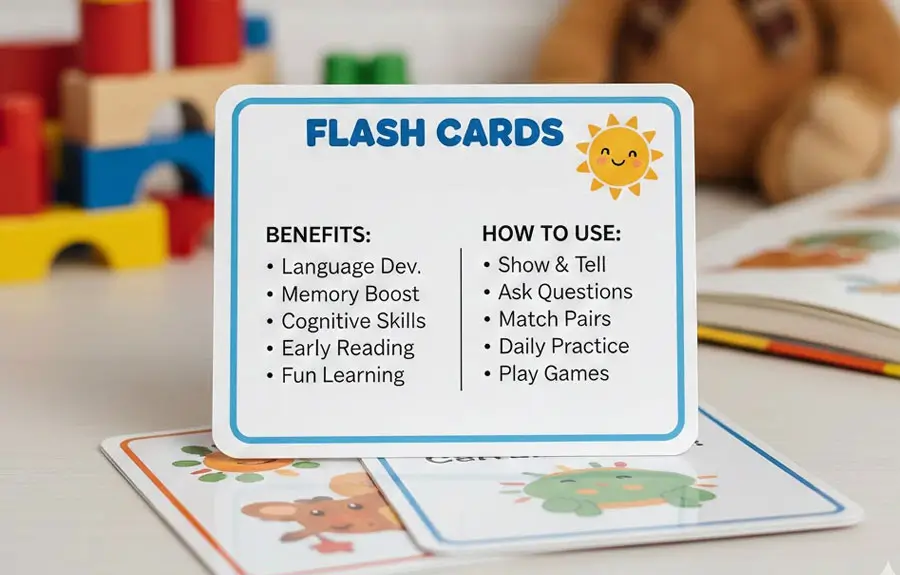
Parents often question whether flash cards or books are more effective for toddler learning. Both resources serve unique purposes and work best when used together. Flash cards offer quick visual exposure, helping toddlers build recognition skills rapidly. They are useful for naming objects, practising memory and encouraging quick responses. Toddlers enjoy the freedom of holding cards, sorting them and identifying images independently.
Books, on the other hand, offer structured learning. They present information in a meaningful sequence, helping toddlers understand context rather than isolated visuals. Books encourage focus and allow toddlers to explore pages at their own pace.
Flash cards are excellent for short sessions, especially when parents want to teach specific words or images quickly. Books provide depth, continuity and imagination. Toddlers benefit the most when parents use flash cards and books together — flash cards for instant recall and books for structured understanding. This combined approach supports both memory and comprehension effectively.
Sensory books are uniquely designed to stimulate toddler senses through textures, shapes and interactive elements. These books invite toddlers to explore pages by touching different surfaces such as soft fur, bumpy textures or crinkly fabric. The tactile experience strengthens sensory pathways and enhances curiosity.
Sensory books introduce toddlers to the idea of exploring through touch, which builds awareness and comfort with different textures. Toddlers enjoy touching pages repeatedly because each surface offers a new sensation. These books also improve focus, as toddlers remain engaged while feeling and observing the visuals.
The combination of sensory input and simple illustrations enhances comprehension. Sensory books are especially helpful for toddlers who need additional support in developing motor skills or sensory awareness. By feeling surfaces, turning sturdy pages and interacting with the book, toddlers develop emotional comfort and curiosity. Sensory books are among the most effective early learning tools for interactive engagement and exploration.
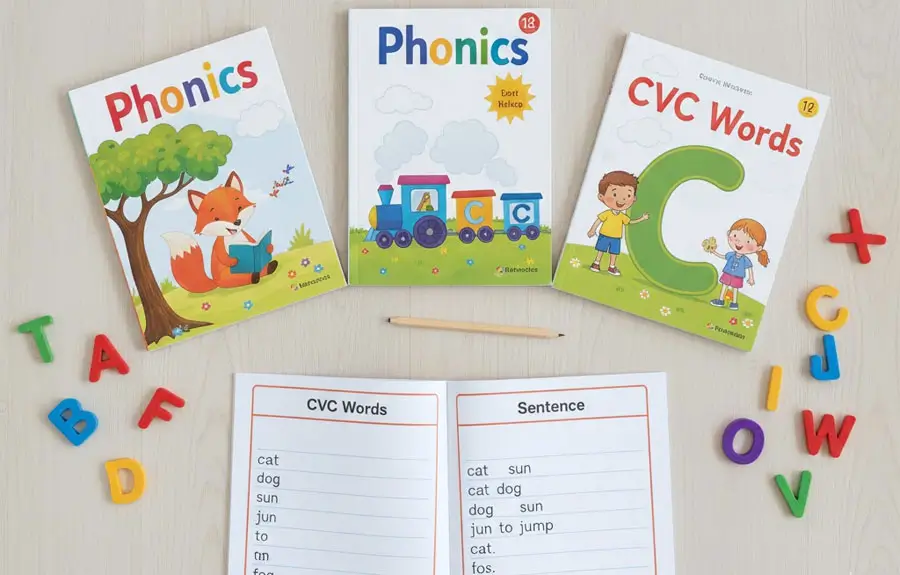
Phonics books introduce toddlers to the sounds of letters, helping them recognise how language forms. These books use repetition, pictures and simple sound cues to teach early sound association. Toddlers begin understanding that words break into smaller sound units, and these units help form complete words.
Phonics books encourage toddlers to practise listening skills. When parents emphasise sound patterns, toddlers naturally attempt to imitate them. The process builds early speech clarity and sound recognition. Bright illustrations paired with phonetic sounds strengthen memory and association.
These books are particularly effective for children entering early kindergarten learning. Sound recognition improves vocabulary, pronunciation and reading readiness. When toddlers begin identifying familiar sounds in daily conversations, it reinforces their learning. Phonics books provide structure that prepares toddlers for future reading skills by making sound learning enjoyable and interactive.
Toddlers benefit greatly from books that challenge their observation, problem-solving and memory skills. Brain development books include simple puzzles, pattern recognition activities, matching exercises and visual challenges designed to stimulate cognitive functions. Toddlers learn to identify similarities, spot objects, recognise shapes and understand simple logic through these books.
These books help toddlers practise concentration. The ability to focus on a page, find objects or observe patterns strengthens mental discipline. As toddlers attempt to solve simple tasks, their confidence grows. Even when toddlers do not complete an activity perfectly, the process itself enhances neural connections.
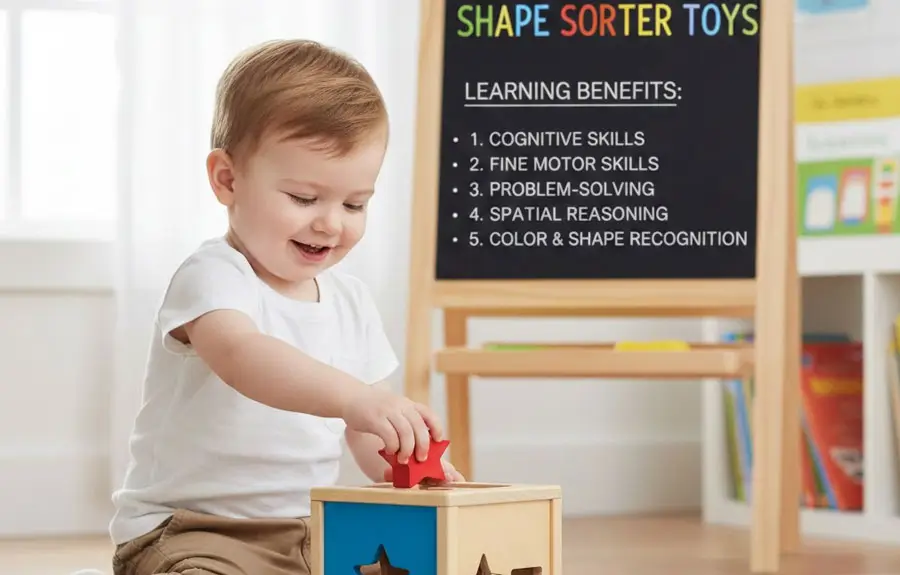
Books featuring matching exercises help toddlers understand relationships between objects. Visual puzzles build analytical thinking, while shape recognition strengthens early geometry understanding. Toddlers enjoy the thrill of discovery, and each successful attempt builds motivation. Brain development books encourage toddlers to think independently, observe deeply and use logic naturally.
Early learning books can be introduced from infancy, and toddlers respond well as they grow.
Picture books provide strong visual foundations, but a mix of alphabet, number and sensory books is more effective.
Using expressive voices, asking simple questions and allowing toddlers to point or touch keeps them attentive.
Sensory books help develop tactile skills and curiosity, making them beneficial for most toddlers.
Flash cards support recognition, but books offer context, making both useful together.
Short and frequent sessions of 10–15 minutes daily work best.
First word books and phonics books support early speech development.
Books designed for toddlers use baby-safe materials that are suitable for touch exploration.
Number books simplify counting and visual understanding, helping toddlers adapt naturally.
Brain development books with simple puzzles, patterns and matching activities enhance thinking.

We offer fast delivery.

We offer E-Gift Cards.

Dedicated 24/7 support.

100% secure payment.

 My Order
  0
0