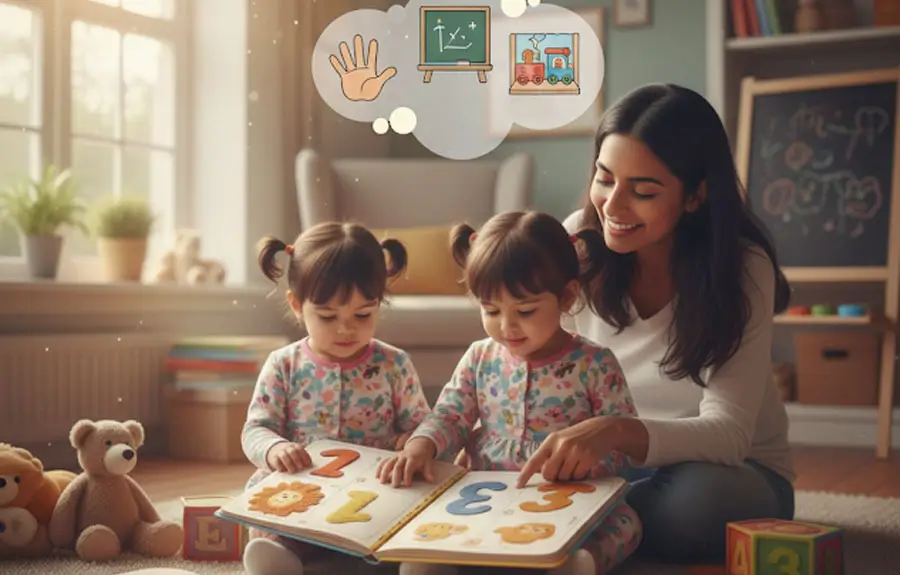
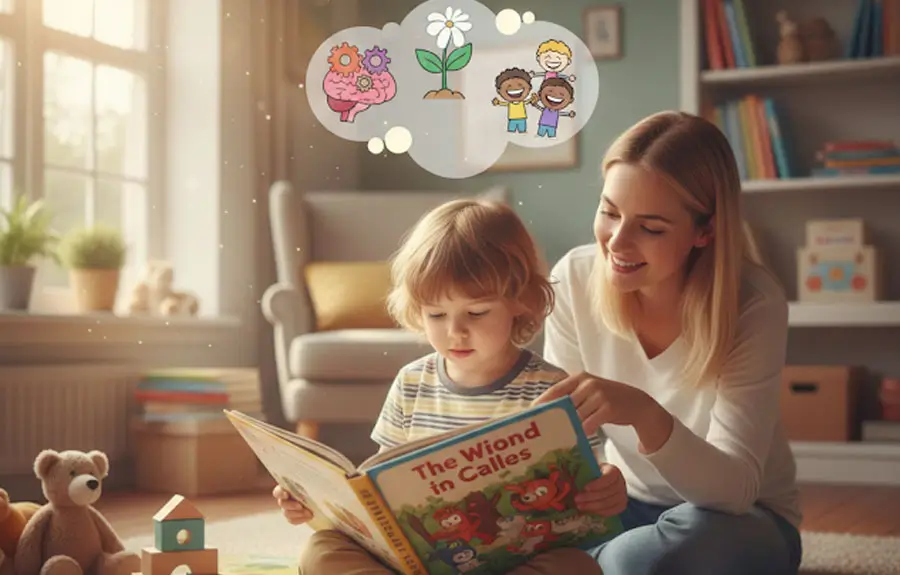
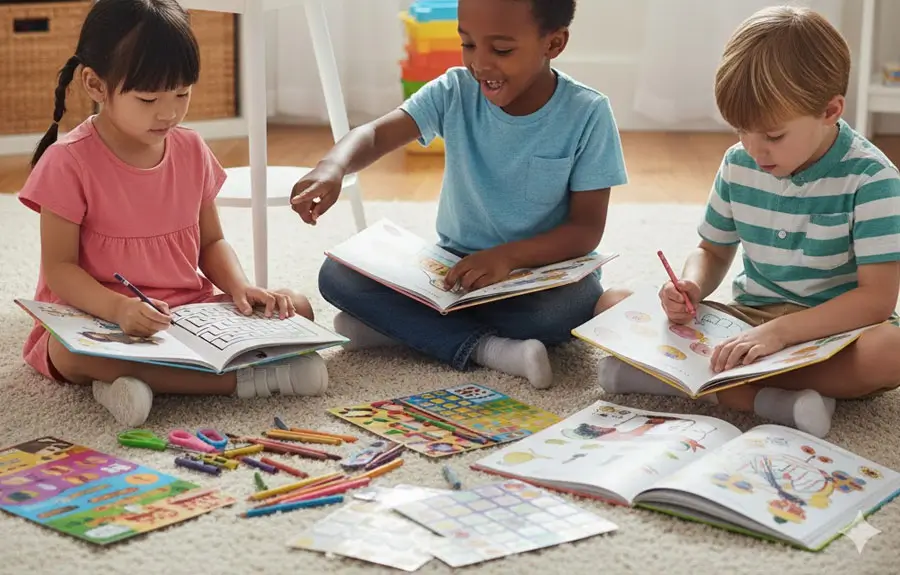
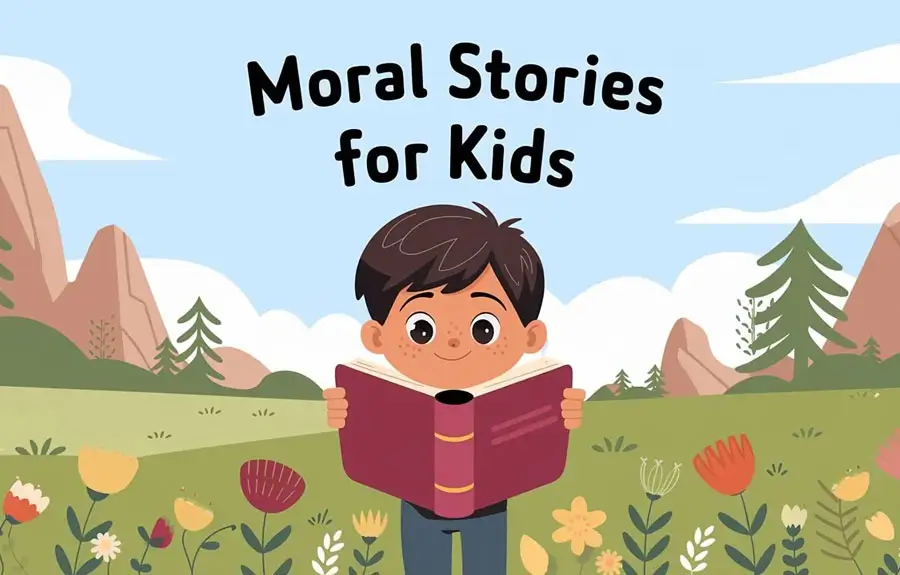
Moral story books play an essential role in shaping a child’s character during early childhood. Ages three to seven is a highly influential stage when children begin understanding right and wrong, kindness, honesty, sharing, empathy, responsibility and emotional awareness. Moral story books for kids introduce these values through simple storytelling, relatable characters and meaningful messages. These stories help children understand everyday situations and guide them toward making thoughtful choices in real life.
For young children, stories are more than entertainment. They learn through characters that mirror their emotions, challenges and behaviour. When a character apologises, helps a friend, shows courage or admits a mistake, children absorb these lessons gently. The power of storytelling lies in how naturally it influences emotional growth. Kids connect deeply with stories, which makes moral learning effortless and enjoyable.
Moral story books also strengthen imagination, language skills, listening ability and concentration. They help children express emotions, understand different perspectives and communicate better with others. Reading moral stories regularly builds a foundation for lifelong values, positive habits and emotional intelligence. These stories create memories that stay with children even as they grow older.
Children in this age group are curious, observant and highly impressionable. They mimic behaviour, copy tone and respond strongly to visual and emotional cues. Moral story books expose them to positive behaviour in a manner that feels natural rather than instructional.
Moral story books help children:
These early-year values shape how children treat friends, respond to challenges and express themselves. Moral stories add meaning to daily life experiences and give children tools to handle emotions constructively.
Character building begins long before formal schooling. Children observe behaviour around them, but stories expand this understanding by showing emotional journeys. When a character faces a challenge or makes a mistake, children recognise similar patterns in their own lives.
Moral story books help children develop:
Each story highlights a different virtue through situations children encounter daily. These repeated messages create strong internal values that guide behaviour and decision-making.
Children between three and seven often struggle to understand emotions. They feel happiness, sadness, fear, excitement and confusion, but they lack the vocabulary to express these feelings. Moral stories help them identify emotions through characters.
When children see a character feeling lonely, scared, shy or proud, they learn how to recognise and express these feelings themselves. This emotional awareness improves communication and reduces frustration. Stories also help children handle sensitive situations such as jealousy, sharing, losing a toy or dealing with disagreements.
Moral stories teach children that emotions are normal and manageable, which supports long-term emotional health.
Listening to stories and reading books helps children build strong vocabulary and language foundations. They learn new words, sentence structures and expressions naturally. Story books improve pronunciation, grammar and fluency without formal teaching.
Children learn descriptive language that enhances imagination. When they retell stories, they practise sequencing, memory, clarity and communication skills. Story repetition strengthens word recall and deepens understanding.
Moral story books expand a child’s verbal ability and prepare them for school-level comprehension.
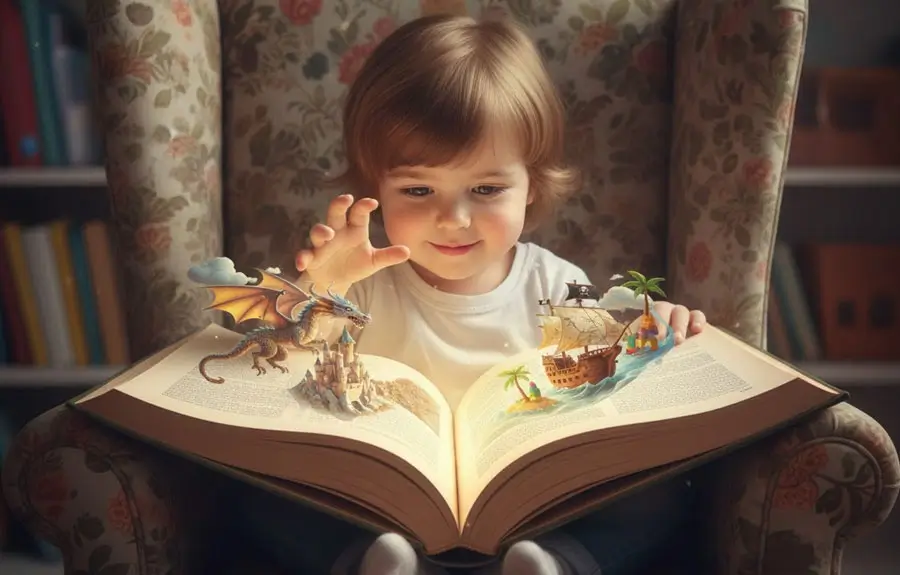
Stories spark imagination. They take children into magical worlds filled with animals that talk, forests that glow, clouds that travel, stars that guide and characters that face exciting adventures. This rich imagery strengthens creativity and abstract thinking.
Imagination is essential for problem-solving and cognitive flexibility. When children imagine alternate endings, new characters or their own versions of the story, they develop creativity naturally. Story-based imagination influences art, drawing, writing, dramatic play and independent thinking.
Moral stories cultivate creativity while embedding valuable messages.
Children learn how to behave by watching others. Story books act as gentle guides that show real-life behaviour through fictional situations. Kids learn how to share, apologise, cooperate, wait patiently and treat others with kindness.
Moral story books also teach social problem-solving. Kids learn how to handle conflicts, show empathy, support friends and respect elders. They begin to understand consequences — both positive and negative — through storytelling rather than punishment.
These lessons develop strong social skills that help children adapt confidently in school and peer environments.
Animal-Based Moral Stories
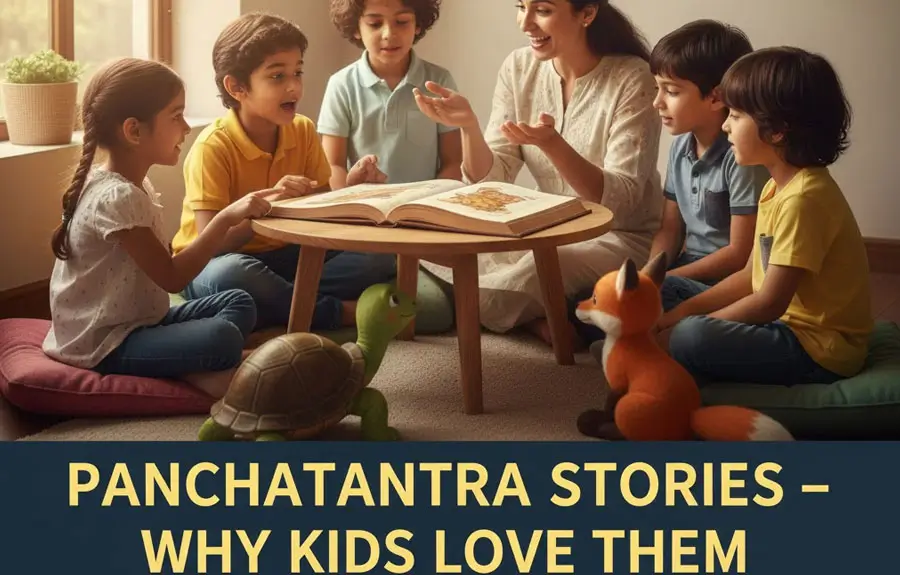
Animals make excellent characters because children relate to them easily. Stories like those inspired by fables teach honesty, responsibility, sharing and respect.
Short Moral Tales with Everyday Situations
Stories based on home, school and playground experiences help children see themselves in similar situations.
Mythological and Cultural Stories (Simplified Versions)
Introduce cultural values, courage, gratitude and strength in simple, child-friendly formats.
Friendship Stories
Show how to trust, support, include and communicate with friends.
Kindness and Empathy Stories
Teach compassion, understanding and helping behaviour.
Honesty-Focused Story Books
Help children understand truth, consequences and integrity.
Courage & Confidence Stories
Encourage children to overcome fear, try new things and believe in themselves.
Good Habit Story Books
Teach cleanliness, manners, sharing, patience, gratitude and responsibility.
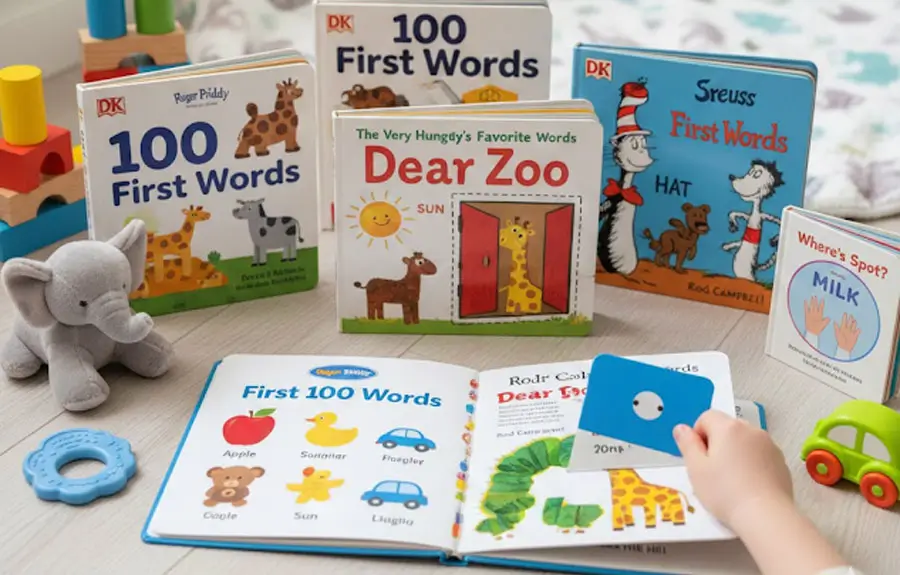
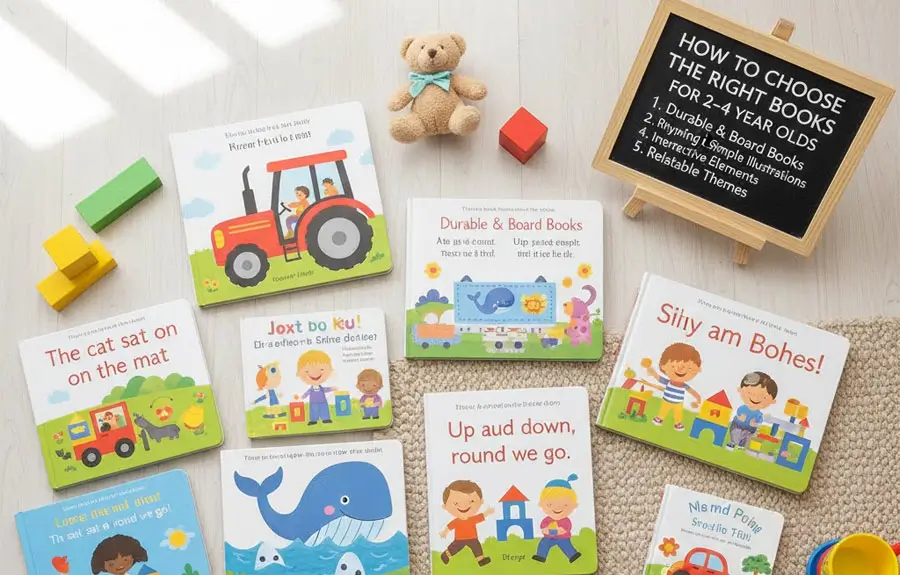
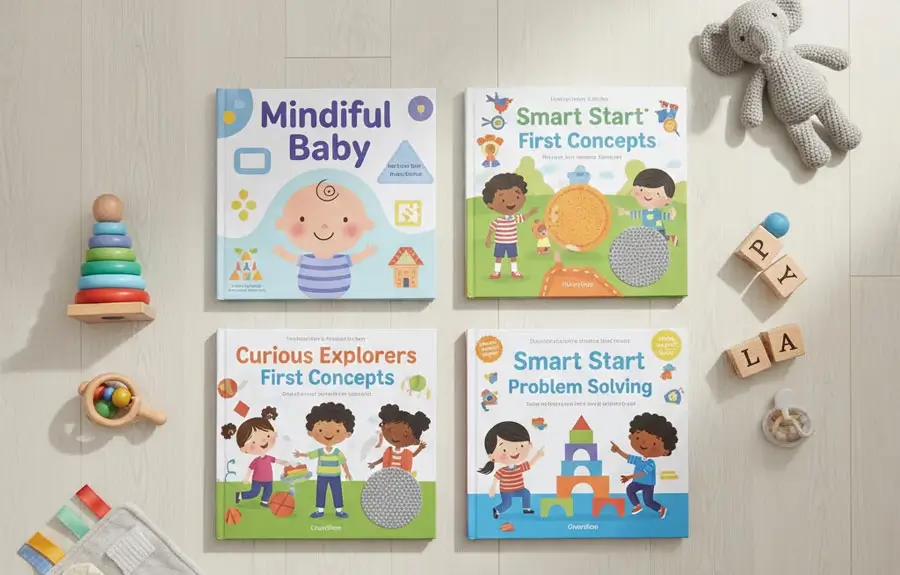
Choosing the right story books depends on a child’s age, reading level and emotional needs. Parents should look for books with simple language, colourful illustrations and meaningful lessons.
Important factors include:
Books should inspire curiosity, not fear. The story should help children understand the moral naturally rather than feeling forced or preachy.
Parents should choose a mix of stories that focus on values, emotions, social behaviour and imagination.
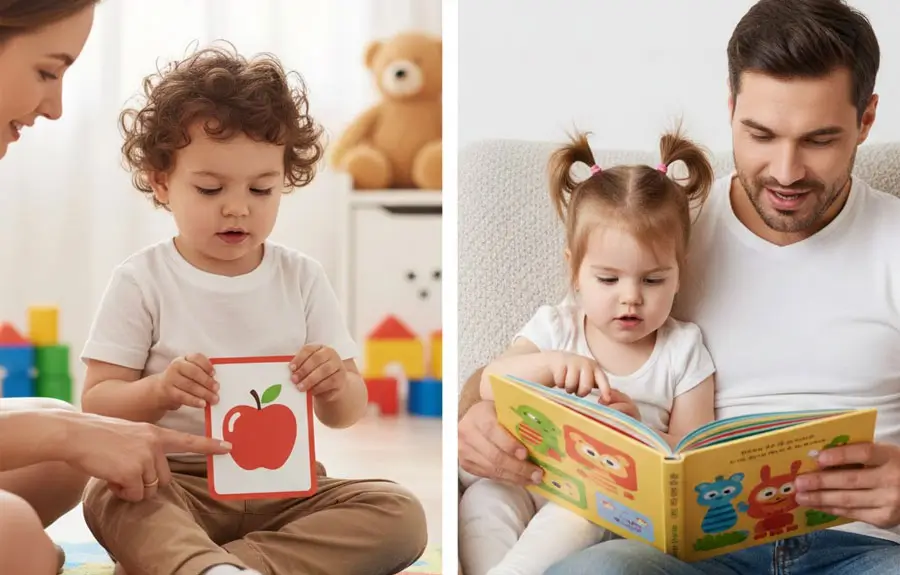
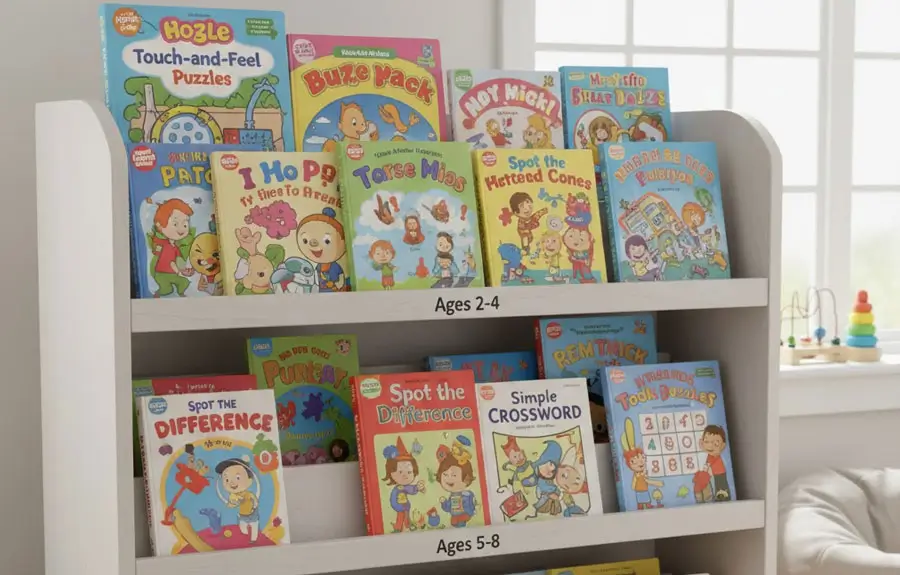
Illustrations play a powerful role in helping children understand stories. Pictures capture attention, simplify the storyline and make emotions easier to recognise.
Visual storytelling helps children:
Colourful illustrations also make reading time enjoyable and encourage children to pick books independently.
Honesty
Kids learn why telling the truth builds trust.
Sharing
Stories teach the joy of giving and including others.
Kindness
Characters show empathy through small acts of care.
Responsibility
Kids see the importance of taking care of things and completing tasks.
Courage
Stories inspire children to overcome fear and try new things.
Gratitude
Characters appreciate what they have and express thankfulness.
Respect
Kids learn how to speak politely and treat others with dignity.
Perseverance
Stories encourage children not to give up easily.
Daily reading strengthens bonding, communication and emotional connection between parent and child. When stories become a routine, children feel safe, understood and loved.
Reading moral stories daily helps children:
Bedtime stories especially create a calm environment that promotes relaxation and gentle emotional learning.
Parents can make storytelling more impactful by asking gentle questions and encouraging children to talk about the story. Instead of explaining the moral directly, allow the child to express what they understood.
Helpful approaches include:
These methods deepen understanding and make moral learning interactive.
Yes, they help children develop character, emotional understanding and social values.
They gently guide children toward positive choices through relatable examples.
Yes, stories expand vocabulary, grammar and expressive ability.
Yes, illustrations help children understand emotions and situations clearly.
Even one story per day creates strong character learning.
They build confidence by showing characters overcoming fears.
Simple values like kindness, sharing and honesty are easily understood.
Yes, children relate to animal characters and learn naturally.
They improve emotional awareness and self-regulation.
It’s better to ask questions and let the child express their understanding.

We offer fast delivery.

We offer E-Gift Cards.

Dedicated 24/7 support.

100% secure payment.

 My Order
  0
0