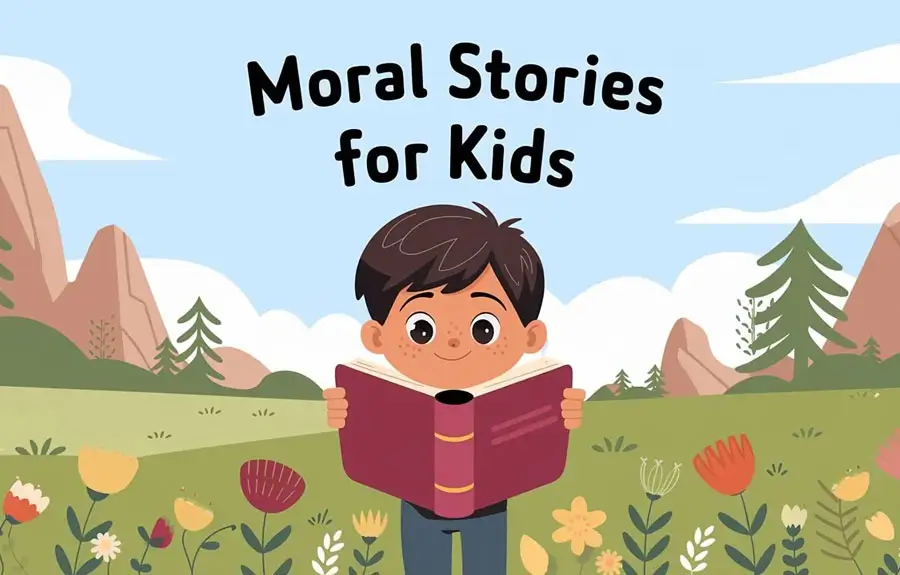
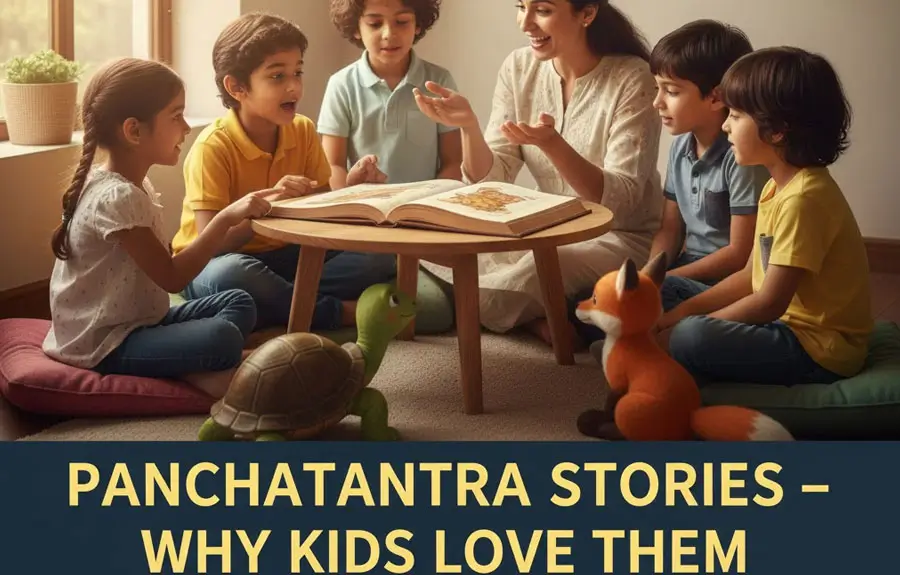
Panchatantra stories are among the oldest and most loved collections of moral tales for children. Their charm has lasted for centuries because they use simple language, strong characters and meaningful situations to teach powerful life lessons. Panchatantra stories for kids combine adventure, intelligence, humour and values in a way that instantly captures the child’s imagination. Whether it is clever animals, magical forests, unexpected twists or emotional moments, these stories guide children through relatable experiences without feeling like lessons.
Children love Panchatantra stories because they are engaging and expressive. Each narrative is built around real-life situations — friendship, honesty, cleverness, greed, bravery and kindness — but presented through animals that act like humans. This creative approach makes the stories easier to understand and emotionally memorable. Kids enjoy the drama, excitement and surprise endings, while parents appreciate the moral clarity and educational depth.
What makes Panchatantra timeless is the balance of fun and learning. Kids feel entertained, yet they absorb important values effortlessly. These stories shape thinking, behaviour and communication in powerful ways, making them one of the best learning tools for early childhood.
Children between three and seven respond strongly to colourful characters, expressive emotions and dramatic storytelling. Panchatantra stories combine all these elements perfectly. The simple structure allows children to follow the plot easily, while the vivid situations spark curiosity and imagination.
Kids love Panchatantra stories because they contain:
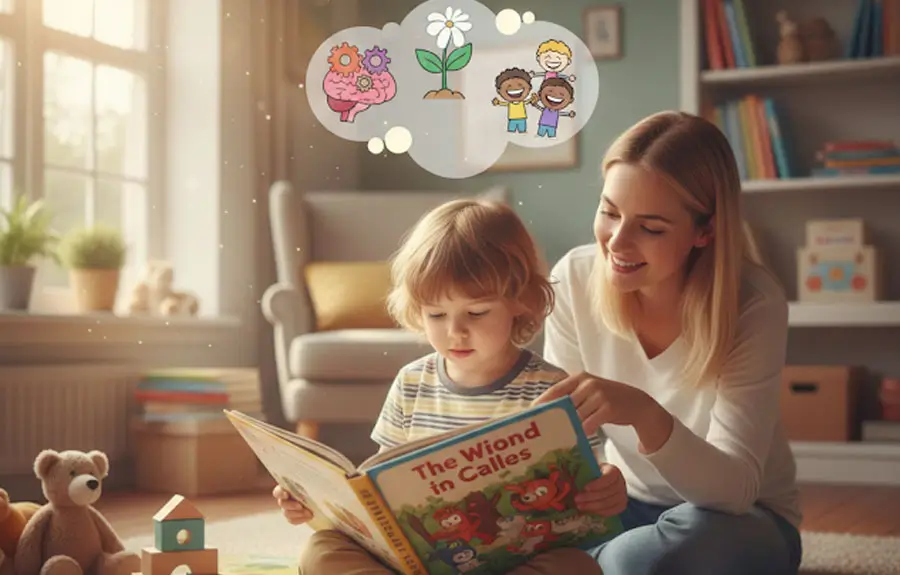
The storytelling style keeps children fully engaged. They feel connected to the characters and often imagine themselves in similar situations. This emotional involvement makes learning deeper and more meaningful.
Animal characters create a world that feels magical yet relatable. Children naturally connect with animals because they appear in everyday life and carry simple traits that are easy to understand — lions represent strength, foxes represent cleverness, rabbits represent quick thinking, turtles represent patience and crows represent intelligence.
When children observe animal behaviour in stories, they learn human values through symbolic representation. This indirect teaching makes moral lessons easier to grasp without overwhelming the child. The use of animals also creates emotional safety; children can analyse behaviour without feeling personally judged.
Through these characters, kids learn empathy, teamwork, bravery and emotional awareness. They understand that actions have consequences and that personality traits influence outcomes in life.
Panchatantra stories are famous for their clear moral messages. The lessons are woven naturally into the storyline, making them easy for children to understand.
These stories teach values such as:
Unlike direct lectures, Panchatantra stories show these values through the actions and decisions of characters. Children observe how good decisions bring rewards and how unwise choices lead to challenges. This indirect learning is highly effective because kids relate to what they see.
The morals stay in the child’s mind long after the story ends, helping shape behaviour and decision-making.
Panchatantra stories take place in colourful settings — forests, rivers, villages, mountains and magical landscapes. These imaginative environments inspire creativity in young minds. Children visualise scenes, characters and actions while listening to the story.
Imagination plays a key role in early learning because it strengthens:
When children imagine a rabbit outsmarting a lion or a clever crow using intelligence, they mentally rehearse problem-solving. This enhances their ability to think creatively in real-life situations.
Emotions are a major part of Panchatantra stories. Characters feel fear, joy, excitement, anger, confusion and pride — emotions that children experience daily but may not understand fully. When children watch characters navigate emotional situations, they learn how to process feelings.
These stories help children:
By watching characters succeed, fail or learn from mistakes, children understand that emotions are normal and manageable. This emotional maturity supports healthy social behaviour.
Panchatantra stories are rich in expressive vocabulary, meaningful dialogues and rhythmic storytelling. Reading or listening to these stories helps children expand their vocabulary naturally.
Language benefits include:
Children also enjoy retelling Panchatantra stories, which strengthens memory, sequencing, fluency and expressive capability. Repeated reading improves pronunciation and confidence in speaking.
Cognitive development involves thinking, understanding, remembering and analysing. Panchatantra stories strengthen cognitive skills by presenting events in logical order. Children follow the sequence from the beginning to the problem and finally the solution.
Cognitive benefits include:
When children anticipate what will happen next or guess why a character behaves a certain way, they sharpen their thinking skills. These early cognitive experiences prepare children for academic learning, especially in reasoning-based subjects.
Children learn social behaviour by watching characters interact. Panchatantra stories show friendships, disagreements, teamwork, misunderstandings and clever negotiations. Children use these examples to understand their own social world.
These stories teach kids to:
The playful storytelling style ensures that these lessons feel light and memorable.
Despite being centuries old, Panchatantra remains relevant because human emotions, choices and moral values do not change. Children still face situations involving honesty, sharing, problem-solving and friendship — the same themes found in ancient Panchatantra tales.
Its timelessness comes from:
Parents love these stories because they align with meaningful values. Children love them because they are exciting, funny, imaginative and easy to follow.
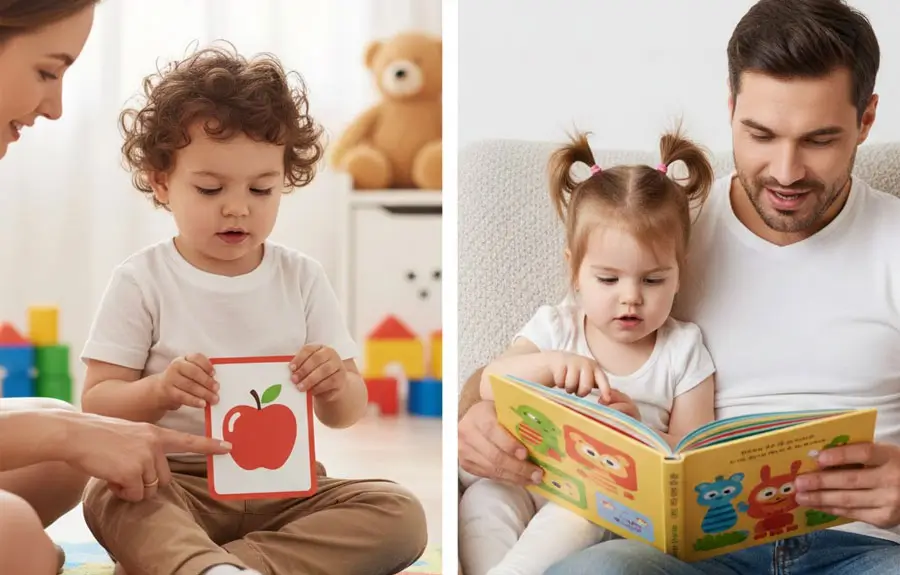
The impact of Panchatantra stories increases when parents participate actively during storytelling. The goal is to create an enjoyable and expressive reading experience.
Parents can:
These methods deepen understanding, encourage conversation and make storytelling memorable.
Cleverness Over Strength
Stories where intelligence wins over physical power show the importance of thinking smart.
Friendship and Loyalty
Characters support each other in difficult times, teaching the value of honest friendships.
Greed and Its Consequences
Stories warn children about the dangers of selfish behaviour.
Teamwork and Unity
Characters work together to solve problems, highlighting the power of cooperation.
Responsibility and Honesty
Clear examples show how truthfulness builds trust and respect.
Regular storytelling sessions help children absorb values naturally. The repetition of morals through different characters strengthens memory and understanding.
Daily Panchatantra reading helps children:
The calm, expressive environment created during storytelling also deepens the bond between parent and child.
They teach important values like honesty, kindness and intelligence through fun and engaging stories.
Yes, their simple structure and colourful characters are perfect for early childhood learning.
They introduce expressive vocabulary and strengthen communication.
The moral lessons guide children towards positive behaviour naturally.
Yes, kids relate better to animals and understand morals easily.
They teach children how to handle feelings like fear, anger, excitement and pride.
Even one story a day creates strong moral learning.
No, the values are universal and benefit children worldwide.
Yes, engaging storytelling keeps kids focused without digital distraction.
It is better to encourage children to express what they learned themselves.

We offer fast delivery.

We offer E-Gift Cards.

Dedicated 24/7 support.

100% secure payment.

 My Order
  0
0