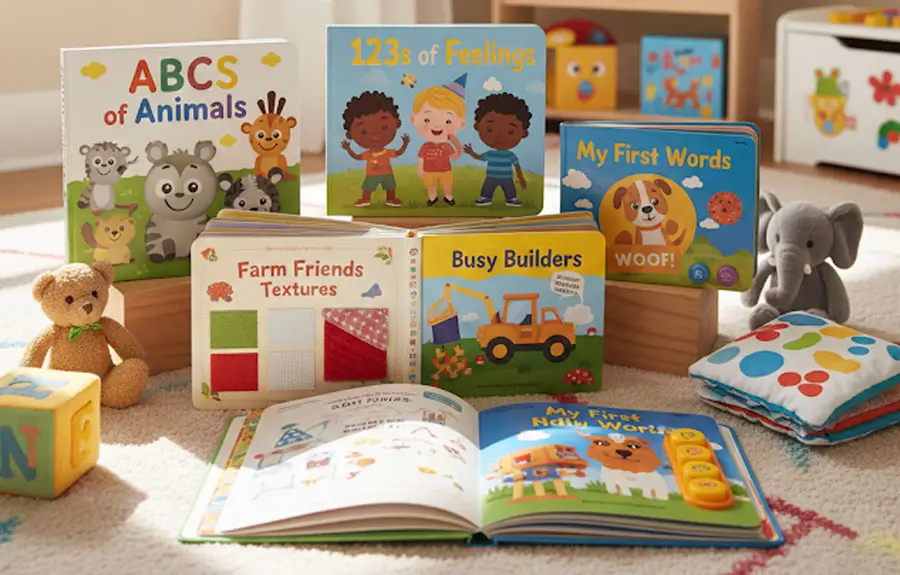
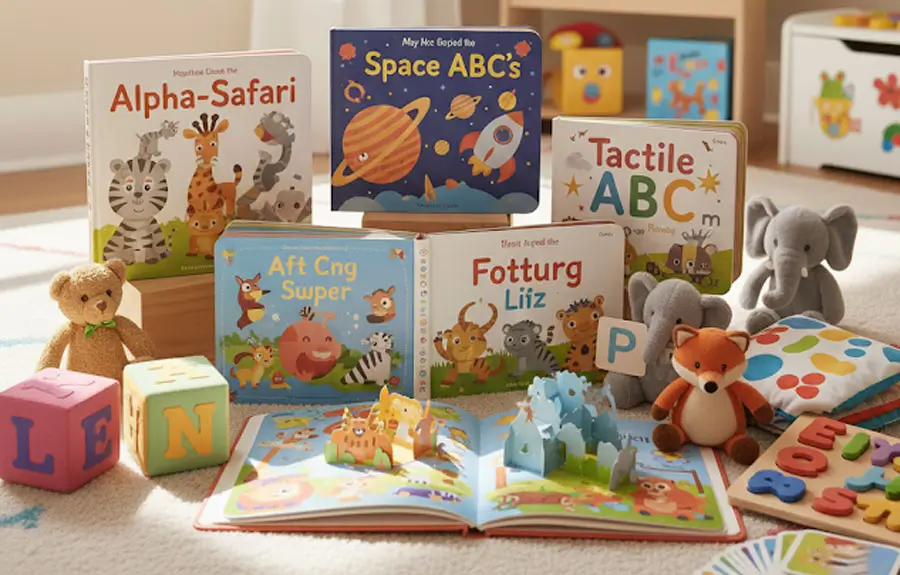
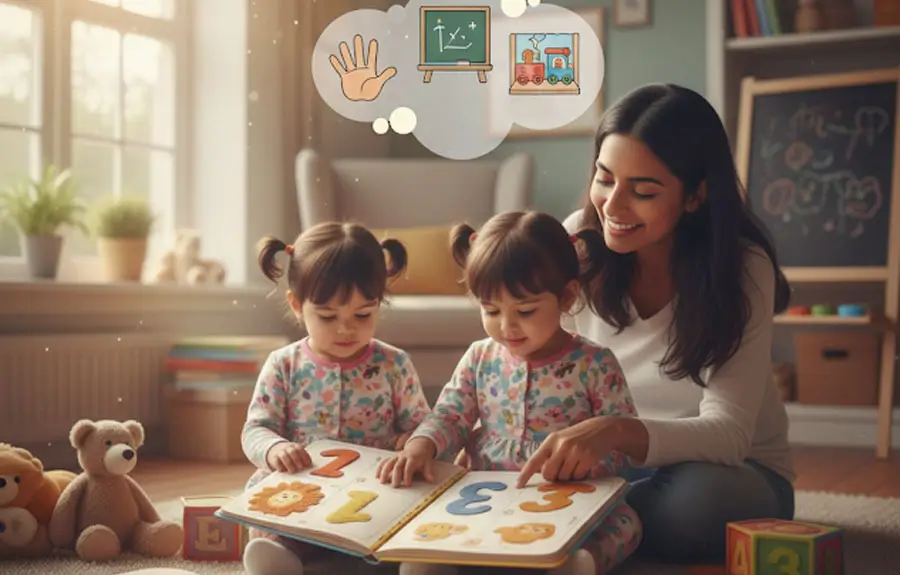
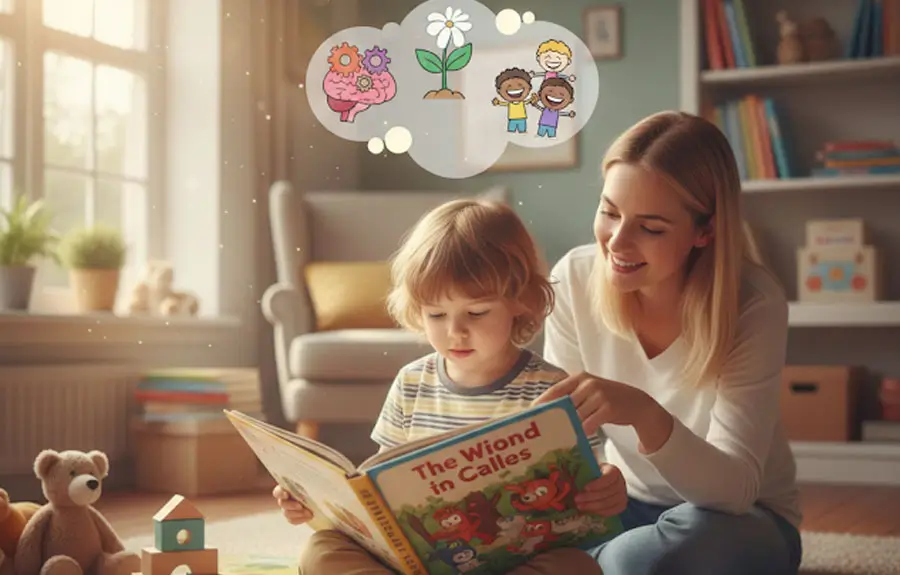
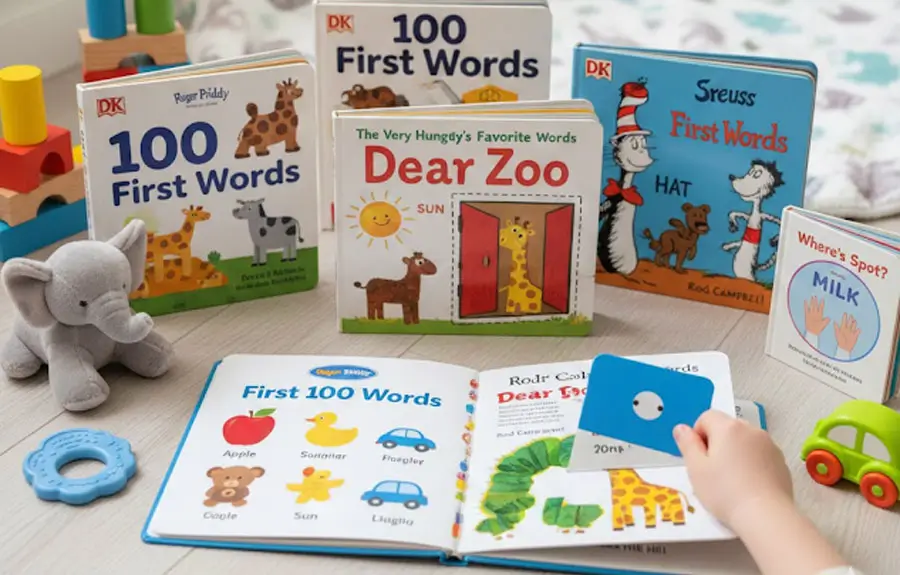
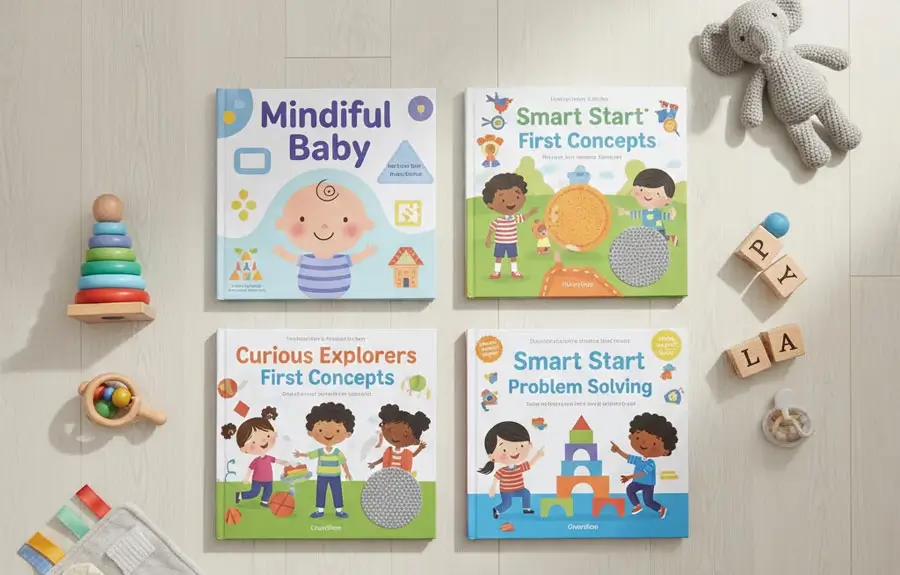
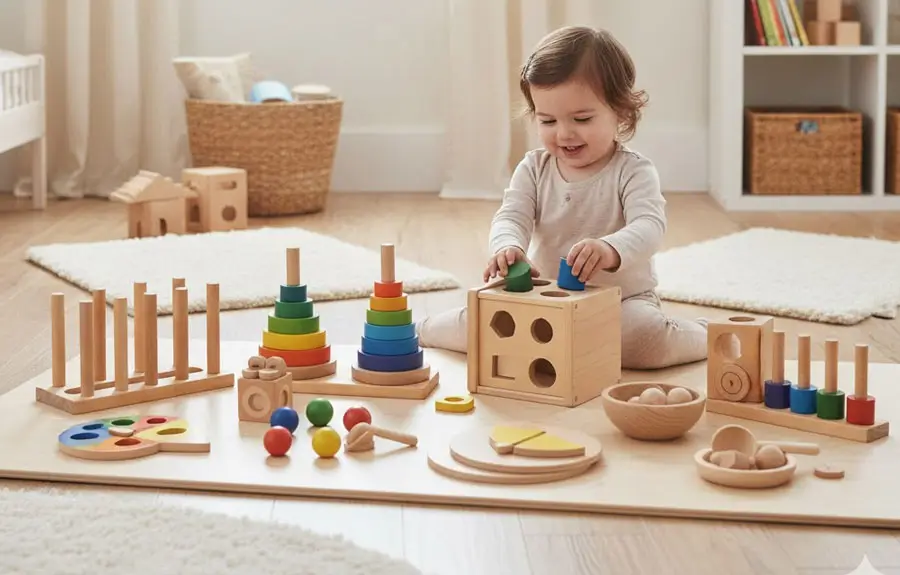
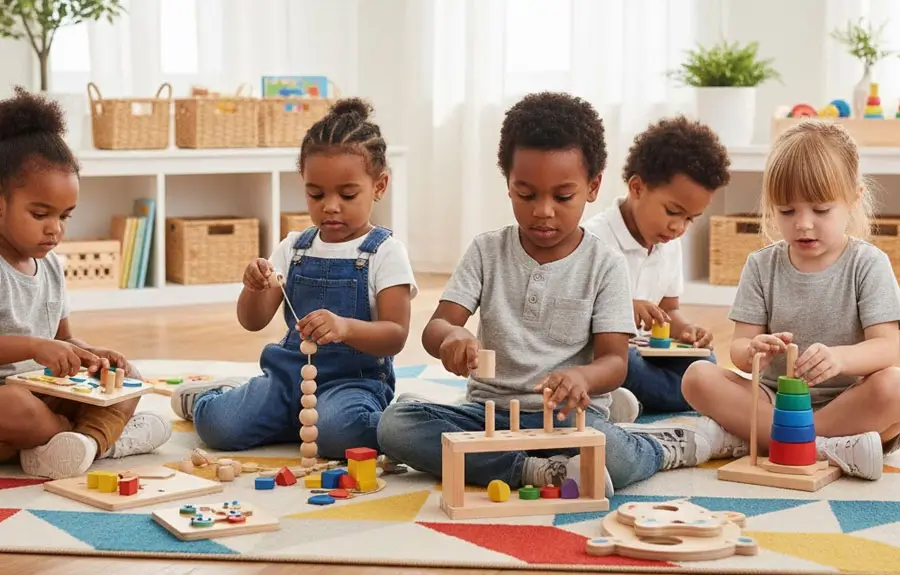
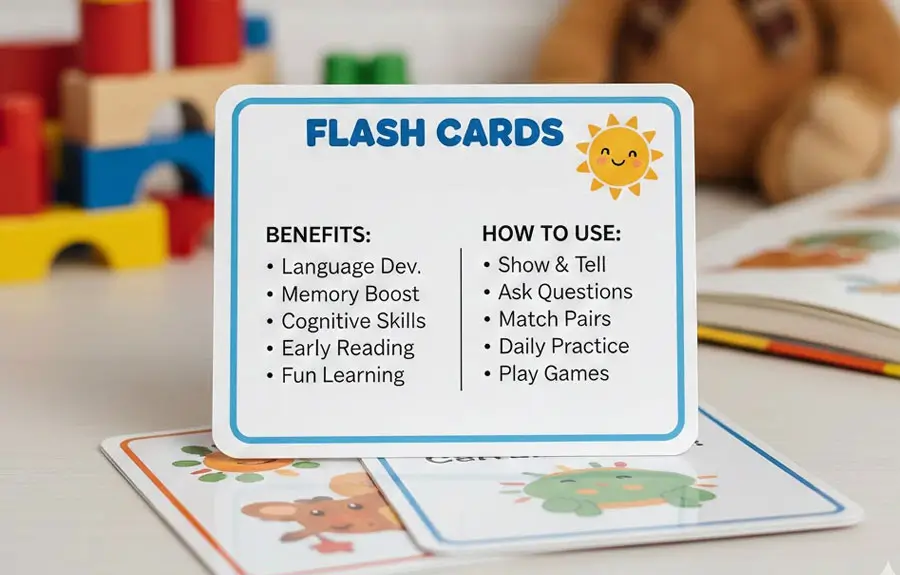
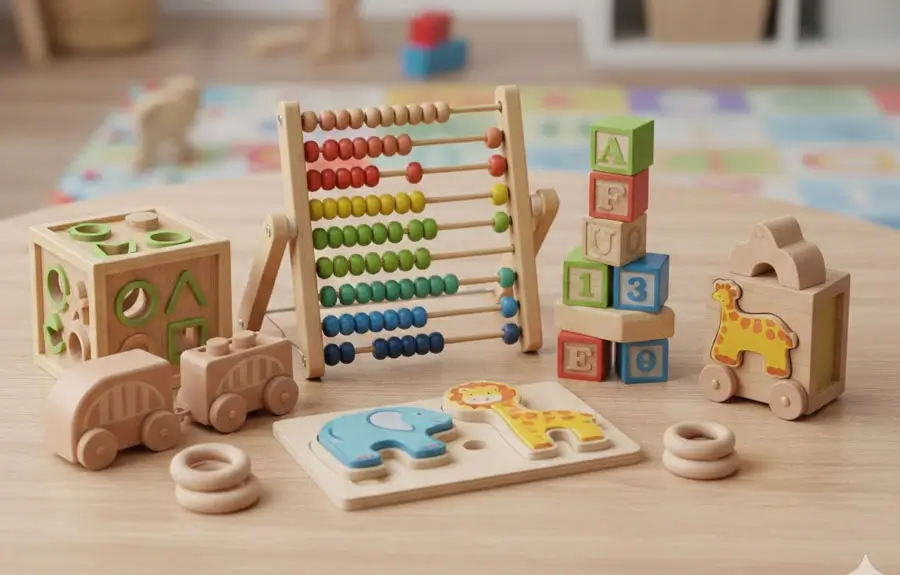
Flash cards have become one of the most preferred early learning tools for parents who want to introduce gentle, engaging and development-focused activities to their babies. These cards use simple visuals, bold images, colours and patterns to stimulate the baby’s developing brain. Flash cards for babies help build early recognition skills, memory, attention span, visual tracking and language foundations. While babies may not speak at this stage, their brain absorbs information rapidly, making flash cards an excellent tool for early stimulation.
Babies are naturally drawn to high-contrast images, clear shapes, familiar objects and repeating patterns. Flash cards offer all these elements in a structured and visually appealing format. They act as a bridge between the real world and the baby’s internal learning process. When babies see the same images repeatedly, neural pathways grow stronger. Over time, this helps them identify objects, respond to sounds, understand visuals and improve focus.
Flash cards are particularly effective because they match a baby’s developmental needs: simplicity, repetition, clarity and sensory engagement. They support parents in bonding with their baby while providing meaningful early exposure to learning concepts such as animals, fruits, colours, shapes, letters and everyday objects. The key to using flash cards correctly is gentle consistency and an enjoyable routine.
Flash cards offer babies visual stimulation at the exact stage when their brain is developing rapidly. Babies learn through observation. They respond strongly to clear, bold images and familiar shapes. Flash cards provide this stimulation in a calm, controlled format without overwhelming the baby.
Flash cards help babies:
The simplicity of flash cards makes them ideal for short, repeated sessions. Babies learn best through small, frequent exposures rather than long, overwhelming activities.
During the first two years, a baby’s brain forms millions of neural connections that shape future learning capabilities. Flash cards help activate these connections in a gentle, developmentally appropriate way.
When babies observe flash card images, they:
These actions strengthen cognitive abilities such as attention, memory and recognition. The more frequently babies engage with the images, the stronger their neural pathways become. Flash cards help babies build the foundation for communication, reading readiness and comprehension.
Newborns and young babies have limited vision. They respond best to high-contrast visuals such as black-and-white cards or bold coloured shapes. High-contrast flash cards help strengthen the baby’s retina and optic nerve, improving depth perception and focus.
Visual stimulation through flash cards helps babies:
This visual development supports future reading skills, eye coordination and overall perception. High-contrast cards are especially important for babies under six months because their eyesight is still developing.
While babies cannot speak early on, they begin absorbing sounds, tones and words from a very young age. Flash cards support language development by introducing babies to names of objects, animals, foods and everyday items.
When parents show a flash card and say the word clearly, babies:
This multisensory learning builds a strong foundation for future vocabulary. Babies who are exposed to spoken words frequently tend to learn language faster and express themselves earlier.
Flash cards also introduce phonics awareness later, helping children connect letters to sounds.
Memory in babies begins long before they can talk. Flash cards play a major role in strengthening memory through repeated exposure. When babies see the same image multiple times, they begin to recognise and anticipate it.
Flash cards improve both:
Repetition helps babies recall shapes, animals or colours when shown again. Strong early memory supports later learning tasks such as reading, counting and identifying objects.
Flash cards also help babies develop object permanence — the understanding that objects exist even when not visible.
Babies have very short attention spans. However, flash cards help increase focus gradually. The clear visuals and quick-changing images hold the baby’s interest.
Short flash card sessions help babies:
As attention improves, babies become more engaged and responsive. This helps them transition into other learning activities smoothly.
Sensory learning involves sight, sound, touch and movement. Flash cards stimulate the visual and auditory senses effectively. Parents can make the experience multi-sensory by adding gestures, sounds or touch elements.
Flash cards encourage babies to:
This improves sensory processing — a crucial component for emotional and behavioural development.
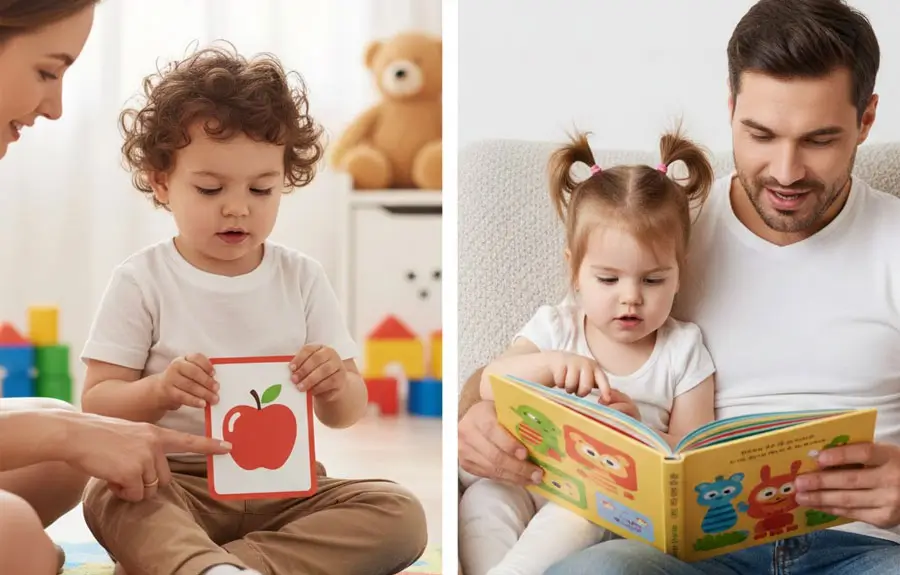
Flash card time is not just educational; it is emotionally bonding. Babies love face-to-face interaction. When parents show cards, smile, speak and make sounds, babies feel connected and emotionally secure.
This bonding leads to:
Flash card routines create positive associations with learning and interaction.
Using flash cards correctly is essential for ensuring a positive experience. Babies learn best when sessions are short, gentle and frequent.
Parents should:
The goal is exposure, not perfection. Babies absorb information naturally when parents keep the sessions relaxed and enjoyable.
High-Contrast Black-and-White Cards
Ideal for newborns and young babies. Improve visual tracking and focus.
Animal Flash Cards
Help babies learn names, sounds and recognition.
Fruit and Vegetable Flash Cards
Build vocabulary and introduce everyday objects.
Colour Flash Cards
Help babies identify and differentiate colours.
Alphabet Flash Cards
Introduce early literacy concepts in a simple visual format.
Shape Flash Cards
Strengthen cognitive development and pattern recognition.
Object Flash Cards
Help babies connect real-life items with visuals.
Action Flash Cards
Support understanding of movements through pictures.
Parents can enhance the learning experience through:
A playful interaction makes learning more enjoyable and effective.
Yes, they strengthen memory, visual development, focus and early language skills.
Parents can begin with high-contrast cards from birth and introduce object cards after three months.
Flash cards encourage early word recognition, supporting future speech development.
Only if sessions are too long. Short, gentle sessions are ideal.
One to three minutes for babies, gradually increasing with age.
Yes, early exposure to images and words builds visual literacy.
Human voice is better because babies respond strongly to parent interaction.
Yes, they are best for newborns due to early visual limitations.
o, they complement play-based learning.
Short daily sessions are most effective for memory and recognition.

We offer fast delivery.

We offer E-Gift Cards.

Dedicated 24/7 support.

100% secure payment.

 My Order
  0
0