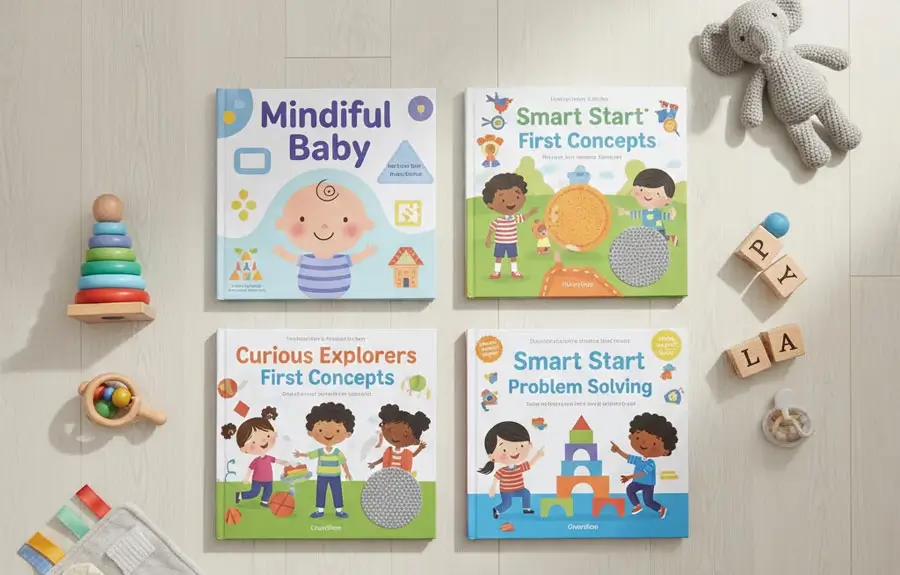
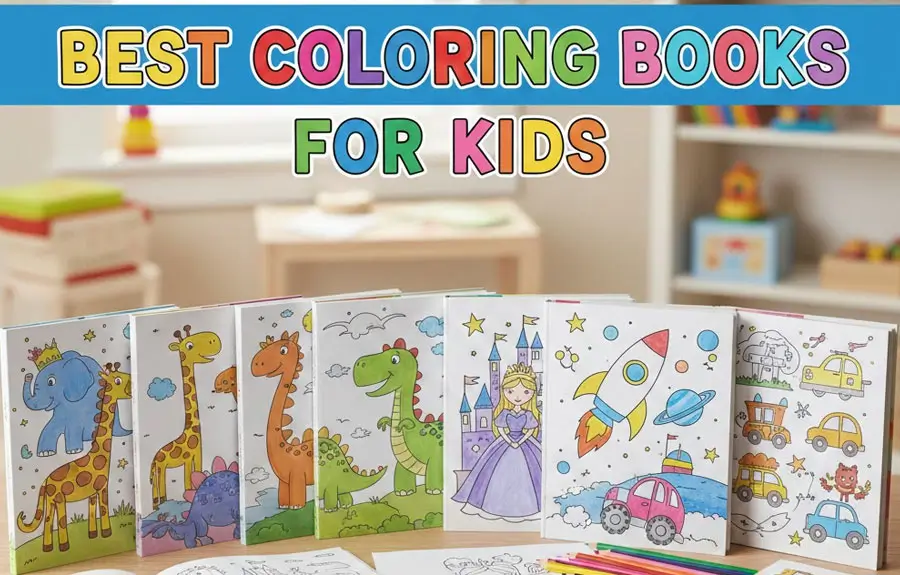
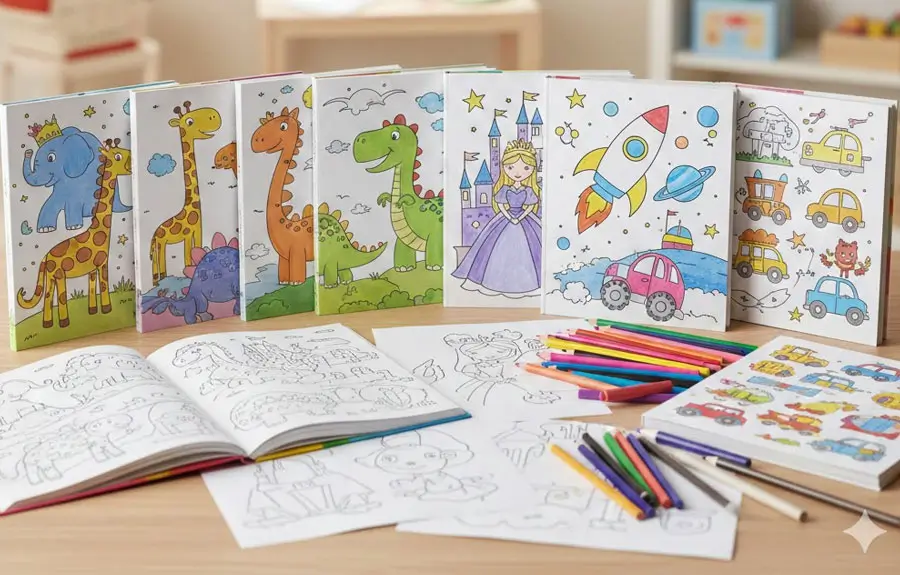
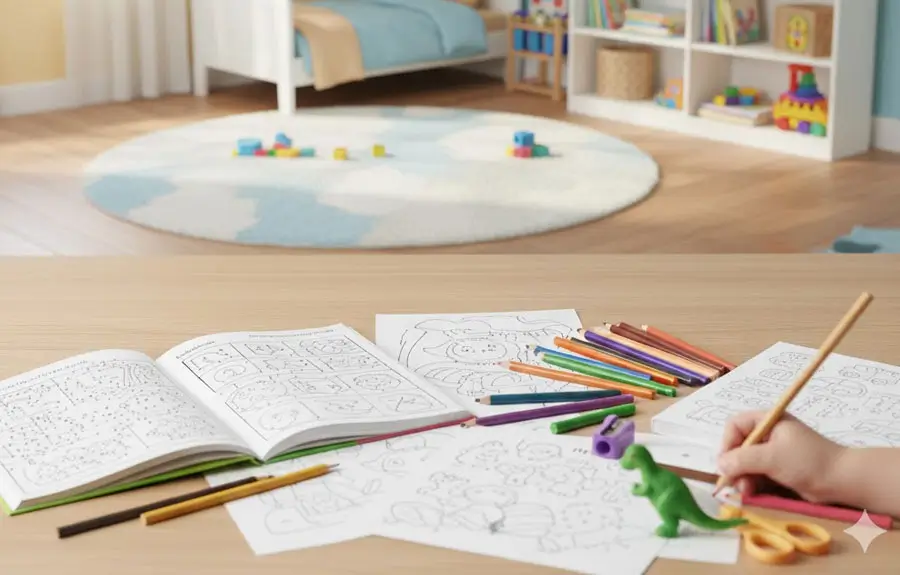
The age group of 2–4 years is one of the most transformative phases in early childhood. In this period, toddlers rapidly expand their vocabulary, develop sharper motor skills, express emotions more clearly and begin understanding the world with deeper curiosity. Books become a major part of this developmental journey, shaping the way children think, speak, imagine and interact. Choosing the right books for this age is essential because the right content provides stimulation, comfort and learning in a balanced, joyful way.
Children between ages 2–4 respond strongly to visuals, repetition, stories and interaction. They enjoy turning pages independently, pointing to objects, asking questions and participating actively. Books allow them to practice independence while also strengthening the bond with parents during reading time. Choosing the right books ensures that learning never feels forced and instead becomes a natural extension of play and exploration.
Parents often find themselves confused because the market offers endless book options — picture books, activity books, storybooks, educational books, sensory books, alphabet books and more. Each type serves a different purpose in early learning. Understanding your child’s developmental stage, interests and learning preferences helps you build the perfect home library for this age group.
Before selecting books, parents must understand what skills typically develop between ages 2–4. Children in this stage learn through observation, imitation and hands-on engagement. Their vocabulary grows rapidly, they begin forming 2–3 word sentences, and their curiosity expands into every corner of the environment.
This age group begins recognising shapes, colours, animals, vehicles, alphabets and numbers. They also start understanding early emotions, social interactions and narrative flow. Books for this stage should support language development, comprehension, creativity, emotional awareness and motor skills.
Toddlers at this age love predictability but also enjoy small elements of surprise. Books that balance familiar content with new discoveries help maintain interest. Understanding these developmental needs helps parents choose books that boost growth while aligning with a toddler’s natural learning abilities.
The quality of books children engage with between ages 2–4 significantly shapes their long-term interest in reading and learning. Books that match their developmental stage improve attention span, strengthen vocabulary, and build comprehension skills. Poorly designed books with cluttered visuals or complex text may confuse toddlers and reduce engagement.
Books for this age act as stepping stones for future reading readiness. Children who enjoy reading in early years often transition smoothly into preschool and kindergarten. The right books help toddlers build confidence as they begin recognising patterns, turning pages independently and expressing their thoughts. Choosing the right books ensures that reading time becomes a joyful ritual instead of a forced activity.
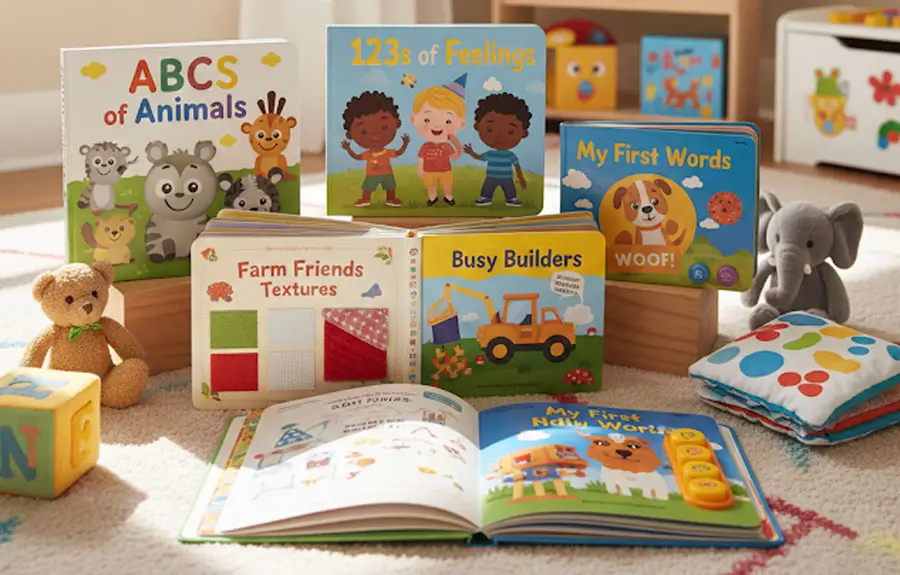
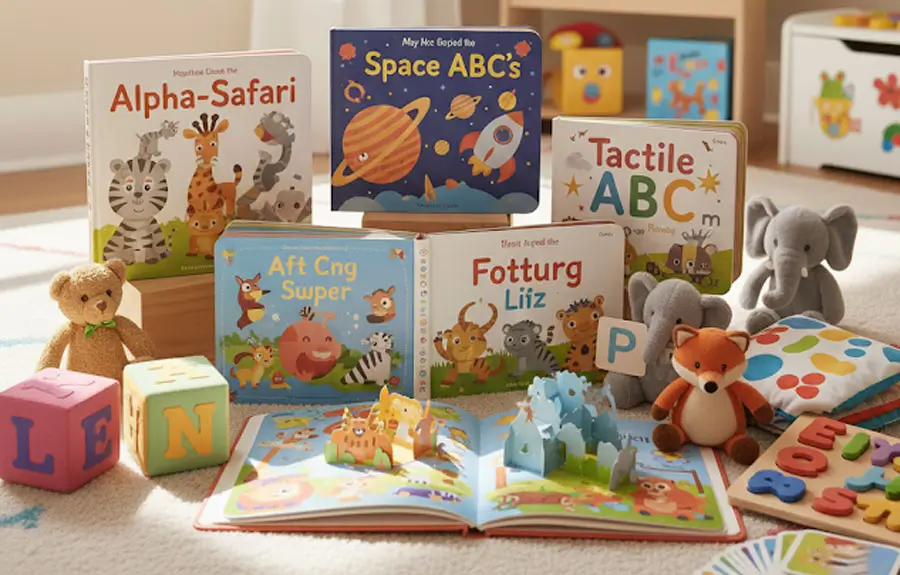
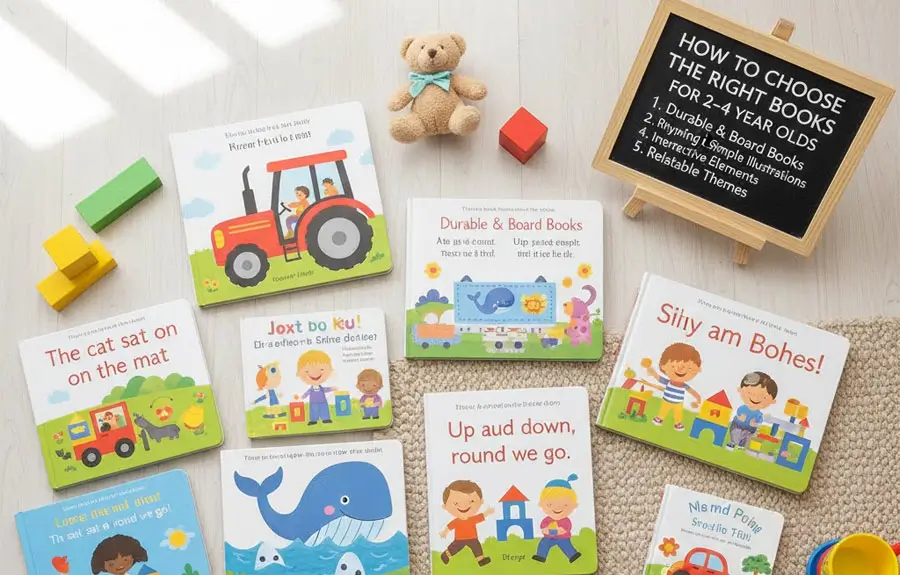
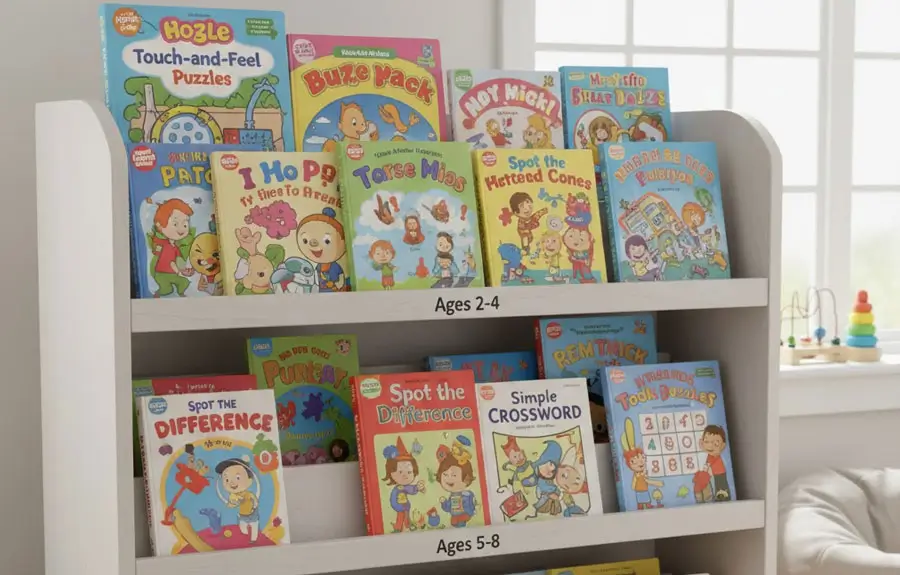
Children aged 2–4 require a balanced mix of book types. Each category supports different developmental needs and ensures that toddlers receive exposure to a broad range of concepts and skills.
Picture Books
Picture books offer clear visuals and simple storytelling that help toddlers understand emotions, actions and familiar scenes. They encourage observation and imaginative thinking.
Alphabet Books
These books introduce letter recognition and basic sound association. Toddlers enjoy tracing letters with their eyes and connecting alphabets with objects.
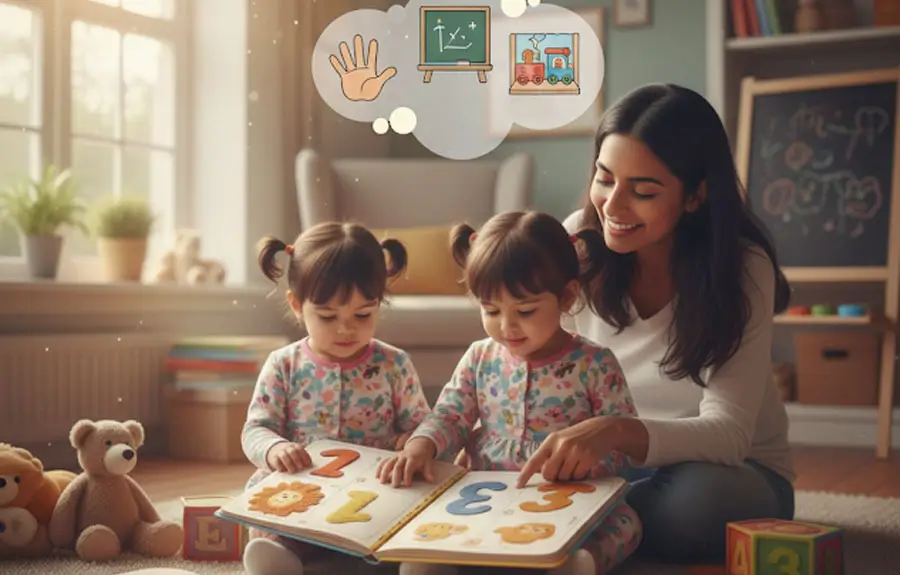
Number and Counting Books
These books help toddlers understand quantities, numerical order and early logic through visuals and repetition.
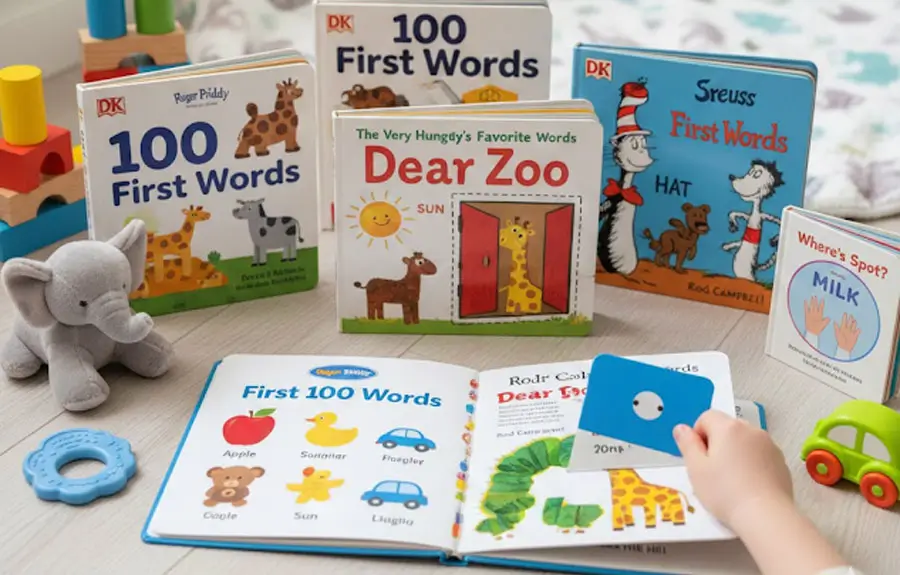
First Word Books
These books strengthen vocabulary by presenting labelled pictures of objects toddlers encounter daily.
Story Books
Simple stories help toddlers understand narrative flow and emotions, building early comprehension.
Interactive Books
Books with flaps, textures or moving parts enhance engagement and sensory development.
Activity Books
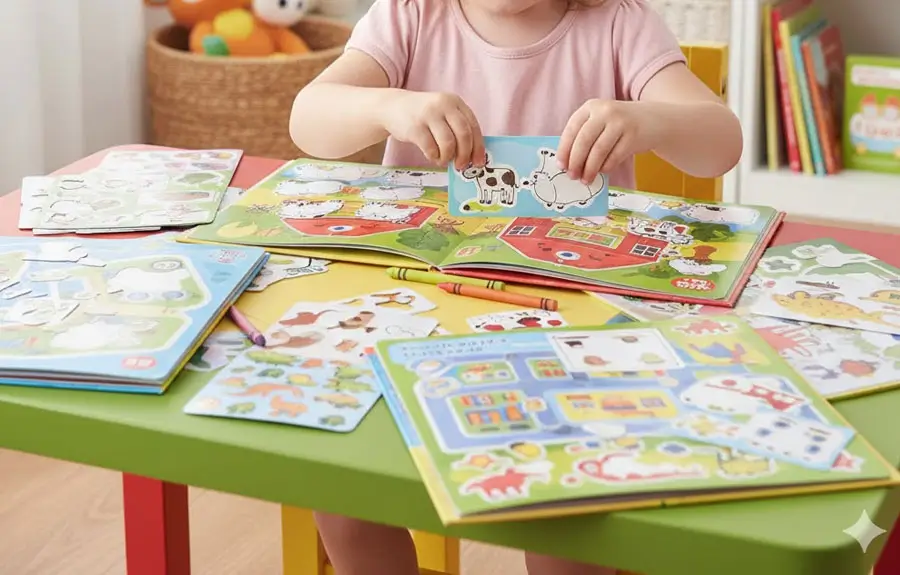
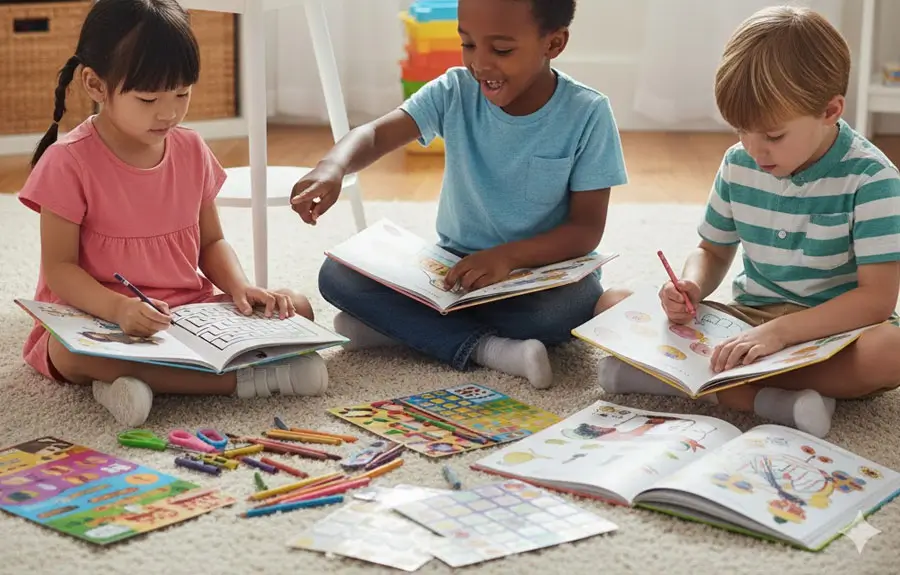
Colouring, matching, tracing and shape-identification books improve motor skills and creativity.
Choosing a variety ensures holistic development and prevents boredom.
Picture books are essential for this age because they introduce early comprehension through visuals. Children begin understanding cause-and-effect relationships, emotions and actions by interpreting images.
Picture books help toddlers identify familiar environments such as home, park, school or family routines. They also learn to recognise new objects and concepts, which expands vocabulary. Books with expressive illustrations encourage toddlers to imitate sounds, gestures or actions, helping develop early communication.
Picture books also build imagination. Toddlers enjoy predicting what might happen next in the story based on pictures. This prediction strengthens reasoning and memory. Books with simple storylines help toddlers understand beginning, middle and end — an important foundation for future reading.
Books for toddlers should never overwhelm them with complex or crowded illustrations. Clarity is key. Clean visuals help toddlers focus on the main object or character. Bright but balanced colours attract attention without overstimulation.
Simple illustrations also support vocabulary learning. When an image is clear, toddlers can easily associate the object with the word label. This direct association strengthens recognition and memory. Books with minimal distractions allow toddlers to explore at their own pace and connect visuals with their real-life experiences.
Books meant for ages 2–4 should introduce vocabulary through visuals and simple context. Toddlers absorb words faster when they see objects paired with clear pictures. Books should feature familiar items such as fruits, animals, toys, clothing, food and household objects.
Storybooks with repetitive phrases or simple sentences help toddlers understand the rhythm of language. When toddlers hear the same pattern repeatedly, they begin predicting words and participating actively. Choosing the right books ensures toddlers develop vocabulary through natural exposure rather than memorisation.
Parents should also consider books that introduce new but relatable words. As toddlers observe objects beyond their daily environment, they develop curiosity and interest in learning more.
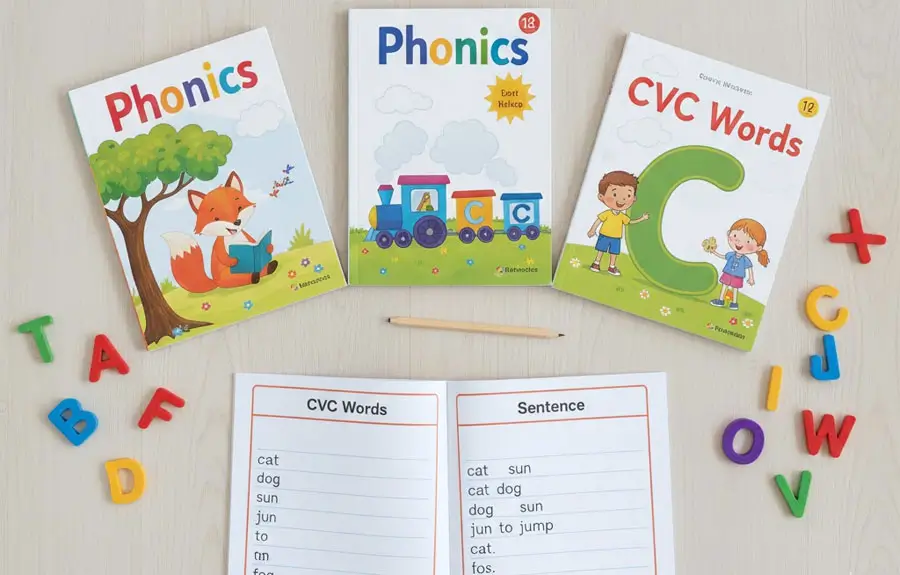
Alphabet books for this age should use bold letters, uncluttered pages and one clear object per letter. Toddlers enjoy tracing letters visually and associating them with simple objects like apple, ball or cat. Books that pair uppercase and lowercase letters offer balanced exposure.
Number books should present clear quantities with objects grouped neatly. Books showing one object on one page and increasing counts gradually help toddlers understand sequences and early math concepts. Repetition is essential because toddlers learn best through frequent visual exposure.
Parents should choose books with familiar images so toddlers can relate counting to real-life experiences. Books must avoid overly complex designs to ensure clear understanding.
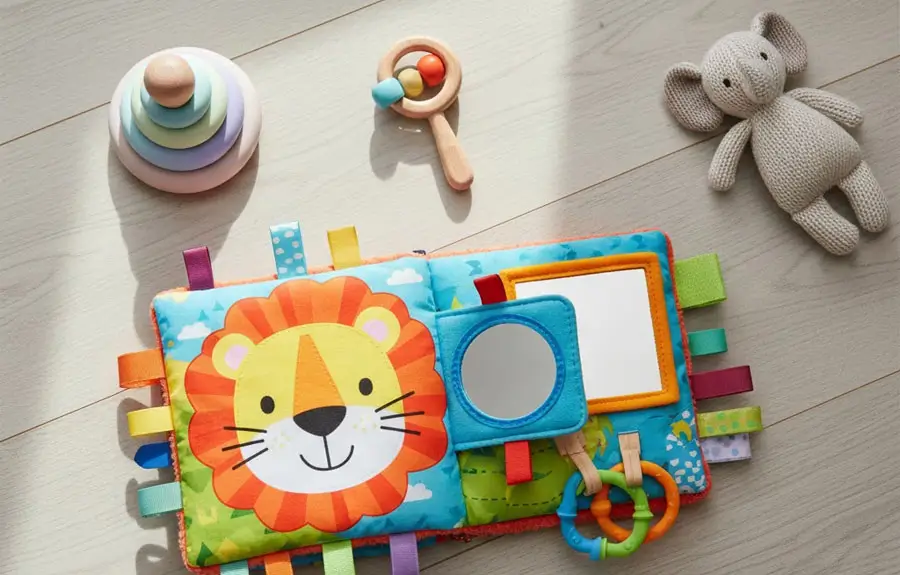
Interactive books are extremely beneficial for ages 2–4 because they combine sensory engagement with visual learning. Toddlers enjoy lifting flaps, touching textures, sliding panels and discovering surprises. These activities stimulate curiosity and improve attention.
Sensory features support tactile development, helping toddlers understand different textures. Interactive books also improve motor skills as children use their fingers to explore. When toddlers interact with books physically, they remember concepts better.
Parents should choose books with sturdy construction to withstand active use. Well-designed interactive books encourage joyful exploration and keep toddlers engaged for longer periods.
Every child has unique preferences. Some enjoy animals, others love vehicles, colours, shapes or family scenes. Understanding these preferences helps parents choose books that immediately capture attention.
A child who loves animals will respond well to wildlife picture books, farm books or animal alphabet books. A child fascinated by vehicles may enjoy books featuring cars, buses, trains or construction scenes. Choosing books aligned with a child’s interests strengthens engagement and motivation.
When toddlers feel excited about the theme, reading becomes fun. Interest-based books also encourage repeated reading, which supports memory and comprehension.
Books for ages 2–4 should be simple enough to understand but stimulating enough to encourage learning. Toddlers enjoy familiar content, but they also need gentle challenges that introduce new ideas.
Books should not overwhelm toddlers with long sentences or complex illustrations. Instead, they should offer one new element at a time — a new vocabulary word, a new character, a new visual pattern or a simple storyline twist. This balance supports learning without frustration.
Parents can introduce slightly advanced books as toddlers grow more confident. Mixing familiar books with new ones keeps the learning environment dynamic and enjoyable.
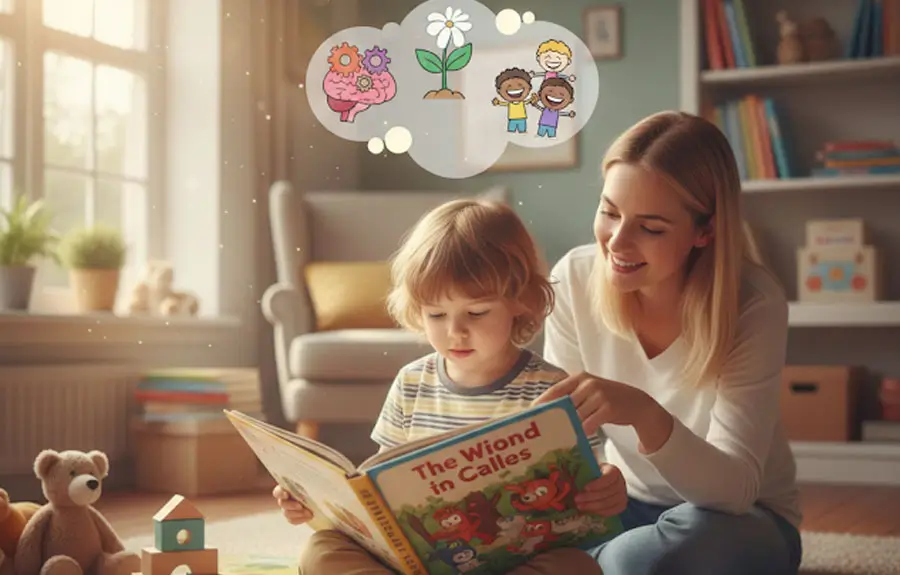
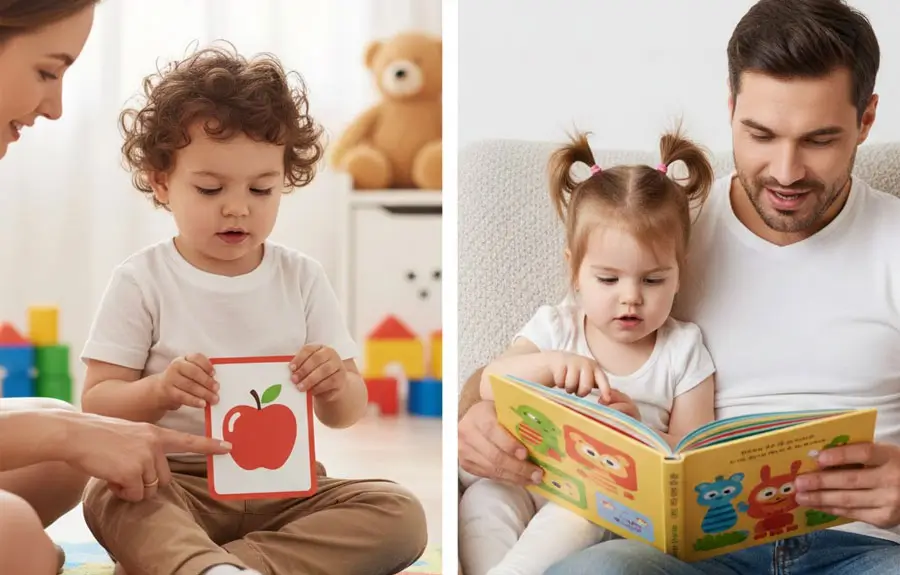
How parents read to toddlers is just as important as the books they choose. Toddlers respond best to animated voices, expressive reading and consistent routines. Reading should feel like a bonding activity, not a lesson.
Parents can point to images and ask toddlers simple questions such as:
“Where is the cat?”
“What colour is the ball?”
“What is the boy doing?”
These questions encourage observation and participation. Toddlers gradually become confident in expressing what they see, improving both language and cognitive skills.
Parents should also allow toddlers to turn pages independently. This boosts confidence and supports fine motor development. Keeping books accessible enables toddlers to explore them at any time, strengthening independence and curiosity.
A well-rounded home library for this age group should include:
Picture books for visual learning
Storybooks for imagination
Alphabet and number books for early literacy
First word books for vocabulary
Interactive books for sensory engagement
Activity books for creativity
Variety ensures toddlers experience different forms of learning. A balanced library keeps toddlers interested and prevents monotony. As toddlers grow, parents can gradually introduce more advanced themes and concepts.

Books with clear visuals, simple stories, familiar objects and interactive elements work best.
Yes, simple alphabet books help toddlers recognise letters early.
Storybooks improve imagination, comprehension and emotional awareness.
Yes, textures and flaps improve engagement and sensory development.
Short sessions with 2–3 books are ideal for consistent learning.
Books should use simple, familiar words to build confidence and clarity.
Activity books improve motor skills, creativity and early problem solving.
Yes, allowing choice increases motivation and makes reading joyful.
Absolutely; picture books support all early learning stages.
A diverse book collection ensures balanced early development.

We offer fast delivery.

We offer E-Gift Cards.

Dedicated 24/7 support.

100% secure payment.

 My Order
  0
0