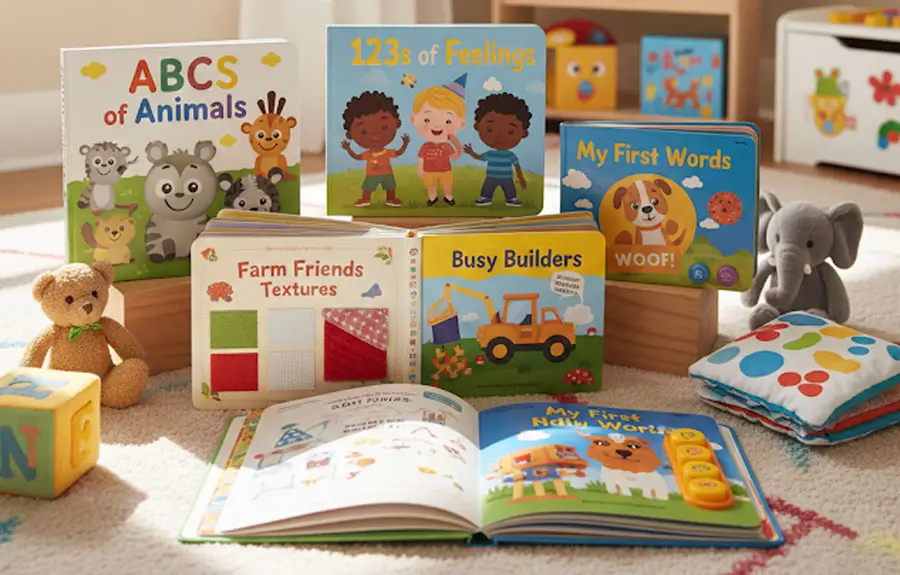
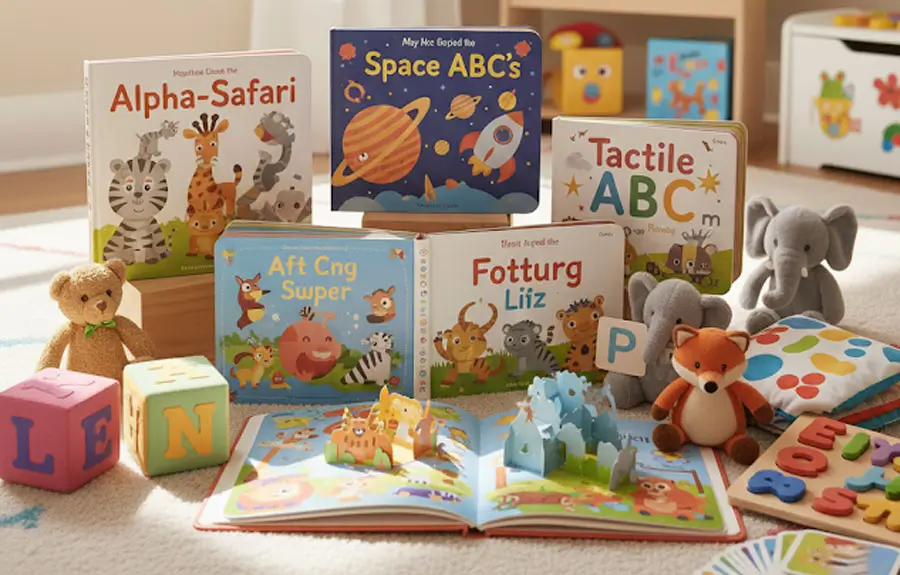
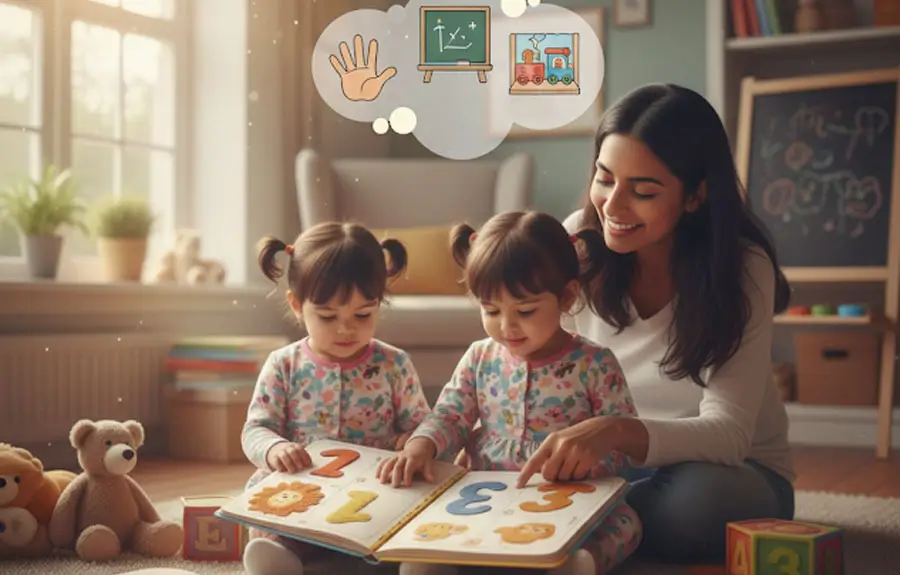
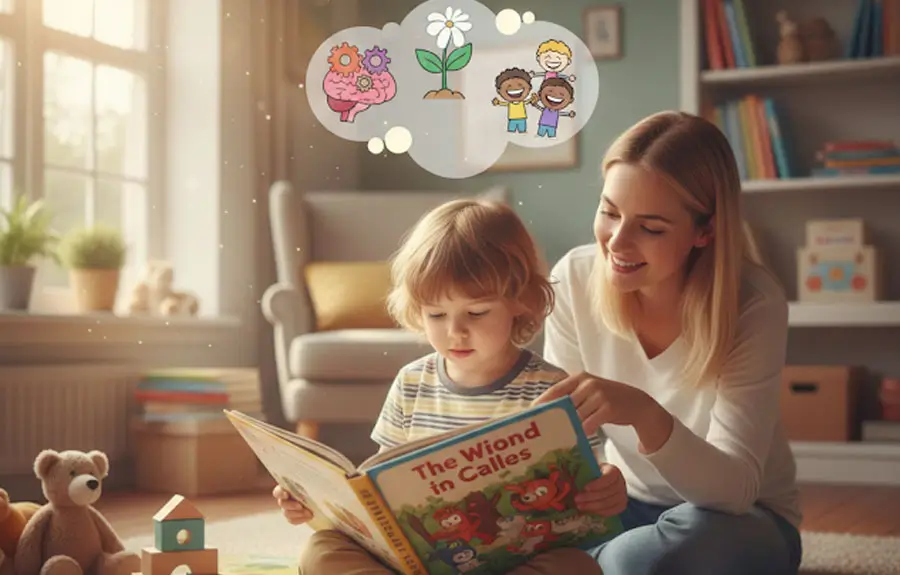
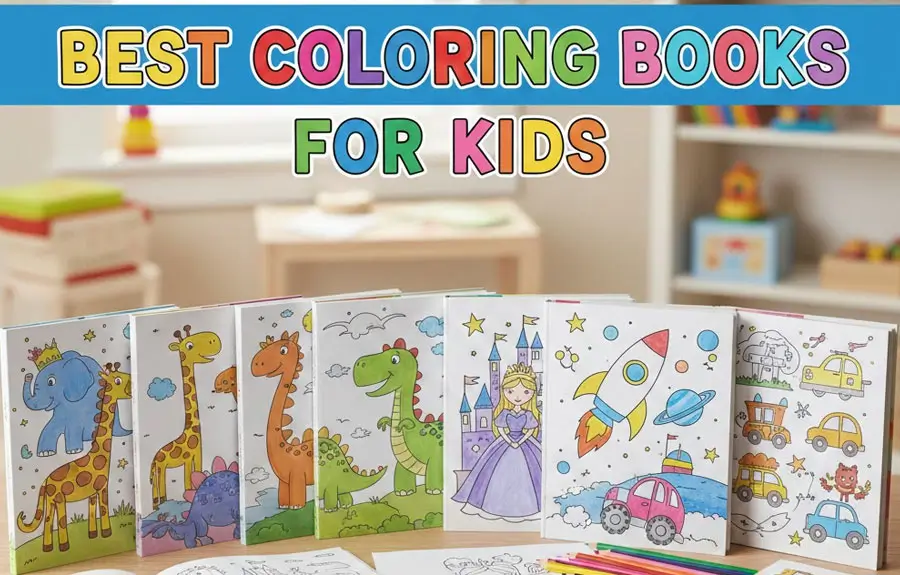
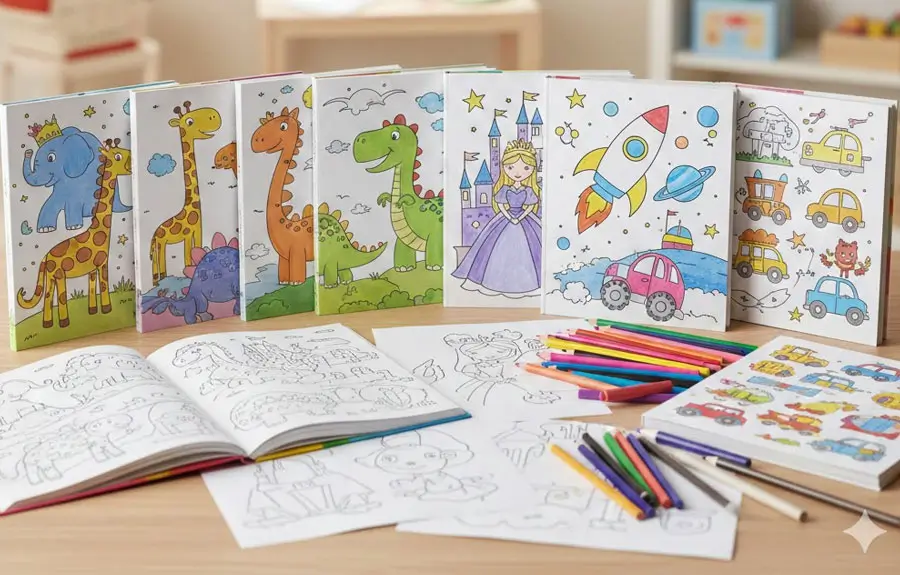
Coloring is one of the simplest yet most powerful creative activities for children. It helps them express their imagination freely, strengthen hand control, understand colours and shapes, and develop early artistic confidence. Unlike structured lessons, colouring allows kids to explore without pressure — every stroke, every shade and every experiment becomes a natural part of their learning. Coloring books for kids have evolved significantly over the years, offering themes ranging from animals and vehicles to cartoons, nature, mandalas, festivals and early learning patterns. These trending colouring books inspire creativity while also supporting essential developmental skills.
Coloring is more than a fun pastime; it's a meaningful learning experience. As children pick a colour, choose a page, fill spaces and complete their artwork, they practise decision-making, planning and patience. They learn how to visualise their ideas and bring them to life on paper. Coloring books introduce structure without restricting creativity — children follow outlines, but the colours, combinations and patterns are entirely their own choice. This balance makes colouring an ideal activity for kids across age groups.
Today’s coloring books offer high-quality illustrations, age-appropriate designs and thematic variety that attract kids instantly. Whether it’s a toddler exploring simple shapes or an older child colouring intricate patterns, colouring books create a positive and engaging creative environment. They keep the mind active, reduce screen time and encourage kids to express their emotions artistically.
Coloring books play a crucial role in shaping early childhood development. They help kids develop creativity, improve concentration and strengthen fine motor skills. When children colour regularly, they learn the importance of completing tasks and staying focused without distractions.
Coloring helps children understand boundaries. They learn to colour within lines, control hand movements and manage pressure on the crayon or pencil. These small skills support future handwriting readiness. The ability to control strokes, follow lines and make precise movements strengthens core learning abilities required in preschool and primary school.
Coloring books also support emotional development. Kids express feelings through colours and patterns. Bright colours reflect excitement, while soft shades reflect calmness. Coloring can become a therapeutic activity that reduces stress and enhances emotional balance.
Coloring books for kids also help them recognise shapes, objects and patterns. When children repeatedly colour animals, fruits, vehicles or scenes, they develop familiarity with the world around them. This improves vocabulary, observation and general awareness.
Creativity begins when children are free to explore and express. Coloring books offer a creative playground where children can experiment with colours, patterns and ideas. Even when the outline is fixed, the colouring experience is unique for each child.
Kids imagine colours that reflect their mood, thoughts or fantasies. They may colour a sky pink, an elephant blue or a tree purple — and these creative choices reflect imagination without limitations. Imagination strengthens cognitive flexibility, helping children think differently and come up with new ideas.
Coloring books encourage children to visualise. Before filling a space, kids mentally decide which colour to use. This improves planning, anticipation and artistic thinking. Regular colouring develops artistic confidence and helps children create original ideas in drawing, art and craft.
Creativity also enhances problem-solving. When a child chooses colours, mixes shades or corrects mistakes, they learn to approach challenges with confidence.
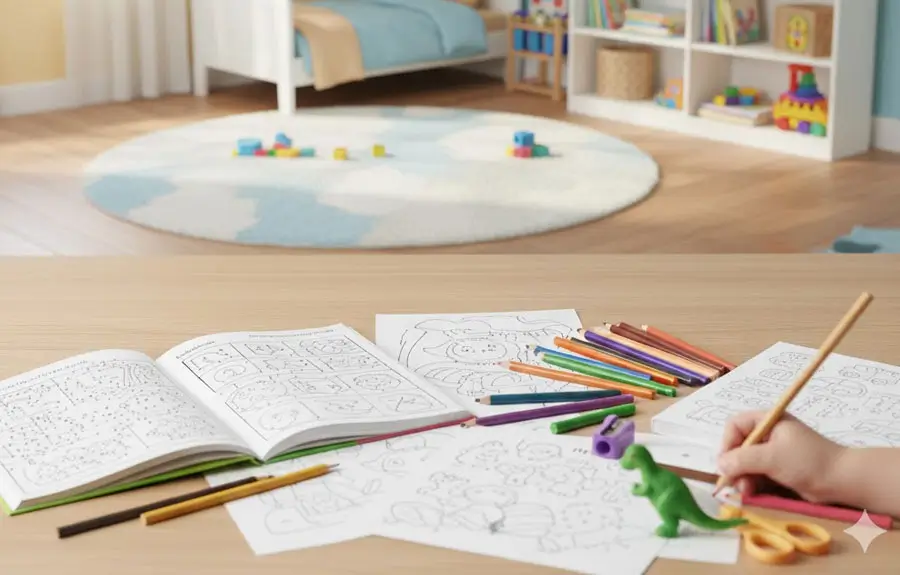
Fine motor skills refer to small muscle movements required for writing, cutting, holding tools and performing daily tasks. Coloring books are one of the best ways to build these skills naturally.
When children hold crayons, sketch pens or colour pencils, they learn grip control. They practise moving their fingers and wrist in different directions. Filling small spaces or following intricate patterns helps improve precision and hand–eye coordination.
Young children especially benefit from colouring activities because they prepare the hand muscles for writing readiness. Kids become comfortable with controlled movements, improving their handwriting speed, accuracy and posture in later years.
Coloring books for kids that include shapes, outlines and small details encourage steady hand development. As children grow older, colouring more complex patterns sharpens motor skills even further.
Coloring requires attention. Children must observe the outline, choose colours and fill sections carefully. This structured activity helps children stay focused for longer periods. Gradually, attention span improves, allowing kids to engage in other learning tasks more effectively.
Coloring is calming and helps children slow down mentally. The step-by-step process of completing a picture requires patience. Kids learn persistence — even if the picture seems long, they must work through it. This discipline carries over into schoolwork, homework and daily responsibilities.
Colouring reduces restlessness and encourages mindfulness. Kids become absorbed in the colours and shapes, allowing the brain to relax while staying productive. The sense of accomplishment after completing a page boosts confidence.
Coloring books teach kids how to identify colours, combine shades and recognise visual patterns. Colour recognition is an essential early learning skill that supports cognitive growth.
When kids use colours frequently, they learn:
Coloring books featuring fruits, animals, vehicles, alphabets or nature help kids recognise objects and terms while colouring them. This supports vocabulary development and general knowledge in a fun, interactive way.
Some coloring books include hidden elements or multi-step colouring tasks that sharpen visual perception and observation skills.
Trending colouring books often follow themes that children love. Themes make colouring more relatable and exciting.
Popular themes include:
These themed books help kids connect colouring with real or imaginary concepts. When colouring animal books, kids learn species names. When colouring vehicles, they learn about cars, trucks, buses or airplanes. Themed colouring strengthens both creativity and knowledge.
Some trending books also include educational elements such as alphabets, numbers or traceable shapes. These books combine art with learning, making them perfect for preschoolers.
Coloring is a calming activity that supports emotional regulation. Kids express feelings through colours, and this expression helps them handle stress, excitement or frustration.
Coloring can be soothing, especially for sensitive or active kids. The rhythmic movement of colouring activates relaxation responses in the brain, helping children feel peaceful. It reduces anxiety and improves emotional stability.
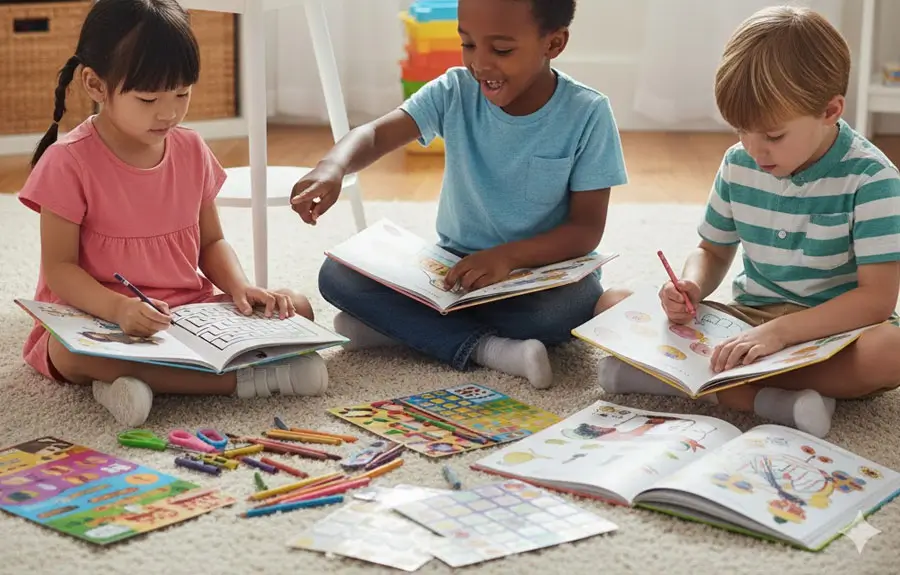
Colouring is also a bonding activity. Parents and kids can colour together, discuss shades, share ideas and enjoy quality time. This emotional connection strengthens communication and trust.
For children who find it difficult to express themselves verbally, colouring becomes a safe and creative form of expression.
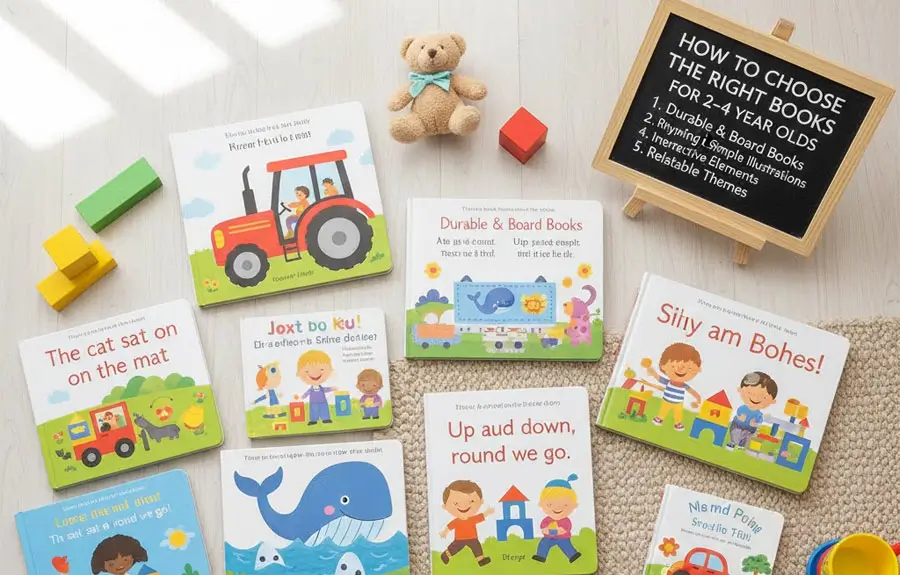
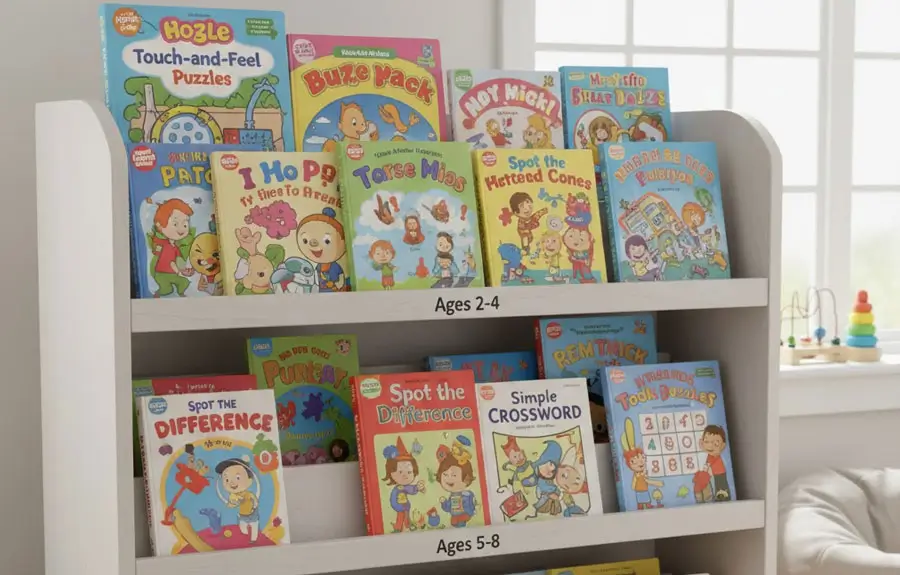
Parents should choose colouring books according to a child’s age to ensure the illustrations match their skill level.
Toddlers (2–3 years):
Preschoolers (3–5 years):
Kids 5+ years:
Choosing an age-appropriate colouring book ensures children enjoy the activity and stay motivated.
Parents can choose high-quality colouring books by checking features such as:
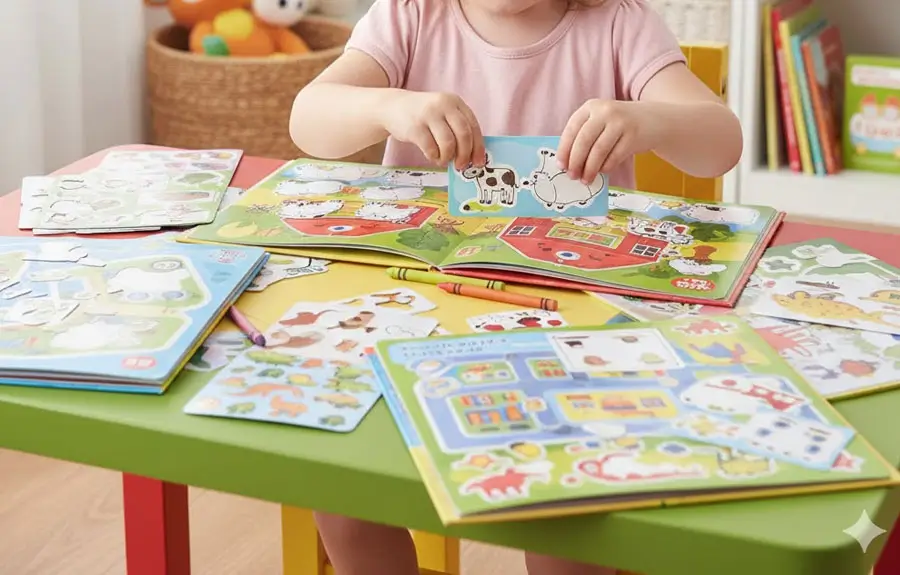
Some trending colouring books also include stickers, colour guides, tracing elements and bonus activity pages. These added features make colouring more exciting and engaging.
Parents can make colouring a daily habit by:
When colouring becomes part of everyday routine, children engage with it naturally.
Yes, colouring books support creativity, focus and cognitive skills for all kids.
Colouring strengthens fine motor control needed for handwriting.
Yes, kids remain busy and engaged with colouring activities.
Themes increase interest and teach related concepts.
Even 15–20 minutes daily is beneficial.
Yes, colouring calms the mind and helps express emotions.
Yes, it encourages creativity and motor exploration.
Parents can guide, but kids should explore freely.
No, basic crayons and pencils work perfectly.
Yes, it builds confidence and a sense of achievement.

We offer fast delivery.

We offer E-Gift Cards.

Dedicated 24/7 support.

100% secure payment.

 My Order
  0
0