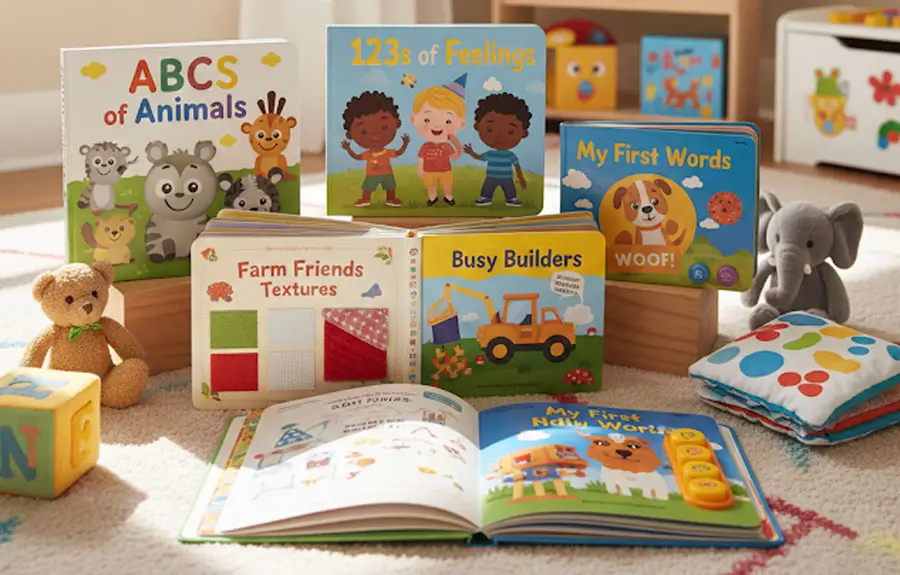
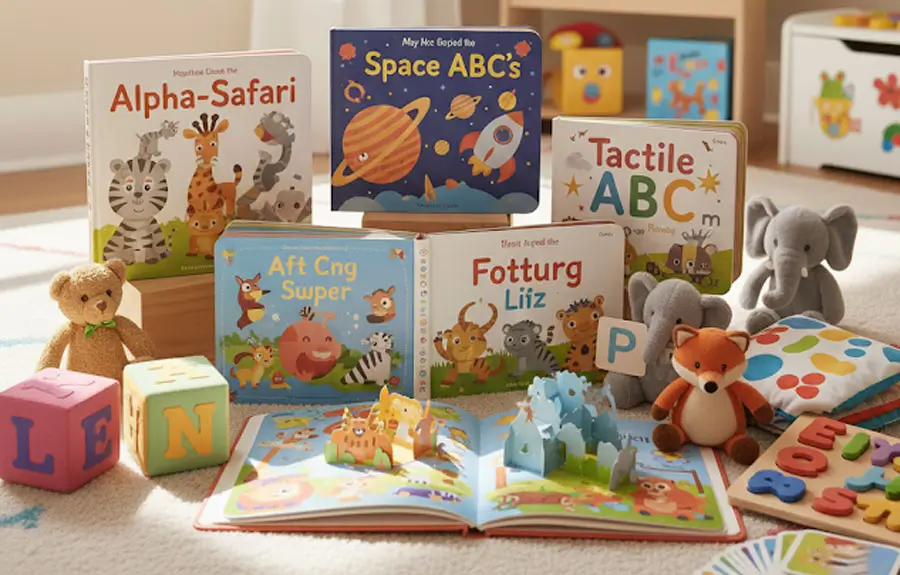
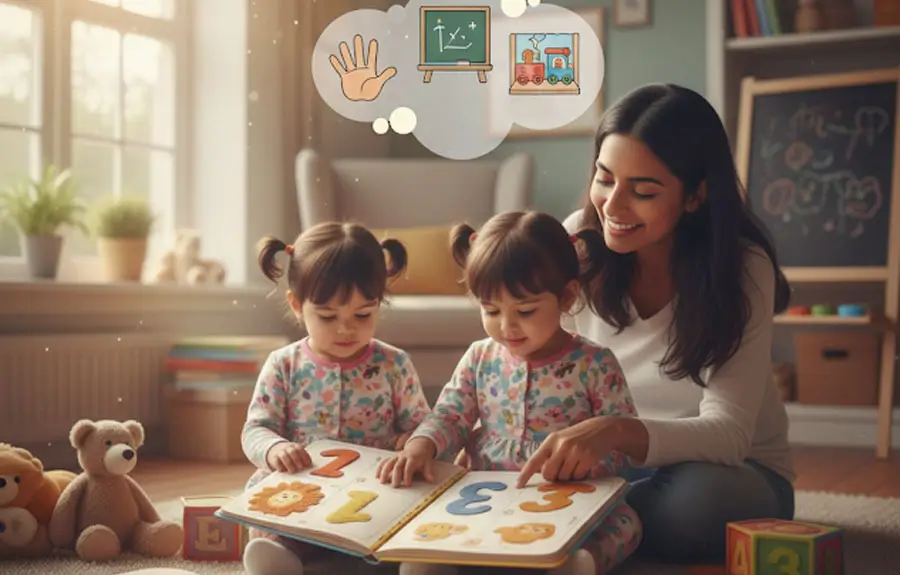
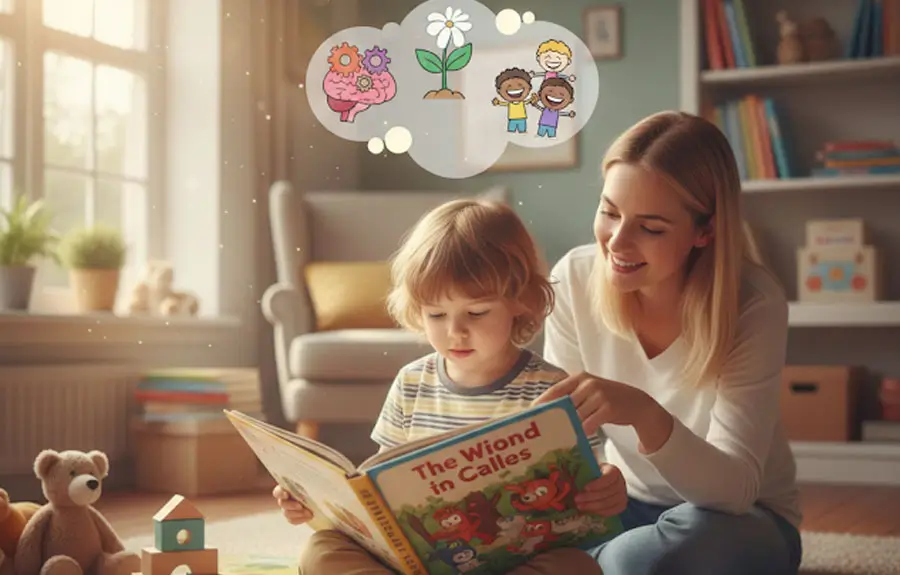
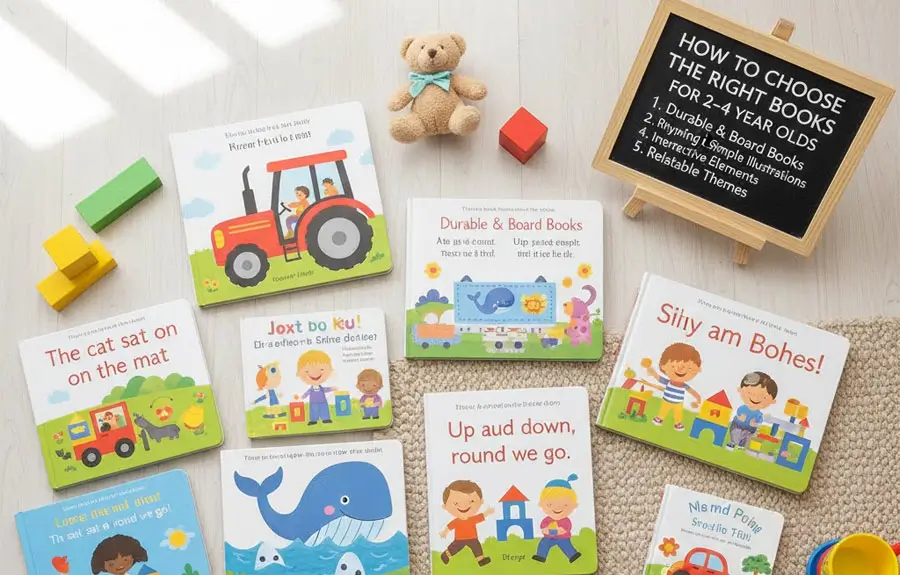
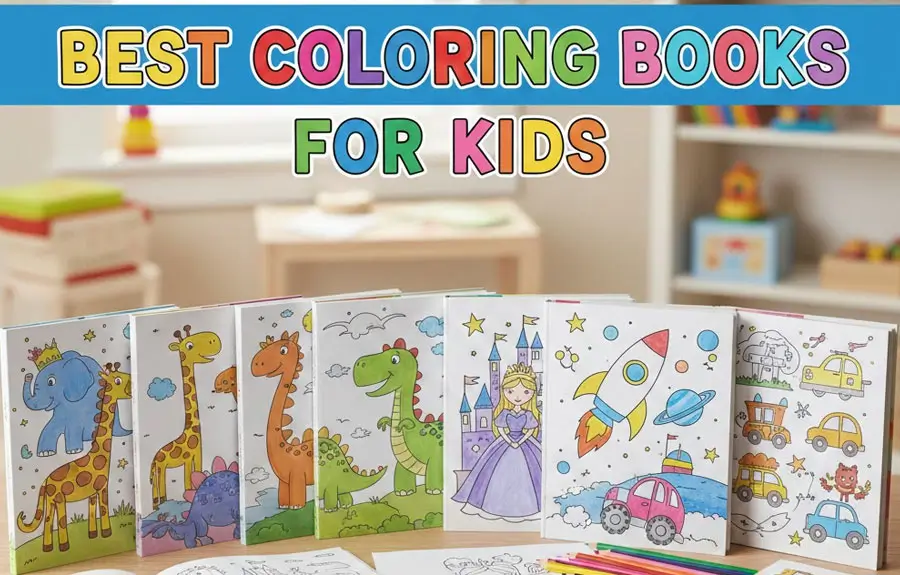
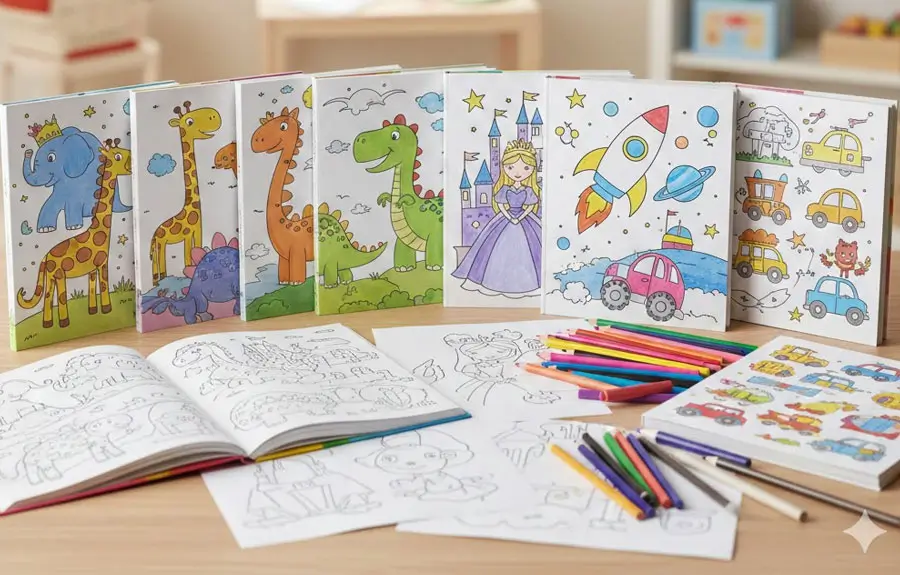
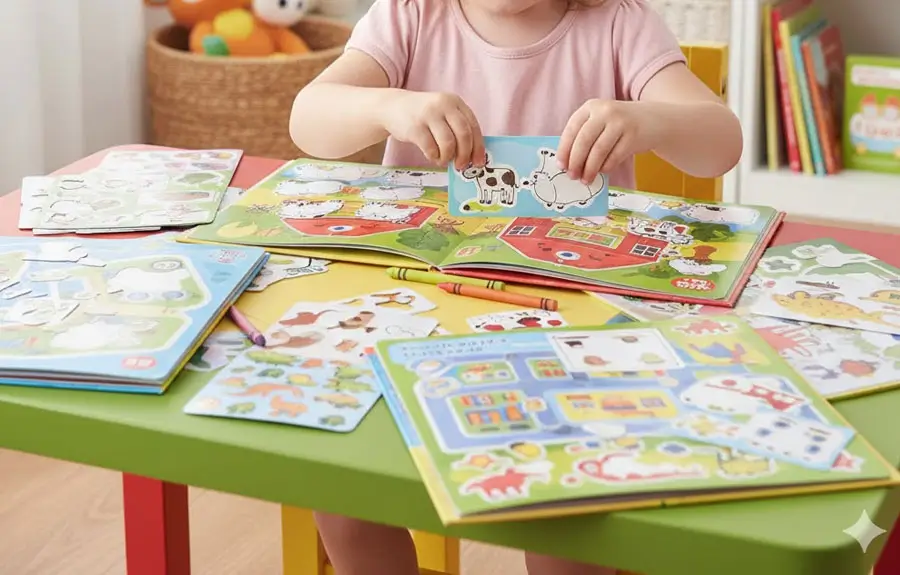
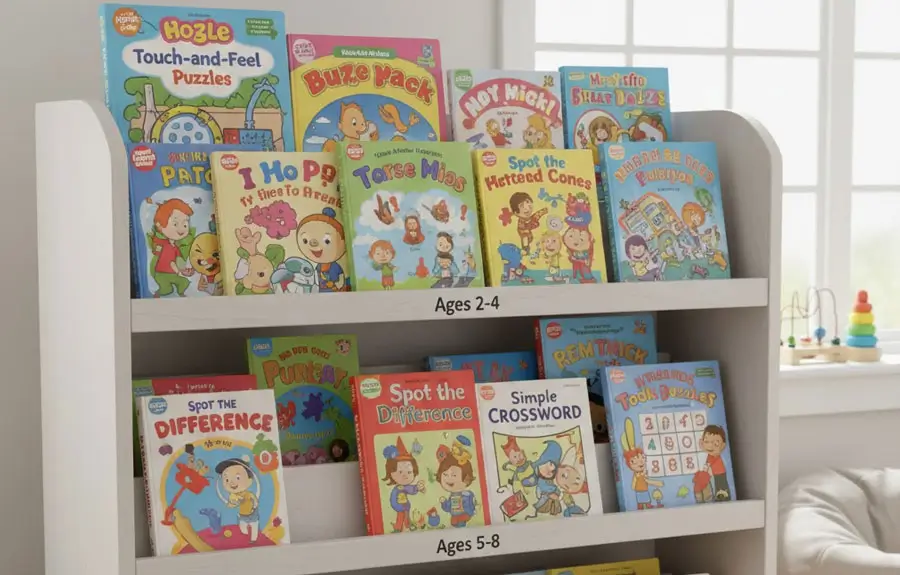
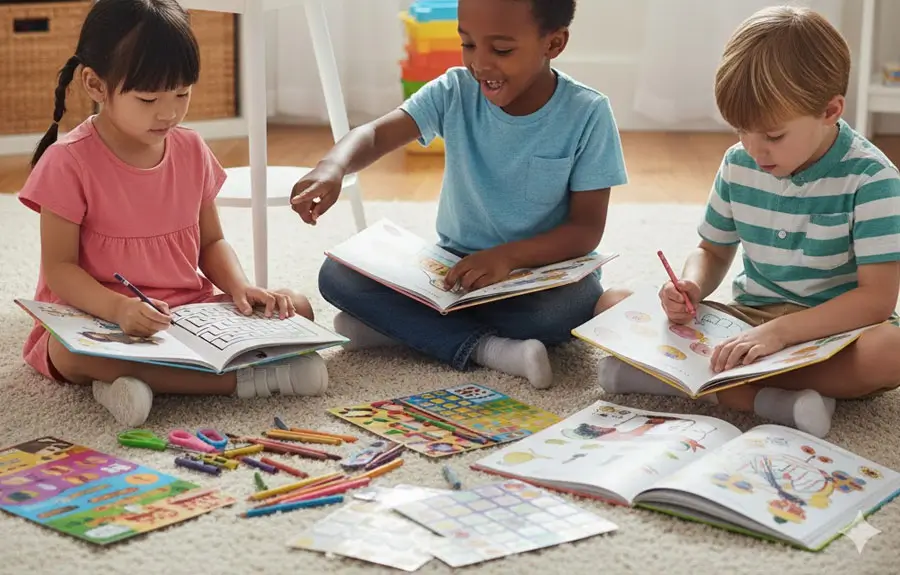
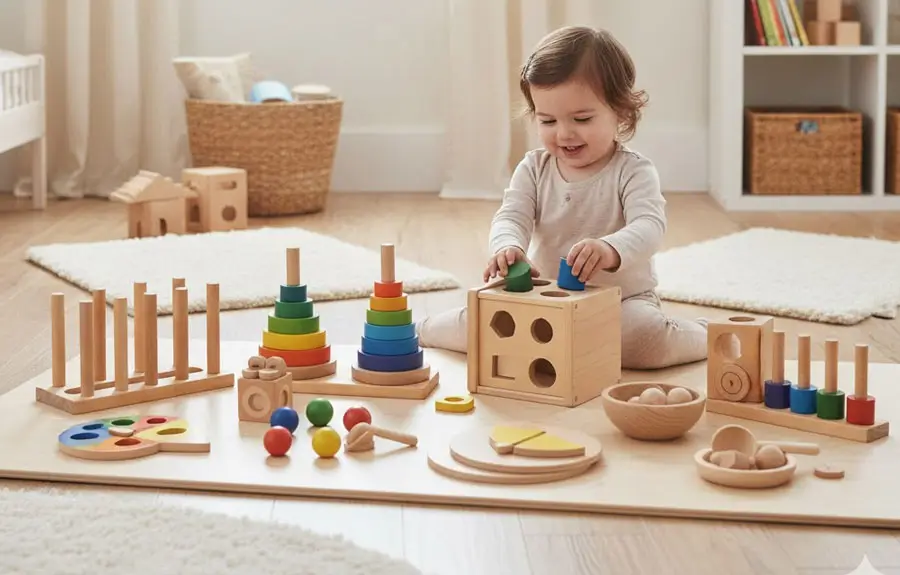
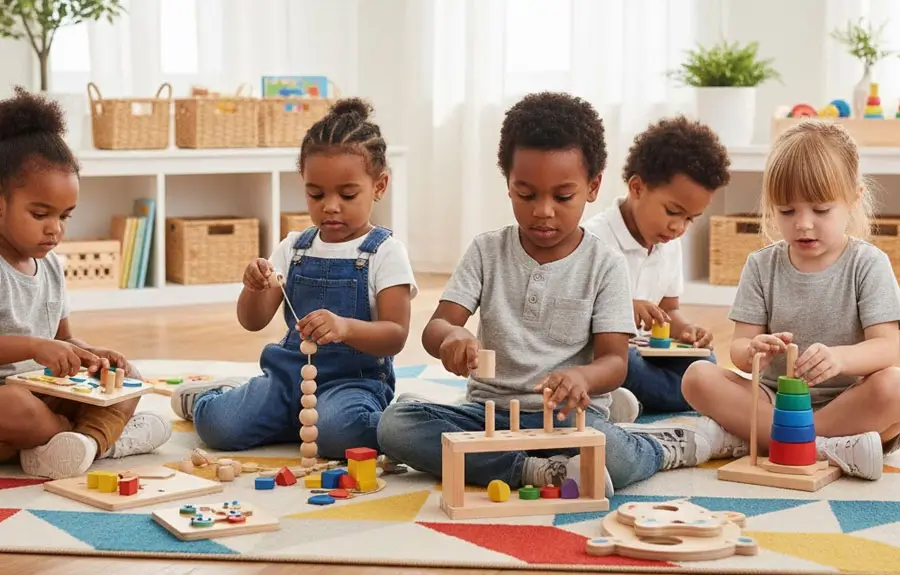
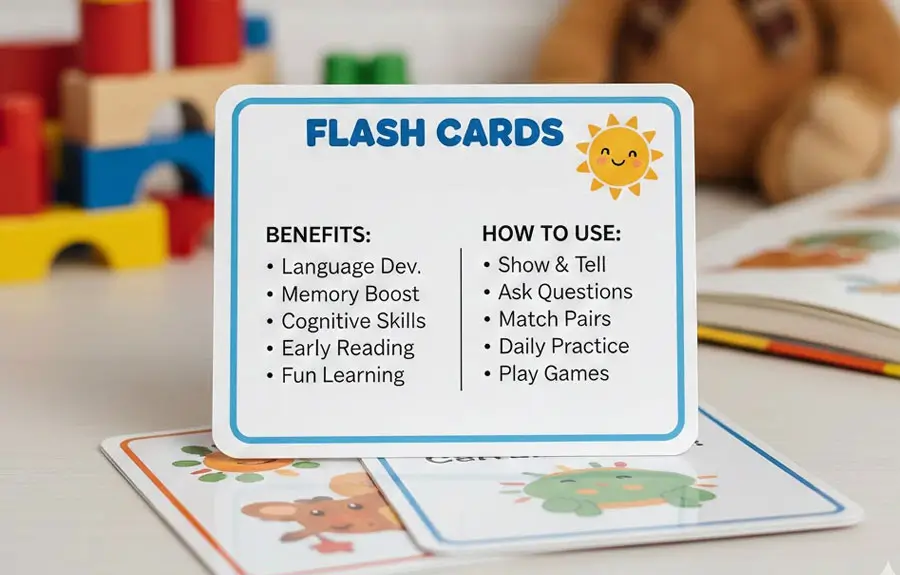
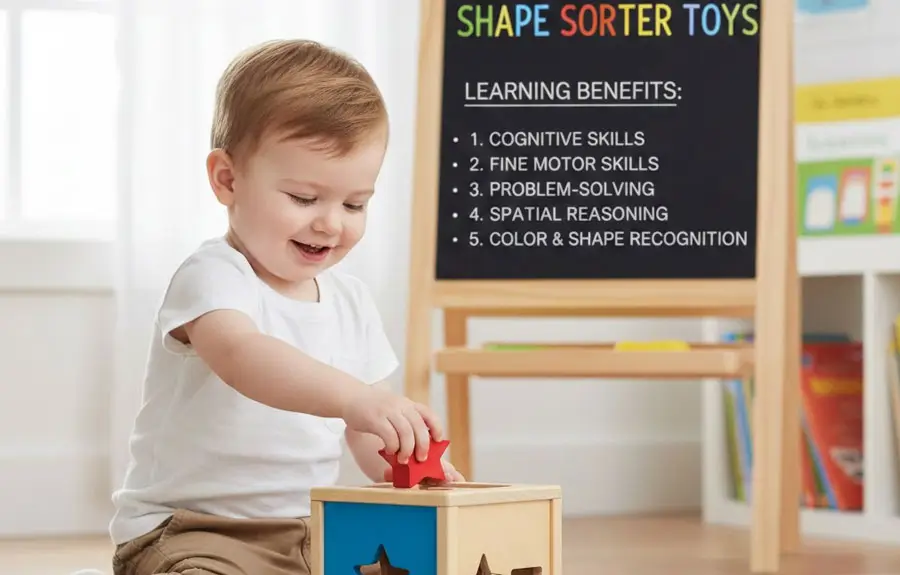
Picture books play an extraordinary role in shaping a child’s earliest learning experiences. Even before toddlers can speak clearly or understand full sentences, they respond deeply to visuals, colours, expressions and simple illustrations. Picture books are not just entertainment; they are powerful developmental tools that influence how toddlers see the world, interact with their surroundings and form early connections with language. When toddlers flip through pages filled with meaningful images, they begin making sense of objects, people, emotions and actions long before formal learning begins.
Early childhood is a period of rapid brain growth, and during this stage, children depend heavily on visual cues to interpret reality. Picture books satisfy this natural instinct by presenting familiar scenes, objects and characters in visually engaging forms. Bright colours, clean shapes and expressive illustrations stimulate curiosity, allowing toddlers to observe, compare and understand information in a structured yet playful way. Picture books support the earliest stages of cognitive and emotional development, making them indispensable for children between 0–6 years.
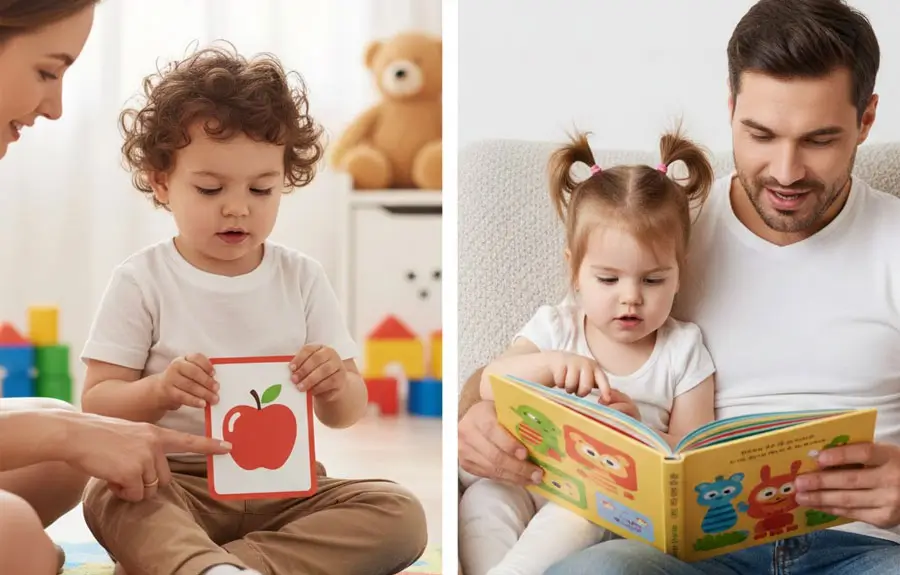
Picture books also encourage bonding between parents and children. When parents read with expressions, gestures and sound variations, children learn to associate the reading experience with comfort and joy. This emotional connection transforms books into a safe, engaging learning space. Toddlers enjoy listening to the rhythm of the parent’s voice, watching their face, observing how they react to images and feeling the closeness that comes with shared reading time. These moments create positive associations with books, which form the foundation for strong reading habits in later years.
Visual recognition is one of the strongest cognitive abilities in early childhood. Toddlers rely on visuals far more than verbal explanations because their language system is still developing. Picture books present information in a form that toddlers naturally understand. They see an image, recognise its features and relate it to something familiar in their environment.
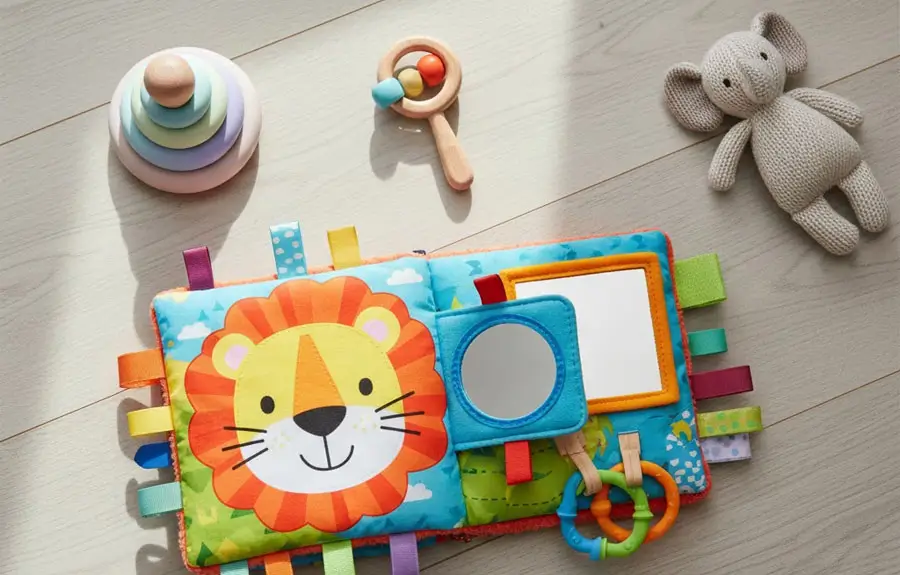
Picture books strengthen a toddler’s ability to notice details such as shapes, sizes, colours and textures. When a page shows an apple, a dog or a car, toddlers first observe the overall shape and then gradually learn to notice smaller details like colour, outline and distinguishing features. This observation process sharpens visual processing skills, which are essential for early development.
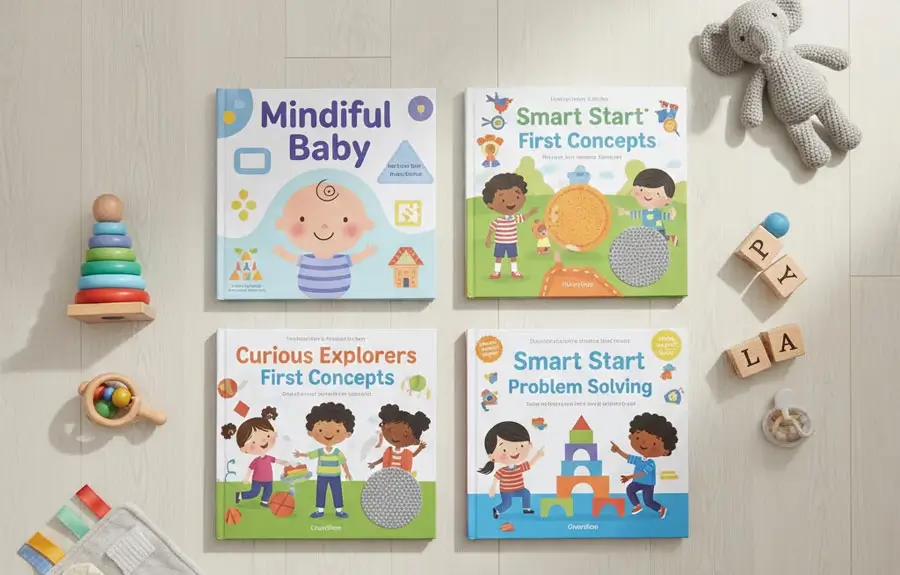
Through repeated exposure, toddlers begin forming categories. Seeing multiple animals in a picture book helps toddlers understand similarities and differences. When they observe a page with fruits, they naturally begin grouping them mentally. Such categorisation builds early logical thinking and strengthens memory.
Picture books also help toddlers recognise patterns. Repeated shapes, recurring characters, consistent colour palettes and familiar layouts support pattern awareness. Pattern recognition eventually helps toddlers understand sequences, early mathematics concepts and structured learning in school.
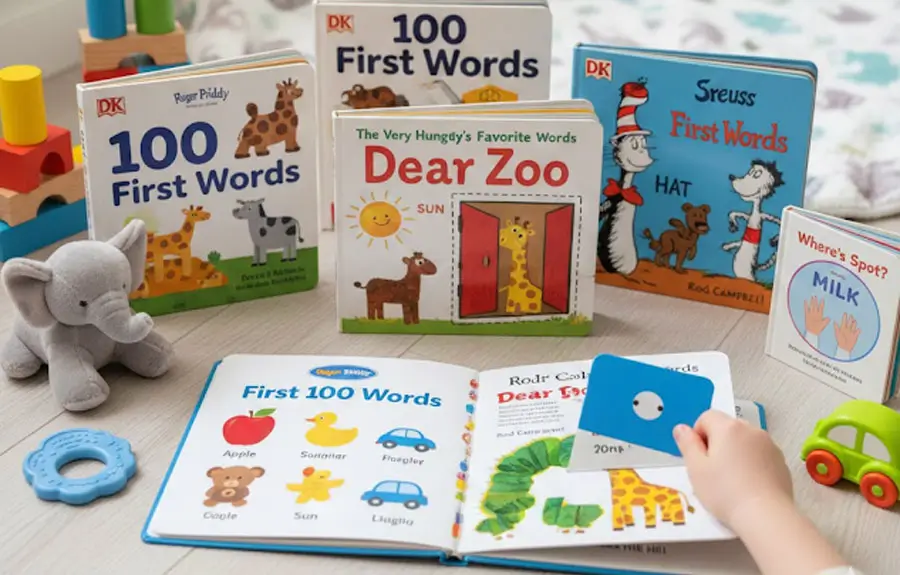
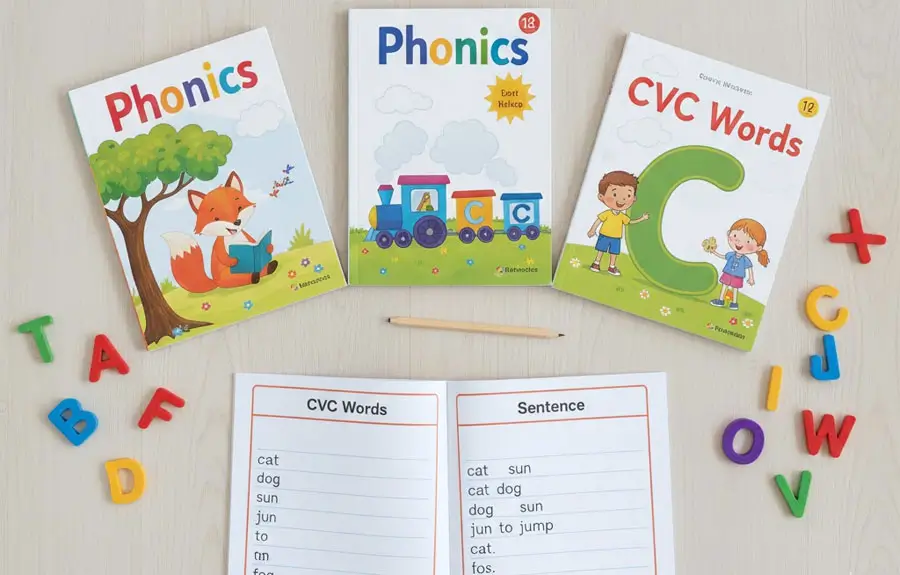
Picture books are often a child’s first introduction to language. Toddlers may not understand long sentences, but they understand images paired with simple words. This pairing creates a natural learning bridge between visuals and language. Children begin absorbing vocabulary through repetition, observation and parent interaction.
When a parent points to a picture of a bird and says the word clearly, the toddler forms a direct association between the object and the word. Over time, these associations turn into early vocabulary. Picture books also help toddlers connect words to actions. For example, when an illustration shows a child sleeping, playing or laughing, toddlers understand verbs visually before learning them verbally.
This structured exposure creates strong language pathways. Toddlers start responding to words, repeating sounds and expressing themselves through gestures. With continued exposure, they begin speaking simple words and identifying objects without prompts. Picture books are one of the most effective tools for early speech development because they combine emotion, visuals and storytelling naturally.
Reading picture books with animated expression helps toddlers capture tone, rhythm and emotion in language. They observe how parents emphasise certain words, change their voice for characters or react to images. These cues help toddlers understand how language conveys meaning, feelings and intention.
Toddlers experience a wide range of emotions, but they often struggle to interpret or express them. Picture books introduce emotional awareness in a simple and relatable way. Illustrations showing happy, sad, angry, excited or surprised characters help toddlers recognise feelings visually.
By observing facial expressions and body language in pictures, toddlers learn to understand emotions through context. This builds emotional intelligence, making it easier for them to express their own feelings. Books that depict family routines, friendships, challenges or comforting scenes help toddlers feel secure and understood. They learn empathy by observing how characters support each other or react to different situations.
When parents discuss pictures with toddlers by asking questions like “How does the boy feel?” or “Why is the girl smiling?”, children learn to relate images to emotions. This simple conversation helps toddlers recognise and validate their own feelings. The emotional learning that picture books provide plays a major role in developing social skills, self-awareness and confidence.
Picture books strengthen cognitive development by presenting information in a sequential and organised form. Even books without written words follow a natural storyline that toddlers can interpret visually. This early exposure to narrative flow supports memory, reasoning and comprehension.
Toddlers learn to anticipate what comes next in the story. When a character begins an action, toddlers look to the next page to see what happens. This anticipation builds logical thinking and prediction skills, which are crucial for problem-solving later in life.
Picture books also expose toddlers to cause-and-effect relationships. When they see a picture where a child spills water and in the next image the floor becomes wet, toddlers begin understanding how actions lead to outcomes. This early comprehension supports stronger analytical thinking as the child grows.
Cognitive development is further strengthened when toddlers participate actively. When they turn pages, point at illustrations and respond to parent questions, they practise decision-making and focus. The interactive nature of picture books aligns with a toddler’s natural curiosity, making learning effortless and enjoyable.
One of the biggest challenges with toddlers is maintaining their attention. Picture books help improve concentration by offering visually engaging content that holds their interest. Bright illustrations, expressive characters and simple layouts attract toddlers and encourage them to focus on each page.
As toddlers spend more time observing details, they naturally extend their attention span. Books with rhythmic repetition, familiar characters or simple sequences keep toddlers curious. When they flip through pages independently, they practise self-guided focus.
Structured visual flow helps toddlers follow along without feeling overwhelmed. Books that use consistent themes or recurring characters support memory and continuity. Each return to the same book strengthens familiarity and deepens focus. These habits contribute to longer concentration during play, learning and communication in daily life.
Parents can encourage focus by reading slowly, asking simple questions and allowing toddlers to turn pages at their own pace. The combination of independence and guided attention makes picture books an effective tool for developing concentration naturally.
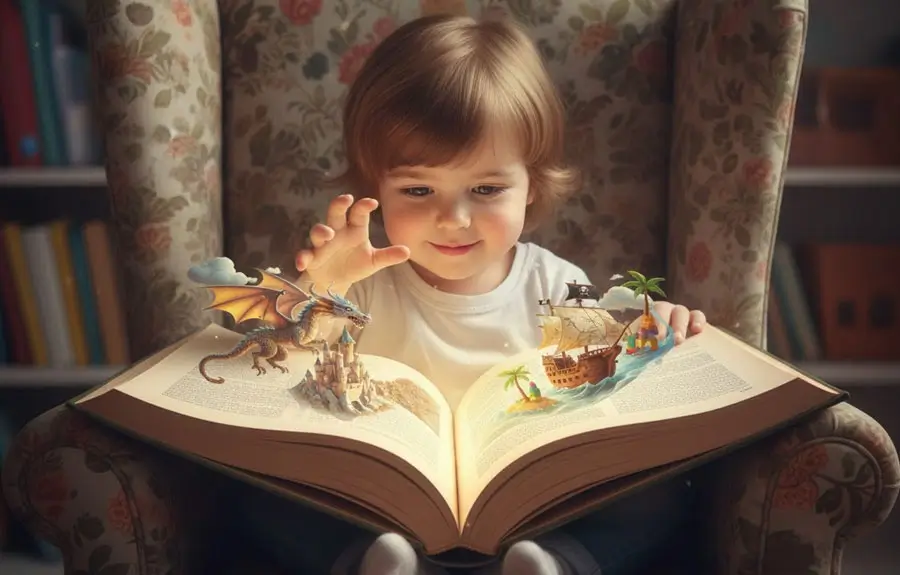
Picture books ignite imagination by presenting visuals that encourage interpretation. Toddlers often enjoy imagining the sounds, movements and emotions behind illustrations. When they see animals, vehicles, forests, toys or fantasy characters, their imagination expands.
Books with creative scenes introduce toddlers to worlds beyond their immediate environment. Whether it is an animal wearing clothes, a character flying or a colourful imaginary landscape, toddlers begin exploring possibilities through visuals. This imaginative thinking supports creative expression later in drawing, storytelling and role play.
Picture books also inspire curiosity. When toddlers see images that are slightly unusual or funny, they ask questions or express interest. This questioning behaviour is essential for intellectual growth. Picture books provide endless opportunities for imagination, helping toddlers visualise stories even before they can read words.
Repetition is a powerful learning tool for toddlers, and picture books naturally incorporate repeated elements. Toddlers often request the same book multiple times, not because they lack variety but because repetition builds familiarity and confidence.
Each repeated reading session strengthens memory. Toddlers recall characters, images, sequences and even the parent’s tone while reading. Familiarity reduces anxiety and makes toddlers more willing to learn new words or details.
Books with recurring characters or consistent visual patterns help toddlers retain information more efficiently. Memory improves further when toddlers are encouraged to point at familiar objects or complete phrases based on the pictures. Picture books create a perfect balance between new information and repeated learning, supporting strong memory formation.
Picture books often depict family interactions, friendships, sharing, helping and other social behaviours. Toddlers learn important social cues by watching how characters behave in different situations. These early exposures teach toddlers how to interact politely, share toys, express gratitude or seek help.
Books that show group activities or daily routines help toddlers understand how people engage with each other. When parents explain these scenes, toddlers learn basic social habits without needing direct instruction.
This early social learning is essential for preschool readiness. Toddlers who understand social behaviour through picture books adapt better to group environments because they recognise common interactions.
Picture books support early language, memory, cognitive skills and emotional development.
Visuals are processed faster, making pictures the strongest early learning tool.
Daily short sessions help toddlers absorb visuals and develop interest naturally.
Yes, picture–word association strengthens vocabulary and early speech patterns.
Absolutely; visuals help them understand concepts even before they speak.
Engaging visuals encourage longer focus and consistent concentration.
Yes, expressive illustrations help toddlers understand feelings.
Both wordless and simple-word books are beneficial for early development.
Creative visuals inspire toddlers to think beyond their surroundings.
They prepare toddlers with essential skills needed for structured learning.

We offer fast delivery.

We offer E-Gift Cards.

Dedicated 24/7 support.

100% secure payment.

 My Order
  0
0