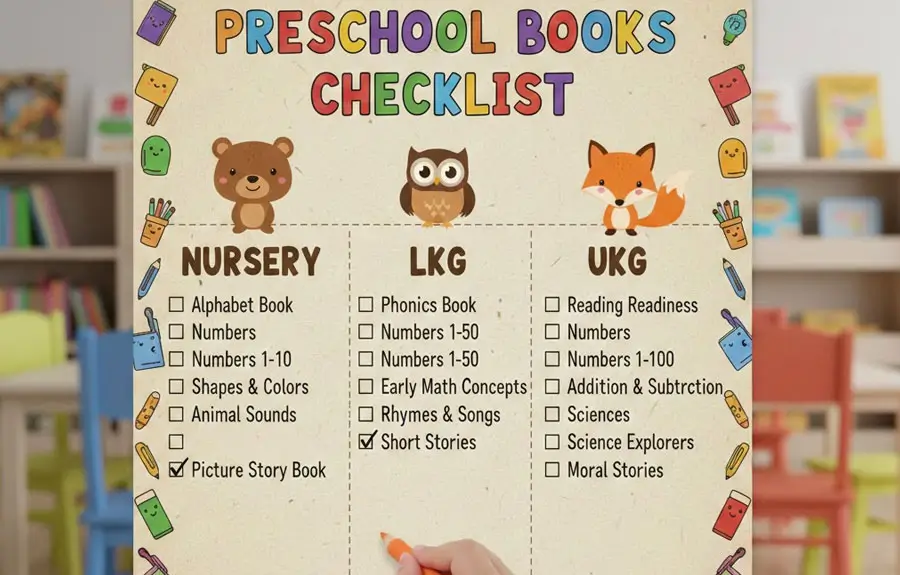
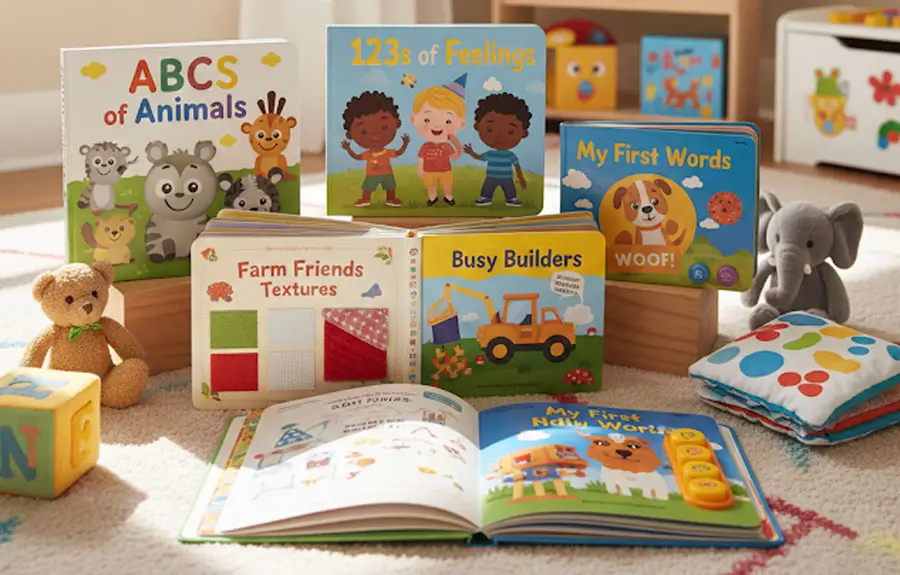
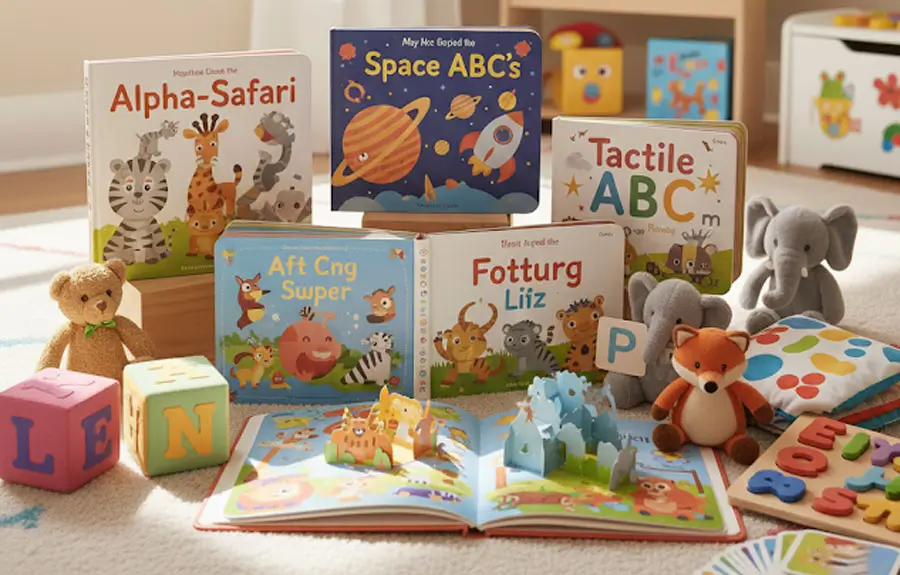
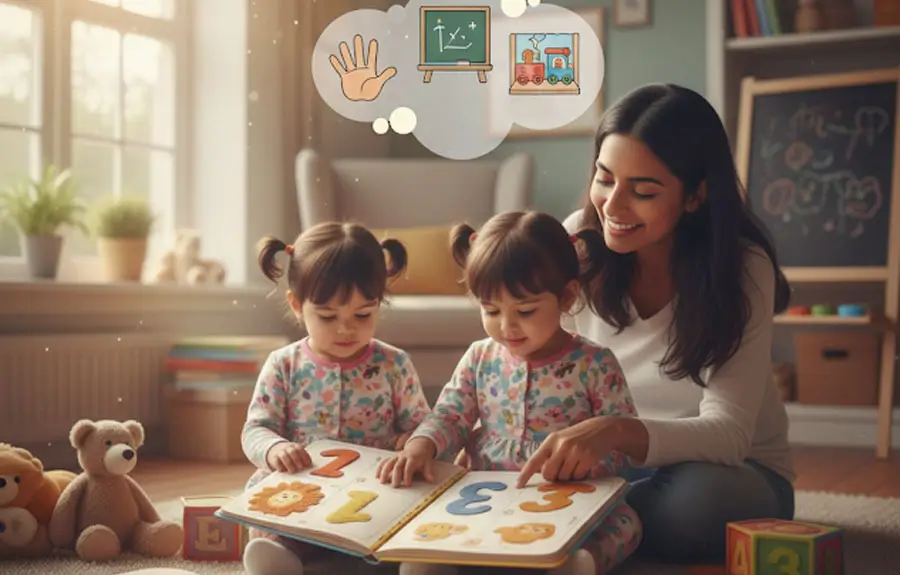
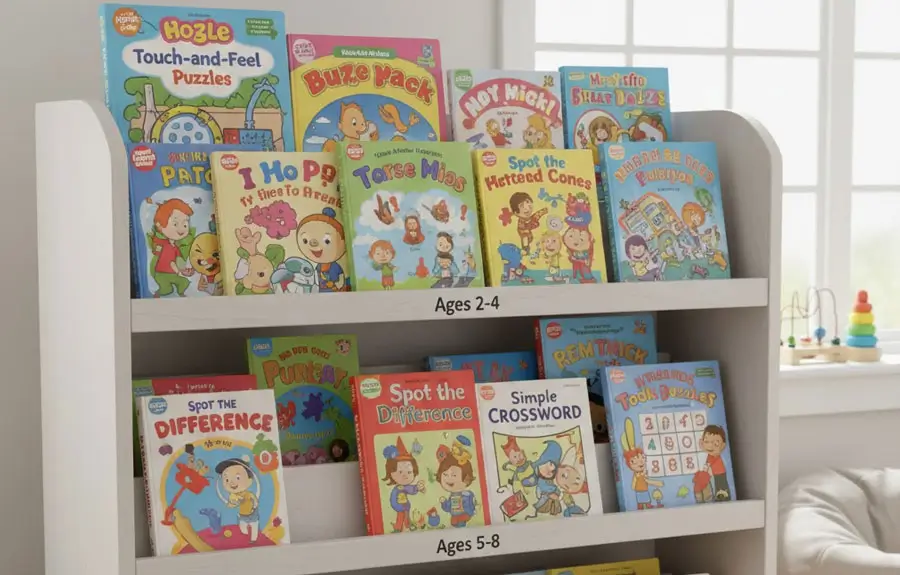
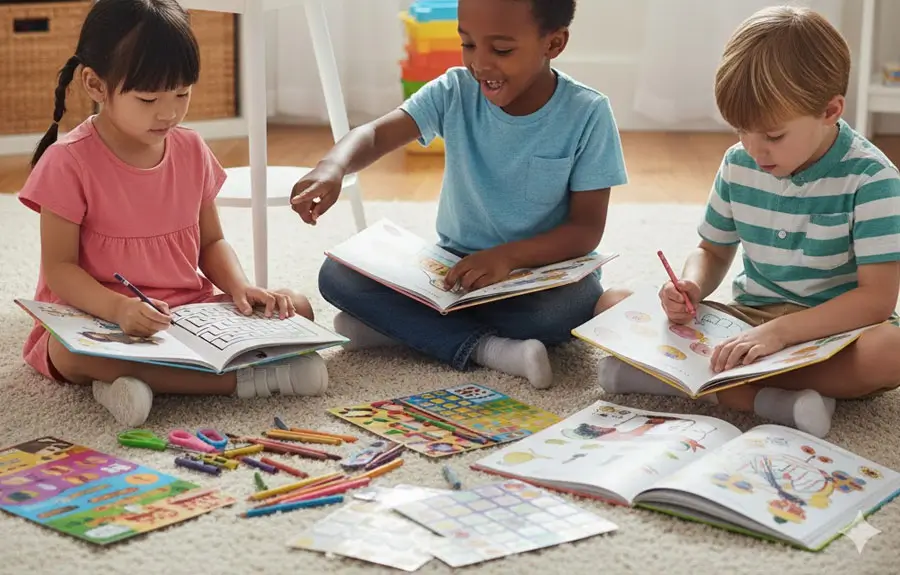
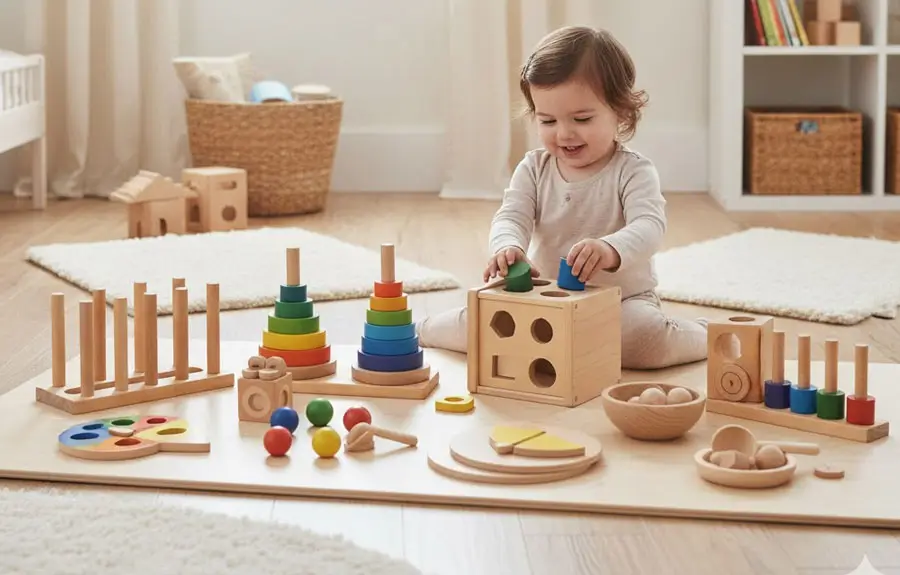
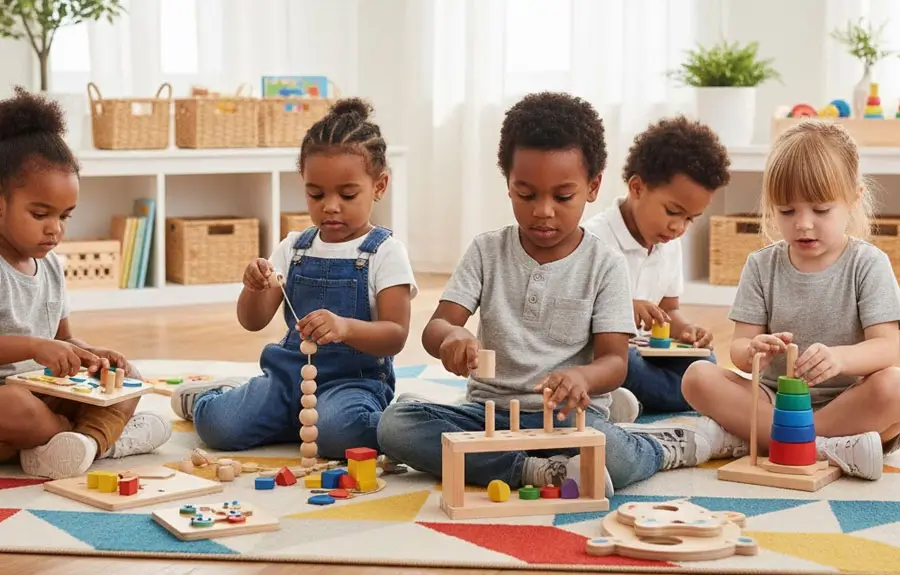
Preschool is the foundation of a child’s educational journey. The right books build early skills that shape how confidently and smoothly children transition into primary school. From first writing strokes to reading small words, from identifying shapes to solving simple logic tasks, preschool books guide children through essential milestones. A well-planned preschool books checklist ensures that children in Nursery, LKG and UKG receive balanced exposure to language, numeracy, creativity, concept-building and early problem-solving.
Parents often feel confused about which books are necessary and which ones actually help. Preschool learning is not about heavy academics; it is about developing confidence, curiosity and readiness. Books should create joyful learning experiences through colourful visuals, simple tasks, interactive concepts and development-friendly content. A high-quality preschool book set covers tracing, phonics, numbers, colours, patterns, picture reading, rhymes, basic logic, early maths and general awareness in a calm and child-friendly style.
Each preschool level has its own focus. Nursery lays the foundation, LKG strengthens patterns and early phonics, while UKG prepares children for structured academic learning. This guide explains the essential books for each level and why they matter.
A structured preschool book plan ensures that children build skills step by step instead of rushing or skipping important developmental stages. Preschool learning cannot be random; books must be carefully chosen to match the child's age, attention span and learning readiness.
A proper checklist helps children:
Books act as learning partners that guide children gently through essential concepts. With the right preschool books, learning feels natural instead of challenging.
All preschool books should support balanced development. Children should not only learn academics but also creativity, motor skills, social skills and early cognitive skills.
Preschool books cover:
These learning areas prepare children for more advanced reading, writing and maths in higher classes.
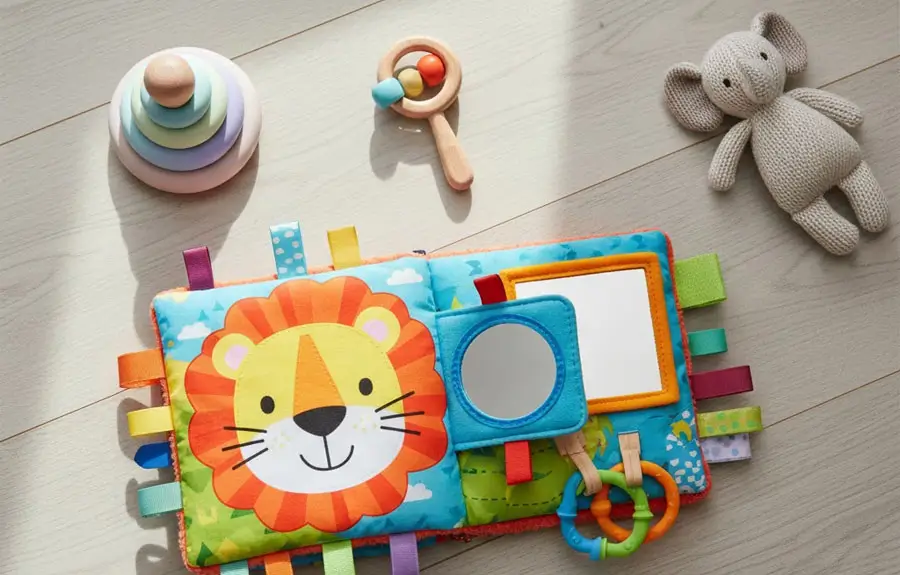
Nursery is about exposure, curiosity and foundational learning. At this level, children learn through repetition, visuals and simple activities. Books should encourage exploration rather than memorisation.
Pre-Writing and Scribbling Books
Nursery children first learn to hold crayons and move their hands freely. Pre-writing books introduce curves, zigzags, waves and basic lines. These activities make finger muscles strong and prepare children for structured writing later.
Alphabet Picture Books (A–Z Awareness)
At Nursery level, children are not expected to write letters. They learn to recognise letters and associate them with pictures. An alphabet picture book with bold visuals improves vocabulary, sound recognition and visual memory.
Number Recognition Books (1–10)
Nursery children learn numbers visually, not through writing. Picture-based number books help kids count objects, identify quantities and understand early maths concepts.
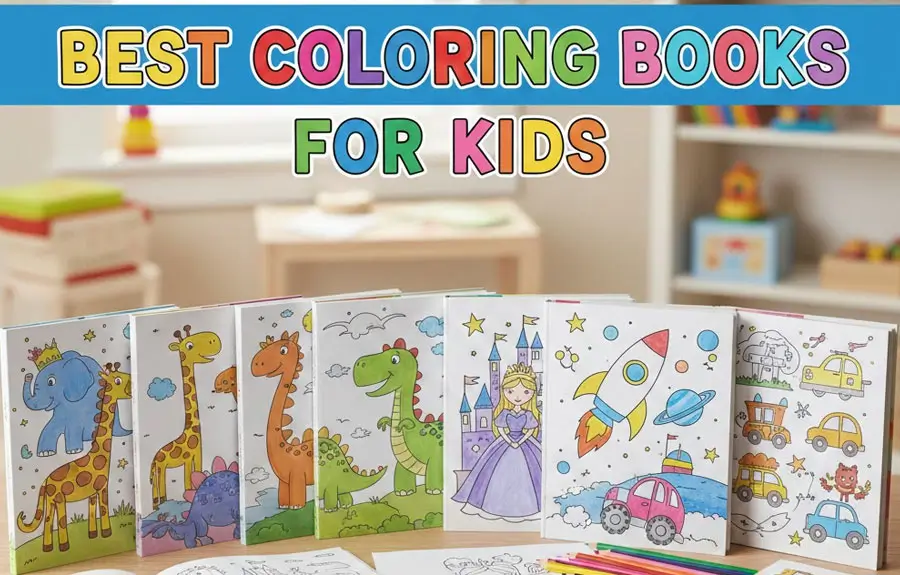
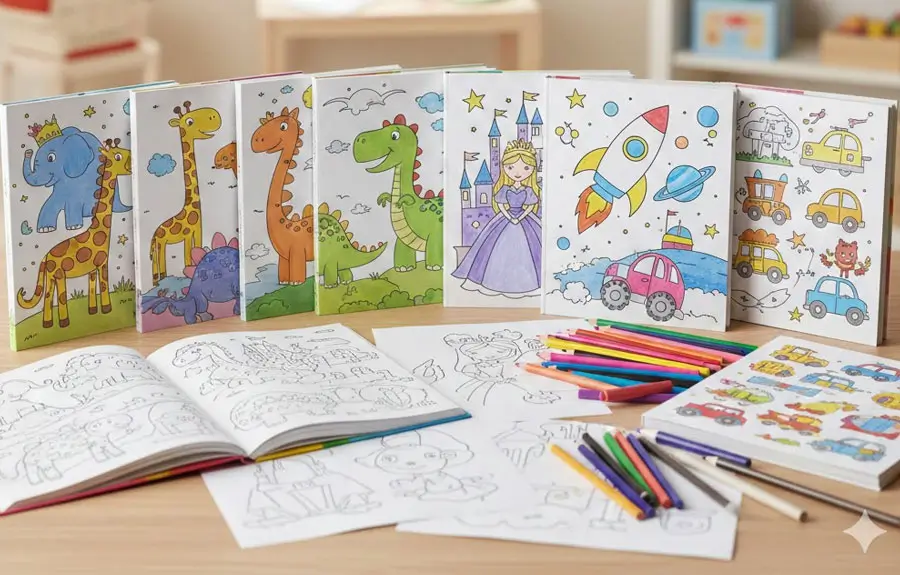
Colouring Books
Simple colouring books encourage creativity, improve hand control and build focus. Nursery colouring books should have thick outlines and large spaces.
Shapes and Colour Concept Books
These books introduce circle, triangle, square, rectangle and basic colours. Children understand classification and early geometry through simple visuals.
Rhymes & Early Vocabulary Books
Rhymes help children learn rhythm, pronunciation and memory. Vocabulary picture books introduce everyday objects like fruits, animals, vehicles and household items.
LKG expands on Nursery learning and gently introduces phonics, structured writing and number formation. At this stage, learning becomes slightly more organised.
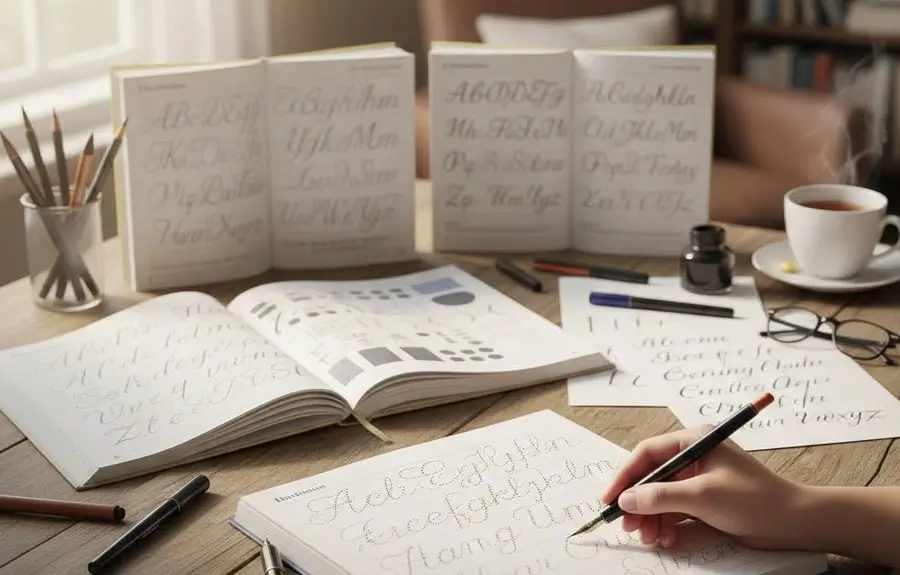
English Writing Books (A–Z Tracing)
LKG students begin tracing capital and small letters. Books should have dotted patterns, thick lines and guided arrows.
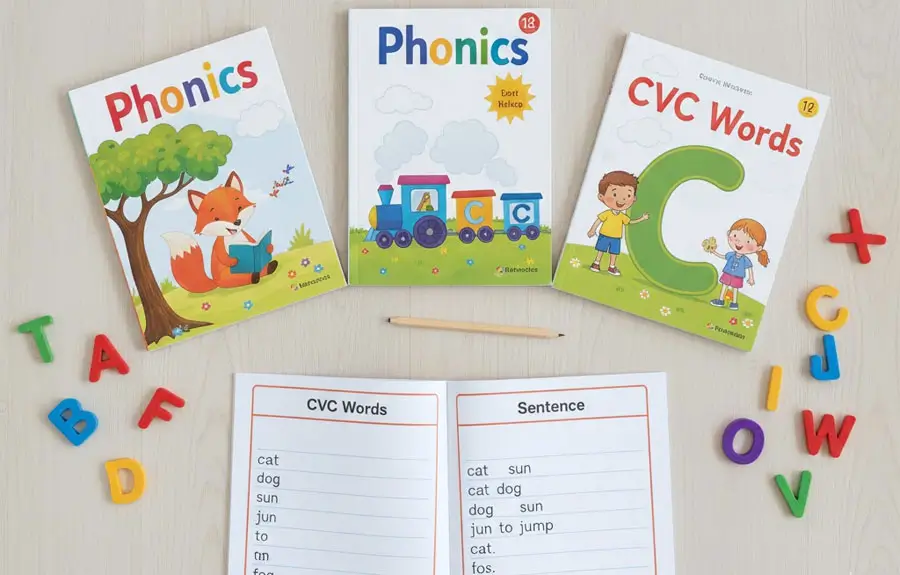
Phonics Books (Sounds & Early Blends)
A strong phonics foundation helps children learn reading faster. LKG phonics books teach:
These books transform letter recognition into sound-based reading readiness.
Number Writing Books (1–50)
Children learn correct formation of numbers with proper strokes. Books should include counting, matching and simple activities.
Pattern Writing Books
Pattern books teach advanced shapes, curves and strokes that improve handwriting strength.
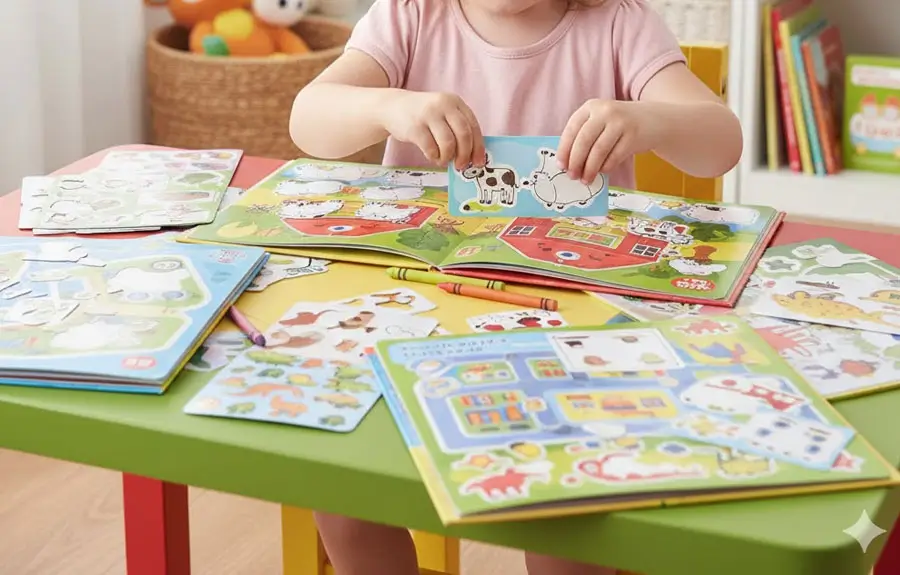
Picture Reading Books
Children learn observation, vocabulary and sequencing through simple pictures and short stories.
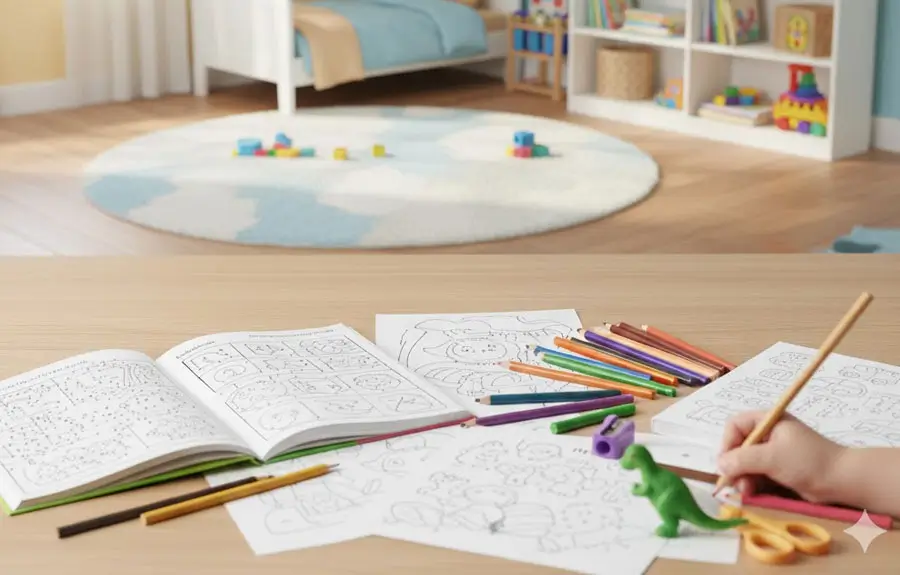
Activity Books for LKG
These books cover matching, sorting, colouring, puzzles and basic logic tasks that improve thinking ability.
General Awareness Books
These books introduce:
This builds curiosity and world awareness.
UKG is the final preschool stage. The focus is on school readiness — reading, writing, early maths and structured thinking.
English Writing Books (A–Z & a–z Revision)
Children refine handwriting, practise strokes and write independently without dots.
Phonics & Reading Books
UKG students learn to read small words and short sentences. Books include:
A strong phonics + reading book set prepares children for primary-level English.
Number Books (1–100 with Simple Addition)
Children practise writing numbers clearly and begin early maths activities such as:
Books must keep learning visual and child-friendly.
Advance Pattern & Handwriting Improvement Books
These books help children improve writing fluidity and neatness.
General Knowledge Books
Kids learn topics such as:
These books support overall growth and thinking ability.
Logic & Activity Books
Activity books build reasoning through:
These help children transition smoothly to problem-solving tasks in higher classes.
Story Books for Reading Confidence
Short moral stories and picture-based stories strengthen imagination, reading fluency and language skills.
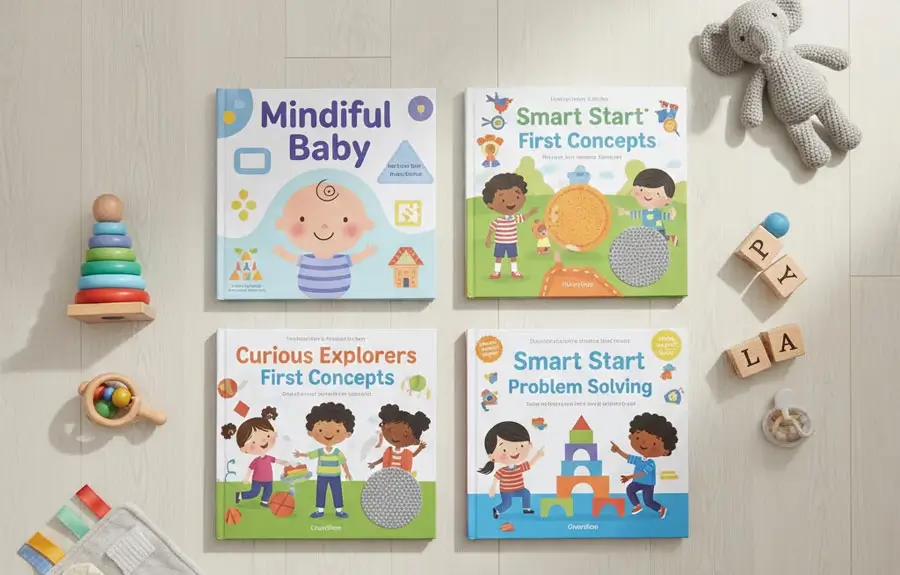
Each book in the checklist supports a specific developmental skill. When combined, these books create a complete preschool foundation.
Fine Motor Skills
Tracing, colouring and pattern writing books strengthen hand muscles and improve writing control.
Language & Phonics Skills
Alphabet, phonics and vocabulary books build sound recognition, speaking and reading readiness.
Number Sense
Counting, matching and writing numbers build early mathematical thinking.
Cognitive Skills
Logical reasoning, observation and problem-solving grow through activity books.
Creativity & Expression
Colouring books, art books and storytelling books enhance imagination and expression.
General Knowledge
Children learn about the world around them, building curiosity and awareness.
Preschool learning must always feel fun. Parents play an important role in making books part of daily routine without pressure.
Parents can:
Learning becomes joyful when parents guide gently.
A complete preschool book set balances academics with emotional and creative growth. Children need a mix of:
Holistic learning prepares a child academically, socially and emotionally for school life.
With the right preschool books, children enter primary school with confidence. They are able to recognise words, write letters neatly, understand numbers, solve basic puzzles and express themselves clearly.
Children with a strong preschool foundation:
This early success builds lifelong learning confidence.
Yes, this complete checklist covers writing, reading, phonics, numbers and general knowledge.
Pre-writing, alphabet picture books, number recognition and simple colouring books.
Phonics is essential for reading readiness and helps children decode words confidently.
Two to three light books per day are enough when learning is kept fun and short.
Yes, they strengthen logic, observation and cognitive skills.
Hands-on writing, colouring and activity books naturally engage children without screens.
Story books build imagination, vocabulary, confidence and emotional intelligence.
No, gentle guidance and short sessions work far better.
Yes, they build essential writing, reading and maths foundations.
Tracing helps improve handwriting control, but UKG should also include independent writing.

We offer fast delivery.

We offer E-Gift Cards.

Dedicated 24/7 support.

100% secure payment.

 My Order
  0
0