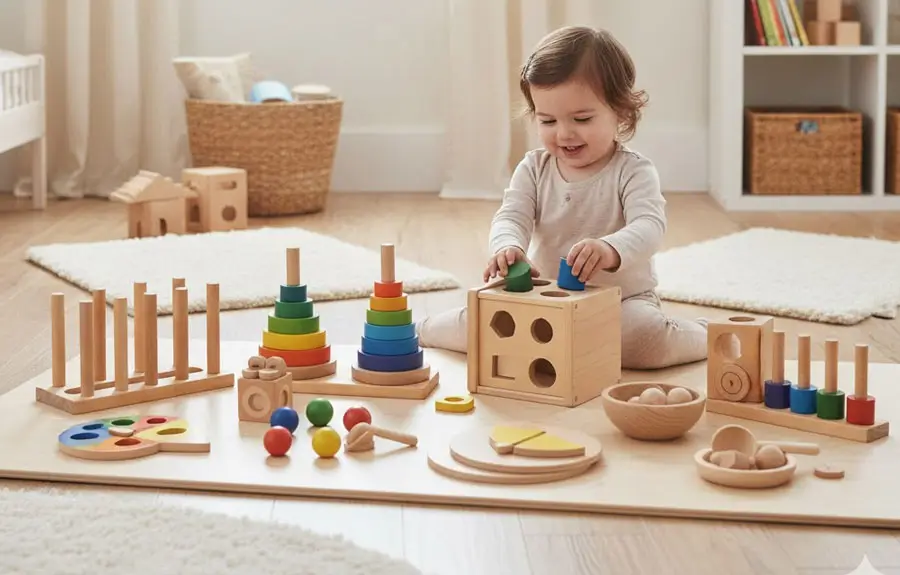
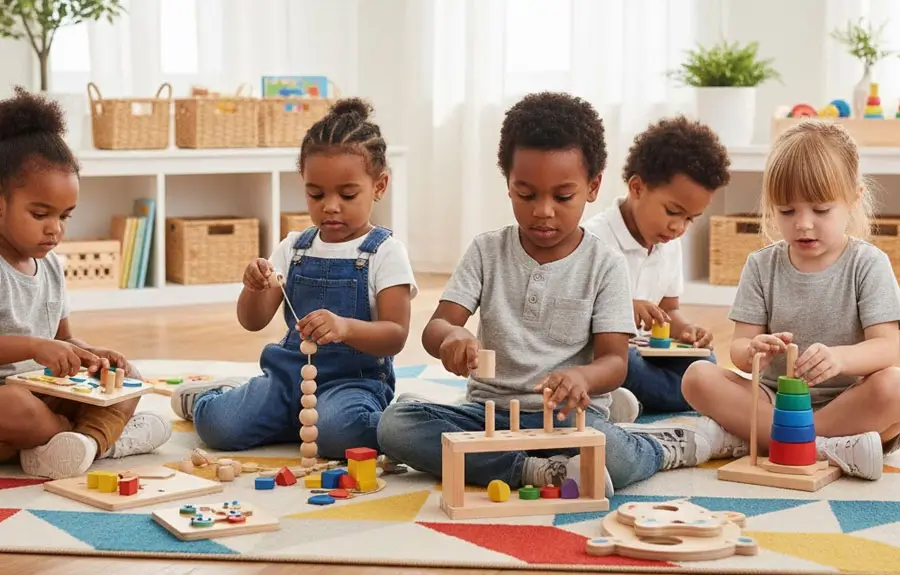
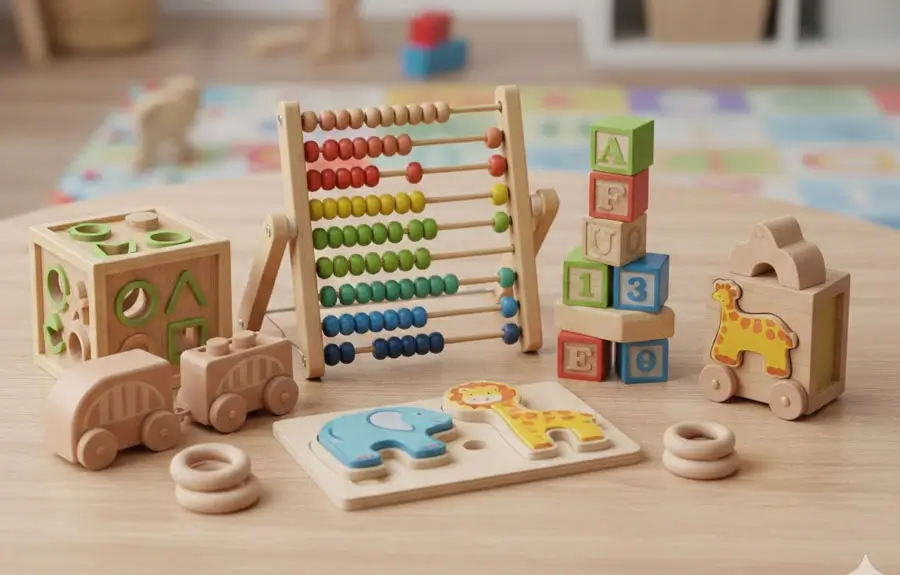
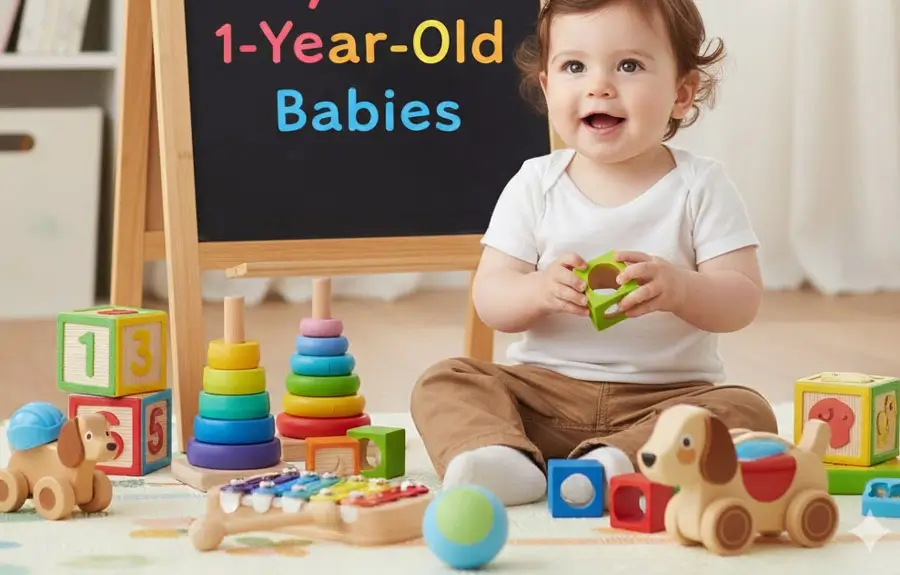
Wooden toys have been a part of childhood for generations, and today, they are more popular than ever — especially among parents who want meaningful, safe and development-focused play experiences for their children. Unlike plastic or battery-operated toys that often overload kids with lights, music and distractions, wooden toys for kids offer calm, focused and open-ended play. They invite children to imagine, explore, build, balance and think independently, making them one of the most powerful educational tools for early development.
Wooden toys are safe, durable and environmentally friendly. Their natural textures, gentle weight and simple shapes help children stay grounded and engaged. These toys do not overstimulate; instead, they encourage problem-solving, concentration and creativity. They also activate multiple developmental areas — fine motor skills, gross motor control, sensory awareness, logical thinking, early math skills and imaginative play. The beauty of wooden toys lies in their simplicity, which allows the child’s creativity to take the lead.
Kids learn best when they are not overloaded with instructions or flashing distractions. Wooden toys offer slow, mindful play that strengthens the brain more effectively than passive entertainment. Whether it is stacking blocks, solving wooden puzzles, sorting shapes, balancing pieces or creating imaginary worlds with wooden animals, children grow cognitively, emotionally and physically through every experience.
Wooden toys are designed to support natural learning. They are heavier, sturdier and offer real textures that stimulate sensory learning. Their simplicity allows children to focus on the actual task rather than getting distracted by lights or sounds.
Wooden toys help children:
These toys are quieter, calmer and more purposeful than electronic toys. They also encourage children to play independently because they are not dependent on external stimulation.
Wooden toys have long-term value. They grow with the child, allowing toddlers, preschoolers and even older kids to enjoy them in different ways.
Safety is one of the biggest reasons parents choose wooden toys. High-quality wooden toys are made from natural materials, are free from harmful chemicals and are extremely durable.
Wooden toys are safer because:
The solid construction prevents easy breakage, making wooden toys ideal for toddlers who tend to drop, throw or chew toys.
Many wooden toys also use water-based, child-safe paints. This ensures children can explore freely without risk.
Fine motor skills involve the precise movements of small muscles in the hands and fingers. Wooden toys offer the perfect resistance, weight and feel to strengthen these muscles naturally.
Effective wooden toys for fine motor development include:
These toys require toddlers to grip, lift, twist, push and pull. Wooden materials provide better resistance than plastic, encouraging stronger muscle usage. Regular play improves wrist control, grip strength and finger dexterity — essential for writing, drawing and everyday tasks.
Children learn through their senses. Wooden toys offer rich sensory experiences because of their natural textures, temperature and weight.
Wooden toys improve sensory development by helping children:
Unlike glossy plastic, wood feels warm and grounded. This tactile quality enhances sensory awareness and makes the child more attentive to details. Sensory-rich play supports emotional regulation, concentration and early problem-solving.
One of the best features of wooden toys is their open-ended nature. They do not dictate how children should play. Instead, they encourage imagination.
Open-ended play helps children:
Examples of creative wooden toys include:
These toys allow children to explore limitless possibilities. A wooden block can become a car, a tower, a phone or a bridge. This flexibility makes wooden toys more educational than pre-programmed electronic toys.
Wooden toys often require kids to think, analyse and solve problems. They may need to figure out:
These challenges develop logical reasoning, spatial intelligence and patience. Kids learn to try different possibilities, understand cause and effect and make decisions confidently.
Problem-solving skills developed through wooden toys help children in academics, especially mathematics and science.
Wooden toys strengthen the connection between what children see and how they move. Toys that require placing, aiming, stacking or threading help kids refine hand–eye coordination.
Examples include:
Children learn to judge distances, follow movement patterns and adjust their hands to fit objects accurately. This coordination supports sports skills, writing readiness and overall physical control.
Wooden toys help children understand basic math and science concepts naturally during play.
Kids learn:
Block play teaches physics — weight, gravity, stability, angles and force — without formal instruction. Sorting toys introduce categorisation and classification. Pattern toys develop logical thinking.
Wooden toys integrate learning with play effortlessly.
Wooden toys promote calm, mindful play. Unlike overstimulating toys, wooden toys help children stay focused and emotionally balanced.
They help children develop:
Wooden toys are excellent for group play too. Children build structures together, create stories or solve puzzles collaboratively, improving communication and social interaction.
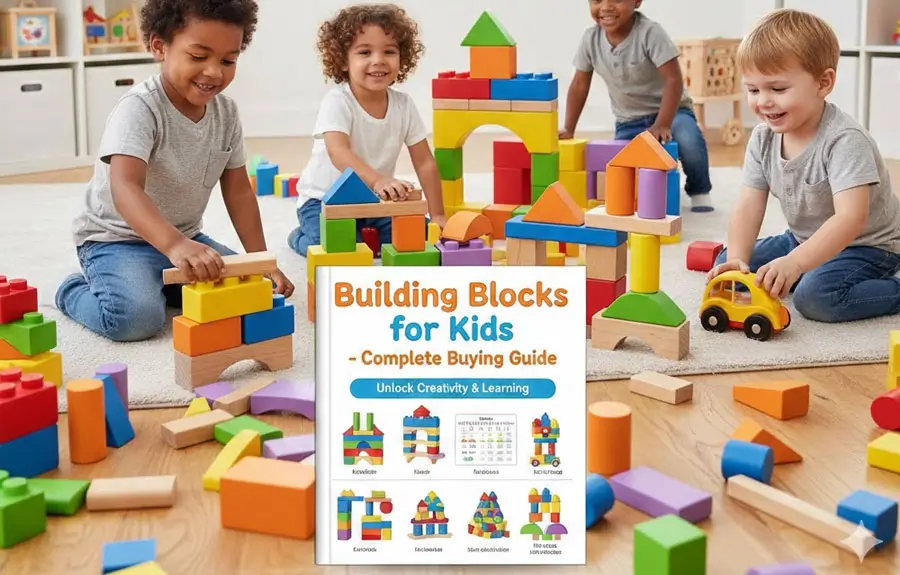
Wooden Building Blocks
Support creativity, structural reasoning, balance and fine motor skills.
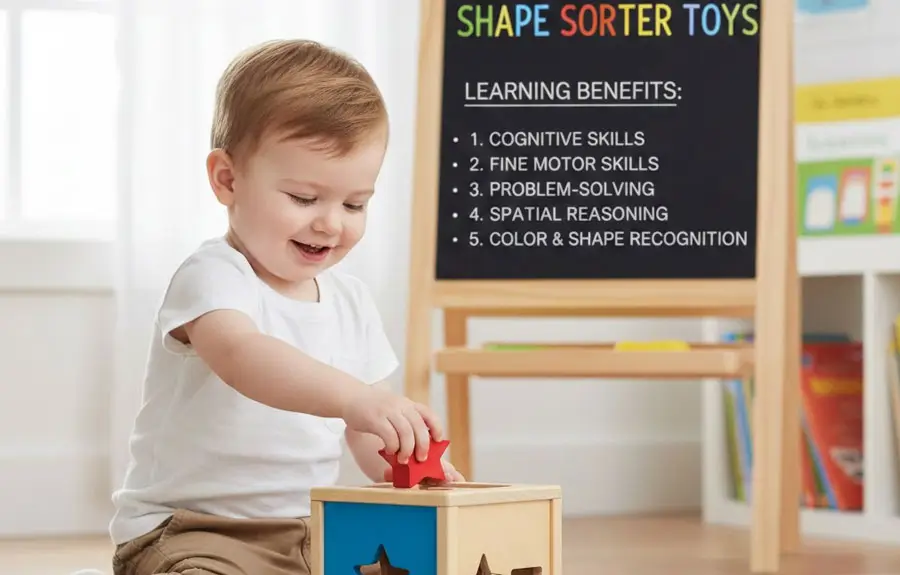
Shape Sorter Box
Teaches shape recognition, logical thinking and hand–eye coordination.
Wooden Stacking Rings
Improve sorting, size comparison and grip strength.
Montessori Object Permanence Box
Helps toddlers understand cause and effect and improves focus.
Wooden Animal Sets
Encourage imagination, storytelling and vocabulary.
Wooden Puzzles with Knobs
Promote grip strength, shape matching and memory.
Lacing and Threading Sets
Strengthen finger muscles and develop patience.
Hammer-and-Peg Bench
Enhances alignment accuracy and hand movement control.
Wooden Rainbow Stacker
Encourages open-ended creativity, balance and colour recognition.
Peg Boards
Improve coordination, sorting skills and motor precision.
Stacking Stones
Teach balance, concentration and problem-solving.
Pull-Along Wooden Toys
Support walking confidence and gross motor development.
Wooden Counting Beads
Introduce math concepts like counting and pattern creation.
Loose Parts Play Sets
Enhance creativity, imagination and independent thinking.
Wooden Dollhouse or People Figures
Support role-play, emotional growth and storytelling.
Wooden Car and Vehicle Sets
Promote movement-based learning and imaginative exploration.
Shape and Colour Sorting Trays
Teach organisation, matching and early logic.
Wooden Ball Run
Improves motion tracking and cause-effect understanding.
Balance Board
Strengthens gross motor skills, posture and flexibility.
Wooden Stacking Cubes
Help develop comparison, classification and early math skills.
Parents can make the most of wooden toys by:
Wooden toys shine when children use them freely and creatively.
Yes, high-quality wooden toys are durable, non-toxic and safe for young children.
They support creativity, problem-solving and logical thinking.
Wooden toys offer better sensory experiences, durability and educational value.
They provide engaging, hands-on play that keeps kids away from screens.
Yes, they strengthen fine motor control needed for handwriting.
No, open-ended wooden toys allow endless creative play.
Yes, they are made from natural, sustainable materials.
They strengthen shape recognition, recall and spatial memory.
Both are helpful, but independence should be encouraged.
Yes, they support math, science, language, motor skills and creative development.

We offer fast delivery.

We offer E-Gift Cards.

Dedicated 24/7 support.

100% secure payment.

 My Order
  0
0