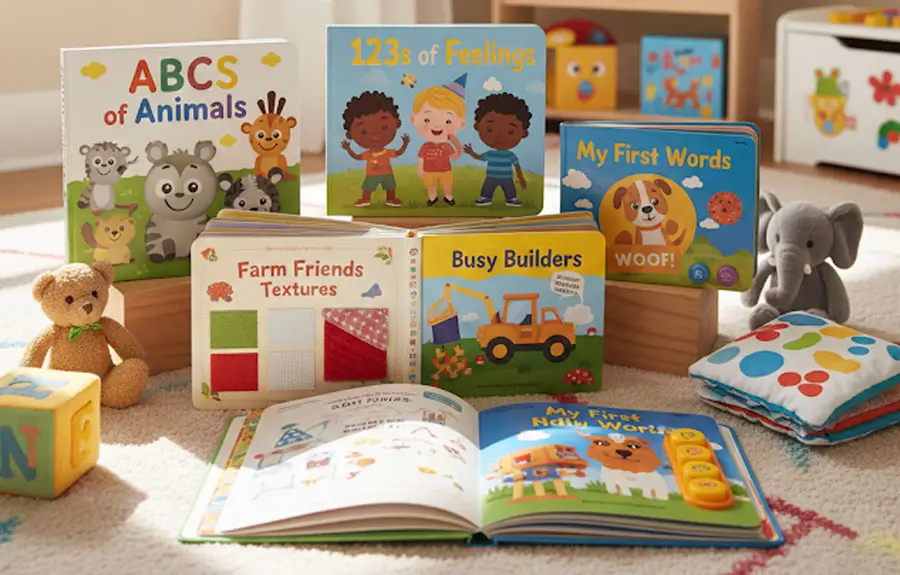
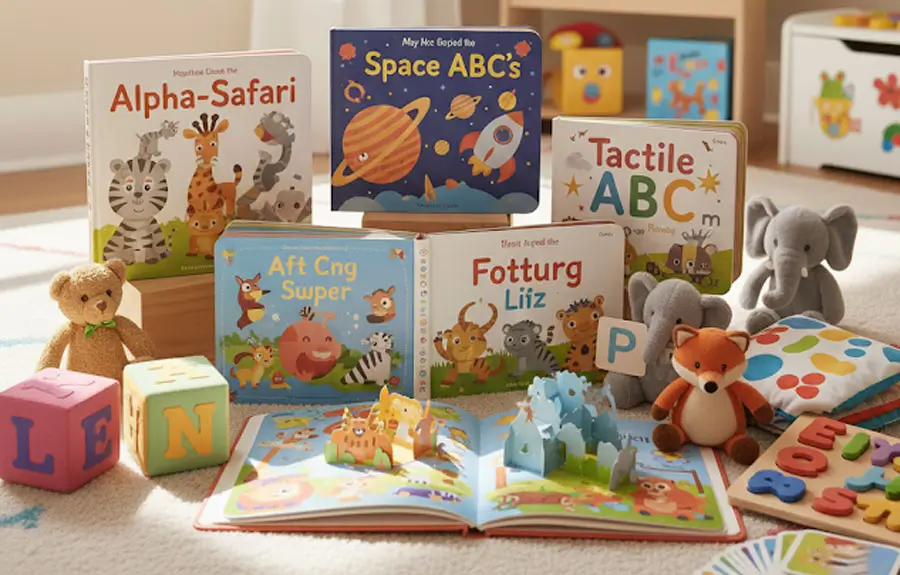
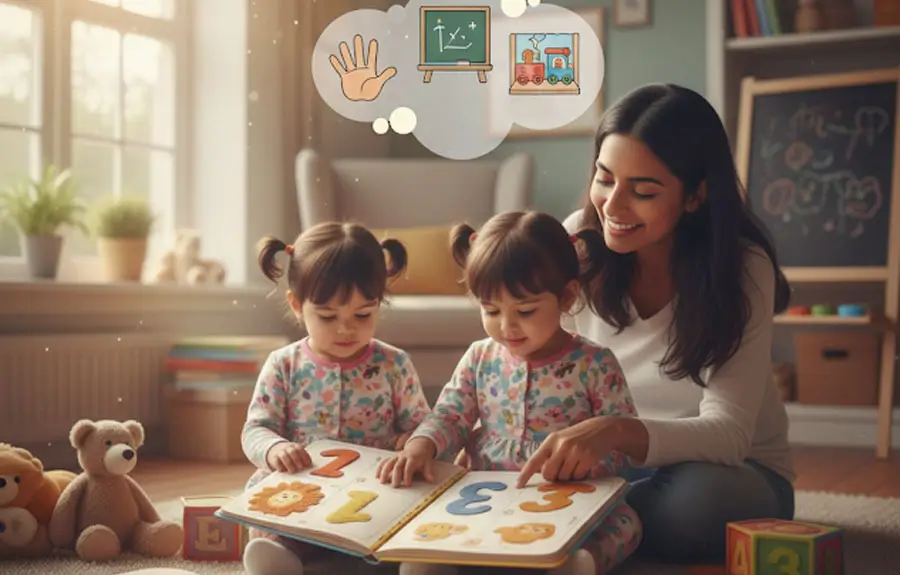
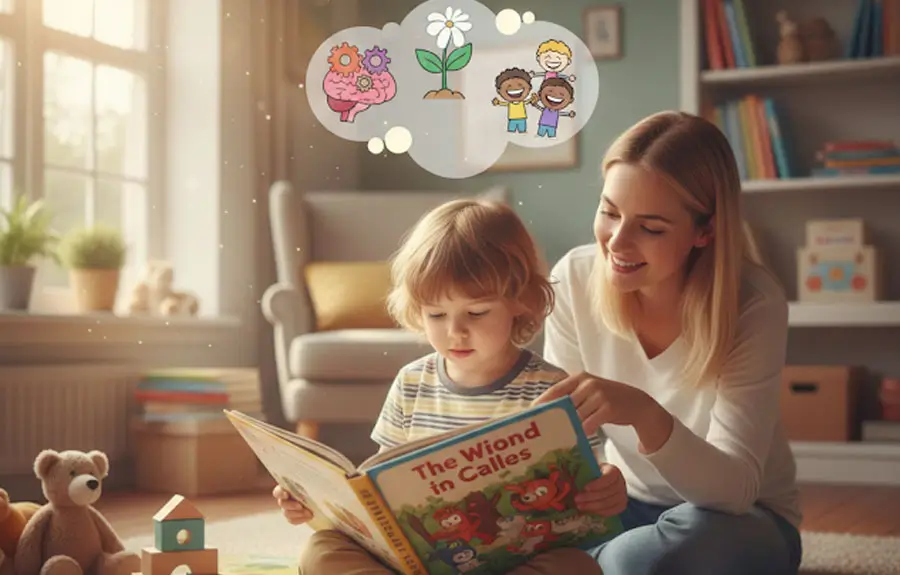
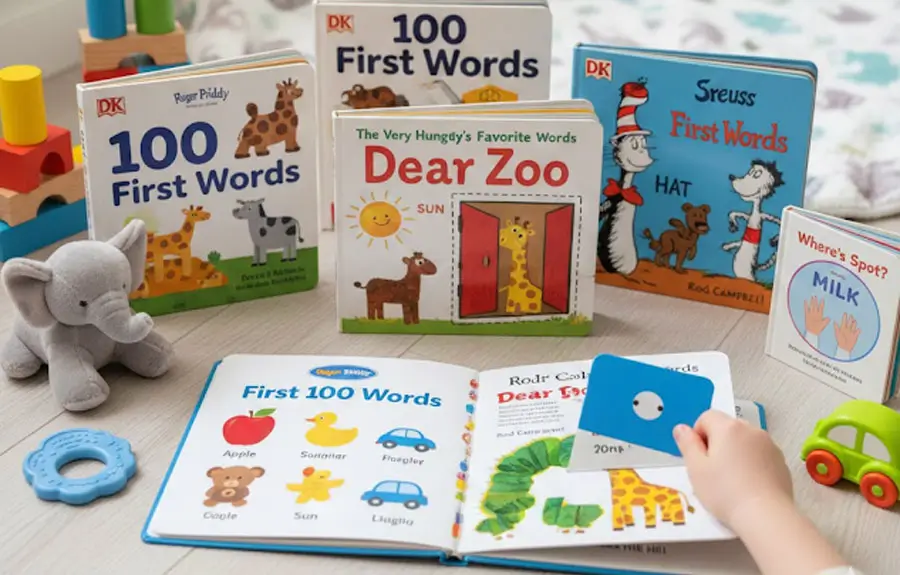
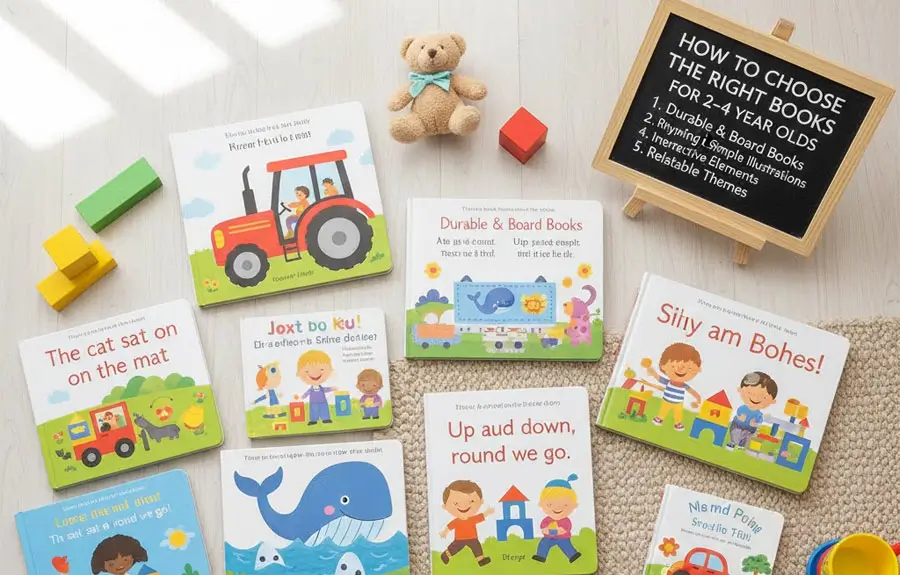
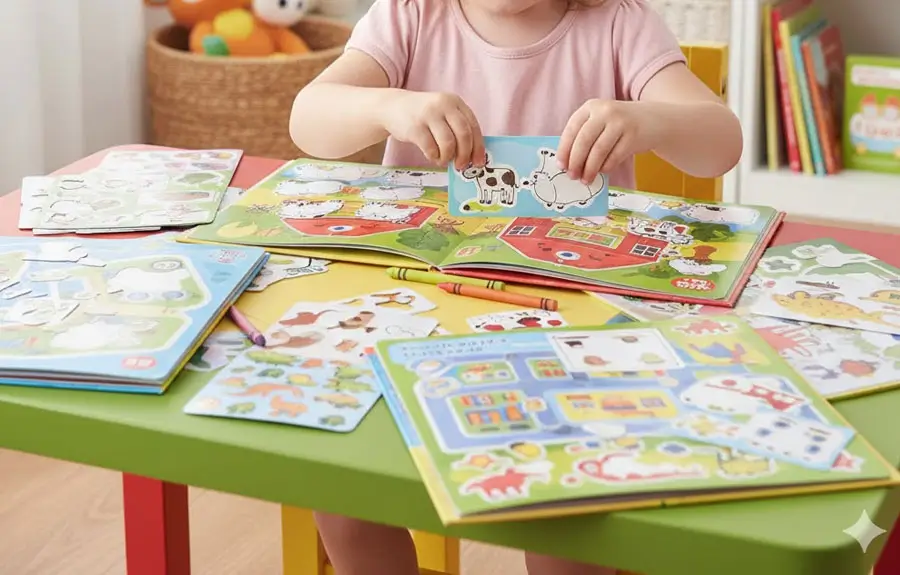
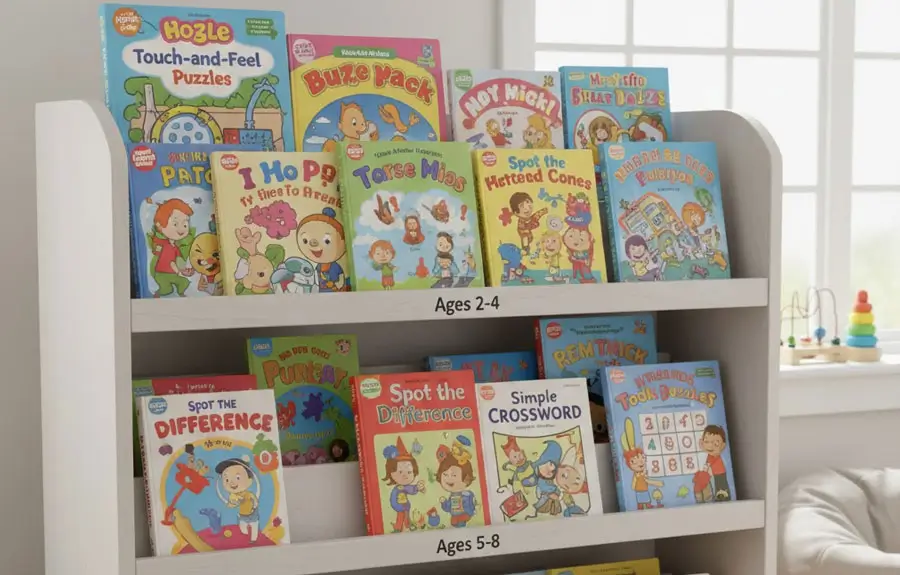
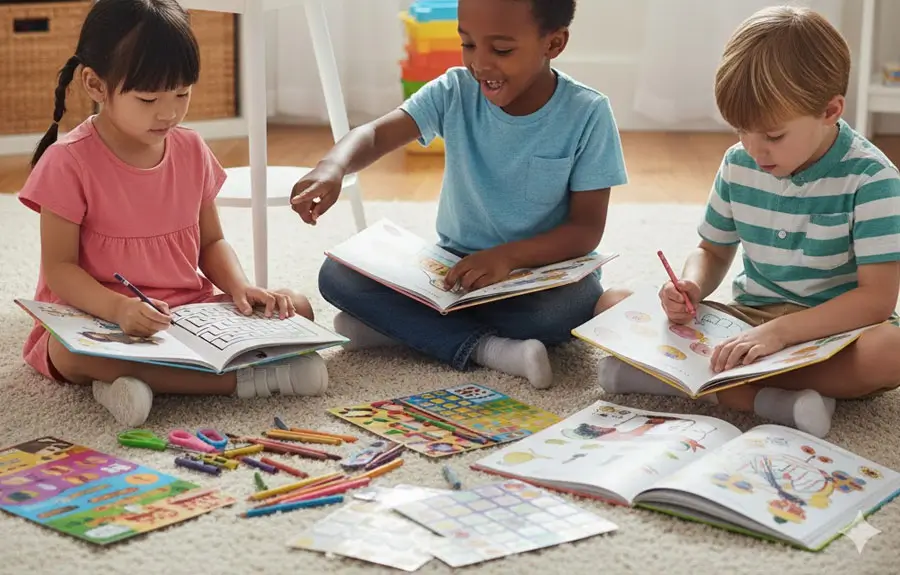
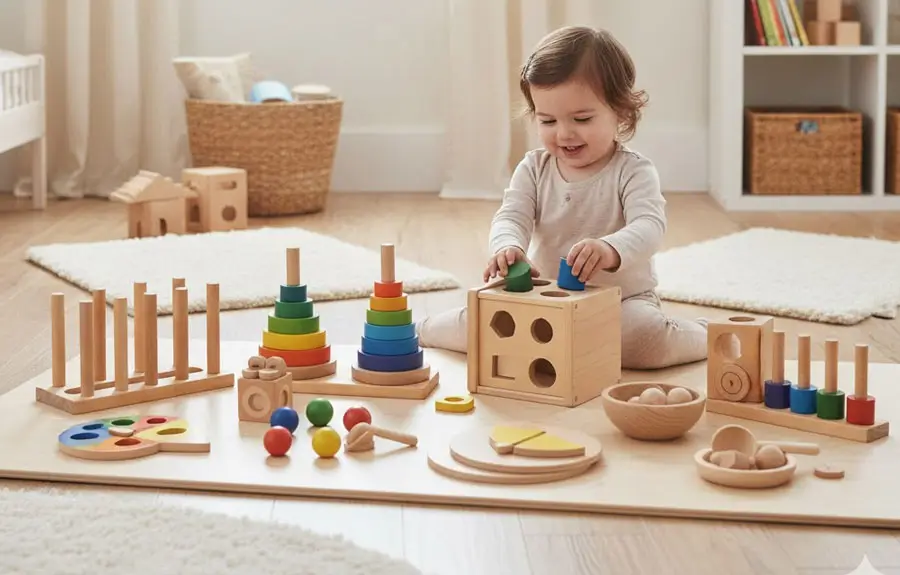
Babies experience the world through their senses long before they learn to speak or walk. Every new sound, touch, colour or texture becomes a learning opportunity that shapes how their brain grows. Sensory books are specially designed to support this early development by engaging a baby’s sight, touch and hearing through interactive elements such as textures, flaps, crinkle sounds, mirrors and vivid illustrations. These books are not simply toys; they are powerful learning tools that help babies explore safely, understand their surroundings and form early pathways for communication and cognitive growth.
Even newborns observe contrast, shapes and movement. As babies grow, they begin reaching for objects, touching surfaces and responding to different sensory triggers. Sensory books use this curiosity to encourage hands-on exploration. Every page becomes an invitation to touch, observe and discover. Babies love feeling soft patches, bumpy corners, furry textures or shiny surfaces because these sensations offer rich information to the developing brain. Sensory books are designed to be durable, colourful and stimulating without overwhelming the child.
Introducing sensory books early creates positive associations with books. Babies begin to understand that books are not just visual items but objects they can interact with. This early bond with books develops into long-term interest in reading, language and exploration. Parents also benefit because sensory books naturally create bonding moments — moments when the baby is fully engaged, responsive and curious, allowing meaningful interaction between parent and child.
In the first few years of life, the brain undergoes rapid development. Babies create millions of neural connections as they interact with their environment. Sensory books activate multiple areas of the brain at once because they combine touch, sight and sometimes sound. This multi-sensory engagement strengthens learning far more effectively than visuals alone.
Touch-based learning is especially important for babies because it helps them understand textures, shapes and boundaries. When babies feel a soft patch or a rough surface in a book, they learn to differentiate sensations. This strengthens sensory processing and helps babies respond appropriately to different materials in daily life.
Sensory books also support early motor skill development. As babies reach for textured pages, try to flip thick tabs or explore interactive components, they practice hand control and coordination. These movements strengthen the fingers, wrists and arms — all essential for future skills like holding crayons, picking small objects and eventually writing.
Cognitively, sensory books help babies understand cause and effect. When they lift a flap and see a hidden picture or press a section that makes a crinkle sound, they learn that actions lead to outcomes. This discovery strengthens curiosity and motivates babies to explore more, a key element of healthy brain development.
Babies begin to develop visual skills from birth, but they need meaningful stimulation to strengthen these abilities. Sensory books offer carefully designed visuals to support early visual tracking, colour recognition and shape awareness. Bold contrasts, simple outlines and bright shades help babies focus without distraction.
Visual stimulation in sensory books supports depth perception and object differentiation. Babies learn to recognise patterns, follow shapes and identify contrasts between colours. When they observe high-contrast images, their eyes practise focusing and adjusting to new visuals, which strengthens visual coordination.
Sensory books also introduce babies to everyday objects in a simplified form. When a baby sees pictures of animals, toys or household items, they begin recognising these objects in real life. This builds early understanding of the environment and encourages meaningful observation.
Visual repetition across pages reinforces memory. When babies see familiar characters or colours repeatedly, they develop recognition skills faster. Over time, babies begin to anticipate what might appear on the next page, showing growing visual comprehension.
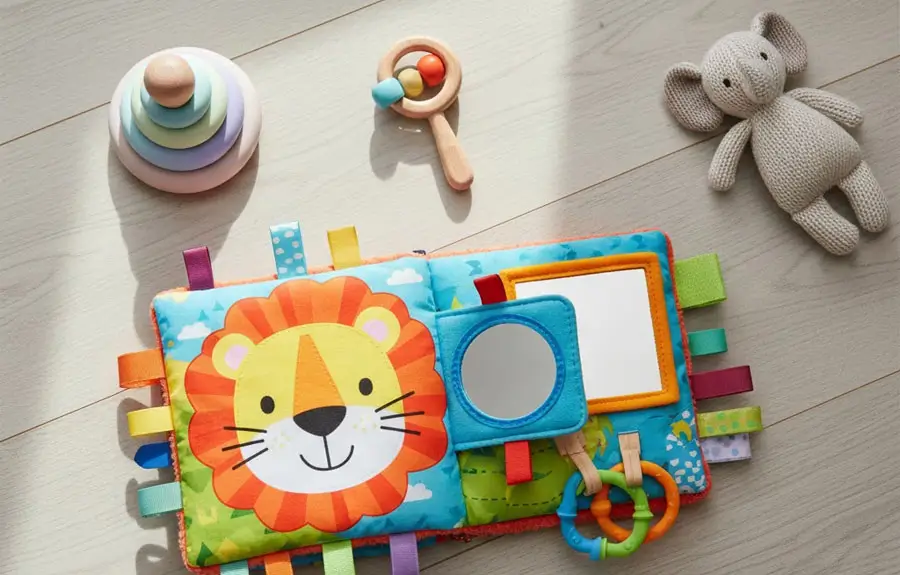
Touch is one of the most powerful senses during early childhood. Sensory books use a variety of textures to stimulate tactile exploration — soft fur, bumpy rubber, crinkle paper, smooth foil or raised surfaces. Each texture offers a different experience and encourages babies to feel, press and compare.
These tactile experiences strengthen sensory integration. Babies learn how different materials feel and begin forming preferences. They learn to distinguish soft from rough, smooth from grainy and flat from raised surfaces. This early tactile awareness supports brain development and lays the foundation for more complex sensory processing in later years.
Touch-based exploration also strengthens emotional development. Babies enjoy the comfort of soft textures and become curious about unusual textures, which helps them build confidence in exploring new sensations. Sensory books gently introduce these textures in controlled environments, making them safe and enjoyable for babies.
Texture exploration also supports motor skills. Babies practice grasping, stroking, pushing and rubbing surfaces. These actions refine the finger muscles and encourage stronger hand–eye coordination.
Many sensory books incorporate sound elements such as crinkly pages, squeakers or soft rattles. These auditory features help babies understand sound patterns, rhythm and cause–effect relationships. When babies press or squeeze an element and hear a sound, they are encouraged to repeat the action, reinforcing the learning loop.
Sound within sensory books supports early auditory development. Babies become more attentive to subtle noises and begin recognising which action produces which sound. This builds listening skills and helps babies understand the connection between motion and response.
Interactive features also hold babies’ attention for longer periods. Sensory books that include flaps, mirrors or sliding elements encourage exploration. Babies enjoy discovering hidden images or watching reflections, creating excitement and stimulating curiosity.
These interactive experiences help babies develop persistence and problem-solving skills. Even though the actions are simple, the learning impact is significant because it encourages active participation rather than passive observation.
Sensory books help babies understand emotions through visuals, textures and parent interaction. When babies touch comforting textures or observe expressive faces in illustrations, they learn emotional cues in a gentle and relatable way. Books that show smiling characters, comforting scenes or playful animals help babies associate reading time with happiness and safety.
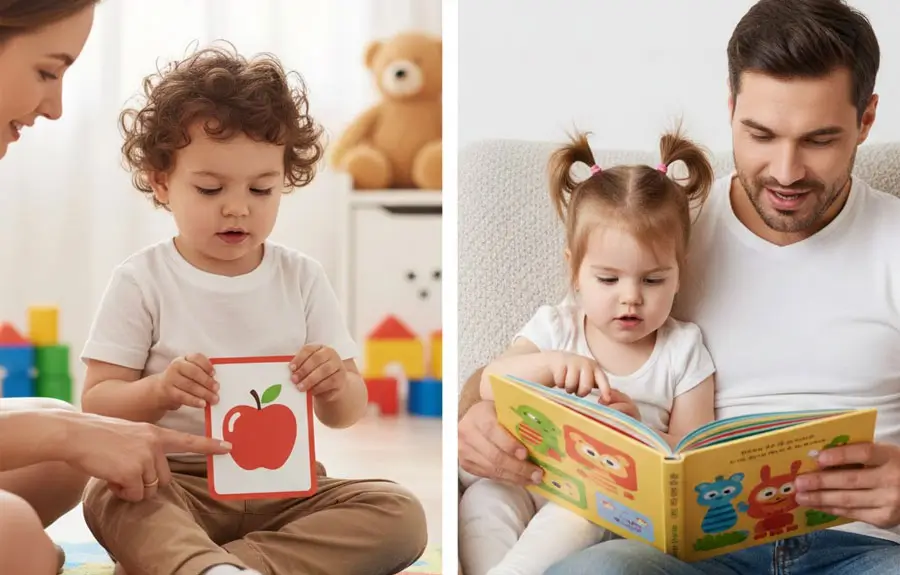
Reading sensory books together also strengthens parent–child bonding. Babies feel secure when parents point to pictures, guide their hands over textures and react with excitement or affection. These interactions build trust and emotional attachment, which are essential for healthy development.
Sensory experiences also help babies express emotions. A baby may giggle, smile, become curious or show excitement when interacting with different textures or sounds. These emotional responses are early forms of communication.
Babies have naturally short attention spans, but sensory books help extend them by offering multiple sensory triggers on each page. Textures, bright colours, patterns and sounds keep babies engaged and encourage them to explore longer.
Sensory books teach babies to focus on one element at a time. When they examine a texture or follow a shape visually, they practice sustained attention. Over time, this improves concentration and prepares babies for more structured learning activities.
Sensory engagement reduces distractibility. The hands-on design of sensory books keeps babies involved through curiosity. When babies remain engaged, they experience deeper learning and stronger cognitive growth.
Parents should choose sensory books that balance simplicity with engaging features. A good sensory book should have:
Avoid books with overstimulating designs or too many elements on one page. Babies learn best when the sensory input is balanced and easy to understand.
Parents should also consider books that include real-life objects such as animals, fruits or toys. Familiar visuals help babies connect the content with their surroundings, strengthening learning.
Parents play a key role in maximising the learning benefits of sensory books. Here are effective strategies:
The goal is to create a relaxed, joyful learning experience. Babies learn best through repetition, safe exploration and parent involvement.
Yes, as long as they are made from baby-safe materials and sturdy designs.
They support early communication by building recognition and sound awareness.
Yes, touching textures and turning pages develop fine motor skills.
Short daily sessions help build consistent learning habits
Gentle sounds enhance attention and curiosity without overstimulation.
No, both serve different purposes and should be used together.
Soft fabrics, gentle bumps and smooth surfaces create safe sensory experiences.
Shared reading time strengthens parent–child connection.
Sturdy sensory books often withstand gentle chewing.
Babies can begin exploring sensory books from infancy depending on interest.

We offer fast delivery.

We offer E-Gift Cards.

Dedicated 24/7 support.

100% secure payment.

 My Order
  0
0