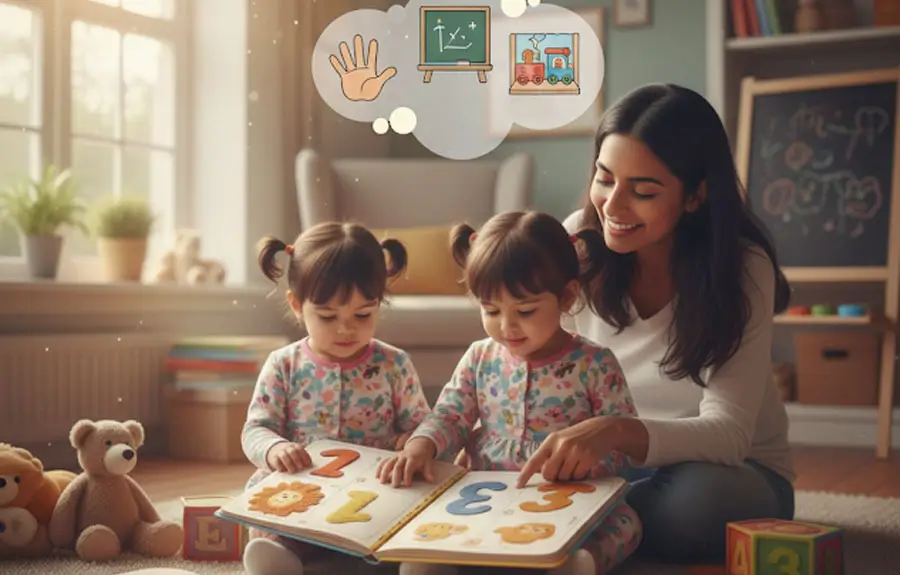
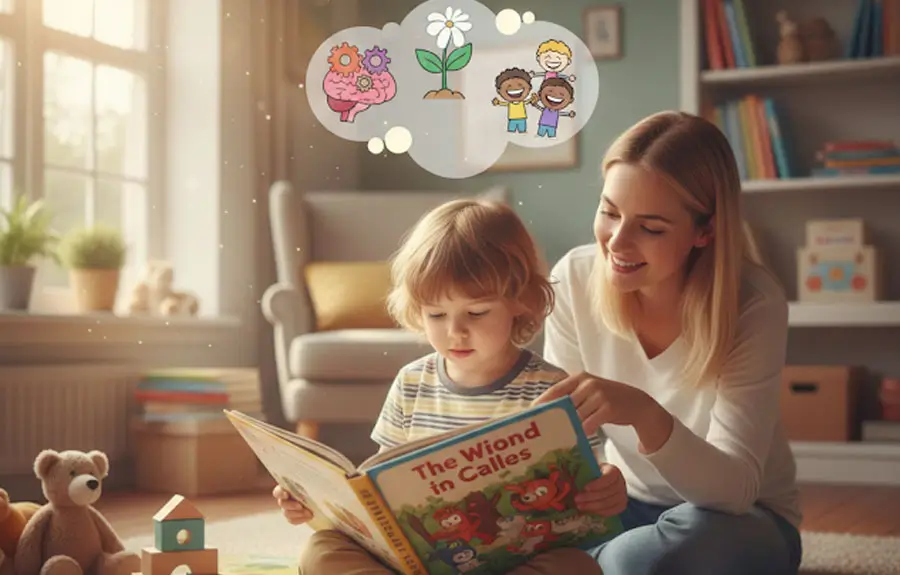
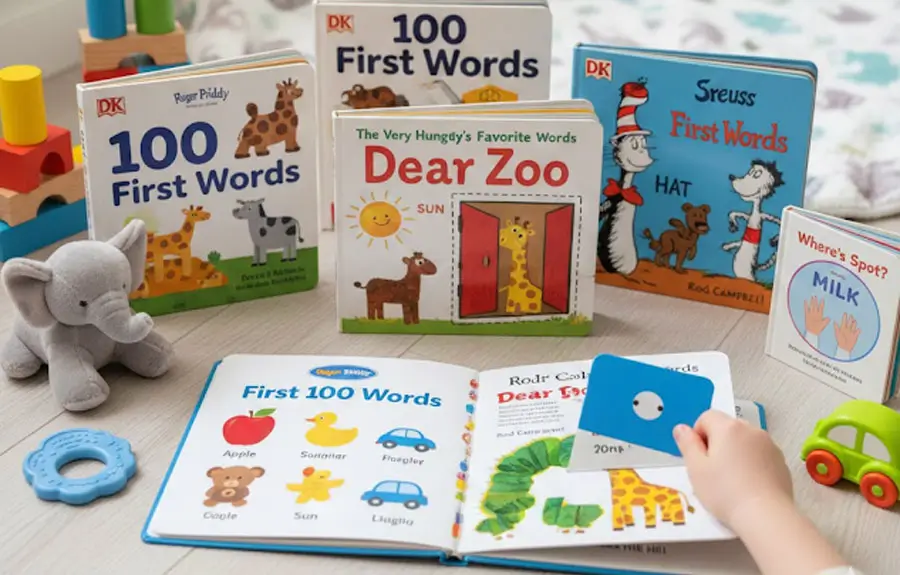
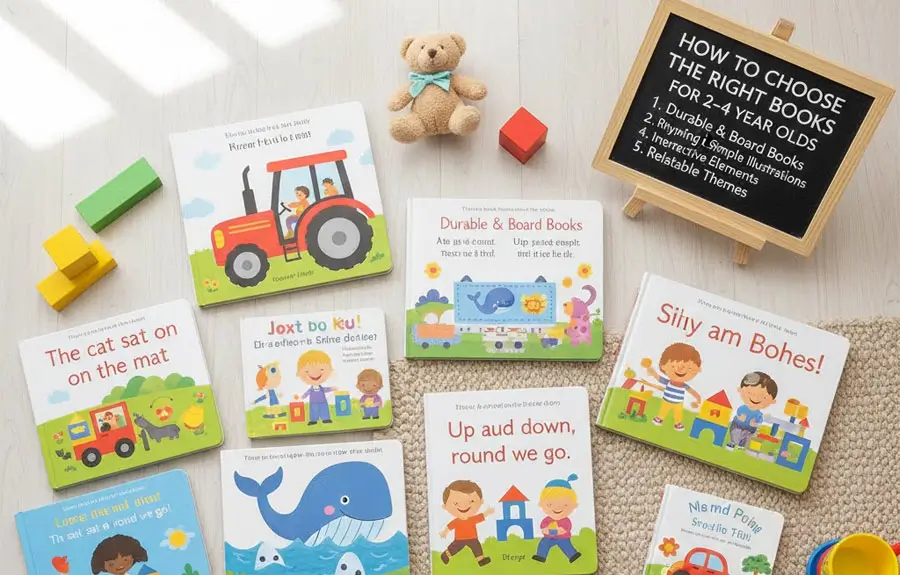
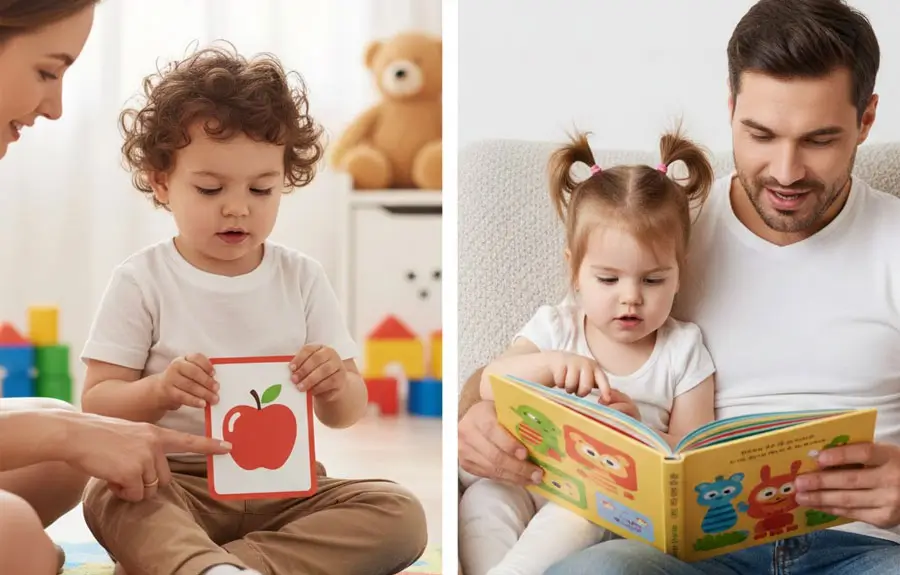
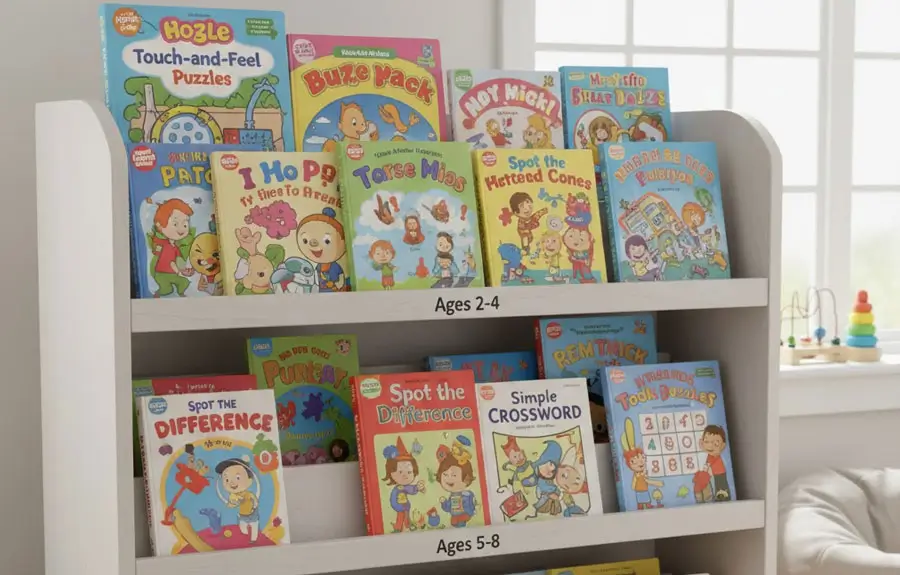
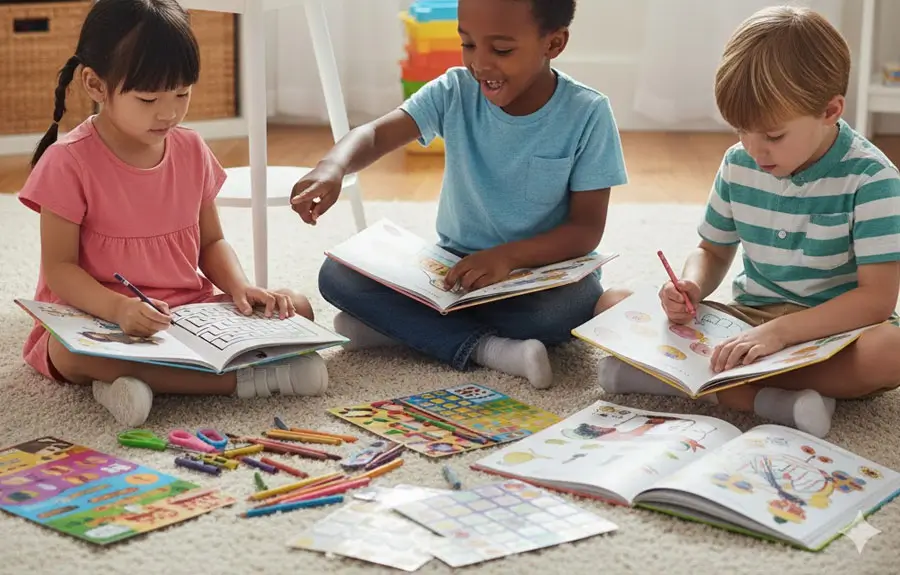
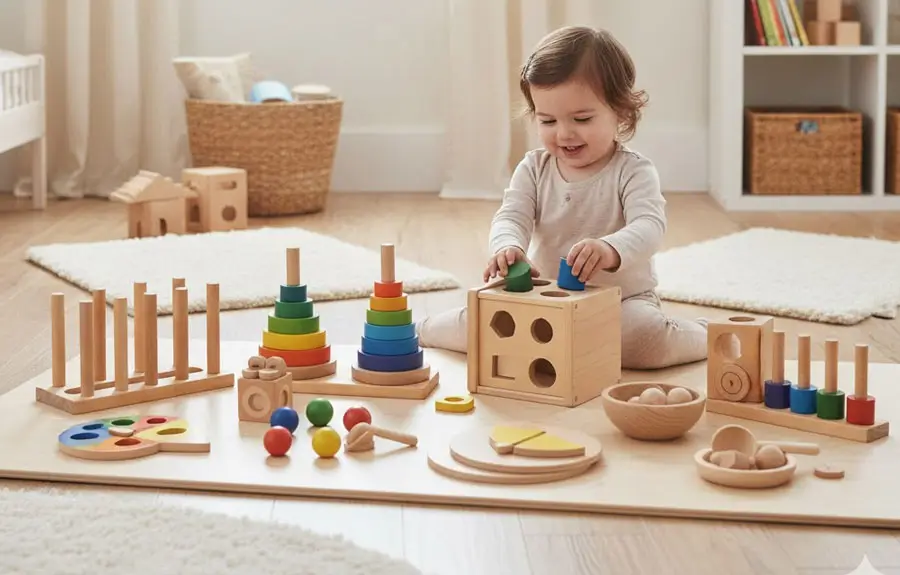
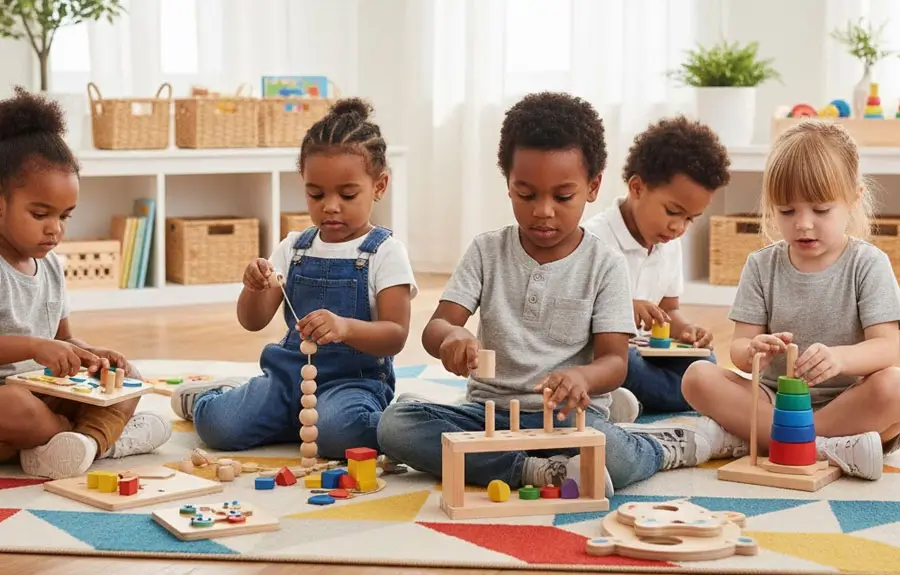
Imagination is one of the most powerful abilities a child can develop. It shapes creativity, expression, problem-solving, emotional intelligence and the ability to think beyond what is visible. Story books for kids play a transformative role in developing imagination because they open doors to new worlds, characters, emotions and possibilities. When children read or listen to stories, they create visual images in their mind, giving shape to scenes, settings and ideas that do not exist physically. This mental visualisation strengthens imaginative capacity more effectively than any other activity.
Story books expose children to diverse characters, cultures, landscapes and adventures. They help children explore magical forests, friendly animals, brave heroes, talking clouds, twinkling stars and imaginary lands that inspire creative thinking. When children imagine scenes while reading, they practise building pictures using their own interpretations. This self-created imagery builds a strong and flexible imagination that extends into daily life, play routines, communication and learning.
Reading stories also teaches children how to think differently. They learn to imagine solutions, anticipate outcomes and understand alternate perspectives. Story books do more than entertain — they shape a child’s creative identity and fuel lifelong cognitive growth.
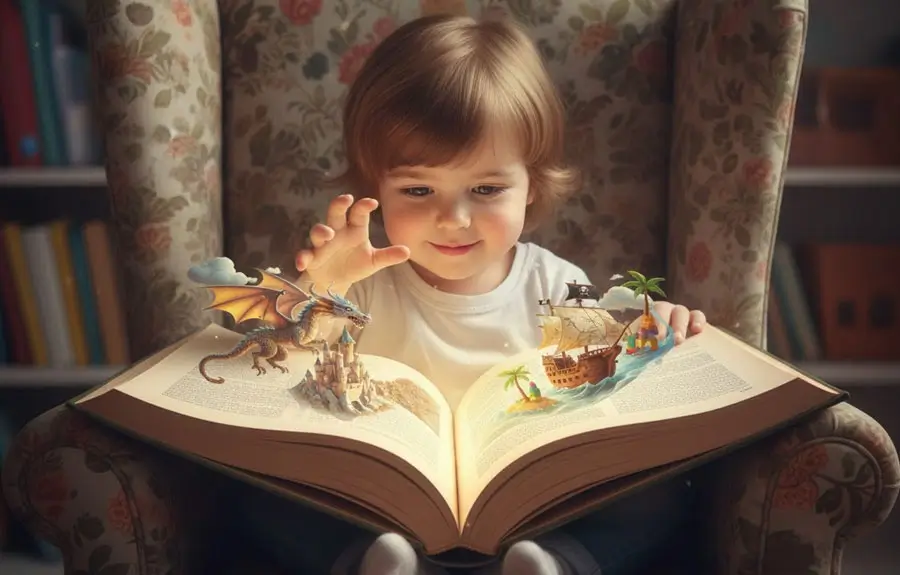
Story books provide imaginative stimulation through words and visuals that trigger mental imagery. Children translate written or spoken words into pictures inside their mind, forming a personalised version of the story. This internal movie-making process strengthens creativity and abstract thinking.
Story books encourage children to:
Every child imagines the same story differently, which proves how deeply story books activate individual creativity. Unlike screens, which show fixed visuals, story books make the brain create its own images, exercising imagination naturally.
Stories are filled with emotions — joy, fear, curiosity, kindness, disappointment, bravery and excitement. When children see characters expressing these feelings, they imagine how those emotions look and feel. This strengthens emotional understanding and imaginative empathy.
Children imagine:
By mentally stepping into a character’s world, children expand their emotional imagination. This makes them more compassionate, understanding and expressive in real life.
Story books introduce children to rich, descriptive language. Words describing colours, textures, sounds, emotions and movements activate the senses and push imagination to grow stronger.
Descriptive language helps children imagine:
When language paints a picture, the imagination fills in the details. Children learn to associate words with mental images, enhancing vocabulary and imaginative expression at the same time.
Imagination is directly linked to creativity — the ability to generate original ideas. When children read story books, they learn how characters solve problems, explore unusual paths and think creatively. These experiences inspire children to generate unique ideas in real life.
Creative thinking skills developed through stories include:
Children inspired by stories often express creativity through drawings, pretend play, storytelling, role-play and academic tasks.
Cognitive flexibility is the ability to switch between ideas and think in multiple ways. Story books develop this skill by presenting different viewpoints, unexpected twists and imaginative scenarios.
Children learn to:
Cognitive flexibility improves problem-solving and helps children handle academic challenges more effectively.
Visualisation is the heart of imagination. When children read stories, they picture scenes that are not physically present. This imaginative visualisation strengthens memory, focus and mental creativity.
Strong visualisation helps children:
These skills are useful in academics, art, communication and emotional thinking.
Many children act out scenes from stories during pretend play. They become characters, repeat dialogues, design imaginary worlds and create new storylines. This form of play is a direct extension of imagination triggered by story books.
Pretend play based on stories helps children:
When stories inspire play, imagination becomes a natural part of daily life.
Stories often present characters with challenges — getting lost, solving puzzles, helping friends or choosing the right path. Children imagine themselves facing similar situations and think creatively about solutions.
Problem-solving enhanced by stories includes:
This strengthens logical thinking and imaginative resilience.
Story books expose children to places, cultures, ideas and environments they have never seen in real life. Through imaginative storytelling, children learn about nature, cities, oceans, animals, seasons, traditions and emotions.
This expanded worldview helps children imagine possibilities beyond their own surroundings. As imagination broadens, curiosity grows, encouraging exploration and deeper learning.
Curiosity is the starting point of imagination. Story books trigger curiosity by presenting mysteries, questions, surprises and cliffhangers. Children imagine what happens next, what choices characters will make and how the story will unfold.
Curiosity leads to:
Kids who read regularly develop a lifelong habit of exploring ideas and imagining creative answers.
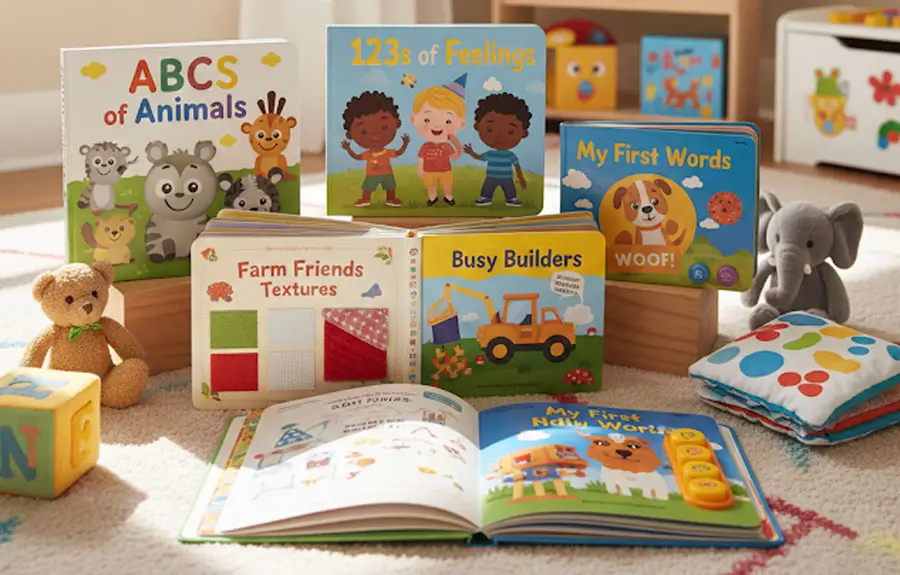
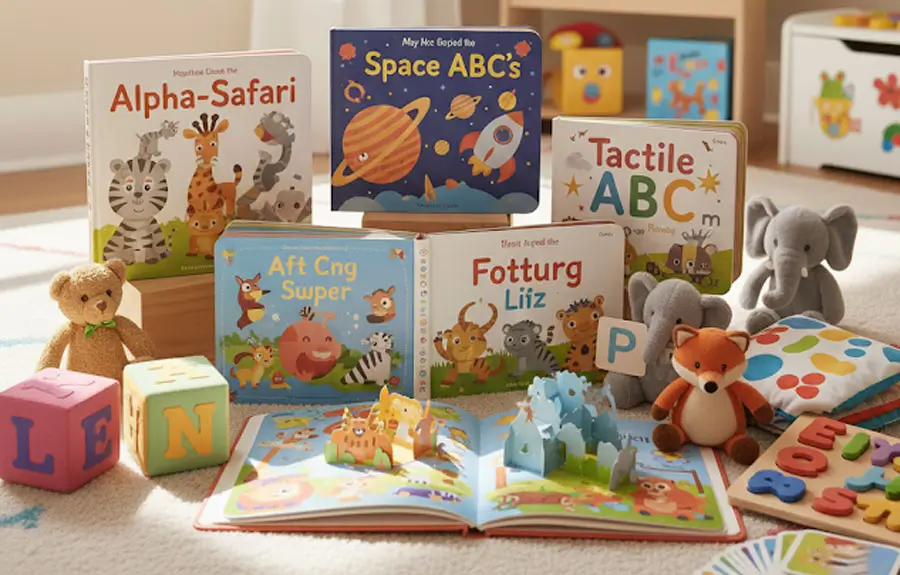
Illustrations in children’s books do more than add colour — they enhance imagination by offering a visual foundation. However, they leave enough space for the child to imagine extra details, expansions and alternate scenes.
Illustrations help children:
Even minimalistic illustrations encourage deeper imagination because children fill the gaps with their own creativity.
When children read or listen to stories, the brain enters a relaxed and receptive state. This calmness improves imagination because the mind is not distracted or overstimulated. Reading becomes a peaceful activity where creative thinking can thrive.
A calm mental state helps children:
This environment strengthens imaginative ability naturally.
Children’s imagination grows further when they express their thoughts. Parents can ask simple questions like:
When children speak their imagination aloud, they learn to think confidently and creatively.
Screens show ready-made visuals, leaving little room for imaginative thinking. Story books activate creativity because children must build scenes mentally instead of passively watching.
Reading enhances imagination by:
Books challenge the mind, while screens often limit creative thinking.
Yes, stories stimulate mental imagery, creative thinking and abstract reasoning.
Children as young as one benefit, but ages three to seven show the strongest imaginative growth.
No, they guide the child while still leaving plenty of space for personal imagination.
Yes, imagination strengthens confidence and encourages expressive communication.
Daily reading, even for a short time, significantly boosts imagination.
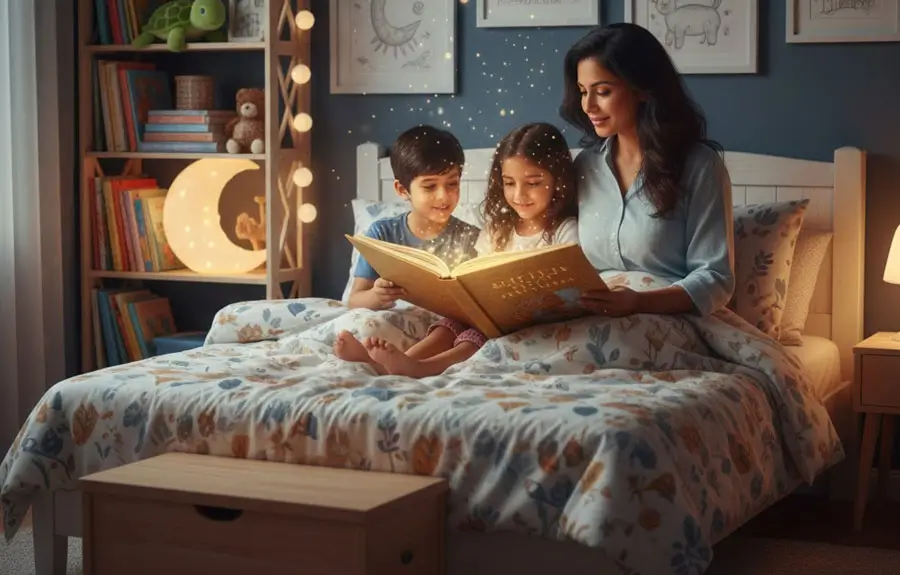
Yes, nighttime reading enhances dream imagination and visual thinking.
Both support imagination; fantasy develops creativity while realistic stories improve emotional and social imagination.
Imagination improves comprehension, problem-solving and creativity, which help in academics.
No, repetition strengthens visualisation and deepens understanding.
Yes, children imagine emotional situations and character actions while learning values.

We offer fast delivery.

We offer E-Gift Cards.

Dedicated 24/7 support.

100% secure payment.

 My Order
  0
0