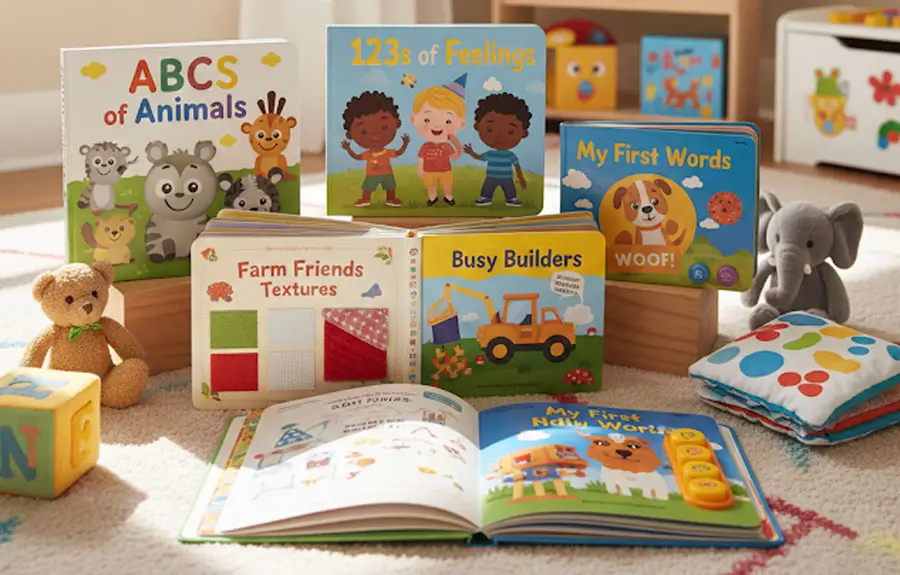
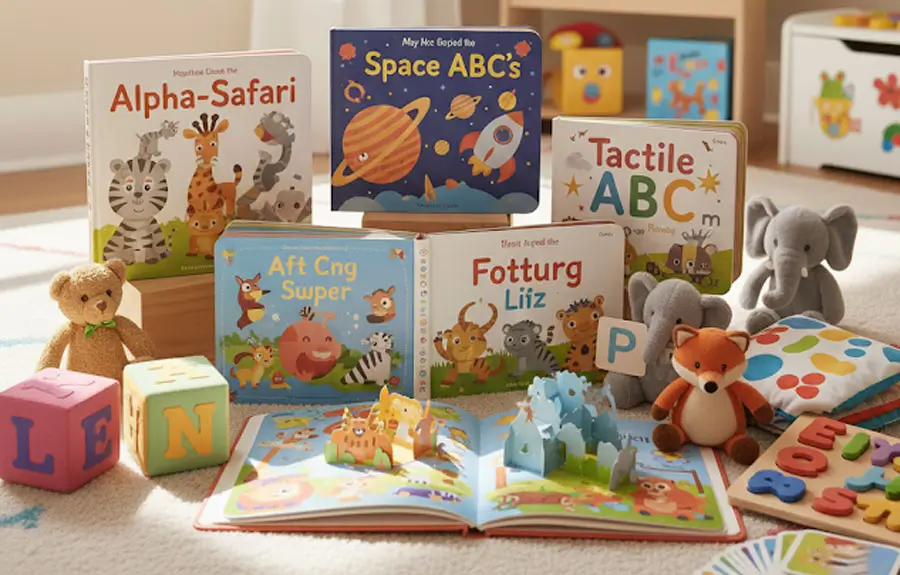
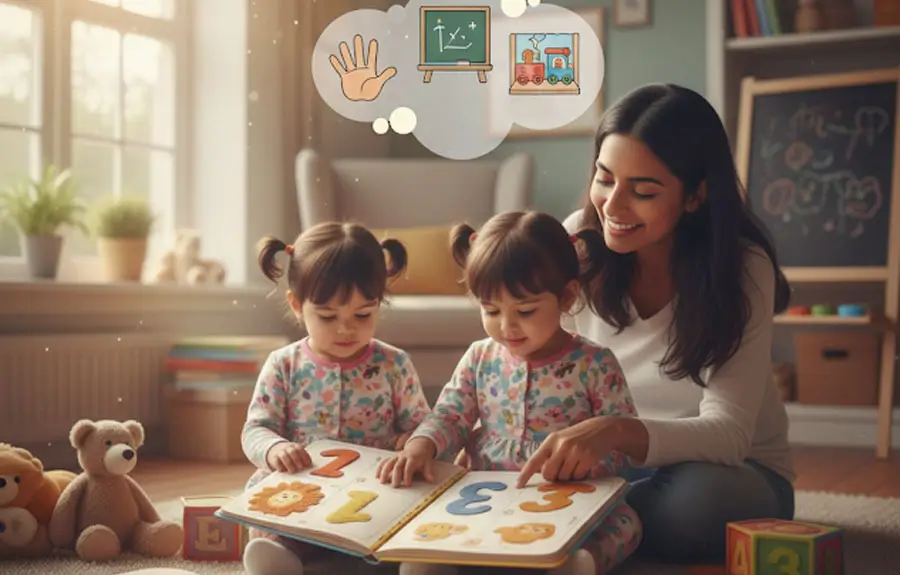
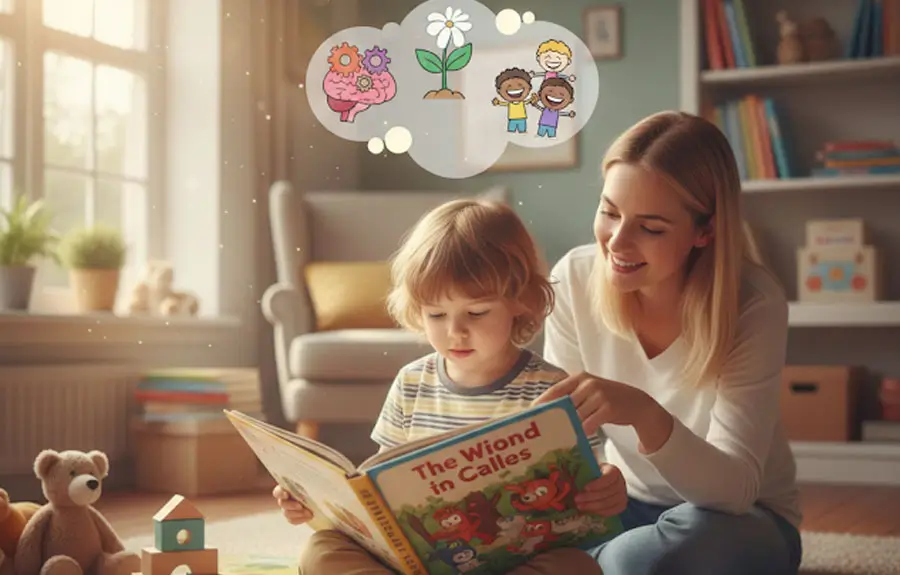
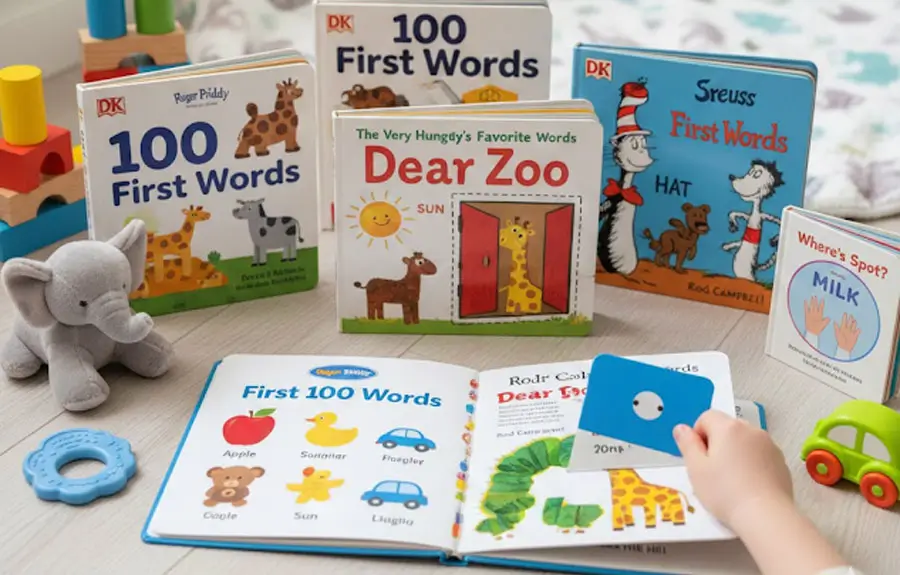
Alphabet learning is one of the earliest foundations of language development, and the way children are introduced to letters significantly influences their confidence, reading habits and communication skills in later years. ABC books play a crucial role in shaping a child’s first understanding of language symbols, patterns and associations. These books simplify learning by presenting letters in visually appealing formats, paired with meaningful illustrations that encourage recognition and memory. When children interact with alphabet books, they gradually begin identifying letter shapes, associating them with familiar objects and building early literacy awareness in an organic manner.
Alphabet books are not just introductory tools for reading; they are powerful visual and cognitive stimulators. Children respond naturally to bold colours, creative illustrations and repetitive structures. When letters are presented with clear images, children find it easier to process and retain information. For example, when kids repeatedly see A with an Apple, B with a Ball, or C with a Cat, their mind begins forming stable connections between symbols and objects. This stable mapping becomes the starting point of language development. ABC books are designed to make these connections enjoyable, memorable and effortless for children across all learning stages.
Kids experience a sense of satisfaction when they begin recognising letters on their own, and this internal motivation becomes the driving force for reading readiness. Alphabet books ensure that learning never feels like a task. Instead, it becomes an engaging exploration where every page offers something new to observe, repeat, imitate and understand. With the right kind of books, children develop strong recognition skills and a deep interest in reading from a young age.
ABC books serve as a child’s first structured step toward literacy. These books introduce letters in a sequenced manner, allowing kids to understand that each letter has a distinct shape and identity. By presenting letters systematically, alphabet books help children recognise patterns which form the backbone of reading habits.
Alphabet books strengthen visual memory, which is crucial for reading and writing. Kids learn to differentiate between letters such as b and d, p and q, which may appear similar but carry different meanings. The clarity of design, thickness of strokes and compatibility of images contribute to the memorability of each letter. Books with minimal clutter ensure children focus on the core visuals instead of getting overwhelmed.
In addition to symbol recognition, alphabet books help children understand sound association. When a child repeats “A for Apple,” they naturally learn how the letter connects with the sound. This sound–symbol mapping is the foundation of phonemic awareness, which later supports fluent reading. When children repeatedly hear, see and speak letters along with familiar objects, their language pathways strengthen.
The interactive nature of alphabet books also builds attention span and listening skills. Children follow the flow of pages, maintain focus and engage in conversation as parents ask them to identify letters or objects. Such consistent exposure nourishes early comprehension abilities, making reading a smoother transition when formal education begins.
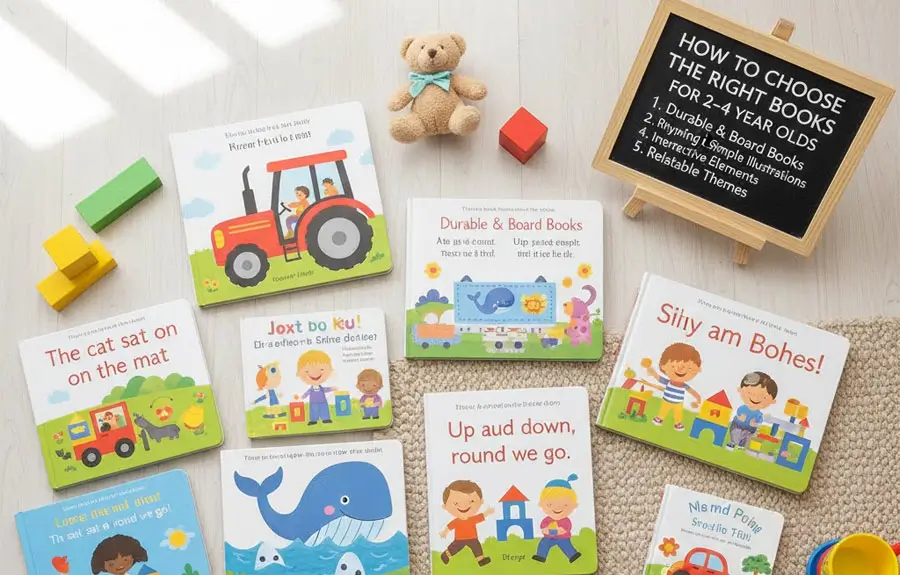
Parents often encounter dozens of alphabet book options in the market, but not all books provide the same learning value. A high-quality ABC book always focuses on clarity, engagement and structure. The best books use simple and bold visuals that capture attention instantly. A clutter-free page ensures children can focus on the letter and its associated image without distraction.
Quality alphabet books use memorable illustrations. These pictures should be relatable objects from a child’s everyday environment—animals, fruits, toys, household items—so that children build connections effortlessly. Familiarity strengthens recognition, and recognition strengthens memory.
Another critical element is font design. Letters should be printed in large, easy-to-read fonts that help a child easily distinguish between shapes. Books that include both uppercase and lowercase letters offer balanced learning. Toddlers often encounter uppercase letters first, but lowercase letters become equally important once they begin reading simple words.
Quality alphabet books maintain consistency. For example, if one page uses a single large image with one letter, the rest should follow the same format. Predictable patterns help children feel secure as they learn. Books with sturdy pages are also important, as kids enjoy holding, turning and exploring books independently. The tactile aspect of handling books builds fine motor skills and confidence.
Visual recognition is one of the strongest learning pathways for children, and alphabet books support this process through impactful illustrations. A child’s early learning years rely heavily on sight-based interpretation. When letters are presented alongside bold visuals, memory formation becomes significantly stronger.
For example, when a child sees a large letter D paired with a Duck, they begin associating the shape of the letter with the image. The mind forms a link that says, “This shape represents this sound and this object.” This process, repeated across multiple letters and pages, creates a solid visual database in the child’s mind.
Alphabet books refine observation skills. Kids begin to notice curves, lines and shapes. They differentiate between straight letters, round letters, tall letters and wide letters. This natural awareness builds pre-writing readiness. When children eventually begin tracing or writing letters, their familiarity with letter shapes supports smooth coordination.
Alphabet books also develop sequencing skills. Kids understand that letters follow a specific order—A, B, C, D, and so on. This sequencing ability is essential for reading, memory and logical thinking. It lays the foundation for understanding days of the week, numbers, storytelling order and classroom routines.
Alphabet books are not limited to teaching letters; they expand vocabulary through meaningful word associations. When each letter is introduced with an object, children gain exposure to new words that they may not encounter in daily conversations. This early vocabulary expansion helps them express themselves more confidently.
For example, when a child sees E for Elephant, they not only learn the letter E but also become familiar with the animal, its shape and its sound. Even if they cannot pronounce the entire word perfectly, the visual imprint remains strong. With time, children begin using these words in gestures or speech attempts.
Alphabet books also influence expressive learning. When parents encourage children to repeat the words or imitate associated sounds—like buzzing for a bee or roaring for a lion—it enhances communication and verbal participation. Kids develop expressive abilities naturally because they learn words in context instead of isolation.
Additionally, ABC books help children understand categories. Each letter usually represents a unique object, which helps children group information logically. Over time, they begin linking words they already know, developing a sense of organisation and meaning.
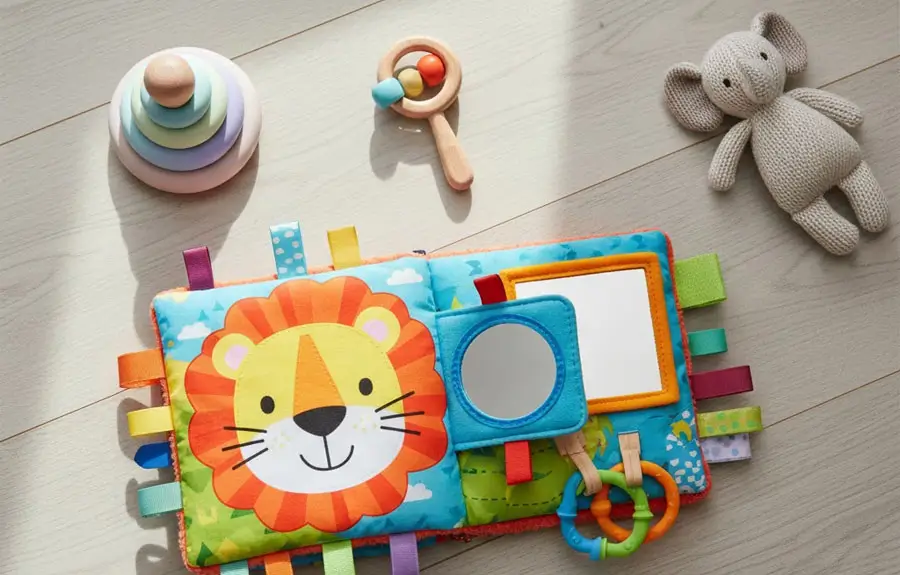
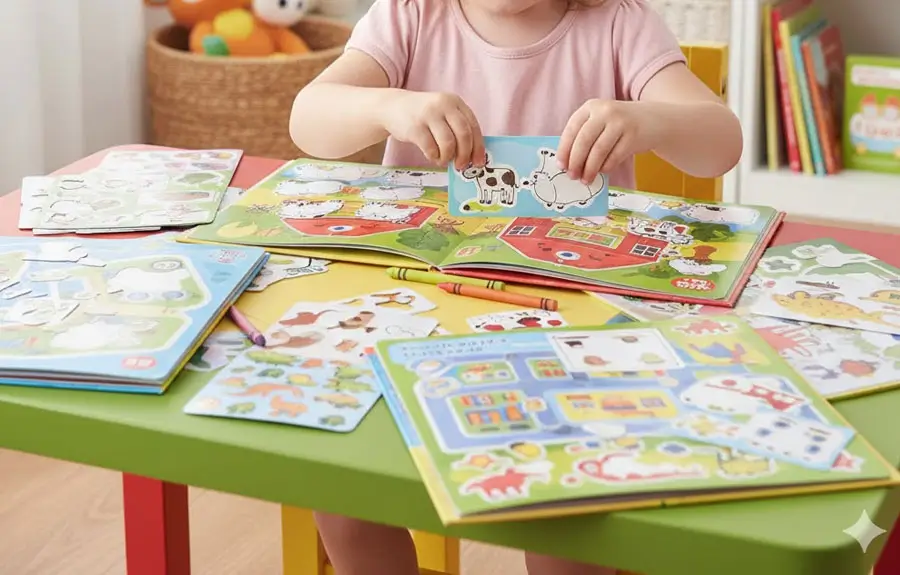
Some alphabet books incorporate interactive elements such as lift-the-flap sections, textured pages, sliding parts or reflective surfaces. These interactive components turn learning into discovery. Kids love finding hidden pictures or touching different textures because it adds excitement to each page.
Interactive features help children develop tactile intelligence, hand control and sensory awareness. When children touch and move elements on the page, they become more invested in the content. This active involvement strengthens their connection with letters.
Interactive books also improve multi-sensory learning. When sight, touch and sometimes sound come together, the brain creates powerful associations. This method particularly helps children who struggle with attention or need additional engagement to stay focused. Such books are excellent for building curiosity and imagination in young learners.
Parents can enhance engagement further by asking questions like:
“Can you lift the flap and find the apple?”
“Where is the letter B hiding?”
“Which object starts with the letter F?”
These small activities create interactive learning that keeps children motivated and eager.
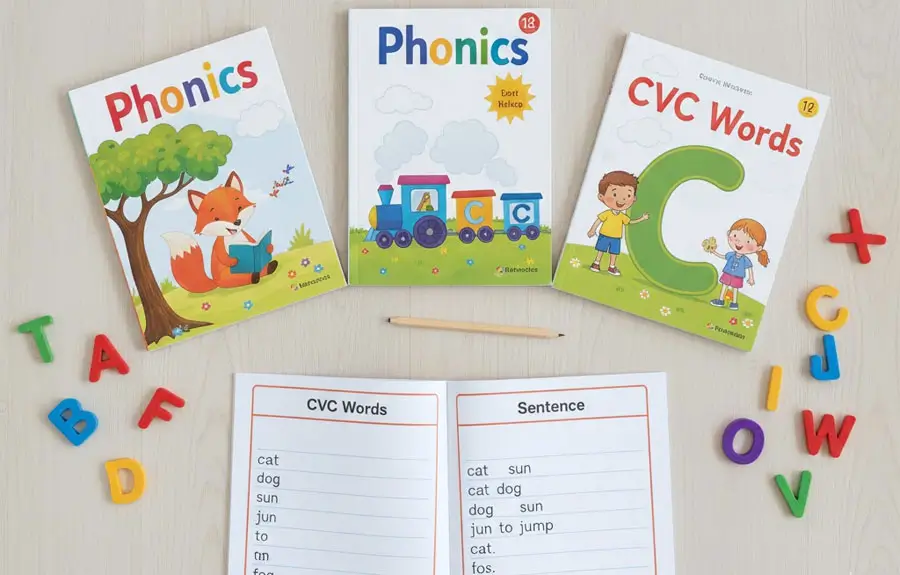
Sound association is an essential step toward reading and is strongly supported by alphabet books. When children repeat letter sounds, they begin forming a subconscious link between visual symbols and auditory patterns. This auditory learning enhances speech clarity and prepares them for phonics in preschool.
Books that highlight initial letter sounds help children practice pronunciation. For example, books showing B with Ball, Banana and Bird help reinforce how the starting sound remains consistent across different objects.
Sound association books make letter learning lively. Parents can add rhythm, repetition or playful tones to help children internalise sounds smoothly. Kids who develop strong sound-letter understanding early often transition into reading words faster.
Alphabet books that include phonetic cues also help children differentiate between soft and strong sounds, blend initial sounds and recognise patterns that support early literacy. Through repetition and parent-guided reading, children begin recognising letter sounds in conversations, strengthening their listening habits.
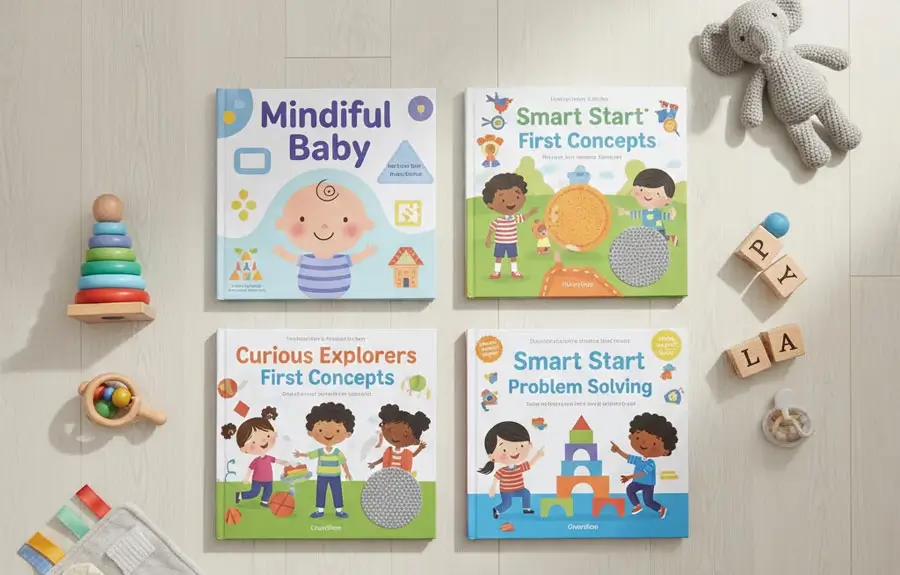
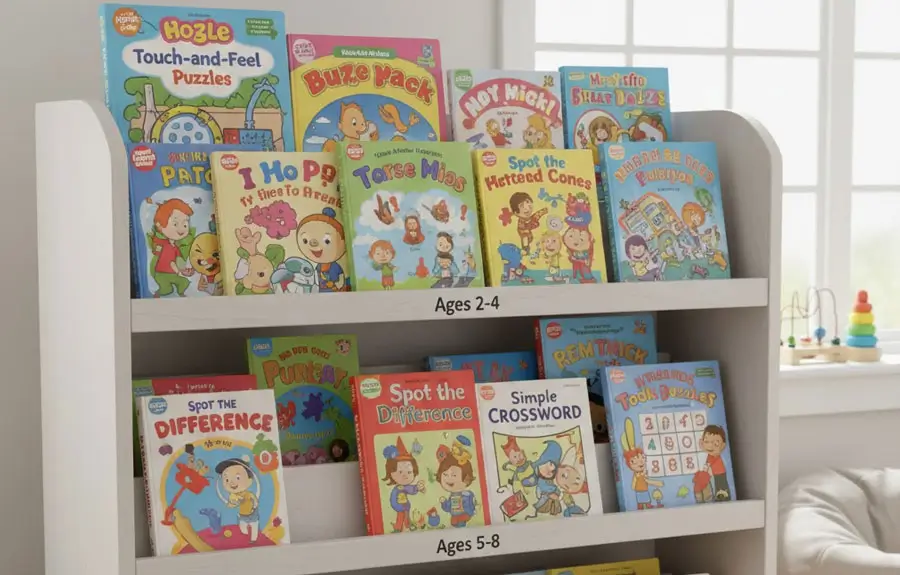
ABC books are versatile because they support multiple learning stages. For younger toddlers, books with simple pictures and single words work best. These books introduce basic letter recognition and object association. They do not overwhelm children and help them develop focus.
For slightly older kids, alphabet books with more detailed images, additional examples and simple sentences are ideal. These books help kids connect letters with a wider range of vocabulary. Children begin understanding how letters form the starting point for words, sentences and concepts.
Advanced alphabet books include small stories or letter-based themes, helping children interpret meaning and context. These books support not only literacy but also imagination and comprehension. Kids learn to follow a narrative, recognise emotions and understand early story structure.
Parents should choose alphabet books based on a child’s comfort, interest and learning style. Introducing a variety of books ensures comprehensive exposure to letters, visuals, sounds and vocabulary.
Parents play an important role in transforming alphabet books from simple tools into meaningful learning experiences. Reading should be calm, joyful and interactive. By encouraging participation, parents allow children to engage with the content actively.
Parents can start by reading a few letters each day rather than rushing through the entire alphabet. Toddlers respond better to shorter, engaging sessions. Pointing to letters, asking children to repeat words or exploring images together keeps the child invested. Repetition is essential for alphabet learning because children need consistent exposure before recognition becomes automatic.
Parents can use real-life examples to strengthen associations. Showing an actual apple while reading A for Apple strengthens understanding. Adding gestures, sounds or expressions enhances memory retention. Incorporating alphabet learning into daily routines helps children view letters as part of everyday life.
Keeping books accessible allows children to explore independently. Children love flipping pages, pointing at images and engaging with books in their own style. This independence builds confidence and curiosity, making reading a natural habit instead of a forced activity. ABC books become powerful learning tools when parents combine structure with freedom.
Alphabet books can be introduced as early as toddler age, depending on a child’s interest.
Different books offer new visuals and concepts, helping build stronger recognition.
Interactive books help maintain attention and support multi-sensory development.
Short, consistent daily exposure helps children internalise letters naturally.
Yes, ABC books introduce new words through associations that strengthen vocabulary.
Both are important, and exposure to both supports balanced literacy development.
Books familiarise children with letter shapes, supporting later writing readiness.
Children learn at their own pace; exposure is more important than repetition.
Bold, clear pictures help children build strong visual connections with letters.
Yes, combining letters with their sounds enhances reading readiness.

We offer fast delivery.

We offer E-Gift Cards.

Dedicated 24/7 support.

100% secure payment.

 My Order
  0
0