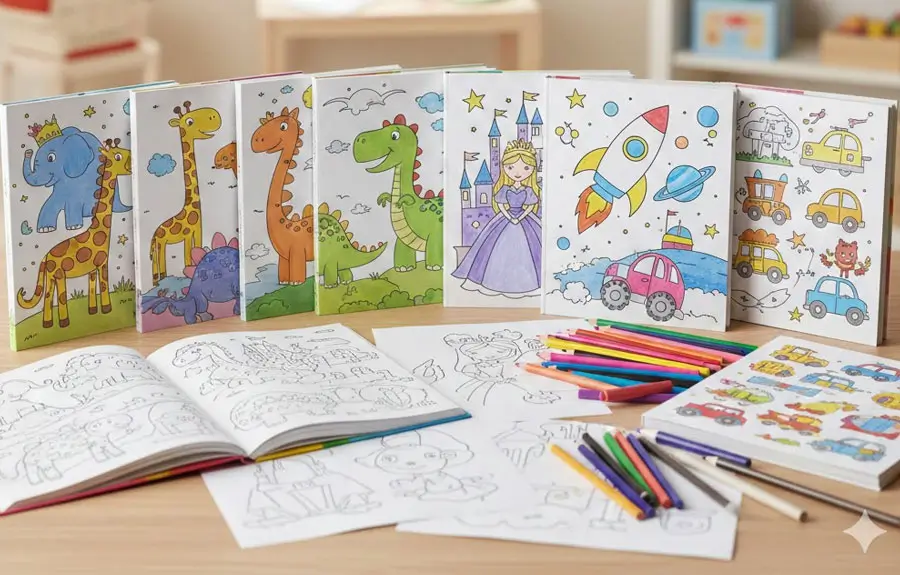
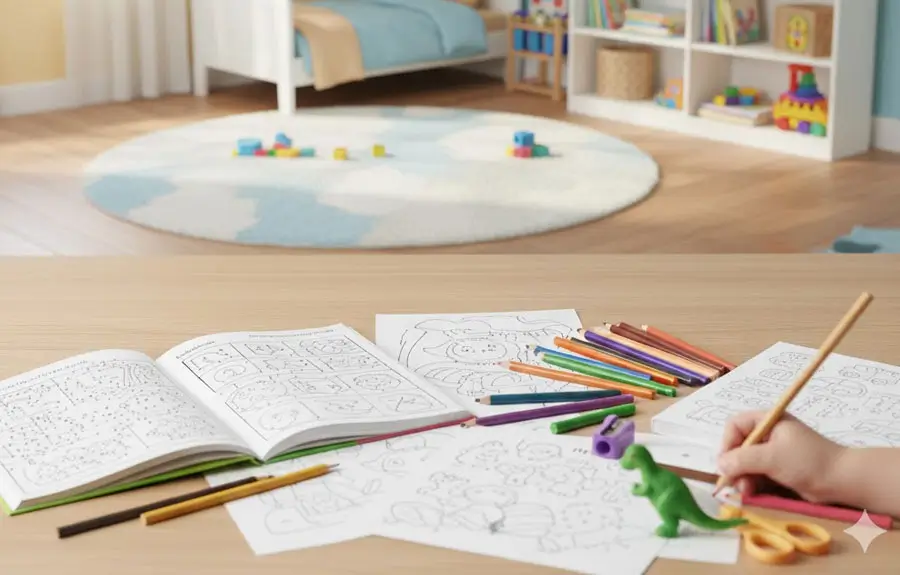
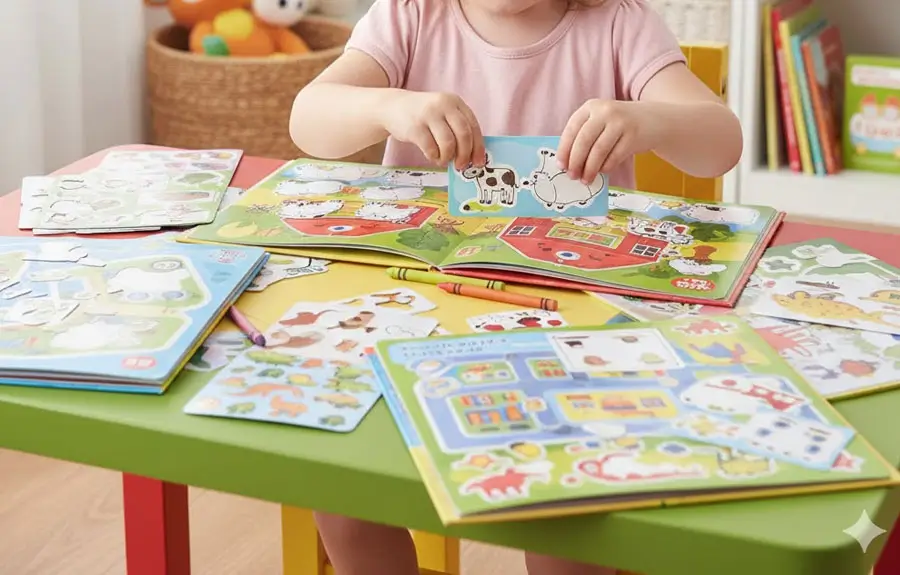
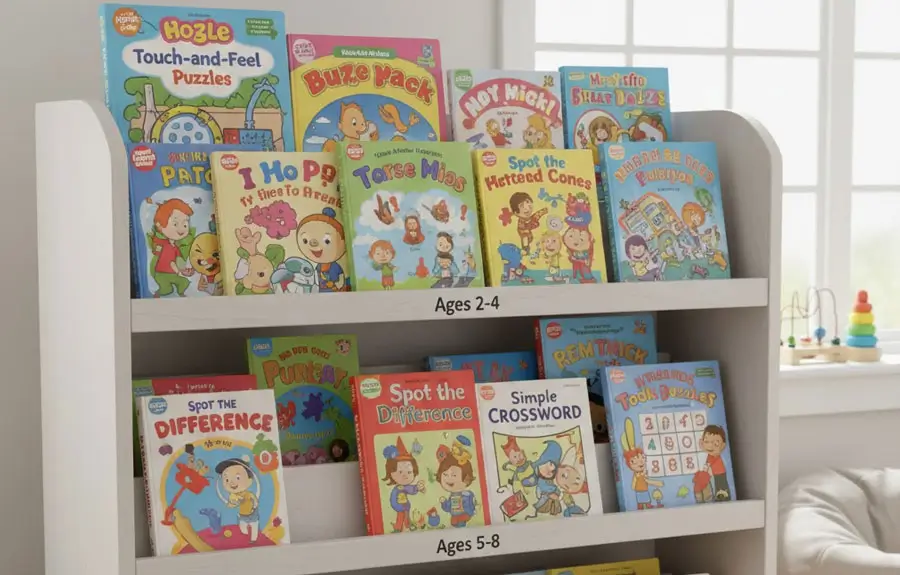
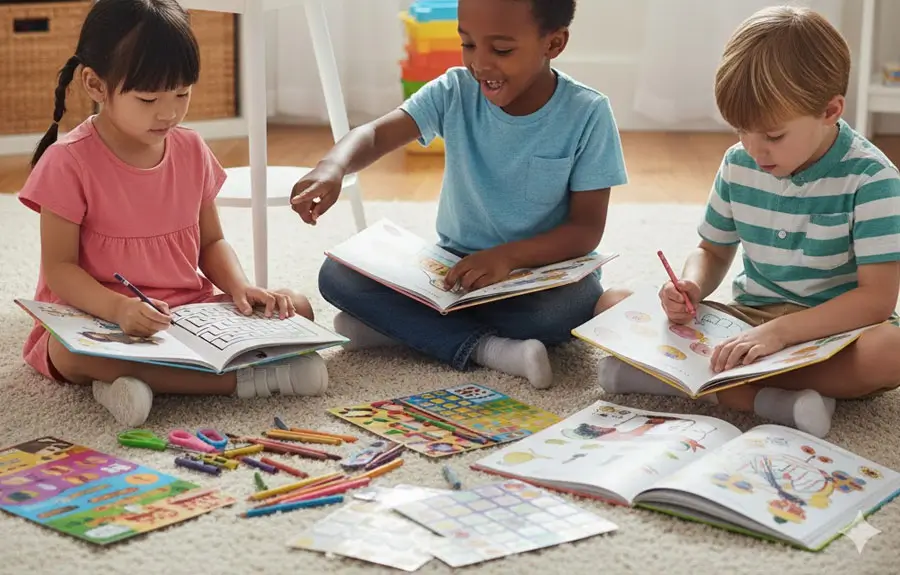
Dot-to-dot books have been a favourite childhood activity for decades, and their popularity continues to grow because they offer far more than entertainment. These simple yet engaging books encourage kids to connect numbered dots to reveal hidden pictures. What appears to be a fun game is actually a powerful tool for improving creativity, confidence and early learning skills. Dot-to-dot books help children think visually, follow sequences, imagine outcomes and enjoy the thrill of discovery when an image comes to life.
Kids love surprises, and dot-to-dot books give them exactly that. Each page begins as a mystery — just scattered dots waiting to be connected. Kids must imagine what the picture could be, observe patterns and use mental reasoning to complete the outline. This process activates creativity because children learn to think beyond what is visible. Completing the picture gives them a sense of achievement and encourages them to experiment with new ideas and concepts.
Dot-to-dot books also support essential early learning skills such as number recognition, sequencing, hand–eye coordination and fine motor control. As children connect dots carefully, they develop patience, focus and discipline. These skills play a significant role in academic readiness and overall cognitive growth. The combination of creativity and structured learning makes dot-to-dot books one of the most effective activity tools for young learners.
Dot-to-dot books introduce a perfect balance of structure and imagination. They give kids enough freedom to explore while providing a clear sequence to follow. This balance helps children develop several foundational abilities:
The activity requires children to analyse scattered dots, imagine how they connect and predict the shape that will emerge. These abilities support problem-solving and logical thinking. Kids also learn to follow directions, which is an essential skill for school readiness.
Dot-to-dot books are suitable for kids across age groups because difficulty levels vary. Younger children begin with simple shapes, while older kids enjoy connecting large sequences with complex pictures. This adaptability ensures continuous interest and learning.
Creativity grows when children are encouraged to explore possibilities, imagine hidden forms and express themselves freely. Dot-to-dot books nurture creativity by allowing kids to:
Before connecting dots, children often guess what the picture might be. This prediction builds imagination. They mentally fill gaps and form shapes that are not visible yet. Once the final image appears, kids can enhance it creatively with colours, patterns and additional drawings.
Dot-to-dot activities also allow kids to experiment. Even if the outline is fixed, the creative interpretation is limitless. Children can imagine stories related to the picture, design backgrounds or add personal touches. This freedom encourages originality, artistic thinking and creative confidence.
Dot-to-dot activities require careful attention. Kids must follow numbers in the correct order, observe dot placement and maintain consistent hand movement. This naturally trains the mind to stay focused.
As kids progress through each page, their attention span increases. They learn to block distractions, follow steps and complete tasks independently. This structured focus is beneficial for classroom settings, homework routines and future learning environments.
Completing a dot-to-dot page also provides immediate satisfaction, reinforcing focus as a positive habit. Kids experience joy when the hidden picture appears, which motivates them to engage in more focused tasks.
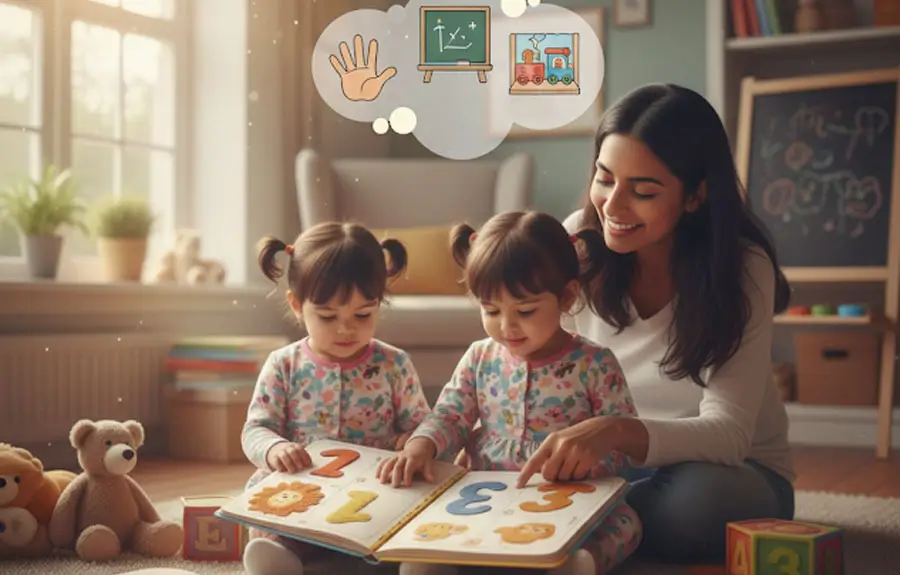
Younger children begin by recognising numbers and learning how to follow them. As difficulty increases, children are exposed to larger sequences such as 1–50 or 1–100. This strengthens counting and prepares them for basic arithmetic.
Dot-to-dot books also introduce skip-counting activities where kids connect numbers by 2s, 5s or 10s. These exercises support multiplication readiness and strengthen logical reasoning.
By practising numbering in a hands-on way, kids develop a stronger mathematical foundation.
Fine motor skills are essential for writing, drawing, tying laces, buttoning clothes and performing daily tasks. Dot-to-dot activities provide ideal practice for building these skills because children must carefully connect dots with controlled movement.
Kids learn:
As children connect dots, they learn to guide their hands using visual cues. This improves hand–eye coordination and prepares them for handwriting. The repetitive motion of drawing lines strengthens finger muscles and steadies the wrist.
The controlled motor movements learned through dot-to-dot books help kids transition into drawing and writing more confidently.
Dot-to-dot activities introduce early problem-solving in a gentle yet effective way. Kids must analyse the position of dots, identify the next number and decide how to connect the path correctly.
Problem-solving skills developed include:
Kids must figure out how the dots relate to each other visually. They follow steps, make corrections when needed and try again if they skip a number. This persistence teaches resilience and logical thinking.
Dot-to-dot activities also help improve spatial reasoning — the ability to understand shapes, directions and object placement. This skill is essential for mathematics, science, sports and everyday tasks.
Visual perception refers to how kids interpret and understand the information they see. Dot-to-dot books strengthen this ability by requiring children to scan the page, locate dots, differentiate positions and follow patterns.
Kids learn to:
These visual-processing skills help children in reading (tracking text), writing (spacing letters correctly) and mathematics (recognising patterns and shapes). Dot-to-dot activities offer one of the most effective ways to develop these abilities in early childhood.
Dot-to-dot activities teach kids an important emotional skill — patience. Completing the picture requires steady involvement, repeated action and understanding that the reward comes after the effort.
Kids also develop persistence. If they connect a wrong dot or skip a number, they must go back and correct the mistake. This teaches them not to give up easily and to approach tasks with a positive attitude.
These emotional strengths support children socially and academically throughout their schooling years.
Parents should choose dot-to-dot books based on:
For younger kids (3–4 years):
For older kids (5–6 years):
Choosing the right level ensures kids enjoy the activity without frustration.
Parents can enhance the learning experience by:
This positive approach helps kids associate dot-to-dot activities with success, fun and creativity.
Yes, they strengthen fine motor skills, grip control and line tracing.
They greatly improve focus and step-by-step attention.
Kids can start around age 3 with simple sequences.
They strengthen number recognition and sequencing.
Yes, kids imagine and enhance the picture creatively after connecting the dots.
They improve visual tracking, shape recognition and perception.
Minimal guidance helps, but children should explore independently.
Themes increase engagement and make learning enjoyable.
Yes, they offer a productive, hands-on alternative to screens.
Completing pictures boosts confidence and emotional strength.

We offer fast delivery.

We offer E-Gift Cards.

Dedicated 24/7 support.

100% secure payment.

 My Order
  0
0