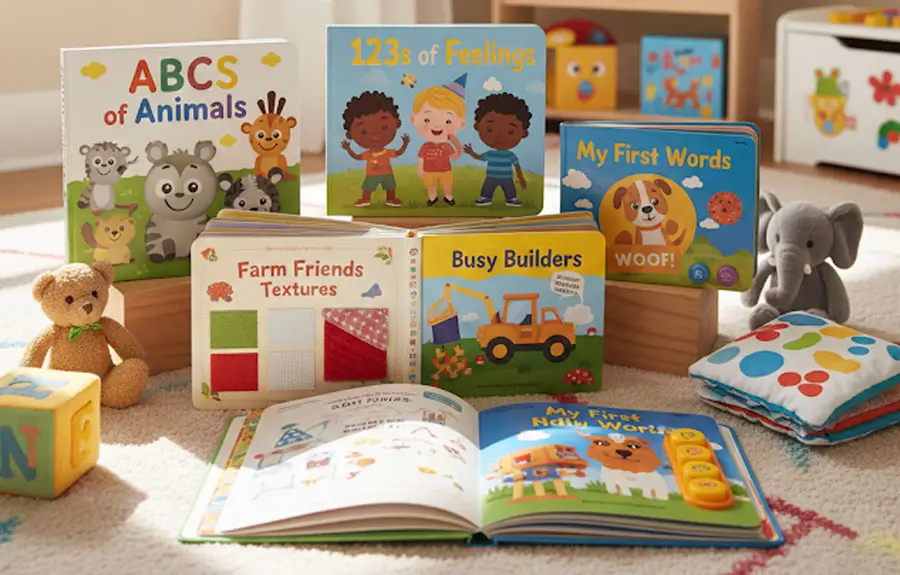
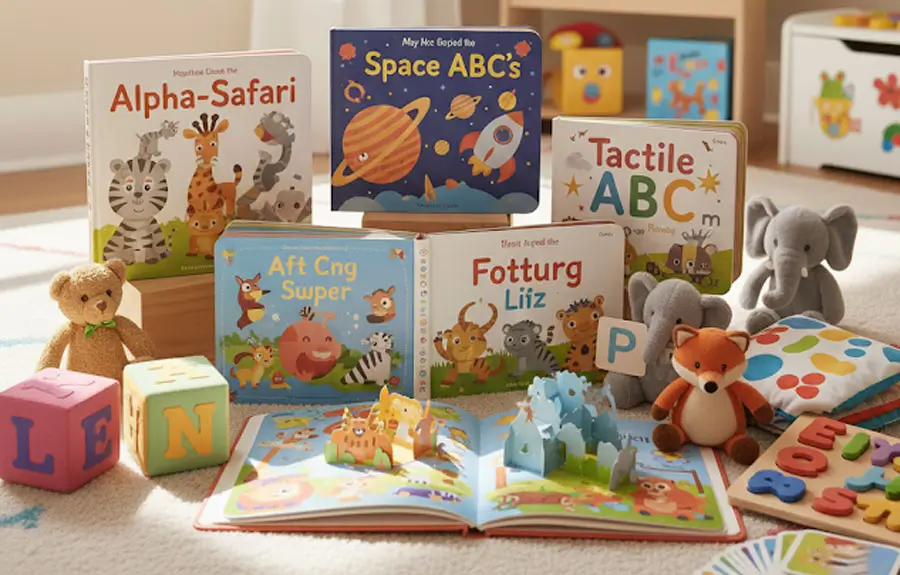
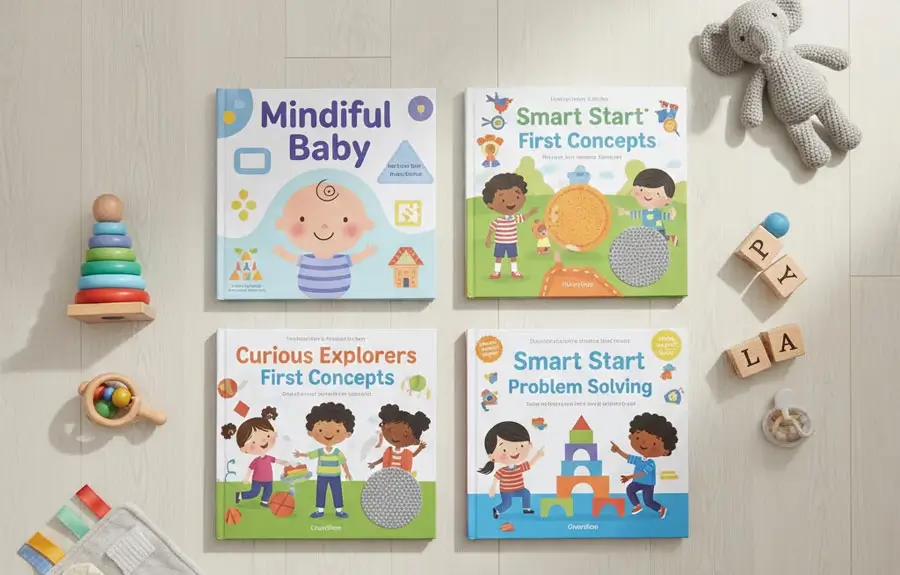
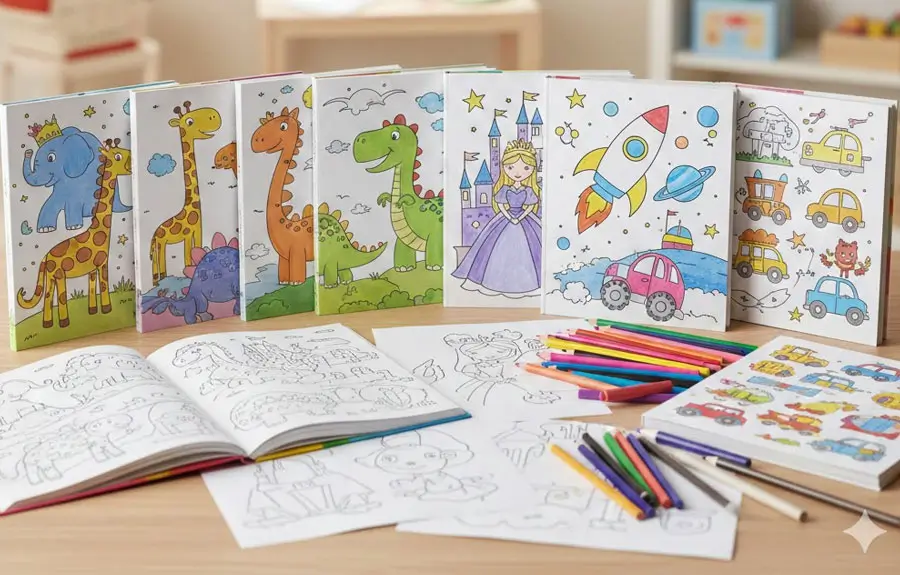
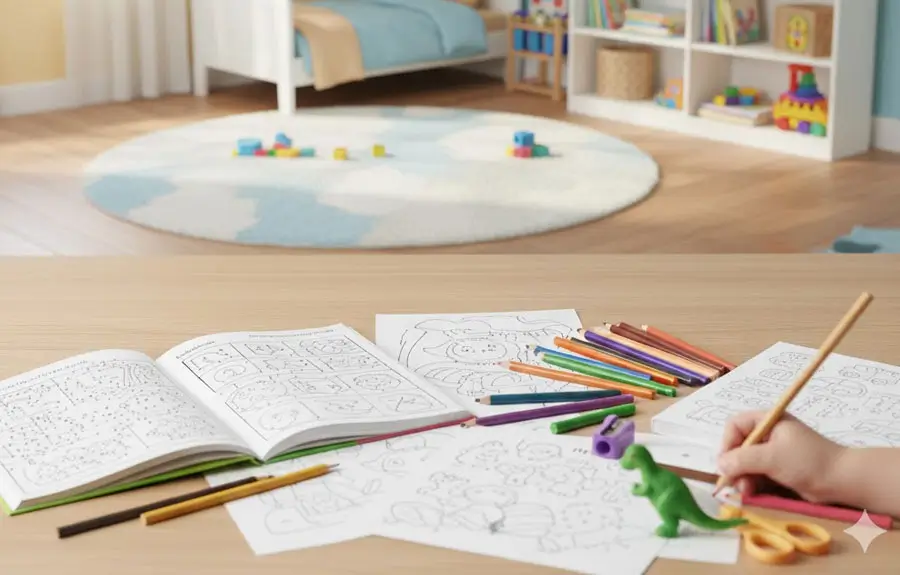
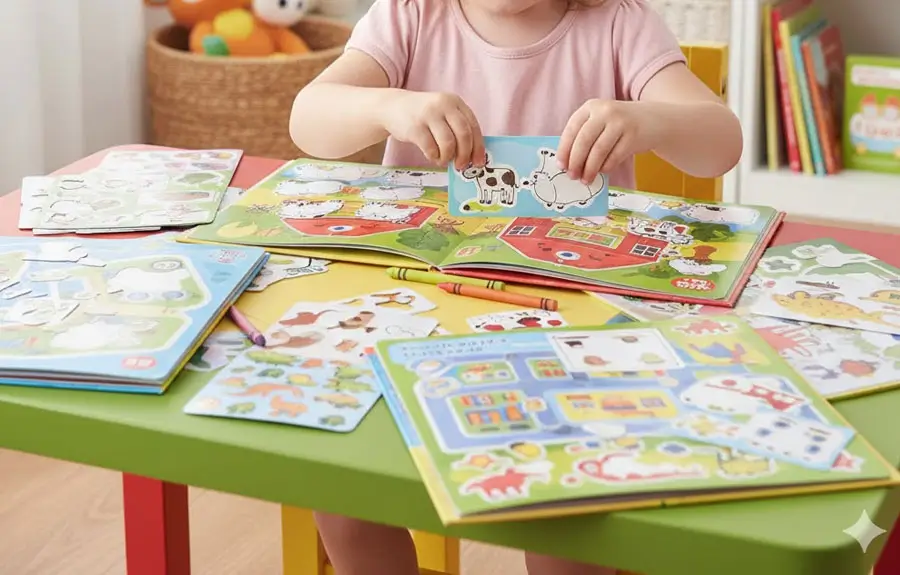
Today’s children are growing up in a digital world where mobile phones, tablets and televisions are easily accessible. While technology has benefits, excessive screen time can affect focus, sleep quality, emotional balance and physical health. Many parents struggle with this challenge: how to keep kids engaged without relying on screens. The most effective, natural and child-approved solution is introducing activity books. These books offer interactive, hands-on experiences that captivate children’s interest and significantly reduce their dependency on mobile screens.
Activity books provide variety — colouring, tracing, puzzles, stickers, dot-to-dot, mazes, sorting tasks and creative exercises. This wide range of activities keeps children excited and curious. Screens offer passive stimulation, while activity books offer active participation. Children think, create, draw, solve, imagine and explore using their own abilities. This active engagement not only promotes learning but also distracts them from digital devices effortlessly.
The charm of activity books lies in their simplicity. They do not require charging, batteries or internet. Kids connect emotionally with the pages, the colours, the characters and the progress they make. Every completed page becomes a small achievement, giving children a sense of pride. This self-driven motivation encourages them to choose books over screens naturally.
Before understanding how activity books help, it is important to know why limiting screen exposure is crucial. Excessive screen time affects children in multiple ways:
Children who spend too much time on screens often crave constant visual excitement. This reduces interest in slower, meaningful activities such as reading, writing and creative play. Activity books help restore balance by offering gentle, productive engagement that strengthens mental and emotional development.
Screens offer quick, colourful, fast-moving content that entertains but does not require physical or mental effort. Activity books, on the other hand, activate both the mind and the hands. Kids must think, draw, colour, match, trace or solve. This interaction gives them a deeper sense of involvement.
Activity books promote:
The more kids participate actively, the less they feel attracted to passive screen content. Activity books provide the perfect alternative because they satisfy a child’s need for fun while nurturing meaningful growth.
Screens limit creativity because kids simply watch what is presented to them. There is no need to imagine or create. Activity books reverse this by stimulating imagination.
Through colouring, drawing prompts, sticker scenes, puzzle challenges and story-building pages, activity books encourage children to think freely. They choose colours, design pictures, create stories and express emotions visually. This creative freedom makes the experience personally rewarding.
As creativity grows, children naturally gravitate toward interactive activities instead of passive screen watching. Their imagination becomes their biggest source of entertainment.
Screens train the mind to expect constant movement and rapid changes. Activity books slow down the process, teaching kids to focus. When children:
they learn to pay attention, observe details and focus for longer periods.
This shift from fast digital stimulation to calm, structured engagement reduces hyperactivity and improves emotional stability. As kids build better concentration, they find activity books more satisfying, reducing their reliance on screens.
A major reason children reach for mobile phones is boredom. Activity books eliminate boredom by keeping little hands busy in a productive way.
Activities such as:
require controlled movement and finger coordination. This not only improves fine motor skills but also keeps children occupied in a positive, hands-on manner.
When hands are busy and brain is engaged, children do not feel the urge to grab a phone.
Screens make kids dependent on external entertainment. Activity books promote self-driven learning. Kids complete tasks, solve puzzles, choose colours and follow paths independently.
This independence builds:
Children feel proud of their achievements — a completed maze, a beautifully coloured page or a solved puzzle. This pride motivates them to continue exploring activity books without needing digital entertainment.
One of the biggest advantages of activity books is that they encourage calm and mindfulness. Colouring, tracing and solving gentle puzzles help children relax. These activities reduce stress and overstimulation caused by screens.
Activity books create peaceful moments where kids can focus on one task at a time. This is especially helpful before bedtime, during travel or when parents want to establish a quiet routine. These moments become a natural substitute for screen-free relaxation.
Children often turn to screens because they lack interesting offline options. Activity books provide a variety of alternatives that feel just as engaging.
These books offer endless combinations of:
because no two pages look the same. Kids experience novelty without overstimulation. This variety ensures that activity books never become boring.
Parents can rotate different activity books to maintain excitement and curiosity.
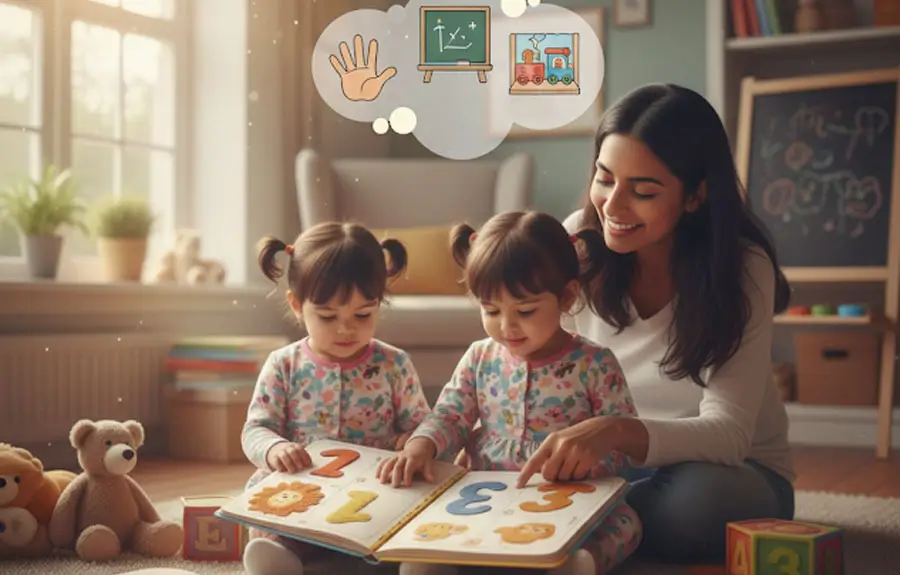
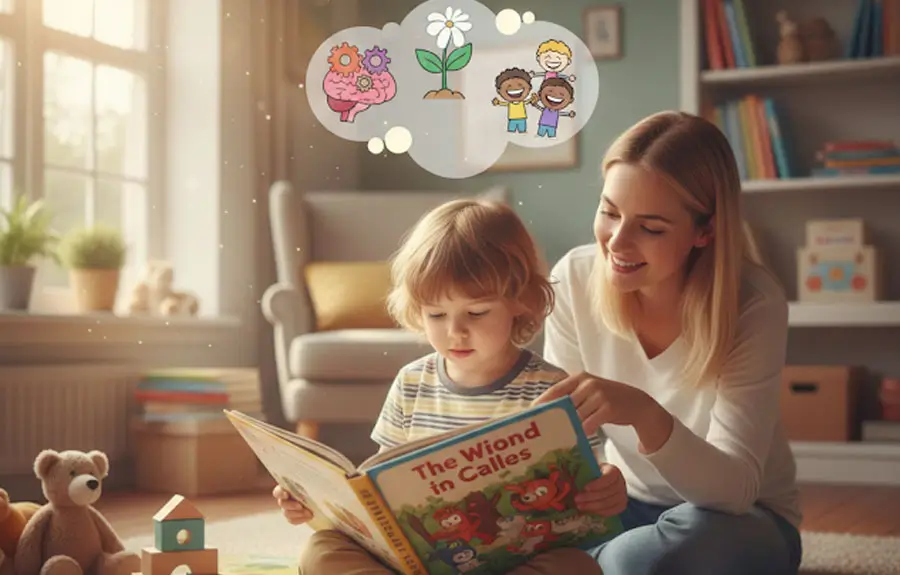
One reason kids want screens is because screens create instant companionship. Activity books offer a healthier substitute — they provide moments of bonding.
Parents can sit with their child to:
These shared experiences create emotional connection, which screens cannot match. When children feel connected and supported, they rely less on digital devices for comfort or entertainment.
Screens often cause overstimulation, making children irritable or restless when the device is taken away. Activity books create the opposite effect — they produce calm, focus and satisfaction.
Regular activity-book engagement reduces:
Children learn to enjoy quiet play, problem-solving and self-guided creativity. This reduces conflicts at home and creates a healthier routine.
Parents can introduce activity books strategically to replace digital dependency.
Helpful approaches include:
The key is consistency. When activity books become a natural part of the child’s routine, screen time automatically decreases.
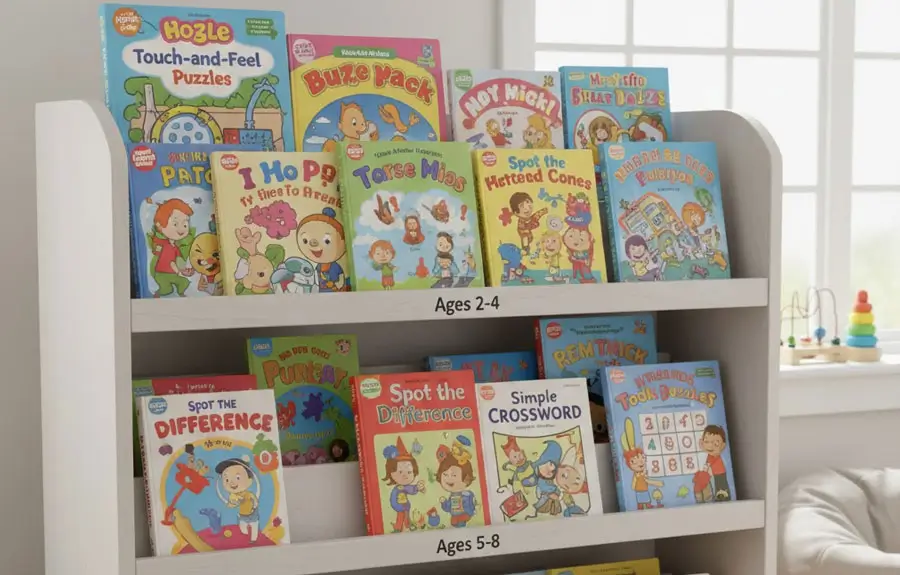
Parents should choose activity books that match their child’s age and interests.
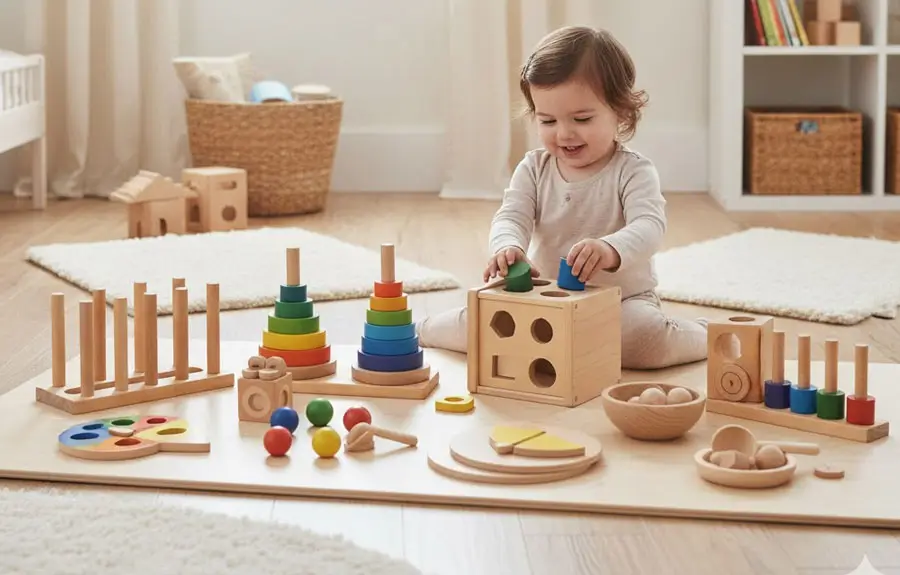
For toddlers (2–3 years):
For ages 3–4:
For ages 5–6:
Age-appropriate activity books ensure children remain engaged without frustration.
Yes, they provide meaningful engagement that replaces the need for digital entertainment.
Children as young as two can start with simple sticker or colouring books.
Yes, they promote calmness, focus and mindful behaviour.
Tracing and puzzle-based books improve fine motor strength and control.
Activity books offer hands-on learning that strengthens real-world skills.
No, rotating different types of books keeps the excitement alive.
Absolutely, they encourage imagination and self-expression.
They keep kids engaged and reduce mobile usage during long trips.
Initial guidance helps, but children should gradually learn independently.
Yes, child-friendly books with large pictures and thick pages are ideal.

We offer fast delivery.

We offer E-Gift Cards.

Dedicated 24/7 support.

100% secure payment.

 My Order
  0
0