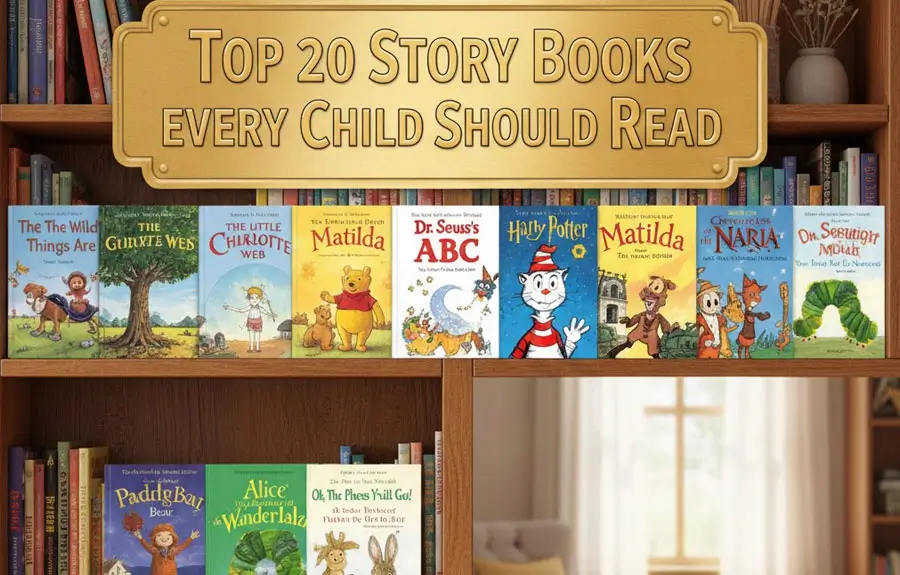
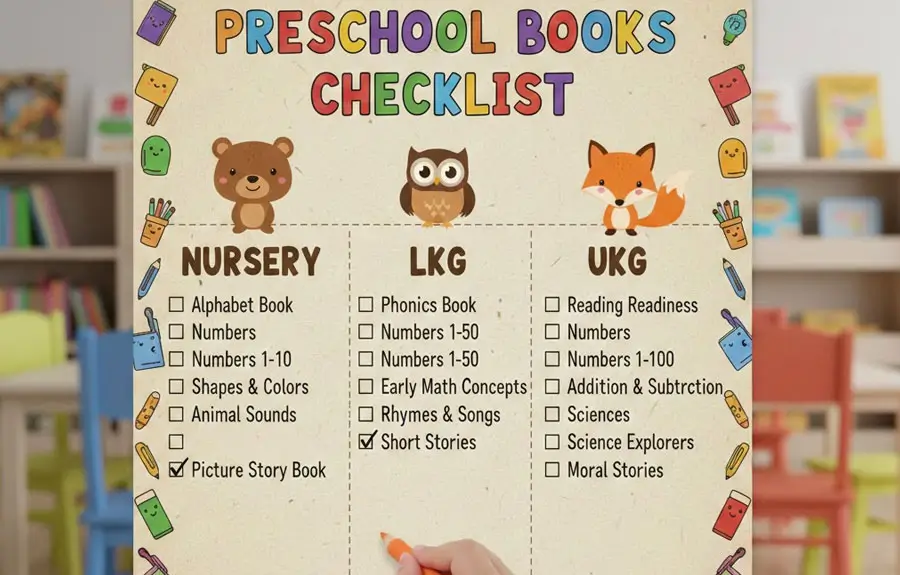
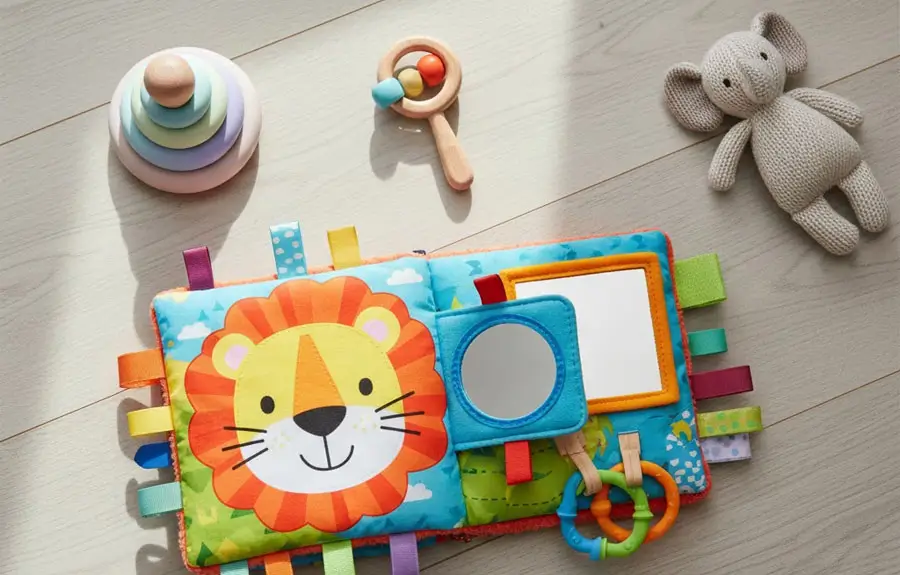
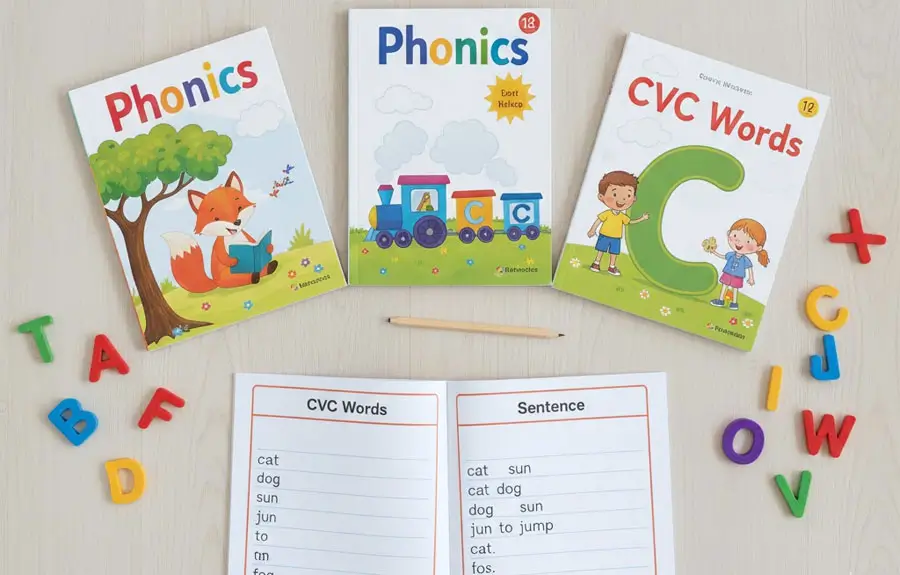
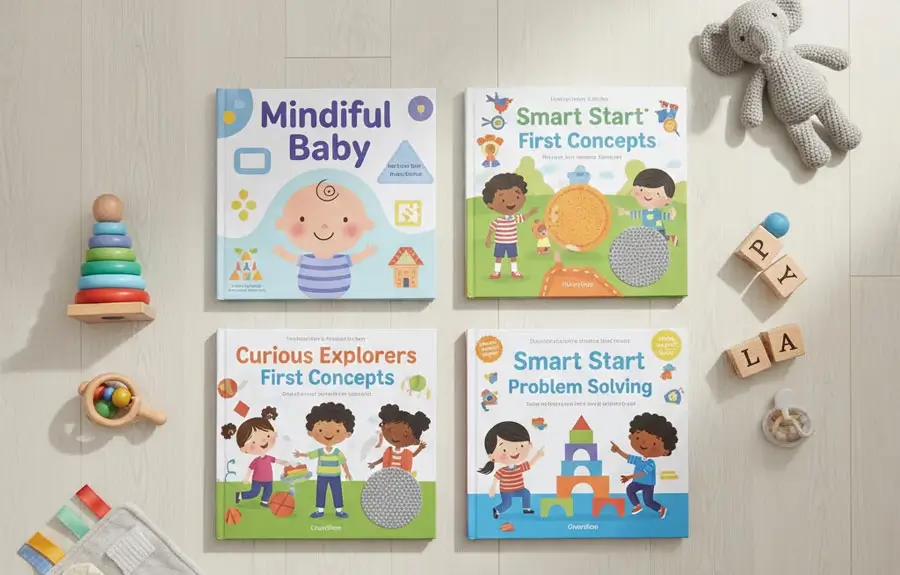
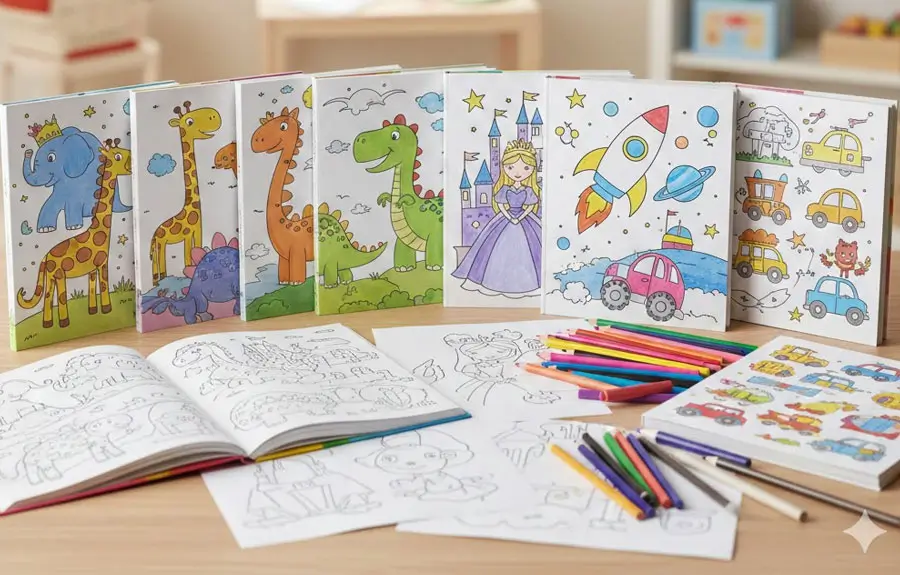
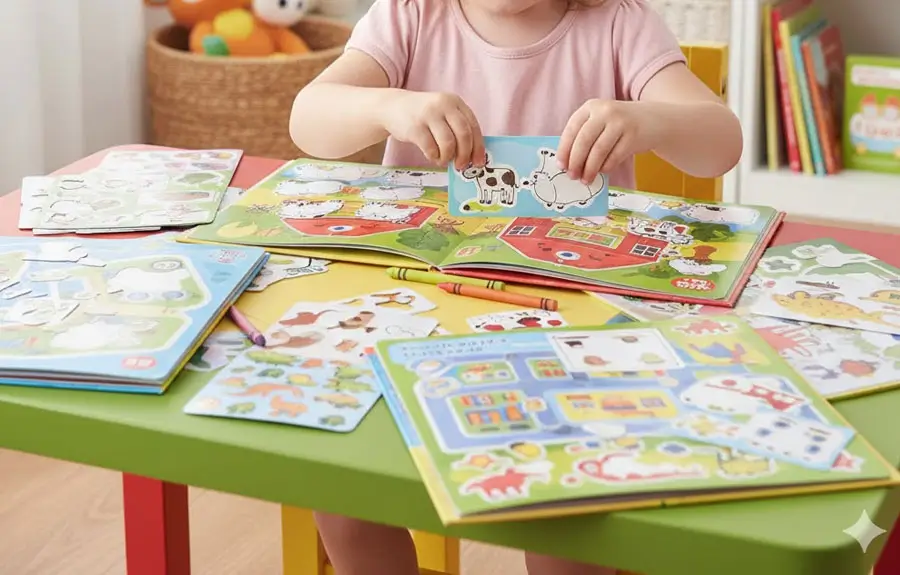
Early childhood learning is built on curiosity, exploration and meaningful exposure. Toddlers absorb information rapidly, not through formal lessons but through simple visuals, repetition and playful interaction. Among the most popular early learning tools, flash cards and books stand out as two powerful resources that parents rely on for teaching vocabulary, recognition skills and early concepts. Both are effective in their own ways, but they differ significantly in method, impact and style of engagement. Understanding how each tool works helps parents decide which approach suits their toddler’s learning style best.
Toddlers between the ages of 0–4 respond strongly to visual content. Their minds are naturally wired to observe colours, shapes, patterns and familiar objects. Whether it is a book filled with expressive illustrations or a flash card showing a bold image with a simple label, toddlers process these visuals instantly. What makes the choice challenging is that both tools offer unique benefits. Flash cards support quick recognition, while books provide context and depth. Flash cards work well for targeted learning, whereas books help toddlers explore at their own pace.
Parents often wonder whether they should invest more in flash cards or build a strong library of early learning books. The reality is that both resources complement each other beautifully. The key is understanding how each one works and when it is most effective. By choosing a balanced approach, parents can create a rich learning environment that nurtures vocabulary, memory, attention and early comprehension.
To understand the effectiveness of flash cards and books, parents must first understand how toddlers process information. Toddlers rely heavily on visual cues because their verbal abilities are still emerging. They understand pictures long before they understand sentences. Learning is most effective when visuals are simple, bold and relatable.
Toddlers learn best when visuals match real-life experiences. When a toddler sees a picture of a dog, apple, cup or ball, they connect it with objects in their surroundings. This visual–real-world mapping forms the basis of vocabulary learning. Flash cards and books both use this principle, but in different formats.
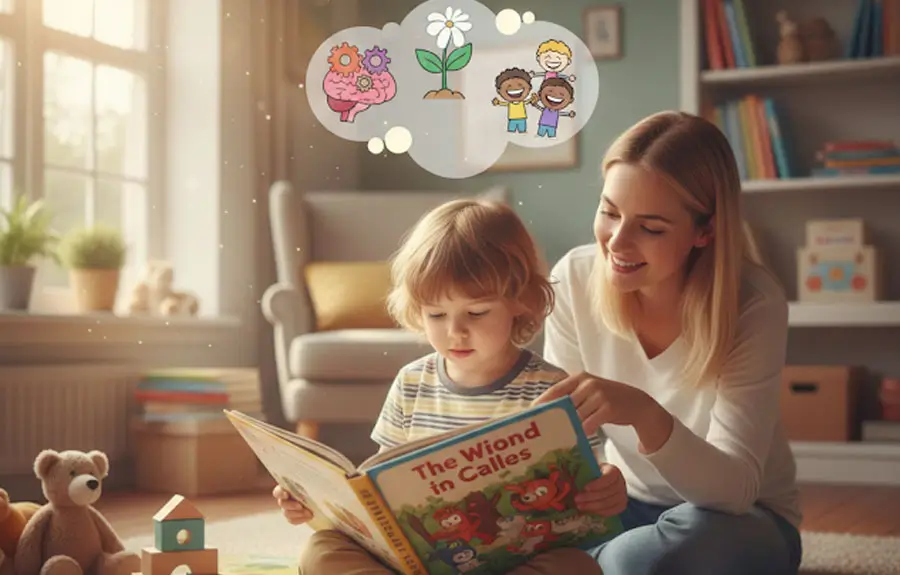
Flash cards use minimal visuals with no distractions, helping toddlers focus on one object at a time. Books, on the other hand, create a structured visual journey where toddlers see objects in context. This makes books ideal for storytelling, comprehension and emotional development. Visual exposure through both tools builds strong neural connections that support early cognitive growth.
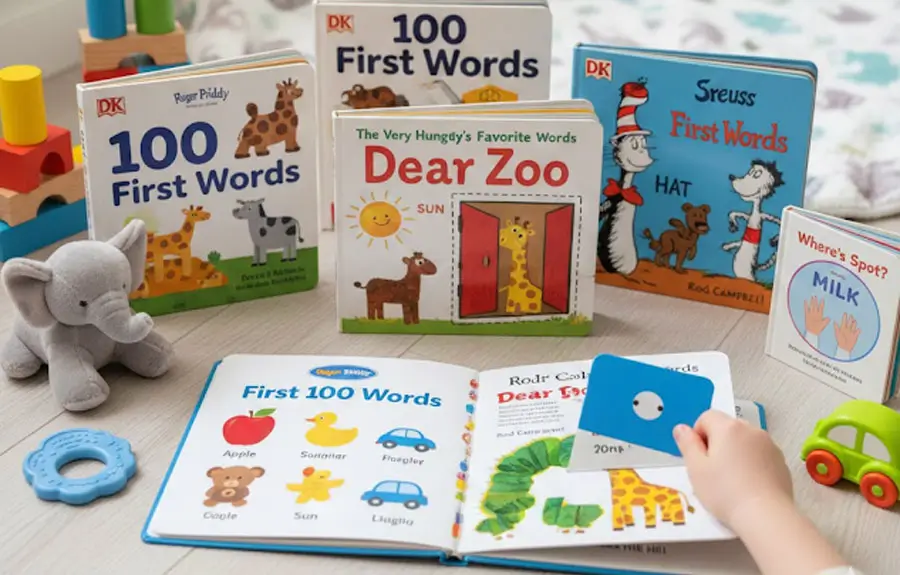
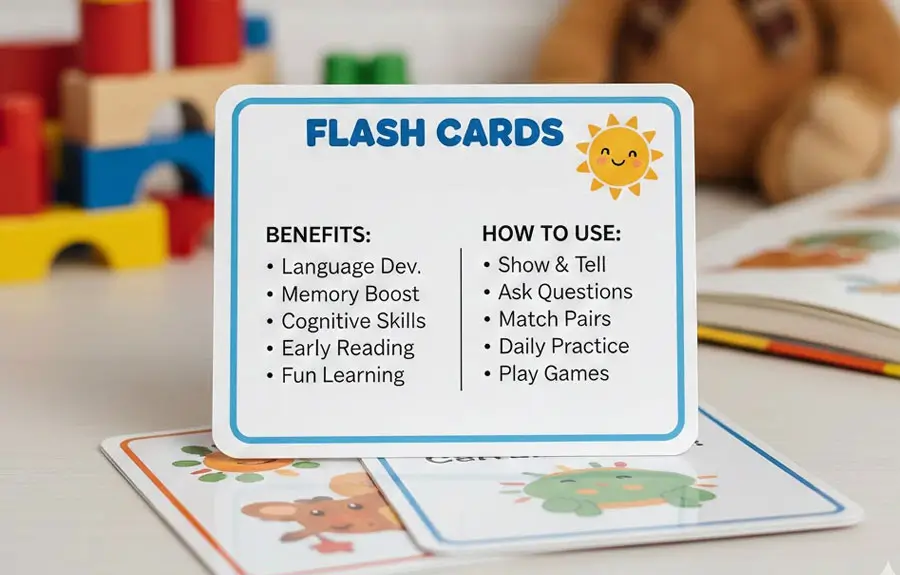
Flash cards are simple learning tools designed to improve quick recognition. Each card typically contains one image and one word, with no additional details. This minimalism is intentional because toddlers focus best when there are no distractions. Flash cards provide a short, targeted way for toddlers to learn objects, words, colours, numbers, shapes and early concepts.
Flash cards work especially well for developing memory recall. Because toddlers see one object at a time, the brain creates a strong visual imprint. When toddlers are shown the same card repeatedly, recognition becomes instant. This is why flash cards are often used for teaching animals, fruits, vegetables, body parts, colours and everyday objects.
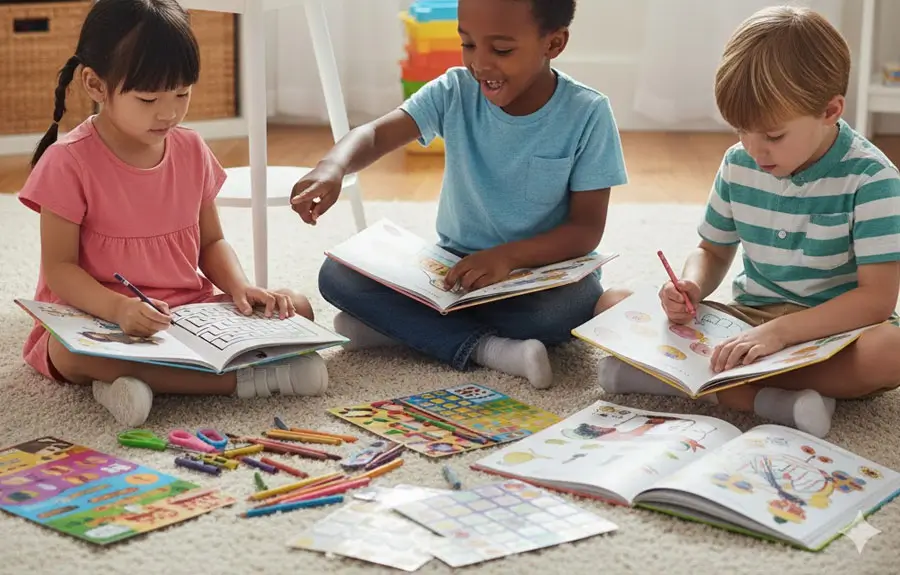
Flash cards also support active participation. Toddlers can hold them, sort them, arrange them or even point to their favourites. This hands-on engagement helps with motor skills and boosts confidence. The clear and bold design of flash cards ensures toddlers understand what they are observing without confusion.
Flash cards are excellent for short learning sessions. A quick 3–5 minute round of flash cards can reinforce vocabulary effectively. Parents can present flash cards rapidly to keep toddlers engaged, especially during early learning sessions where attention span is short.
Flash cards offer several unique developmental benefits when used consistently and in short sessions. One of the biggest advantages is speed of recall. Toddlers quickly learn to recognise objects and words because the visuals are repetitive and uncluttered.
Flash cards also strengthen object–word association. Toddlers visually process the picture first and then connect it to the spoken word. This simple and clean learning pathway helps toddlers grasp vocabulary faster. The minimalistic design helps avoid overstimulation, making flash cards perfect for focused learning.
Toddlers also gain independence through flash cards. They can hold cards, flip through them or organise them however they want. This sense of independence encourages exploration and builds familiarity with new words. Handling flash cards also strengthens fine motor skills and coordination.
Flash cards are versatile and portable. Parents can use them anywhere — during car rides, waiting times, bedtime routines or playtime. This flexibility allows learning to become part of a toddler’s natural rhythm.
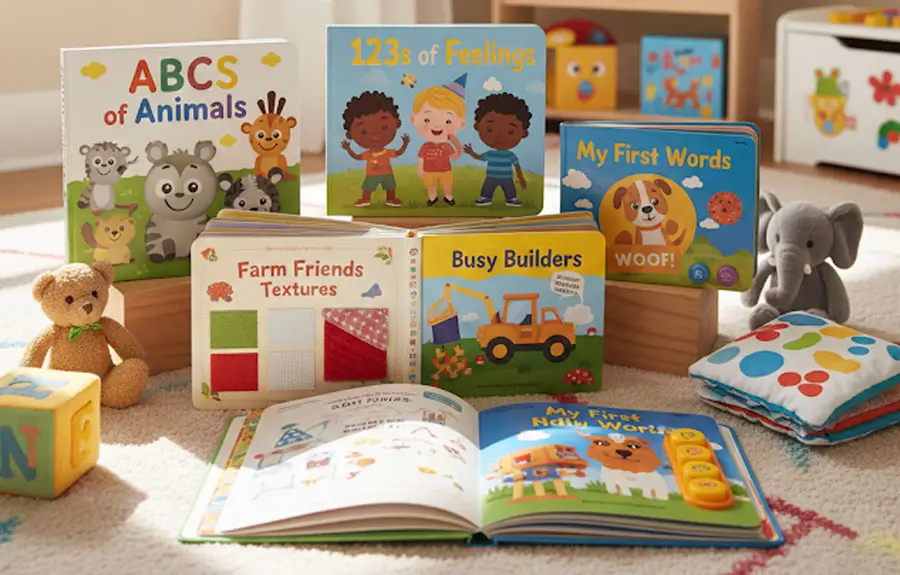
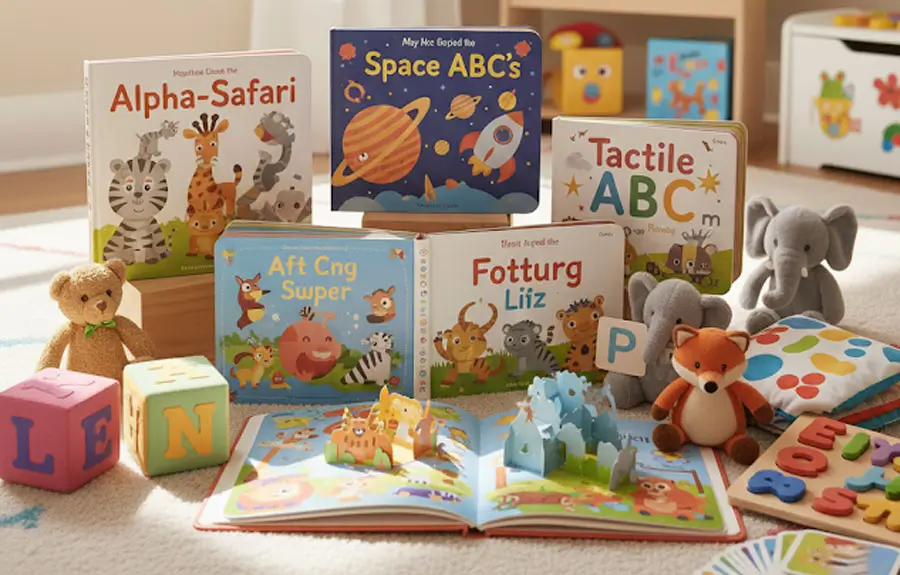
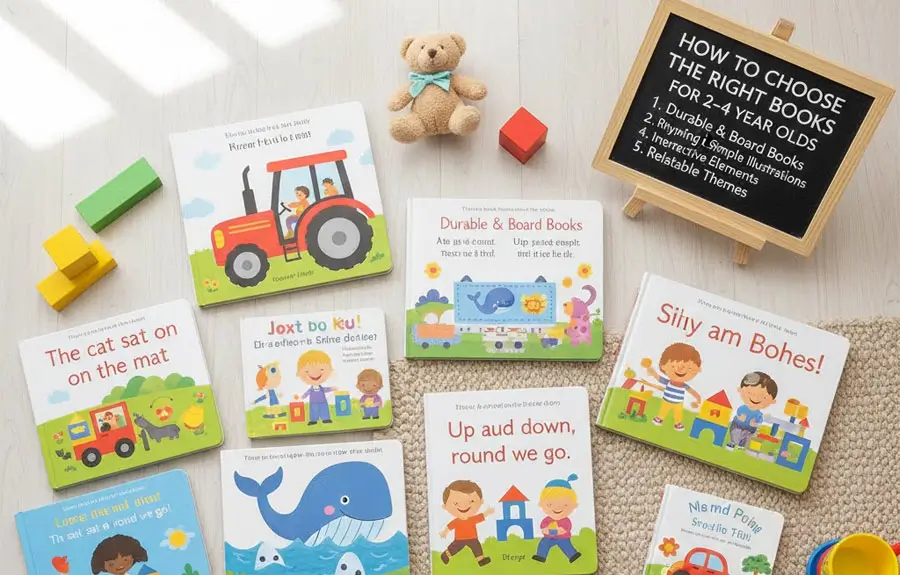
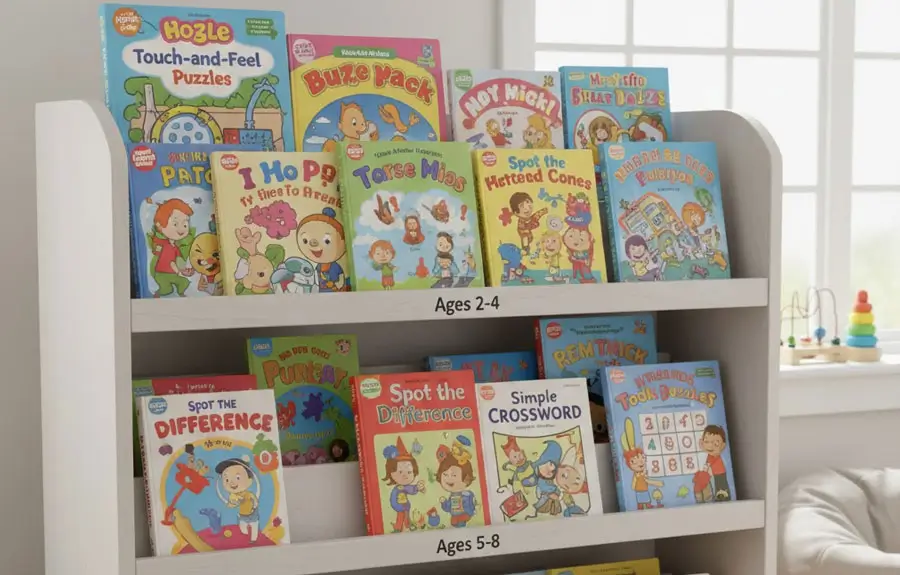
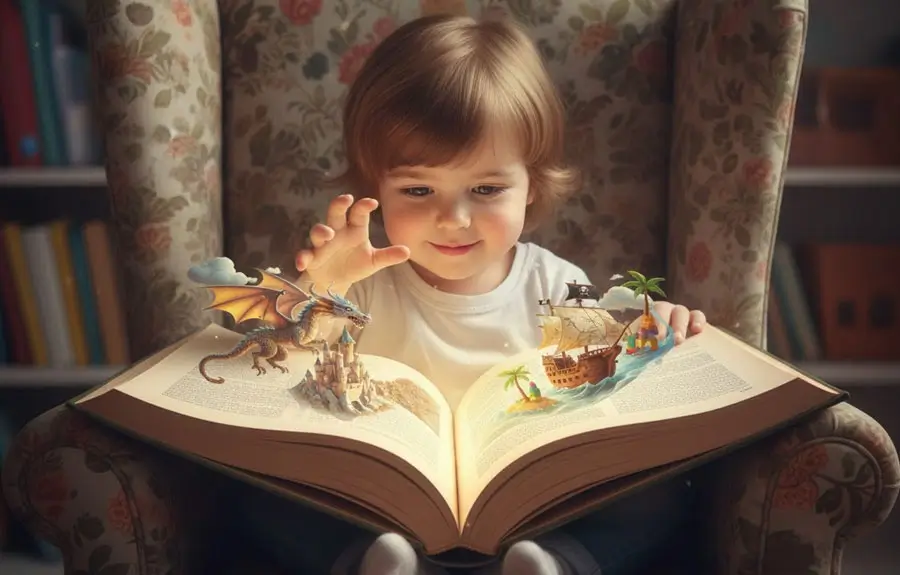
While flash cards excel at quick recognition, books provide a richer and deeper learning experience. Books introduce toddlers to visuals, stories, interactions, emotions, and environments in a structured format. A book offers multiple layers of learning — vocabulary, storytelling, emotional understanding, pattern recognition and imagination.
Books place visuals in context. Instead of showing a single apple on a flash card, a book may show a family picnic with apples, leaves, baskets and expressions. This helps toddlers interpret scenes, understand relationships between objects and build comprehension skills. Books encourage toddlers to think beyond a single image.
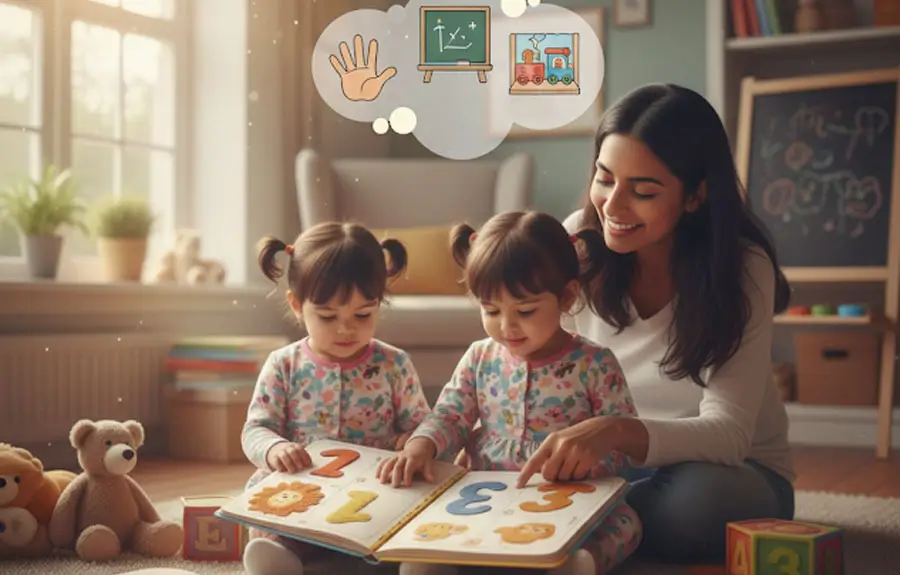
Books are also key to language development. Toddlers hear rhythm, tone, expression and pauses as parents read aloud. These sounds shape early language patterns and inspire toddlers to imitate speech. Many toddlers speak their first meaningful words through repeated exposure to books.
Books also improve attention span. The structured flow of pages encourages toddlers to follow the sequence, observe details and remain engaged longer. Over time, toddlers become more patient, focused and attentive because books hold their interest with varied visuals.
Books build emotional intelligence too. Storybooks show emotions, relationships and interactions between characters, helping toddlers understand feelings and social behaviour.
Flash cards strengthen memory, but books unlock imagination. Toddlers interpret pictures in books as stories, possibilities and emotions. When they see characters walking, flying, eating or playing, they imagine themselves in similar situations. This imaginative thinking expands their creative expression.
Books introduce toddlers to new worlds — forests, oceans, cities, fairy-tale lands. These worlds spark curiosity and inspire toddlers to ask questions. Imagination supports problem-solving, storytelling and long-term confidence. Books help toddlers learn not only what objects are but how they behave and relate to each other.
Books also encourage toddlers to create their own versions of stories. When parents ask questions like “What do you think will happen next?” toddlers start using their imagination to predict outcomes. This skill is vital for academic and life readiness.
Both tools help toddlers learn, but their impact differs significantly:
Flash Cards
Books
Both are effective but serve different learning strengths.
Flash cards are most effective when parents want to teach targeted content quickly. They work well in situations like:
Flash cards are great for starting early learning but should not replace books. Their purpose is to support recognition rather than comprehension.
Books are ideal for deeper, more meaningful learning. They work best for:
Books offer layered learning experiences that cannot be achieved through flash cards alone.
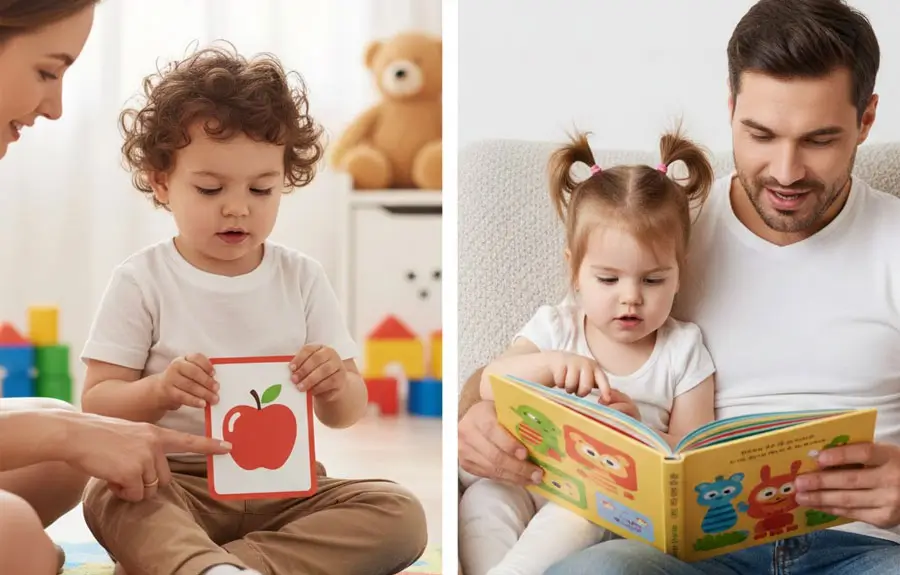
The ideal early learning approach involves using both flash cards and books together. Flash cards help toddlers identify objects instantly, while books help them understand how those objects fit into the world. A combined approach allows toddlers to learn vocabulary, comprehension, memory and expression simultaneously.
Parents can start with flash cards to introduce objects and then switch to books that show those objects in context. For example, teaching the word "dog" with a flash card and then reading a book showing a dog playing with a family creates a complete learning experience.
Using both tools ensures toddlers benefit from fast recognition and deep comprehension. Learning becomes balanced, enjoyable and holistic.
Flash cards support quick recognition but should be combined with books for deeper learning.
Books build vocabulary through context, while flash cards build rapid recall.
Books improve attention span through structured storytelling.
They help with word recognition but books are better for expressive language.
Yes, textures and flaps make learning engaging and sensory-rich.
Short sessions of 3–5 minutes are ideal for toddlers.
No, they serve different purposes and work best when used together.
Yes, stories help toddlers understand feelings and relationships.
Yes, visual exploration builds comprehension naturally.
A balanced routine using both flash cards and books enhances early development.

We offer fast delivery.

We offer E-Gift Cards.

Dedicated 24/7 support.

100% secure payment.

 My Order
  0
0