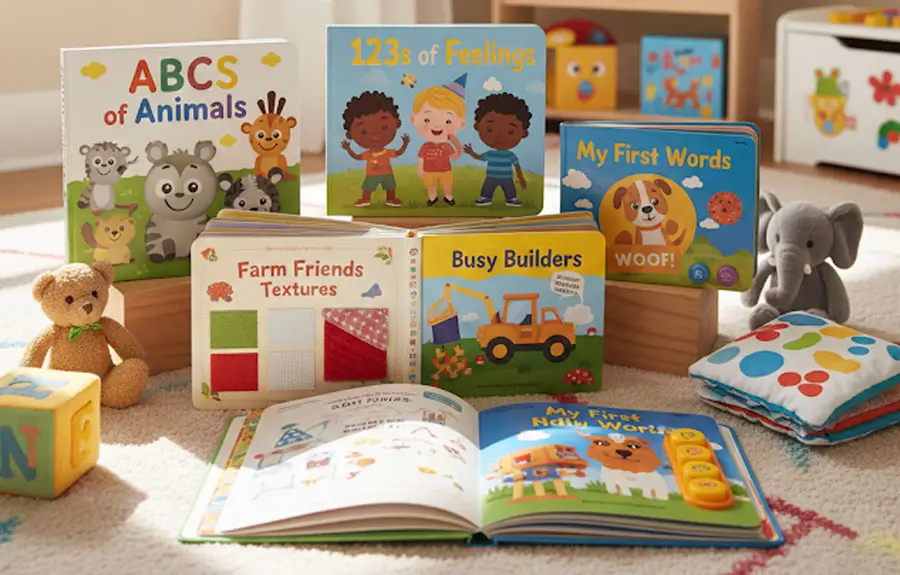
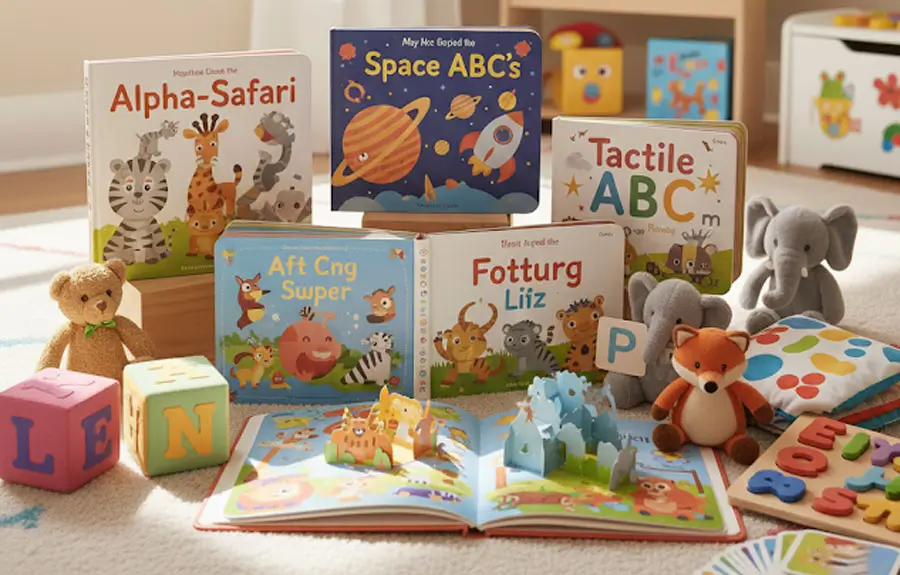
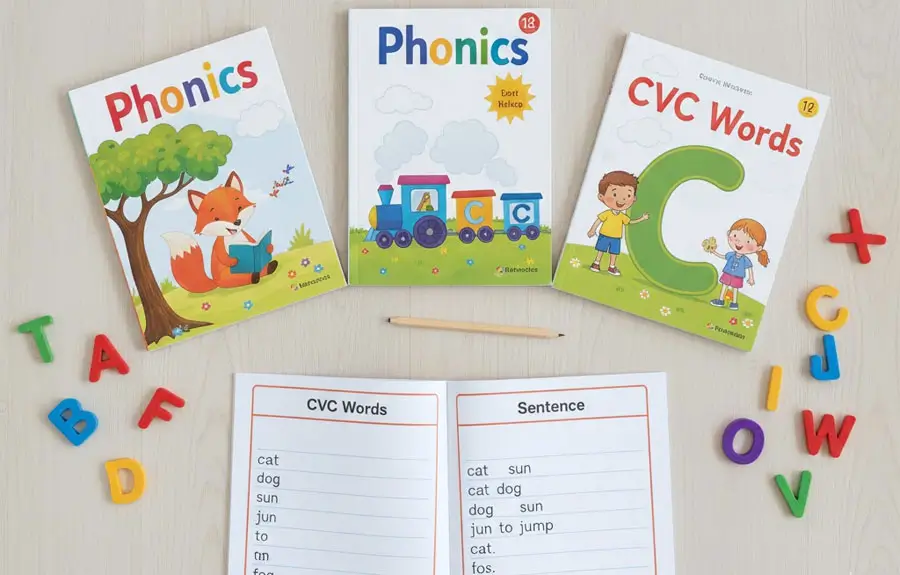
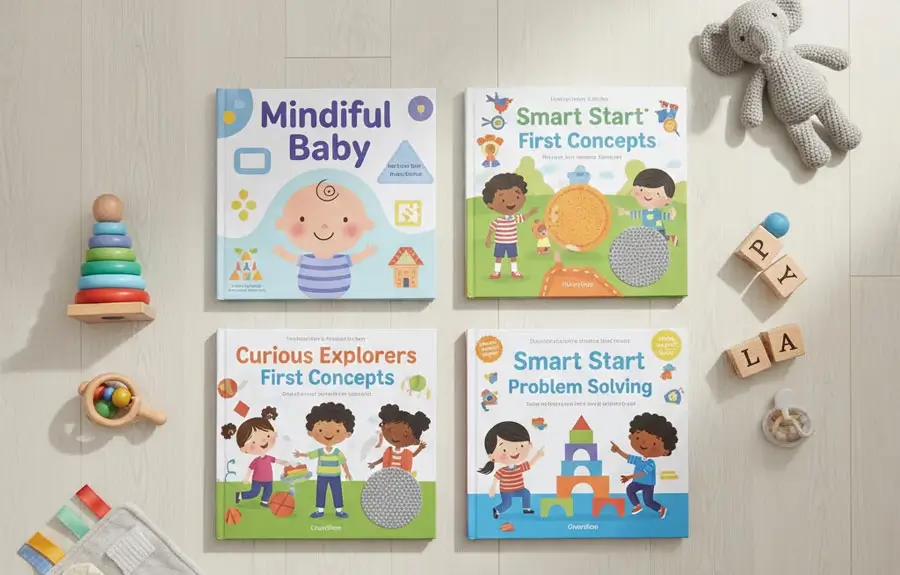
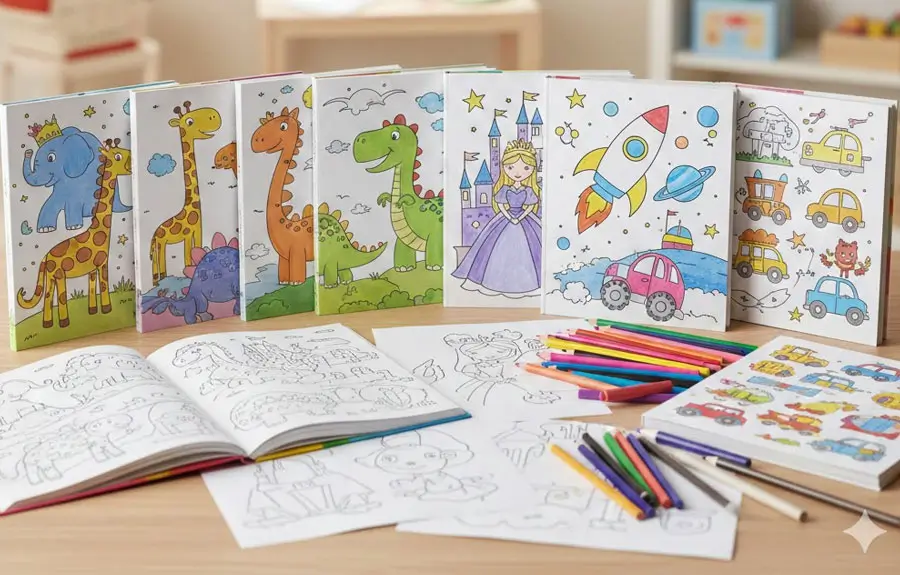
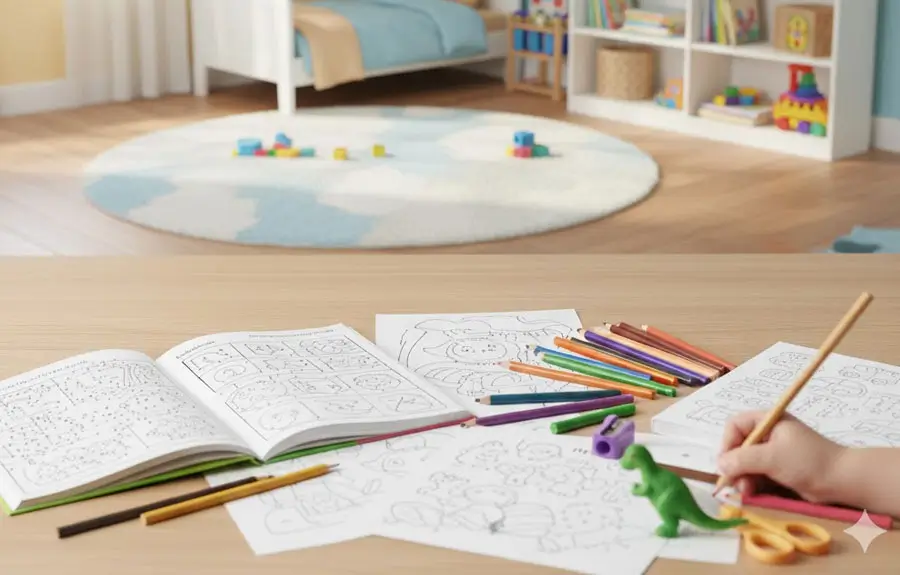
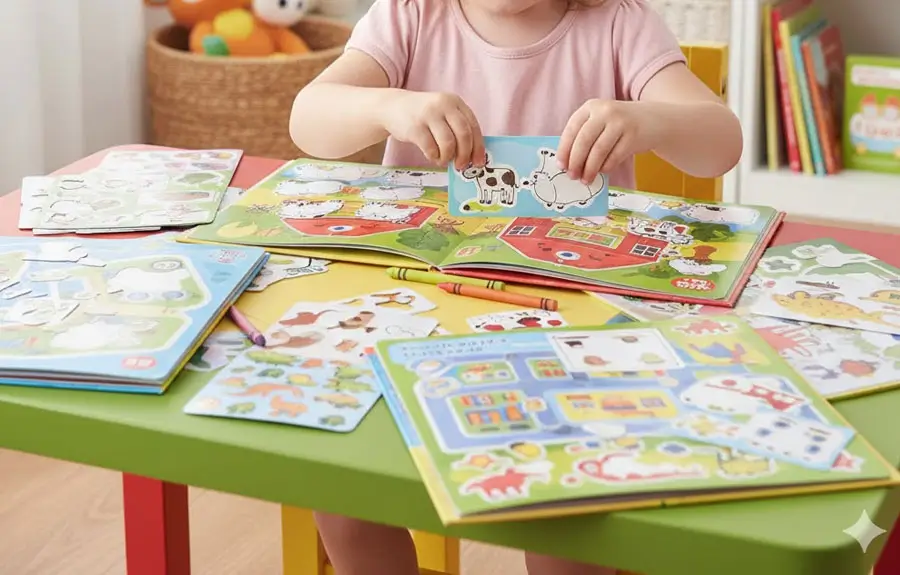
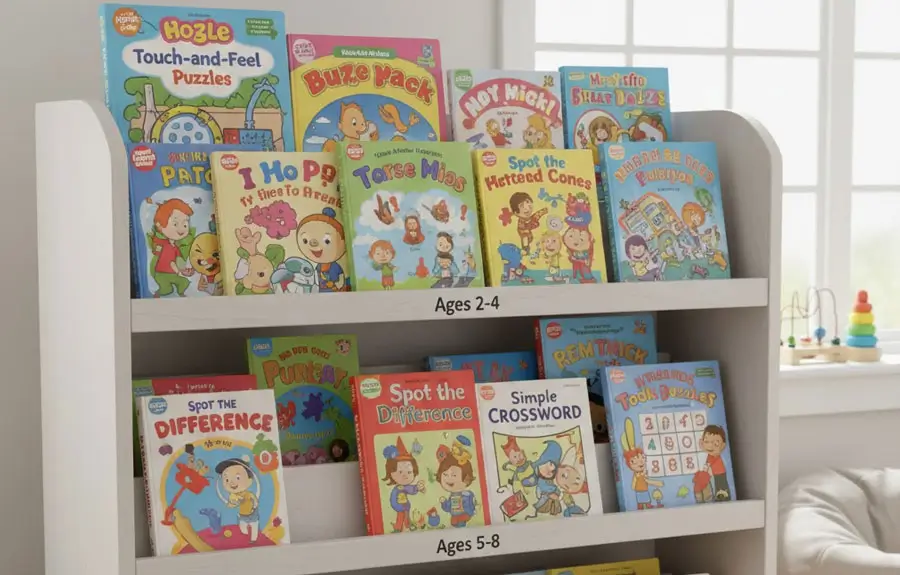
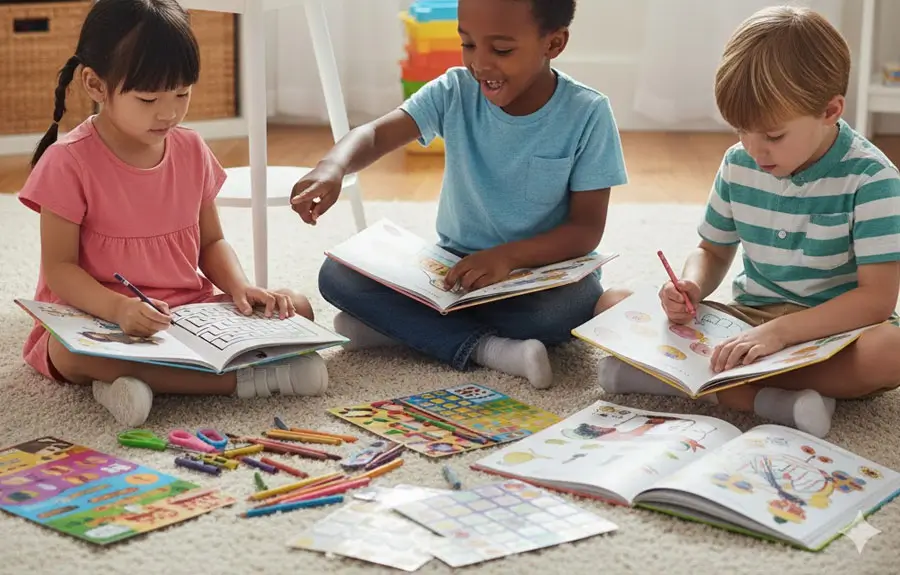
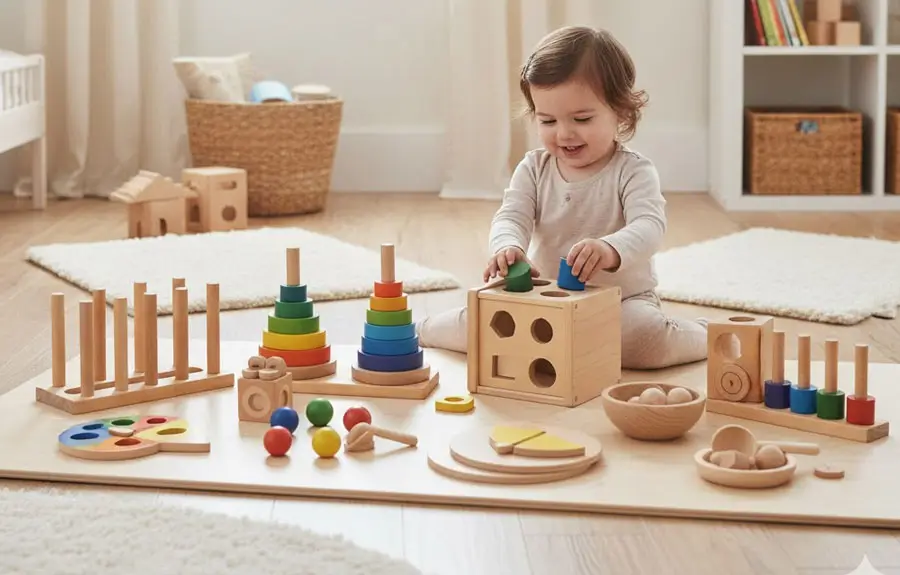
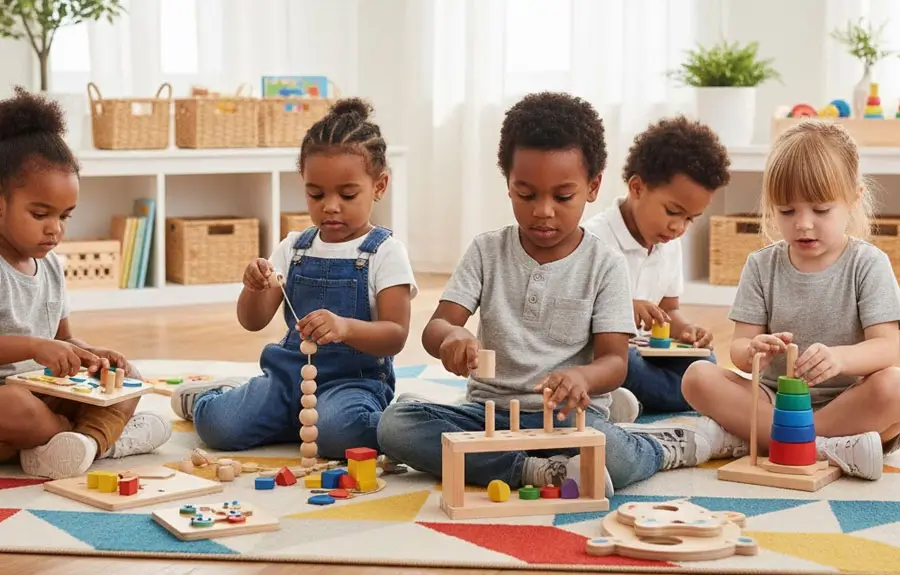
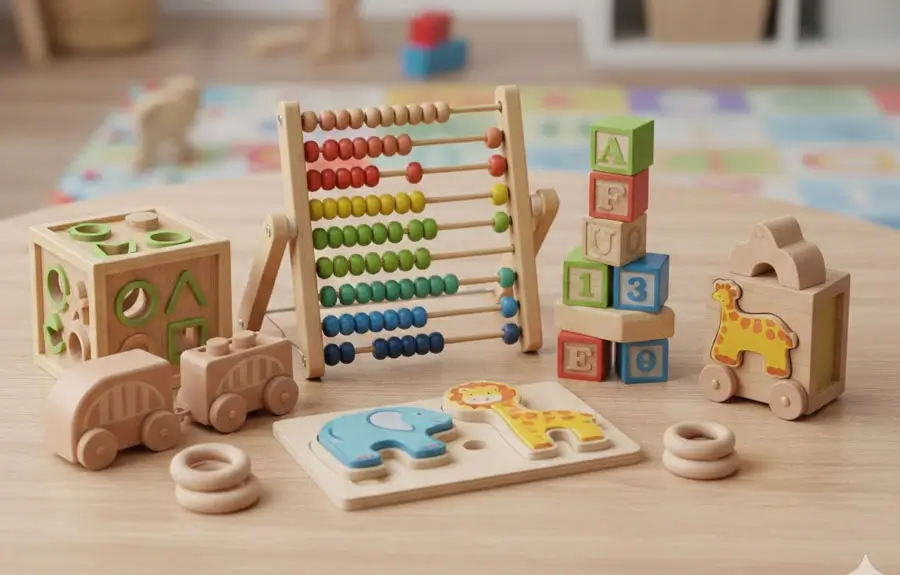
Children aged 3–6 are filled with curiosity, imagination and a growing desire to explore the world independently. This is the age where learning expands rapidly, and every small activity becomes an opportunity for mental and physical development. Activity books for 3–6 year olds are designed to channel this natural curiosity into productive learning. These books offer a wide range of fun tasks such as colouring, tracing, matching, puzzles, sticker play, counting challenges, dot-to-dot, mazes and creative exercises that help kids strengthen essential early learning skills.
Activity books are unique because they combine entertainment with education. While children simply feel they are playing, they are actually building foundational abilities needed for school readiness. These include focus, logic, hand control, creativity, memory and problem-solving. Activity books support kids in a joyful, pressure-free environment where exploration is encouraged and mistakes are part of the learning process.
Children in this age group love variety. They enjoy switching between colouring one page, solving a maze on the next and pasting stickers on the following one. Activity books provide this excitement through multiple activities in a single book, making learning dynamic and engaging. With every completed page, children experience pride and confidence, motivating them to take on more challenges.
Activity books play a major role in early childhood development because they cover multiple learning areas in one place. Kids develop cognitive, linguistic, motor, visual and emotional skills through hands-on activities. The structured yet playful format encourages children to think, observe and act independently.
Activity books help kids:
These books are also perfect for building independence. Children learn to complete tasks on their own, follow instructions and enjoy accomplishment. This sense of independence prepares them for school and boosts their confidence.
Fine motor skills involve the use of small muscles in the hands and fingers. These skills are essential for writing, drawing, buttoning clothes, tying laces and daily tasks. Kids improve fine motor abilities significantly through activities such as:
Activity books for 3–6 year olds provide repeated opportunities to practise these movements. When children trace straight lines, curves or shapes, they develop wrist stability and finger control — both necessary for handwriting. Similarly, maze activities teach directional movement, path-following and controlled hand motion.
Fine motor practice in a relaxed, creative setting helps children feel confident when they eventually begin formal writing in school.
Kids at this age have developing attention spans. Activity books help extend their ability to focus because each task requires observation, decision-making and execution. Whether colouring within lines, solving a puzzle or matching objects, children must concentrate on the task.
The balanced difficulty level keeps children engaged without overwhelming them. Short, enjoyable tasks make learning feel like play while gradually improving attention span. With regular activity book sessions, children learn to stay focused for longer periods — a skill essential for classroom learning.
Activity books also encourage consistency. Kids often want to complete a task they find interesting, and this desire naturally improves their ability to sit patiently and participate meaningfully.
Children encounter many early problem-solving challenges in daily life — choosing toys, building blocks, arranging objects or completing patterns. Activity books reinforce these skills through structured tasks.
These books typically include:
These activities require children to think critically, compare options and choose the correct answer. When children attempt multiple possibilities, explore new approaches or correct mistakes, they strengthen early logic and reasoning.
Activity books for 3–6 years old help children develop confidence in approaching challenges. Every solved puzzle encourages them to attempt more complex activities over time.
Many activity books gently introduce mathematical concepts through simple tasks, making numbers enjoyable and familiar. Early math skills include:
These tasks introduce math in a non-intimidating, playful format. Kids learn to count visually, recognize number shapes and understand early measurement concepts. Repetition in these books strengthens memory and builds readiness for formal math learning.
Activity books also include dot-to-dot activities that introduce counting sequences naturally. Kids connect numbers in order to reveal pictures, strengthening number recognition and sequencing skills.
Creativity is essential in childhood because it builds confidence, emotional expression and mental flexibility. Activity books encourage creativity through tasks such as:
These tasks invite children to think freely, experiment with ideas and express emotions through visuals. Children imagine colours, shapes and stories while engaging with these pages. Creativity nurtures positive self-expression and builds artistic confidence.
Some activity books even include storytelling prompts, encouraging children to talk about what they see or what might happen next. This improves expressive language and imagination.
Matching and sorting activities strengthen both short-term and long-term memory. Children must remember where objects are, compare details and match identical or related items.
These activities include:
Memory development supports academic success because children learn to store, access and use information more effectively. Activity books for 3–6 years old present memory challenges in fun, interactive ways that motivate kids.
Completing activities promotes emotional development by giving children a sense of achievement. Kids feel proud when they finish colouring a page or solving a maze. This builds confidence and encourages positive self-esteem.
Activity books also teach patience. Kids learn to start tasks, make mistakes, erase or redo, and finally complete the page. Patience and persistence are key emotional strengths that help children throughout school life.
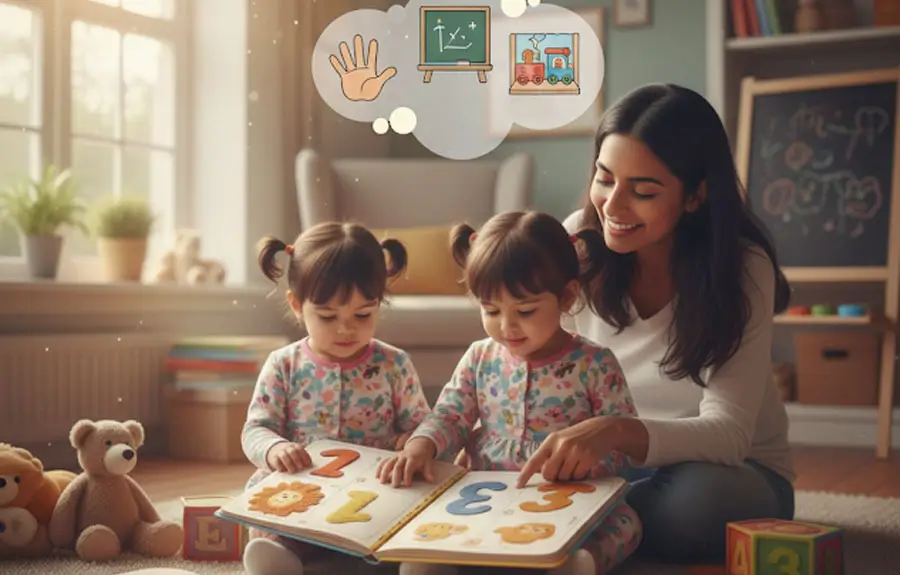
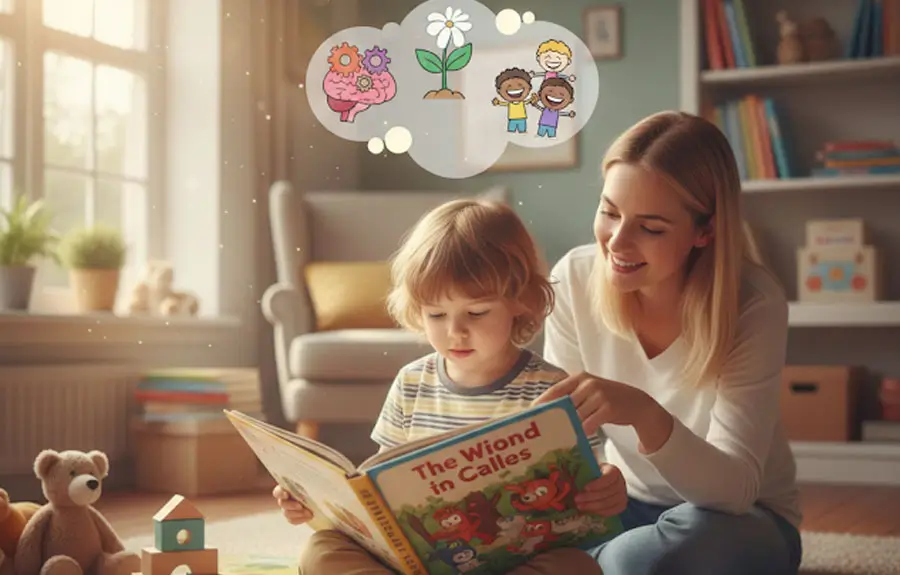
Parents and kids often enjoy activity books together. Collaborative activities strengthen bonding, improve communication and allow parents to understand their child’s interests better.
Parents should choose activity books that include:
Books should start simple and gradually increase complexity. Toddlers aged 3 need large shapes, while older kids may enjoy detail-rich puzzles and challenging mazes.
Avoid books with overly complex pages or small details that frustrate young children. Balance is key — activities must be exciting, not overwhelming.
Parents can help children enjoy and benefit from activity books by:
Activity books work best when children feel free to learn at their own pace. Parents should keep the experience positive and stress-free.
Yes, simple tracing, colouring and matching activities build early skills.
Tracing and fine motor tasks prepare children for handwriting.
Yes, structured tasks strengthen focus and attention.
They provide an engaging, hands-on alternative to digital devices.
Yes, stickers improve motor skills and creativity.
15–30 minutes daily is ideal.
Yes, completing tasks boosts confidence and self-expression.
Absolutely, they build essential skills needed for early schooling.
Guidance helps, but independent exploration is equally important.
Proper age selection prevents frustration and keeps learning enjoyable.

We offer fast delivery.

We offer E-Gift Cards.

Dedicated 24/7 support.

100% secure payment.

 My Order
  0
0