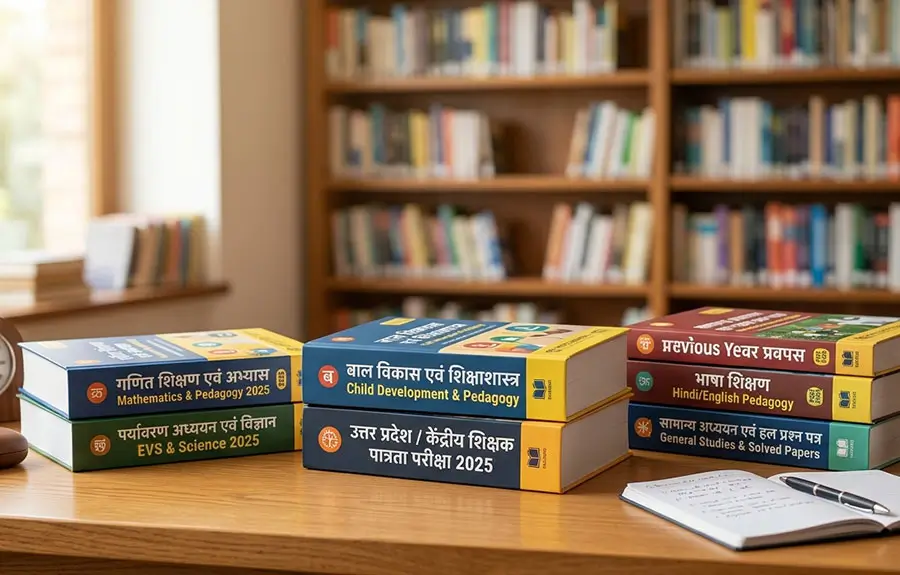
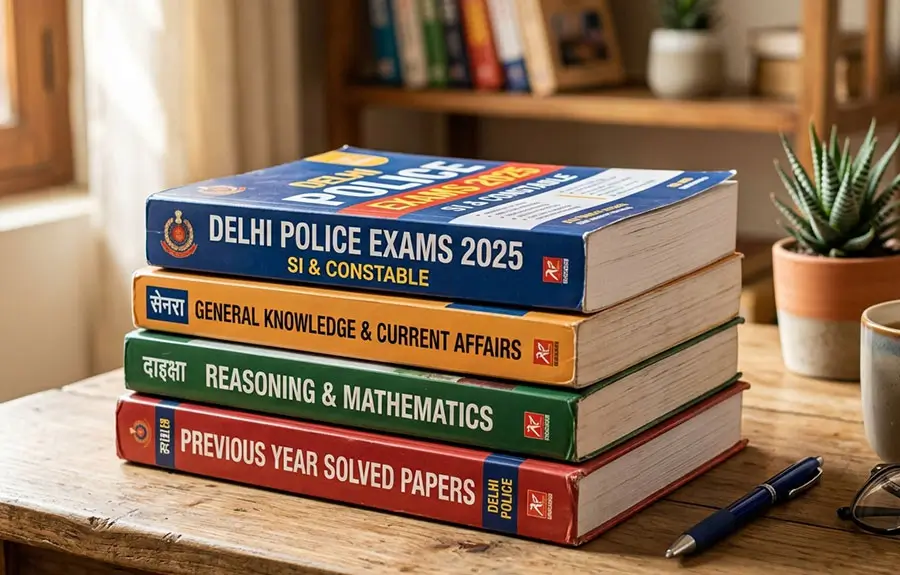
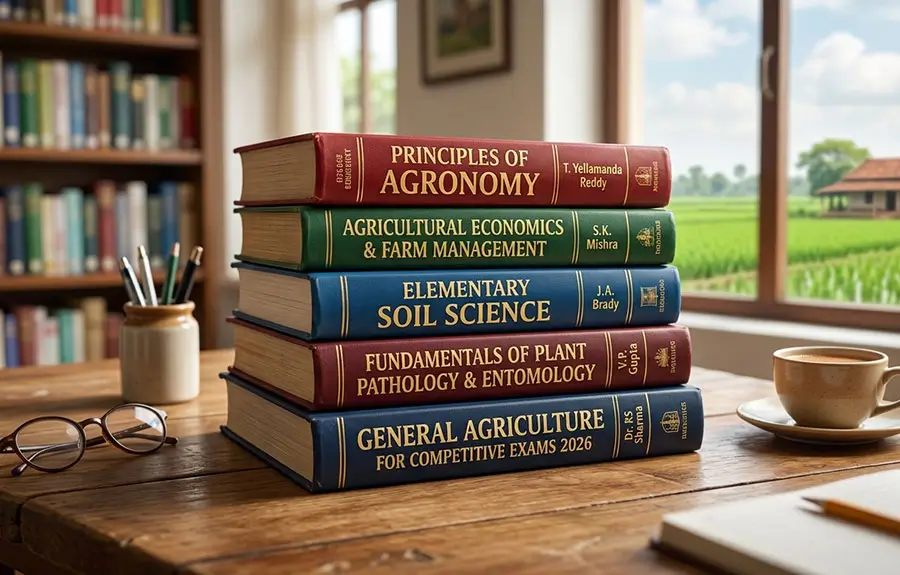
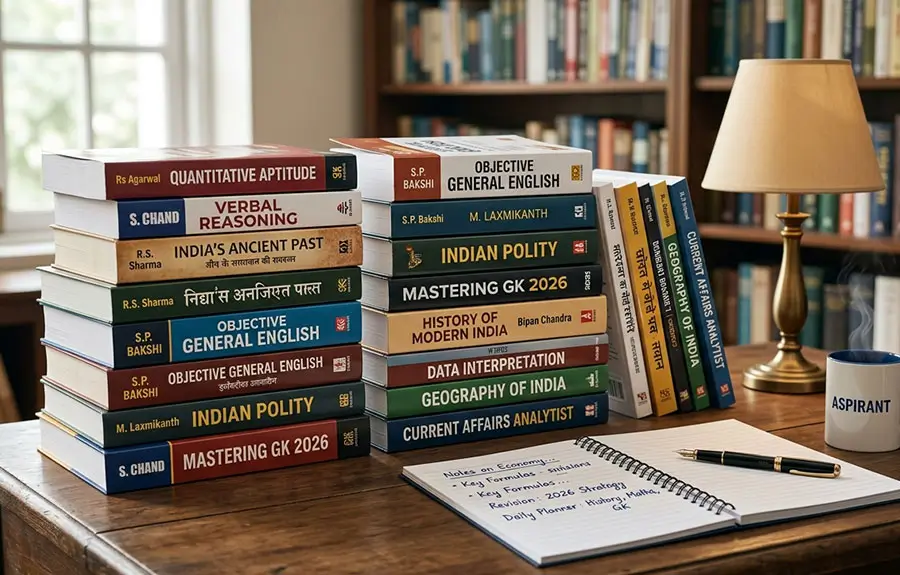
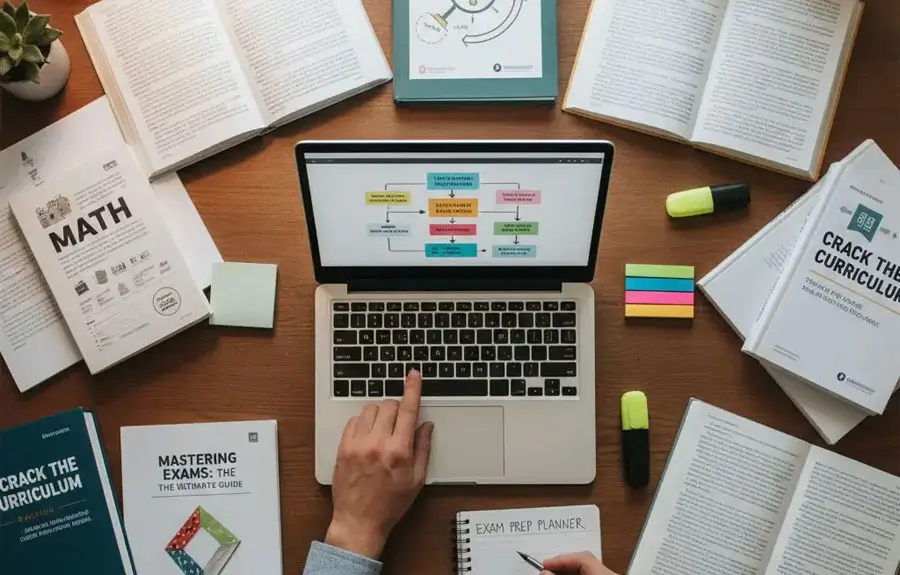
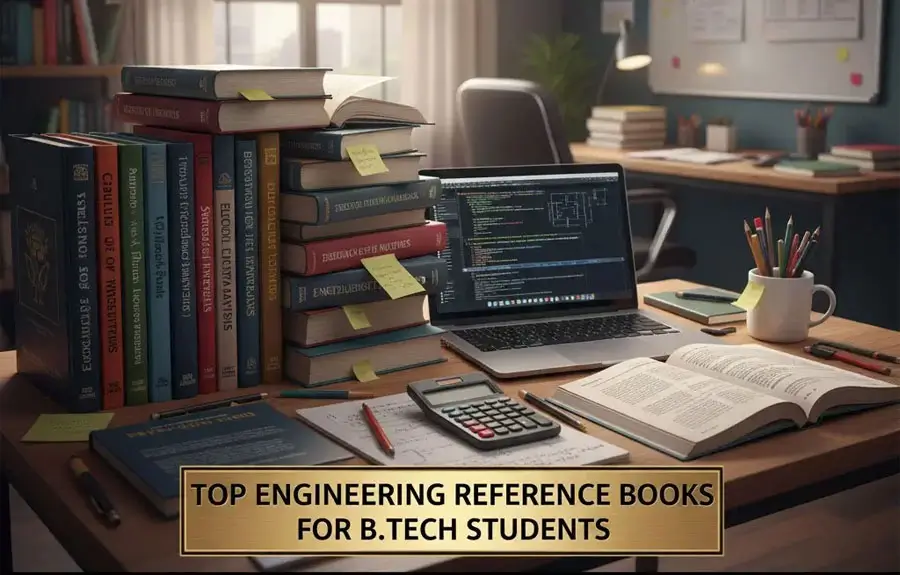
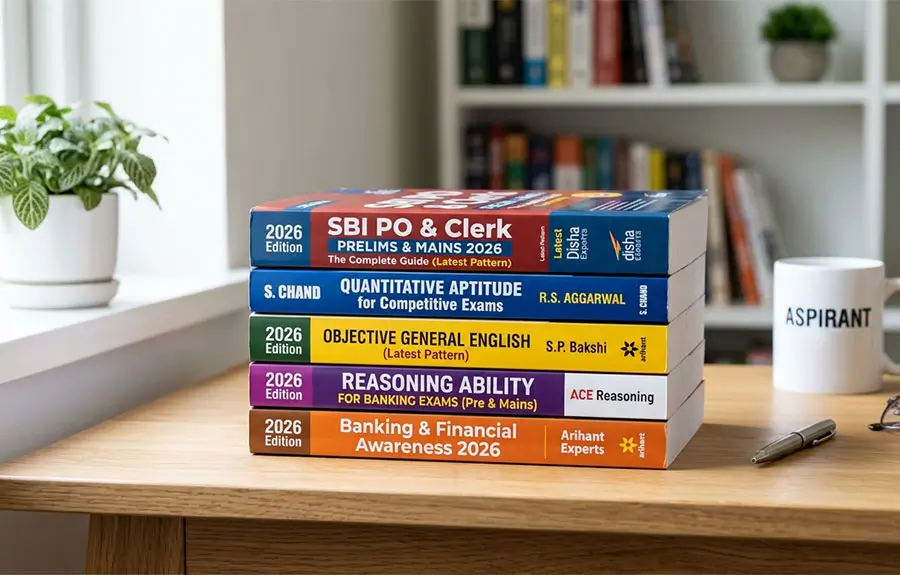
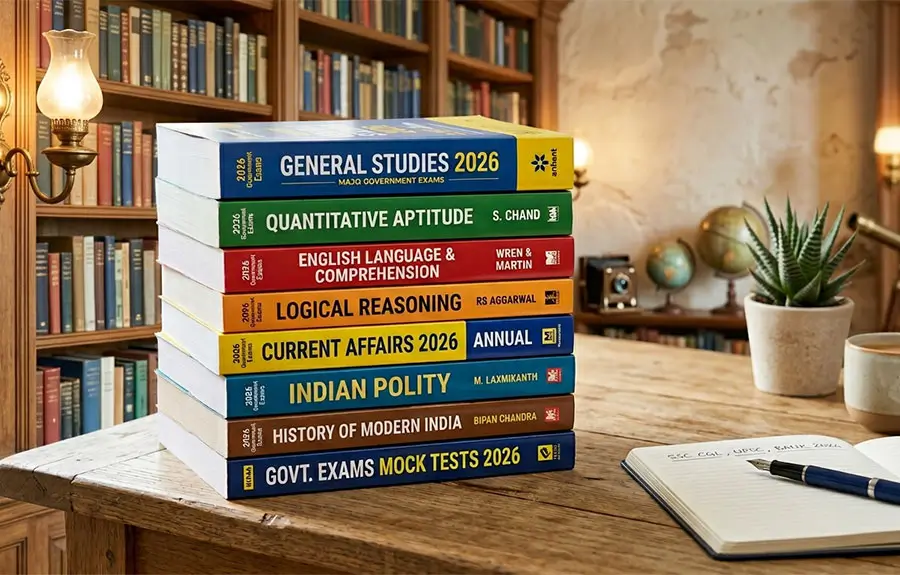
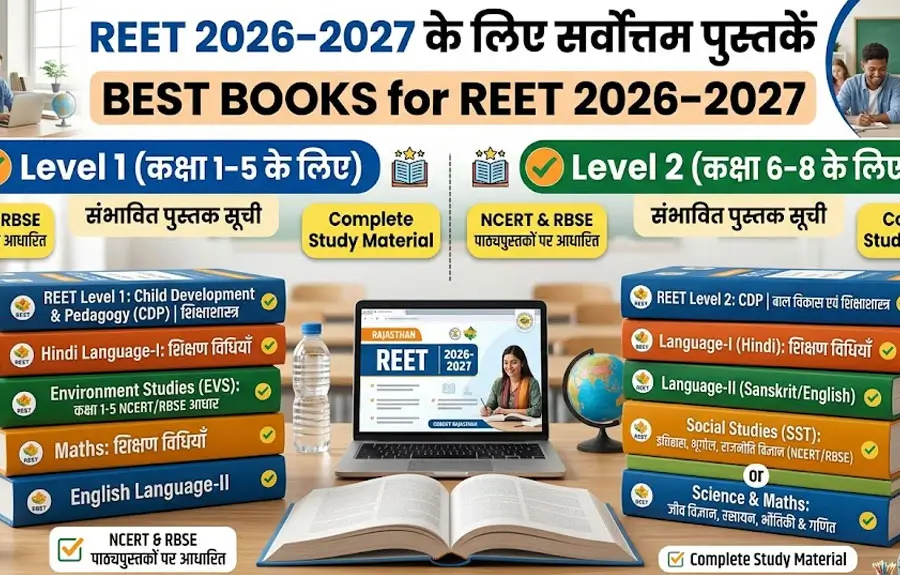
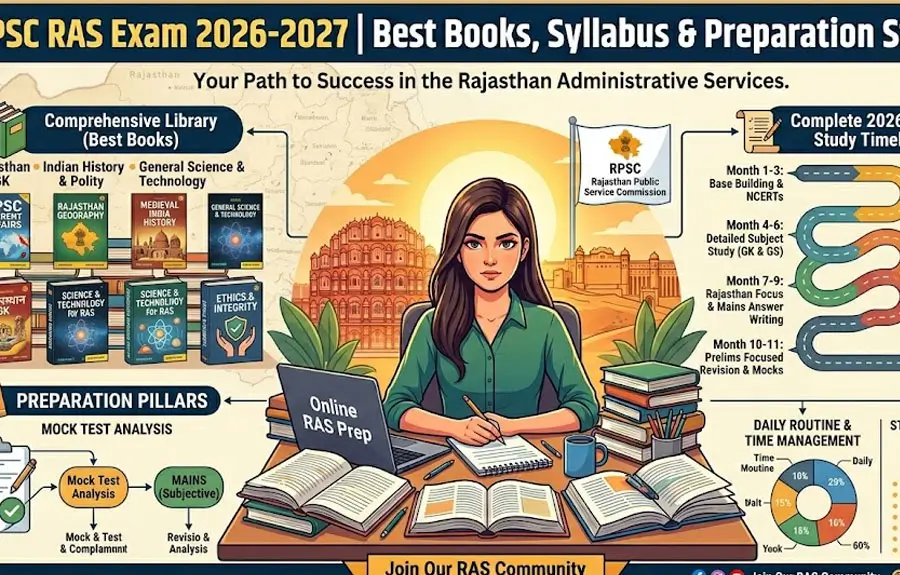
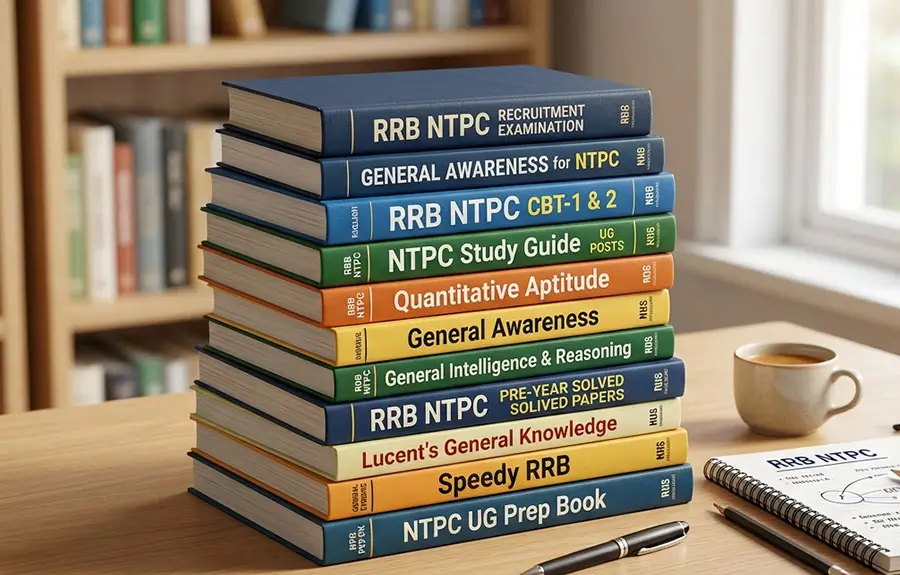
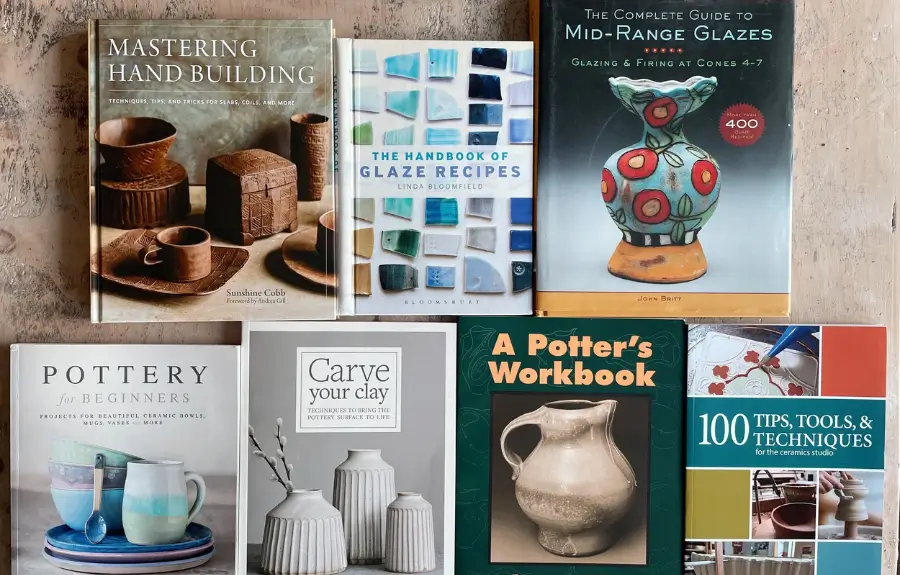
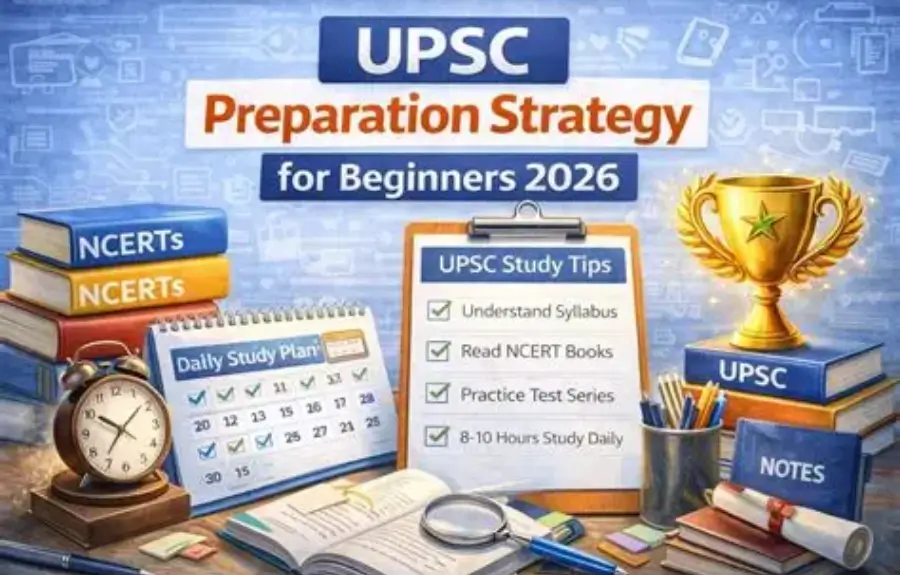
Students preparing for competitive exams, board examinations or university tests often collect multiple study books in the hope of gaining better knowledge. Bookstores and online platforms offer a wide range of academic resources including textbooks, reference books, guide books, and question banks. While having access to multiple study materials can be beneficial, it can also create confusion if students do not know how to use them effectively.
Many aspirants begin their preparation by purchasing several books recommended by teachers, coaching institutes or online forums. Instead of improving their preparation, this sometimes leads to information overload. Students may find themselves reading the same topic from different books repeatedly without completing the syllabus.
Learning how to organize and use multiple study books for exam preparation is therefore an important skill. When used correctly, different books can complement each other and help students build stronger conceptual understanding.
A structured approach allows students to benefit from different study resources while maintaining clarity in their preparation.
Different books often provide different perspectives on the same topic. Some books focus on conceptual explanations, while others emphasize practice questions or exam-oriented content.
Students preparing for competitive exams and entrance tests often use one book for theory and another for problem-solving exercises. This approach helps them gain both conceptual clarity and practical exam practice.
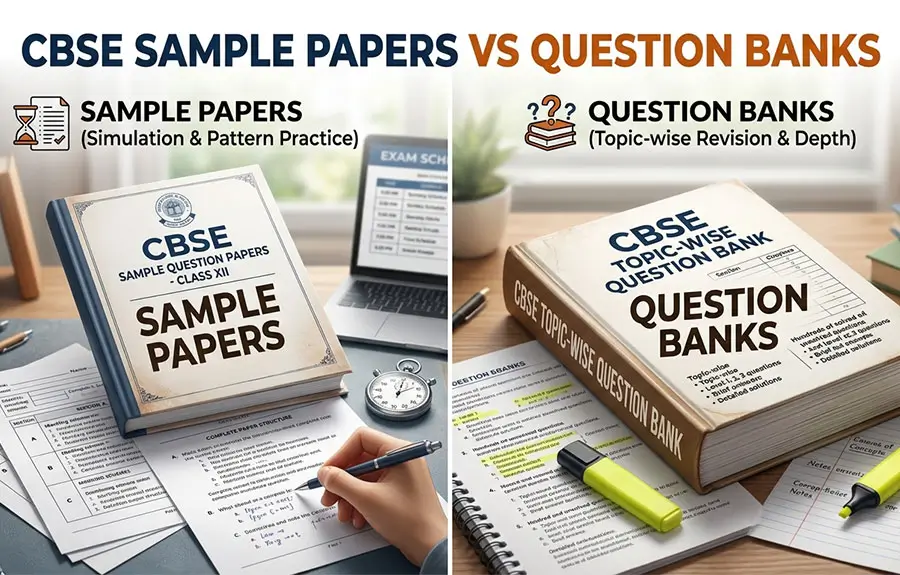
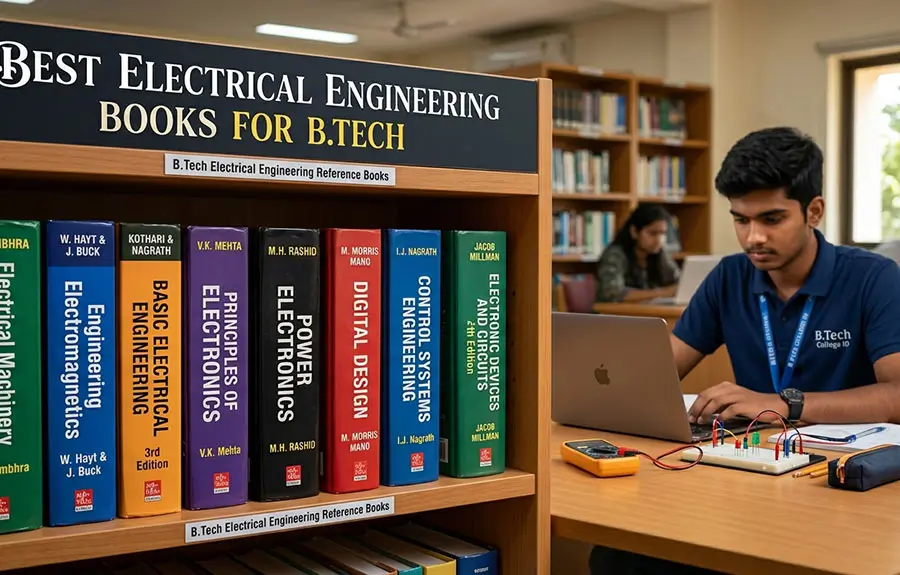
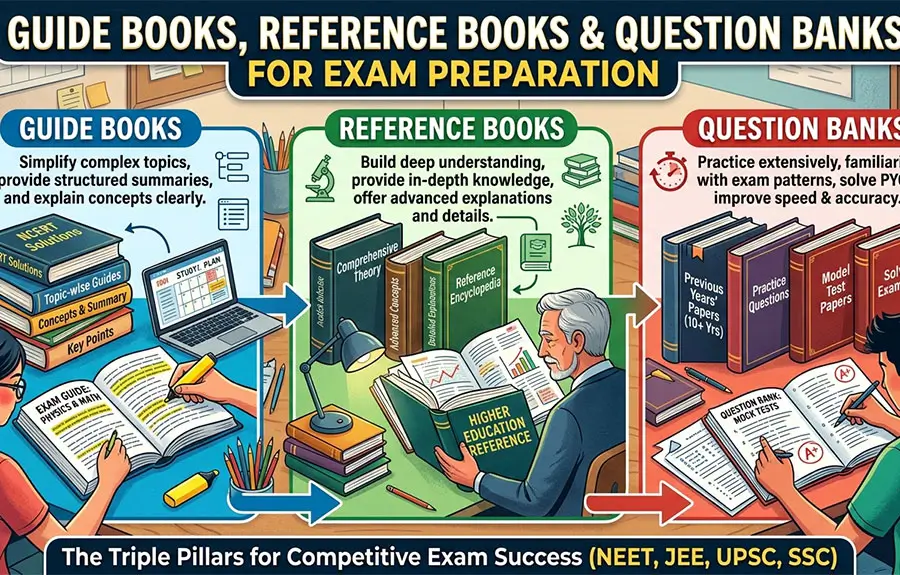
Reference books usually explain concepts in depth, while question banks provide a large number of problems for practice. Guide books may offer summarized explanations and model answers that help students understand how to write responses in exams.
When used properly, these different types of study resources can strengthen overall preparation.
However, without proper planning, studying from multiple books may lead to confusion and inefficient learning.
The most effective strategy when studying from multiple books is to select one primary study book for each subject. This book should become the main source of learning and concept building.
Students should first read and understand the topic from their primary book before referring to additional resources. This helps establish a clear conceptual foundation.
Using one main book prevents unnecessary repetition and helps students progress steadily through the syllabus.
Additional books can then be used to clarify difficult concepts or practice extra questions related to the topic.
Selecting a reliable core study book for exam preparation helps maintain structure and focus during the learning process.
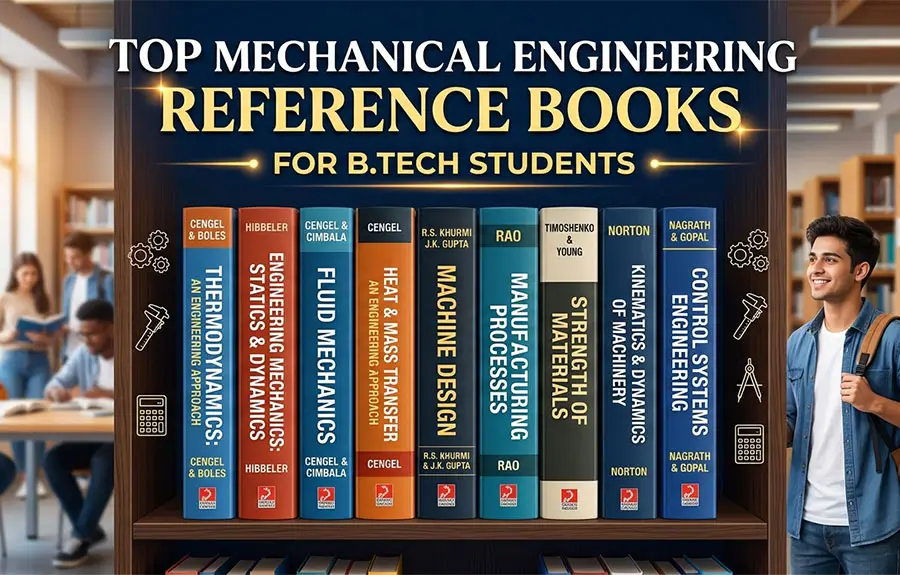
Reference books should be used when students need deeper understanding of a particular topic. These books usually explain subjects in greater detail and provide advanced examples.
When a concept in the primary book is difficult to understand, students can consult a reference book for detailed explanation. This approach helps them gain better clarity without repeatedly switching between multiple books.
Reference books are particularly useful for subjects such as mathematics, science, engineering and technical disciplines where concepts require analytical understanding.
However, students should avoid reading the same chapter entirely from several reference books. Instead, they should consult them only for specific doubts or difficult topics.
This selective use of reference books helps students avoid confusion while still benefiting from additional explanations.
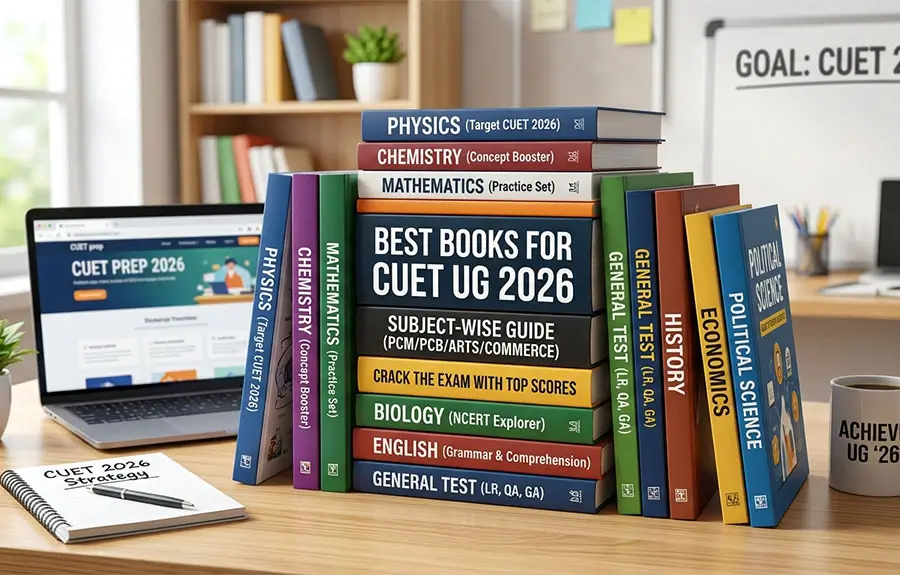
Question banks are designed specifically for practicing exam-style questions. These books contain large collections of questions that help students test their knowledge.
After completing the theory from textbooks or reference books, students should solve problems from question bank books for exam preparation.
Practicing questions improves accuracy, speed and confidence during exams. Question banks also help students become familiar with the types of questions that may appear in the examination.
Students should attempt practice questions regularly rather than waiting until the final stages of exam preparation.
Consistent practice helps reinforce concepts learned from theory books and improves overall exam readiness.
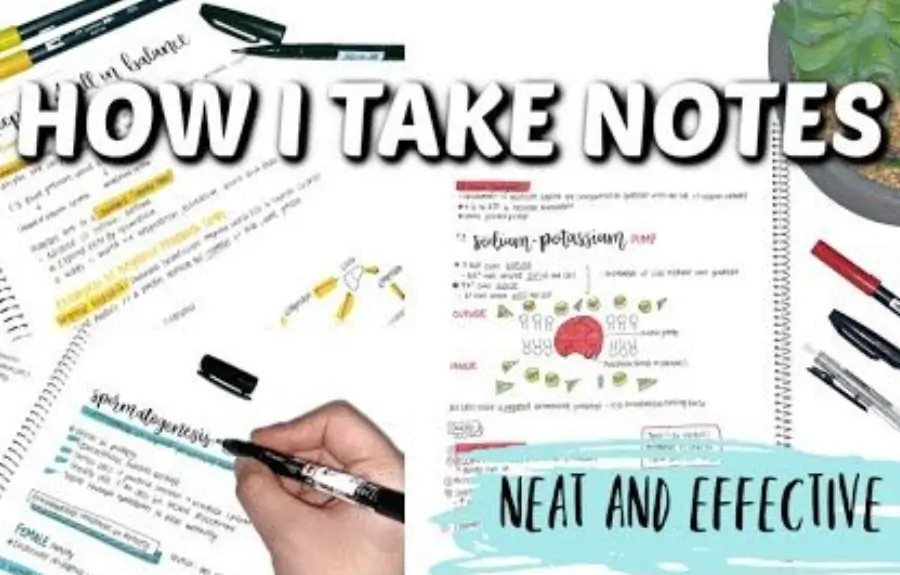
One of the most effective ways to manage information from multiple books is to create personal notes while studying.
When students read from different sources, they should summarize key ideas in their own words. These notes help consolidate information and prevent confusion between different explanations.
Creating short revision notes for exam preparation allows students to combine information from multiple books into one organized format.
These notes become extremely valuable during revision because students do not need to revisit every book again.
Personal notes also help students identify the most important concepts and formulas for quick revision before exams.
One of the biggest mistakes students make is studying the same topic repeatedly from different books without completing other sections of the syllabus.
While it may seem beneficial to compare explanations from multiple books, excessive comparison can waste time and create confusion.
Students should read a topic carefully from their primary book and then move forward in the syllabus. Additional books should only be used when clarification or extra practice is needed.
Maintaining focus on syllabus completion helps students avoid unnecessary repetition and ensures balanced preparation.
This disciplined approach is particularly important for students preparing for competitive exams with large syllabi.
A structured study plan helps students manage multiple books effectively. Instead of randomly switching between different study materials, students should assign specific resources for specific purposes.
For example, textbooks and reference books can be used for conceptual learning, while question banks can be used for practice sessions.
Creating a clear study schedule for exam preparation ensures that students use each book at the right stage of their learning process.
A well-organized plan also prevents last-minute stress and improves confidence before exams.
Students who follow structured study routines often achieve better academic results.
Consistency is one of the most important factors in successful exam preparation. Students should focus on regular study sessions and gradual syllabus completion.
Switching between too many books frequently can interrupt learning flow and make it difficult to retain information.
Instead, students should maintain continuity by studying topics systematically and revising them regularly.
Consistent revision strengthens memory and helps students recall important information during exams.
Students who combine structured study methods with reliable study books often develop stronger understanding and perform better in examinations.
Having access to many books does not necessarily guarantee better preparation. In fact, studying from too many resources often leads to confusion and incomplete syllabus coverage.
Students should prioritize quality study material written by experienced authors and published by trusted academic publishers.
Selecting a few reliable books and studying them thoroughly is usually more effective than collecting multiple study resources.
With the right combination of textbooks, reference books and question banks, students can prepare efficiently and approach exams with greater confidence.
Understanding how to manage multiple books for exam preparation allows students to learn more effectively and avoid unnecessary confusion during their academic journey.
Yes, but only when used with a clear study strategy.
Reading the same topic from too many sources can create information overload.
Yes, a primary book helps maintain structure in preparation.
Reference books should be used to clarify difficult concepts.
Question banks help students practice exam-style questions.
Yes, notes help combine information from different sources.
No, additional books should be used selectively.
By following a structured study plan and limiting study sources.
Only when clarification is required.
Students can purchase quality study books from trusted online bookstores.

We offer fast delivery.

We offer E-Gift Cards.

Dedicated 24/7 support.

100% secure payment.

 My Order
  0
0