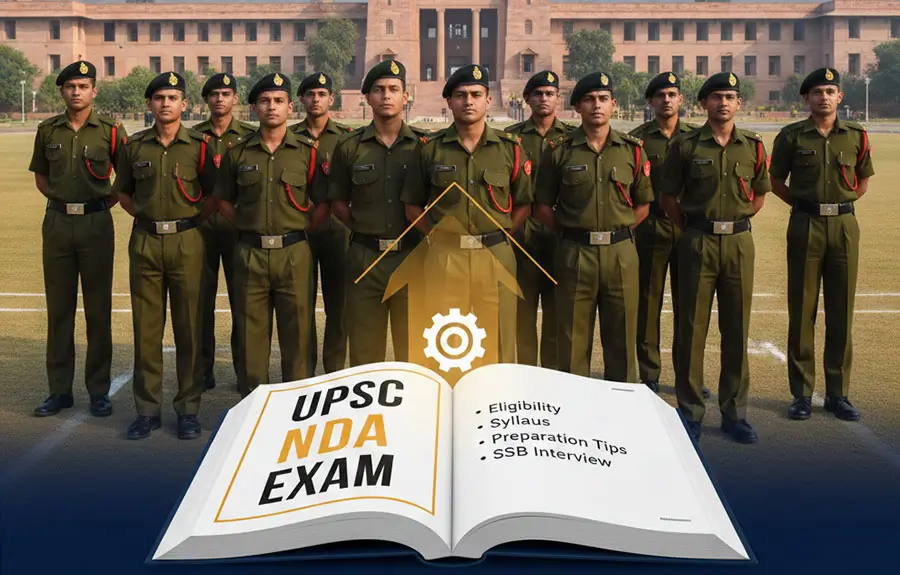
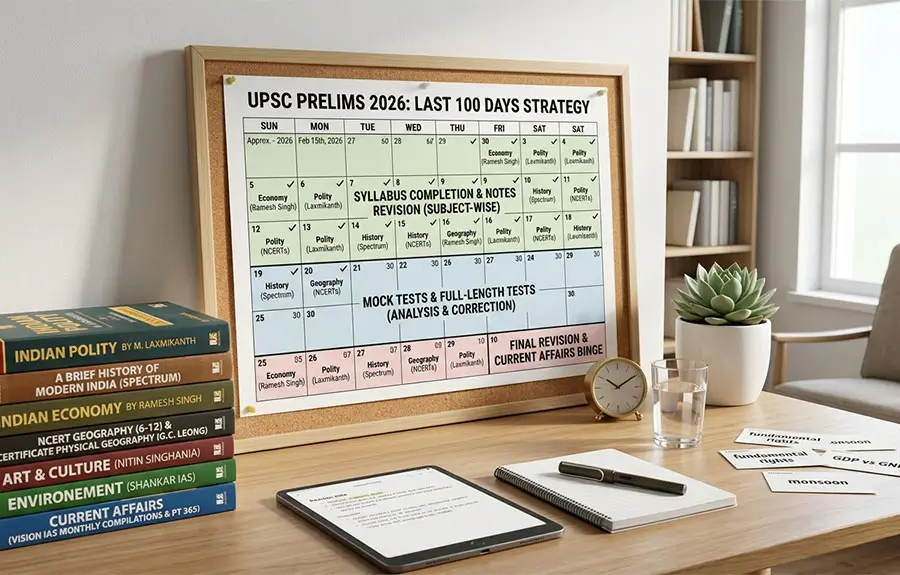
Preparing for the UPSC Civil Services Examination is a long-term commitment that requires discipline, consistency, and access to reliable study material. Every year, thousands of aspirants search for the best books that can simplify concepts, strengthen fundamentals, and help them prepare effectively for both the Preliminary and Main examinations. While standard textbooks remain the backbone of preparation, many students also look for coaching institute publications that provide concise notes, updated content, and exam-oriented explanations.
Among the many names discussed by UPSC aspirants, Ceramic Academy Books have gradually gained attention because of their structured approach and subject-specific coverage. Students often come across these books while searching for UPSC study material, Civil Services preparation books, and exam-oriented notes. However, a common question remains whether these books are worth buying or whether candidates should continue relying only on traditional reference books.
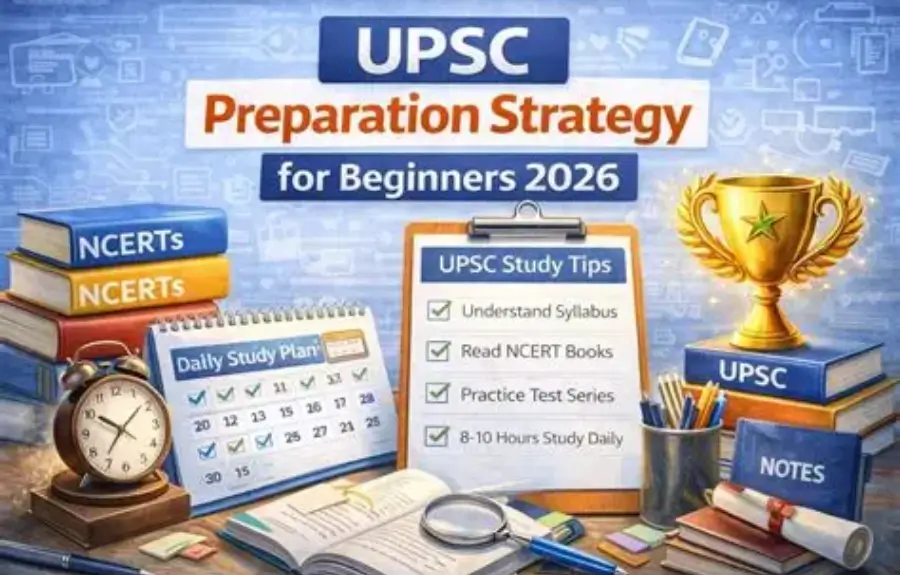
The answer depends entirely on how the books are used. No single publication can guarantee success in the Civil Services Examination. Instead, every resource should support a broader preparation strategy that includes NCERT books, current affairs, answer writing practice, previous year question papers, mock tests, and continuous revision. Ceramic Academy Books can become a valuable addition to this strategy when they are selected carefully according to individual preparation needs rather than being purchased simply because other aspirants recommend them.
Understanding what these books offer and identifying where they fit within a preparation plan helps candidates make a smarter investment of both time and money.
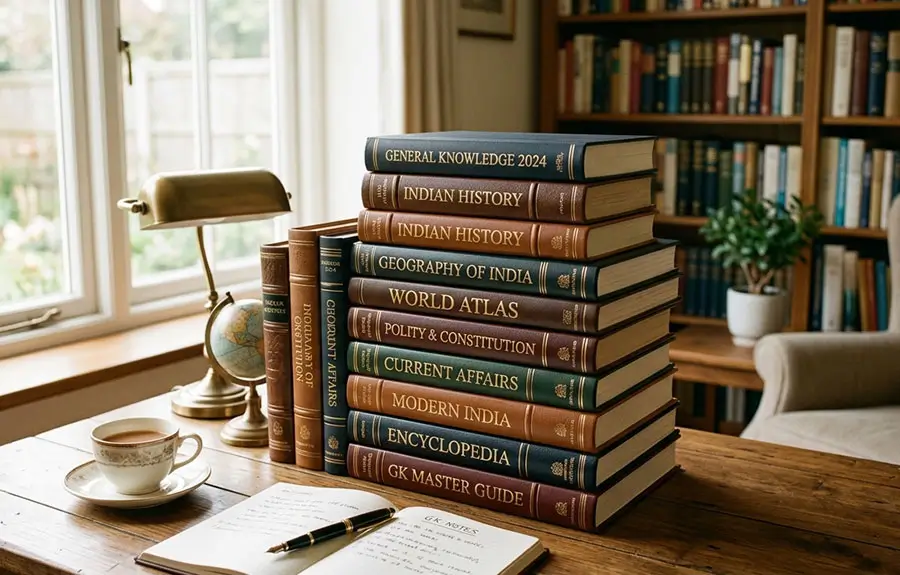
The biggest advantage of Ceramic Academy Books is their ability to present extensive topics in a relatively organized format. UPSC preparation involves reading subjects such as Indian Polity, History, Geography, Economics, Environment, Science and Technology, Ethics, and Current Affairs. Each subject contains multiple dimensions, making it difficult for beginners to decide where to begin.
Many aspirants appreciate study material that reduces unnecessary complexity without compromising conceptual understanding. Ceramic Academy Books attempt to simplify difficult topics by presenting explanations in a structured manner, making them easier to revise during different stages of preparation.
Another reason behind their popularity is the emphasis on examination relevance. UPSC demands conceptual clarity rather than factual memorization. Aspirants therefore prefer books that focus on important themes, analytical understanding, and frequently tested areas instead of overwhelming readers with excessive information.
For candidates who already possess basic knowledge from standard textbooks, these books can function as revision resources. Instead of reopening multiple reference books during the last few months before the examination, concise notes help candidates revise broader portions of the syllabus within a limited period.
Students attending coaching classes also find such publications useful because the language often aligns with classroom teaching, making revision more efficient. However, self-study candidates should always compare the content with the official UPSC syllabus rather than assuming every topic carries equal importance.
The usefulness of any book depends on the stage of preparation and the subjects in which a candidate requires additional support. Purchasing every available publication rarely improves preparation. Instead, selecting only those books that fill genuine knowledge gaps proves far more beneficial.
Candidates beginning their preparation generally require strong conceptual understanding. For them, subject-specific books covering Indian Constitution, Modern Indian History, Indian Economy, Physical Geography, and Environment and Ecology usually provide the greatest value. These subjects appear consistently across both UPSC Prelims and UPSC Mains, making them foundational components of preparation.
Books dedicated to Current Affairs, Government Schemes, International Relations, and Economic Developments become increasingly useful once candidates have completed their basic syllabus. Such resources help connect static concepts with contemporary issues, which is essential for analytical questions in the Main examination.
Another category that many aspirants find valuable includes books designed specifically for Answer Writing Practice. UPSC evaluates not only knowledge but also the ability to present balanced, structured, and concise answers within limited time. Publications containing model answers, topic-wise practice questions, and analytical discussions often contribute significantly to this skill.
Candidates choosing an optional subject should verify whether Ceramic Academy provides specialized material for that discipline. Optional subjects demand deeper understanding than General Studies, making high-quality notes especially valuable if they complement standard reference books.
Rather than purchasing books solely because they are popular among other students, aspirants should carefully examine whether the content aligns with their preparation stage, strengths, weaknesses, and examination strategy.
Many beginners mistakenly believe that coaching publications can replace traditional reference books. This assumption often leads to conceptual gaps that become visible during advanced stages of preparation.
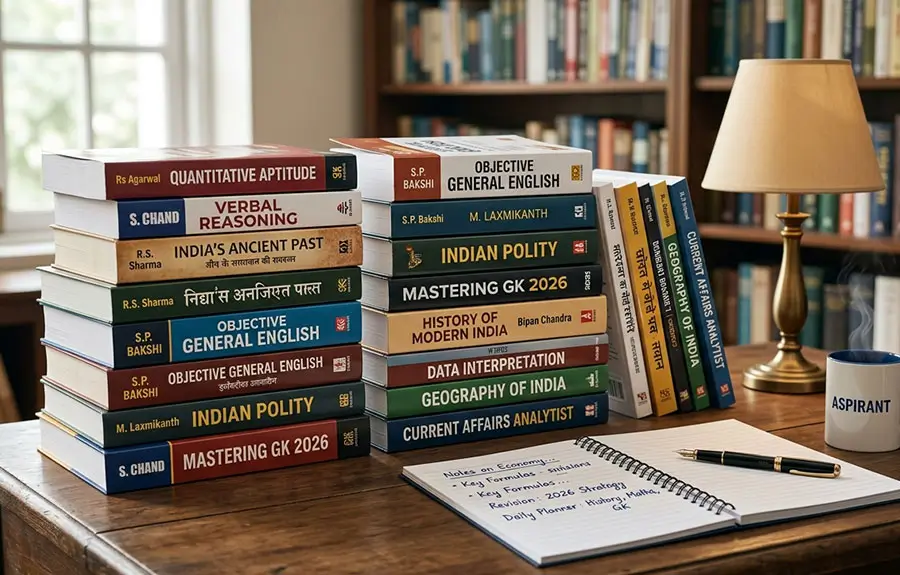
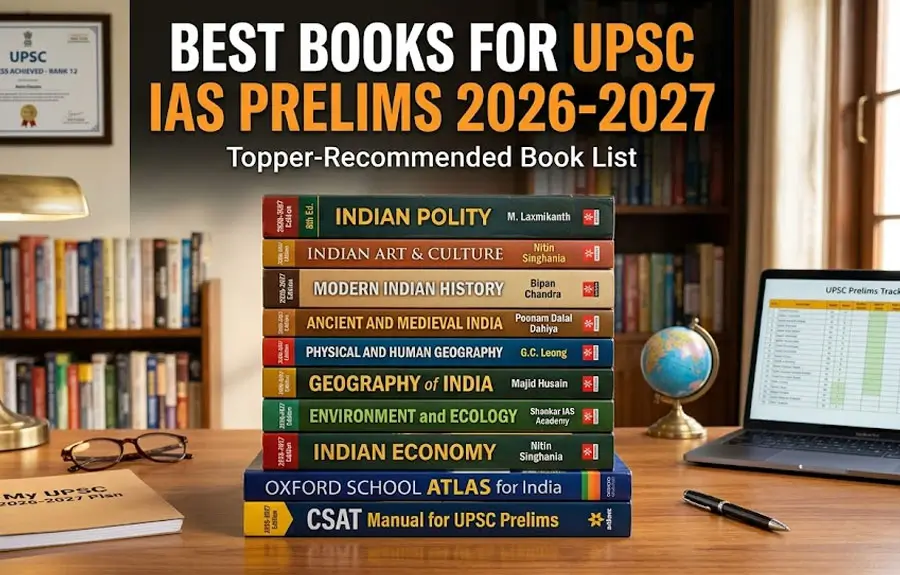
Standard books remain irreplaceable because they build strong academic foundations. Publications such as NCERT textbooks, Indian Polity by M. Laxmikanth, Indian Economy by Ramesh Singh, Spectrum Modern History, and other established references continue to serve as the primary learning sources for most successful candidates.
Ceramic Academy Books should instead be viewed as complementary resources. Their greatest strength lies in simplifying revision, consolidating important facts, highlighting examination trends, and presenting concise explanations. They are particularly useful after candidates have already developed basic understanding from comprehensive reference books.
Another noticeable difference lies in presentation style. Standard textbooks often explain subjects in greater detail, while coaching publications generally emphasize examination relevance. This makes Ceramic Academy material suitable for revision, quick recall, and reinforcing important concepts before mock tests or the actual examination.
Students preparing while managing college studies or full-time employment may especially appreciate concise resources because they reduce revision time without requiring complete dependence on multiple large textbooks.
For this reason, successful aspirants rarely depend on a single publication. Instead, they combine standard UPSC books, current affairs magazines, previous year question papers, mock tests, newspaper editorials, and focused coaching material to create a balanced preparation strategy.
Buying the right UPSC books is only the beginning of the preparation journey. The real challenge lies in using them effectively. Many aspirants purchase multiple books with enthusiasm but fail to complete even half of them because they continuously switch between different resources. This habit creates confusion and weakens conceptual clarity.
The most effective strategy is to treat Ceramic Academy Books as supporting resources rather than primary textbooks. Begin every subject with standard reference books to build a solid understanding of concepts. Once the fundamentals are clear, use Ceramic Academy books to simplify revision and strengthen important examination topics.
For example, while studying Indian Polity, first complete the core concepts from standard references. After that, read the corresponding Ceramic Academy material to reinforce constitutional provisions, landmark amendments, important articles, and frequently tested areas. This layered approach improves retention because the concise notes act as a revision tool instead of introducing completely new concepts.
Similarly, subjects such as Environment, Indian Economy, International Relations, and Science and Technology require continuous updates. Students should compare the content with recent developments, government reports, and current affairs instead of depending entirely on printed material. Doing so ensures that preparation remains relevant for both the Preliminary and Main examinations.
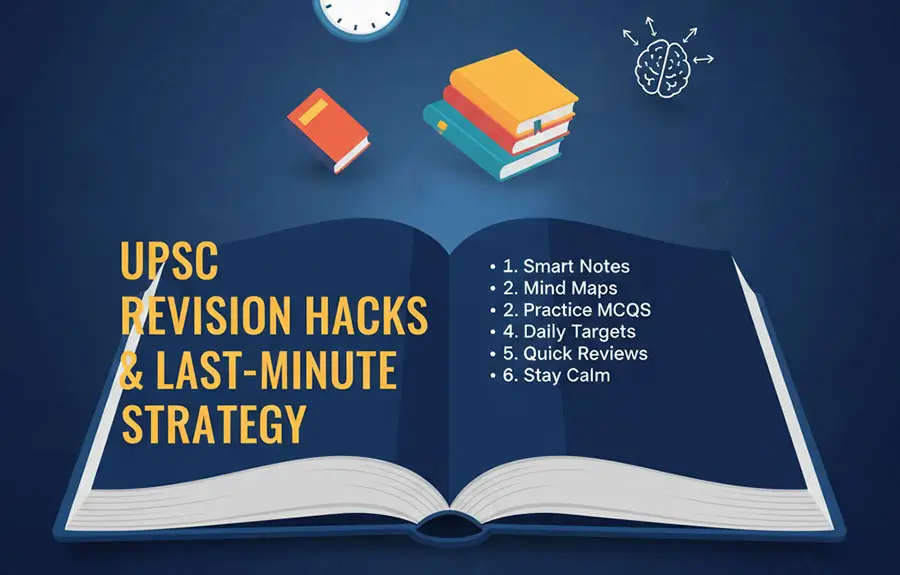
Revision should become an integral part of this process. Reading a chapter once is rarely enough for UPSC preparation. Revisiting the same material multiple times improves memory, strengthens conceptual understanding, and increases confidence before the examination.
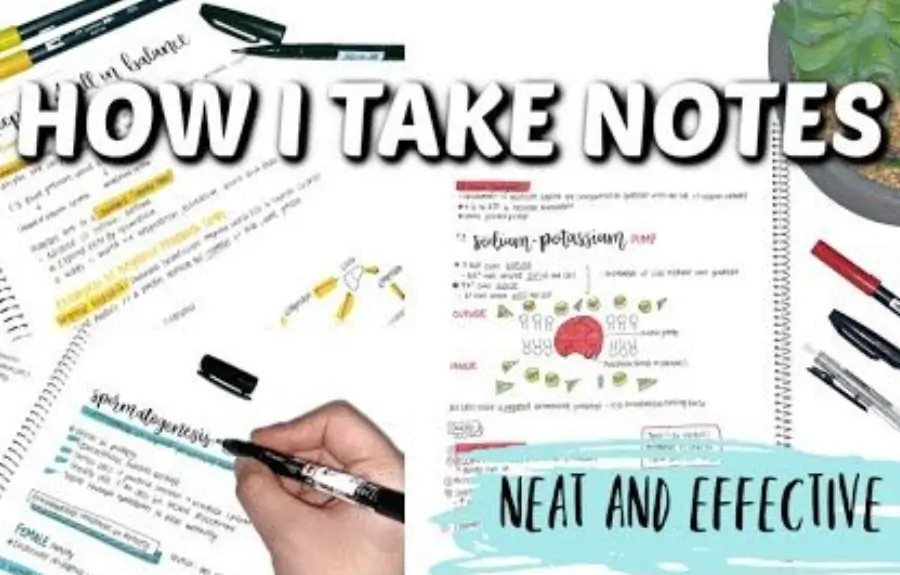
Candidates should also prepare short handwritten notes while reading. Writing important constitutional articles, committees, economic terms, environmental conventions, or international organizations in personal notebooks makes last-minute revision significantly easier. These personalized notes often become more valuable than lengthy textbooks during the final weeks before the examination.
Another highly recommended practice is solving UPSC Previous Year Question Papers after completing each subject. This allows aspirants to identify whether the concepts covered in the books are sufficient or whether additional reading is required. Previous year papers also reveal recurring themes, helping candidates prioritize topics that receive consistent attention from the examination authority.
One of the biggest mistakes made by Civil Services aspirants is purchasing too many books before understanding the syllabus. The UPSC syllabus is vast, but that does not mean every available book should become part of the preparation strategy. Excessive study material often results in incomplete preparation rather than better preparation.
Another common mistake is following recommendations blindly. Every successful candidate has a different learning style, educational background, optional subject, and preparation strategy. A book that works exceptionally well for one aspirant may not necessarily be the best choice for another. Candidates should evaluate whether a particular book matches their current level of preparation before investing in it.
Ignoring the official UPSC syllabus is another frequent error. Every book should be compared with the syllabus to ensure that study time is being spent on relevant topics. Reading chapters that fall outside the examination scope reduces efficiency and leaves less time for revision.
Many aspirants also underestimate the importance of revision. Instead of mastering a limited number of quality resources, they continue collecting new books throughout their preparation. This habit creates information overload and weakens confidence during the final months before the examination.
Another mistake involves depending completely on coaching material while neglecting newspapers and current affairs. The Civil Services Examination rewards analytical thinking rather than memorized information. Reading quality newspapers, government reports, and editorial discussions helps candidates connect theoretical knowledge with real-world issues, an ability that coaching notes alone cannot fully develop.
Students should also avoid replacing answer writing practice with passive reading. Even the best study material cannot improve examination performance if candidates never practice presenting their knowledge within the time limits expected during the Main examination.
The value of Ceramic Academy Books depends entirely on how they fit into an individual's preparation strategy. Candidates searching for concise revision material, subject summaries, and examination-oriented notes are likely to find them useful. The books simplify revision, highlight important concepts, and reduce the effort required to revisit multiple large textbooks.
However, students should remember that no coaching publication can replace strong conceptual learning from standard references. Aspirants beginning their preparation should first establish a solid academic foundation before relying heavily on condensed study material.
Candidates preparing for UPSC Civil Services, State PSC Examinations, or other competitive examinations that follow a similar syllabus may benefit from selected Ceramic Academy publications, particularly for revision and quick concept reinforcement. Buying every available title without evaluating personal requirements is unnecessary.
Students with limited preparation time often appreciate concise books because they allow repeated revision, which is one of the most important aspects of success in the Civil Services Examination. Repeated revision of quality material generally produces better results than reading numerous books only once.
Ultimately, the effectiveness of any study material depends less on its popularity and more on the discipline, consistency, and revision habits of the aspirant using it.
Yes. Beginners can use selected books alongside NCERT textbooks and standard reference books to strengthen their conceptual understanding and simplify revision.
No. These books work best as supplementary resources. Standard reference books remain essential for building strong fundamentals.
Subjects such as Indian Polity, History, Geography, Economy, Environment, and Current Affairs are among the most useful areas where concise revision material can provide additional support.
Yes. They can assist in revision and answer enrichment, but candidates should also practice answer writing and analytical thinking regularly.
Working professionals with limited study time may find these books useful because concise material makes revision more manageable alongside full-time employment.
A limited number of high-quality books is always preferable. Completing and revising a focused collection is far more effective than purchasing numerous resources.
Some publications may include current developments, but aspirants should always supplement them with newspapers, government reports, and monthly current affairs magazines.
Yes. Since many State PSC examinations share topics with the UPSC syllabus, selected books may also support preparation for those examinations.
Students can buy them from trusted educational bookstores, authorized coaching centres, and reliable online book-selling platforms.
The most effective method is repeated revision, preparing personal notes, solving previous year question papers, and connecting important concepts with current affairs before the examination.

We offer fast delivery.

We offer E-Gift Cards.

Dedicated 24/7 support.

100% secure payment.

 My Order
  0
0