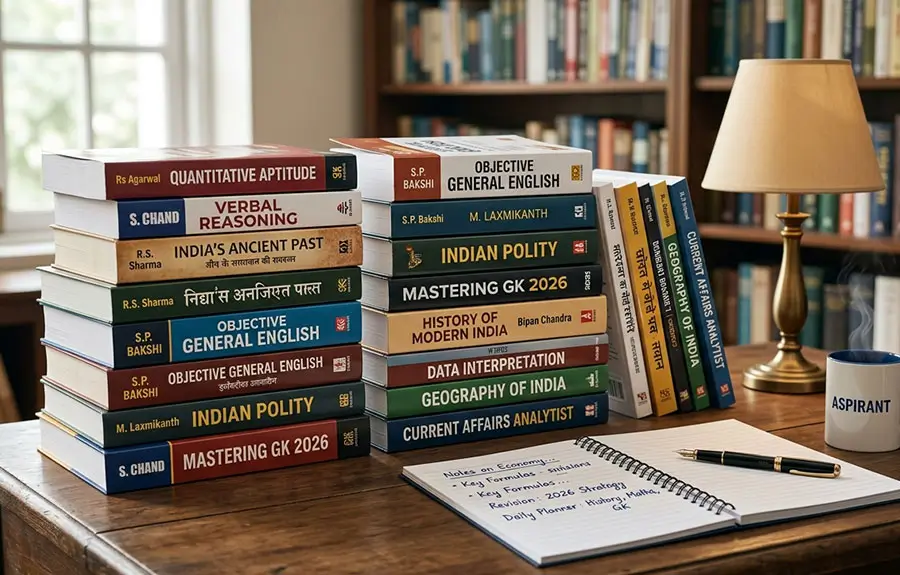
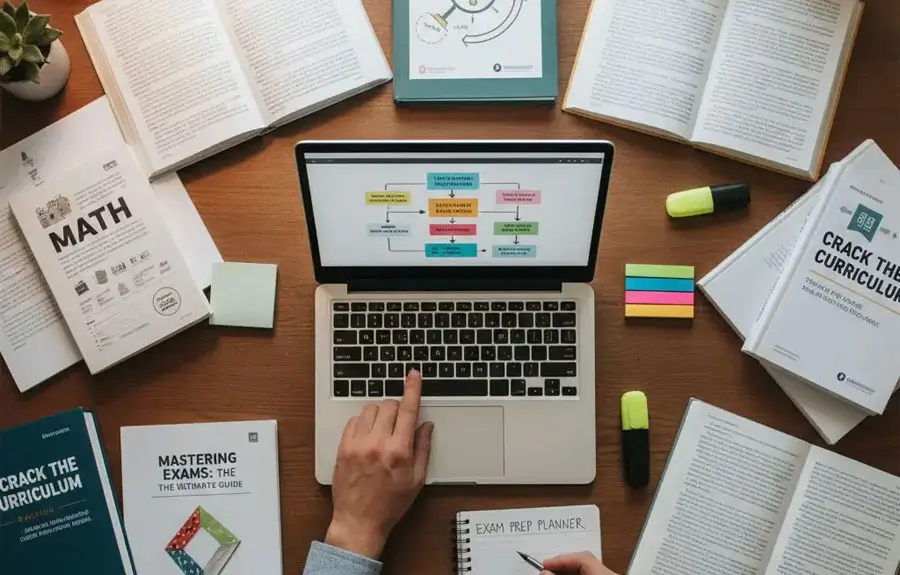
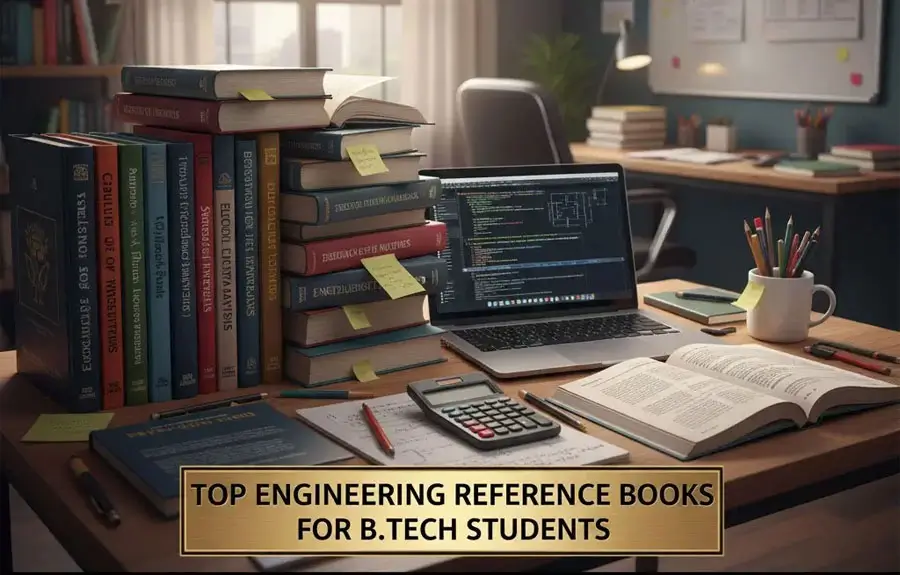
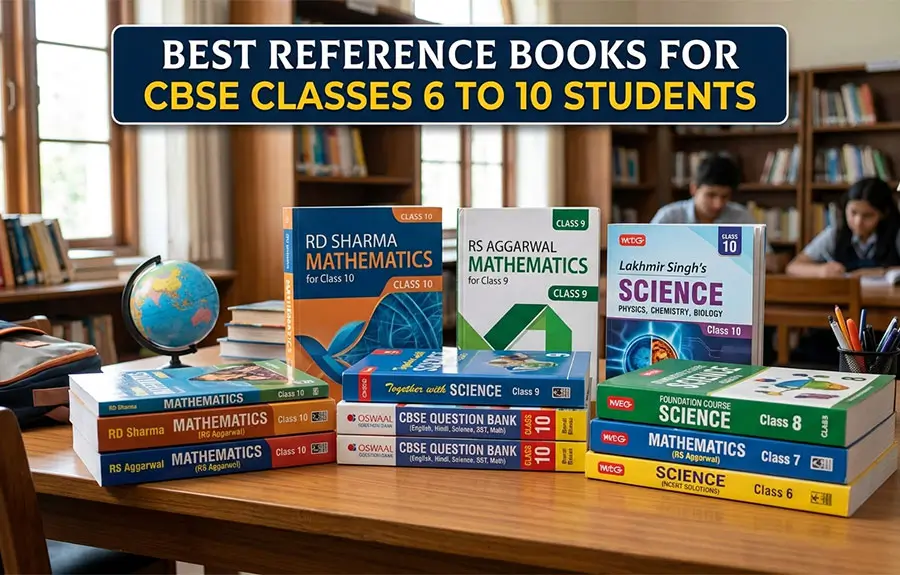
Students preparing for school exams, board examinations or competitive tests often come across different types of study materials such as guide books, reference books, and question banks. Many students feel confused about which resource they should use for their preparation and how each type of book contributes to better exam performance.
Bookstores and online education platforms offer thousands of academic titles, but not every book serves the same purpose. Some books focus on explaining concepts, others provide solved answers, while some concentrate on practice questions. Understanding the difference between these resources helps students create a more organized and efficient study strategy.
Every serious student preparing for competitive exams, board exams or entrance tests needs a balanced combination of conceptual learning and practice. This is where guide books, reference books and question banks play different but equally important roles in exam preparation.
Selecting the right type of book at the right stage of preparation can improve understanding, reduce confusion and help students perform better in examinations.
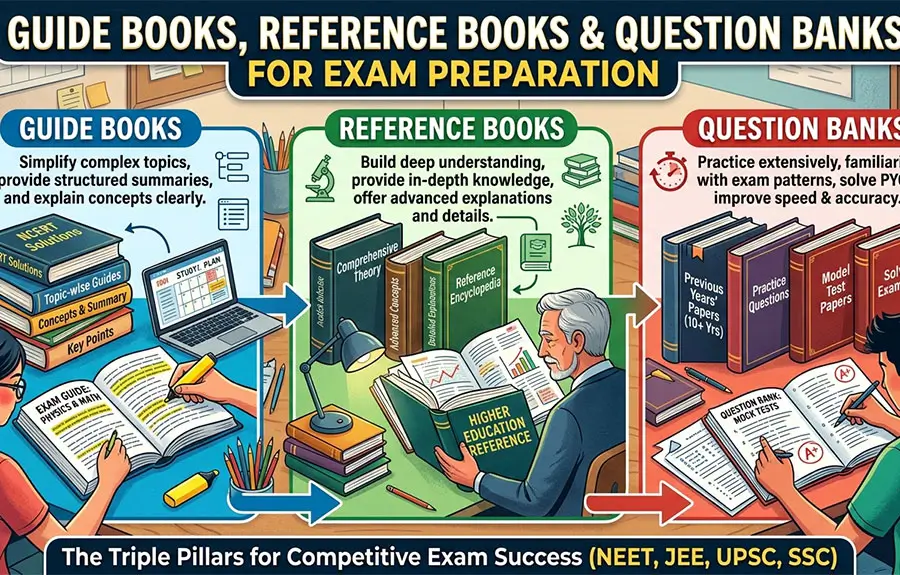
The most commonly used academic resources by students. These books are designed to help students understand textbook content and prepare for exams in a simplified manner.
A typical exam guide book usually contains chapter summaries, solved examples and answers to textbook questions. These books are particularly helpful for students who want quick explanations of topics and model answers for exam writing.
Guide books often present information in a concise format, making them useful for revision before exams. Many students use guide books to understand how answers should be written in school or board examinations.
Another advantage of guide books is that they provide structured answers for important questions. This helps students learn how to present answers effectively during exams.
However, guide books should not be the only study resource because they sometimes focus more on exam-oriented answers rather than deep conceptual learning.
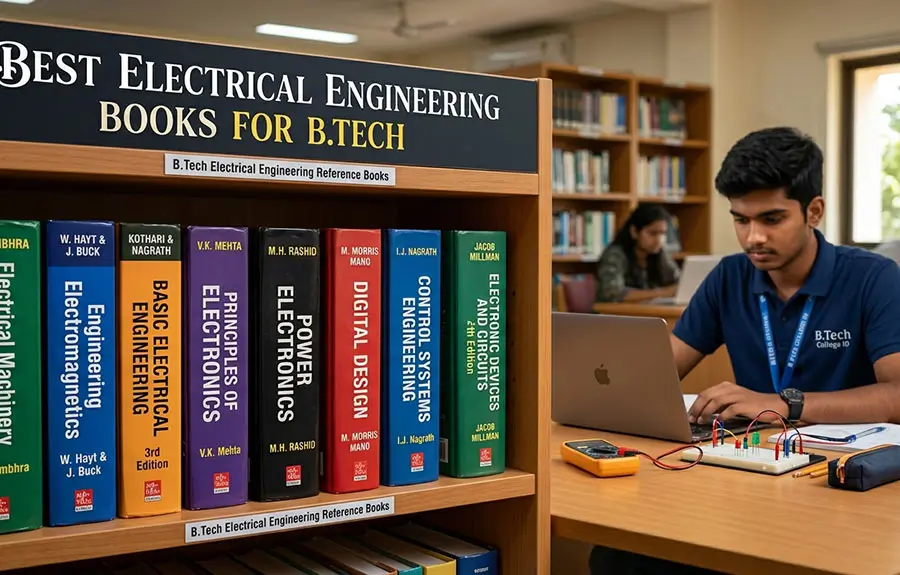
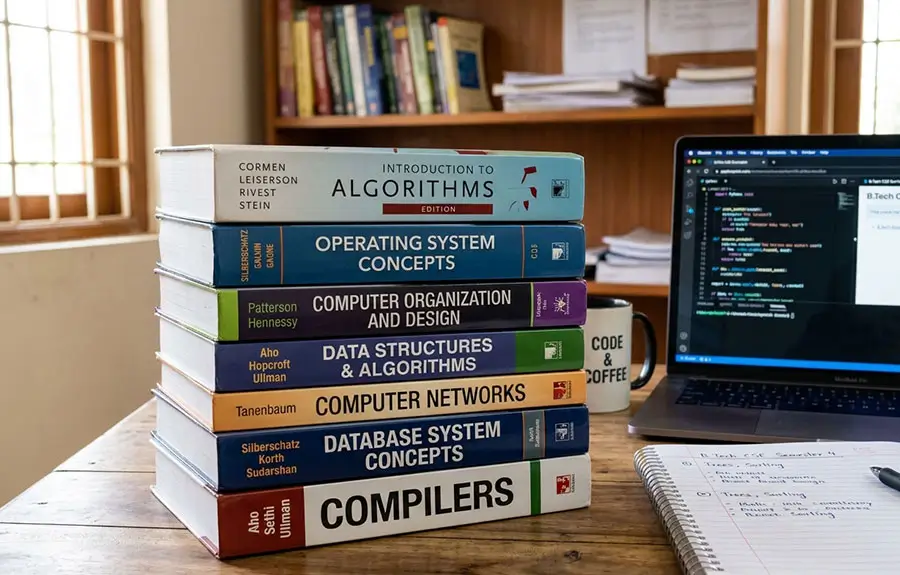
Reference books are designed to provide detailed explanations of subjects and concepts. These books usually go beyond the basic syllabus and explain topics in a comprehensive manner.
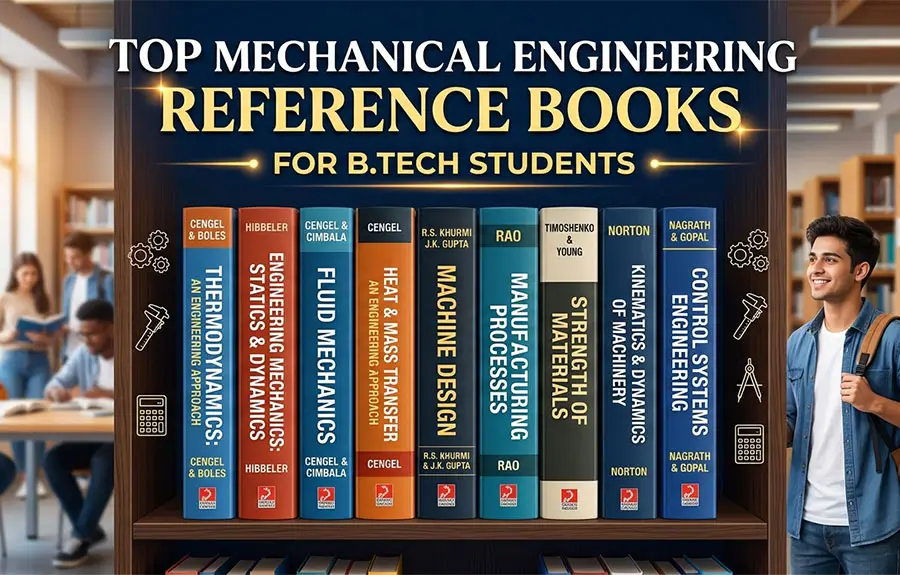
Students preparing for competitive exams or higher education often rely on reference books because they provide deeper understanding of academic subjects. Reference books include detailed theories, diagrams, case studies and advanced examples that strengthen conceptual clarity.
For subjects such as mathematics, science and engineering, reference books often include complex problems and analytical exercises that help students develop problem-solving skills.
Another advantage of reference books is that they help students build a strong academic foundation. Students who study from reliable reference books for exam preparation often gain better understanding of concepts, which ultimately improves their performance in exams.
Reference books are particularly valuable for students preparing for professional courses and technical subjects.
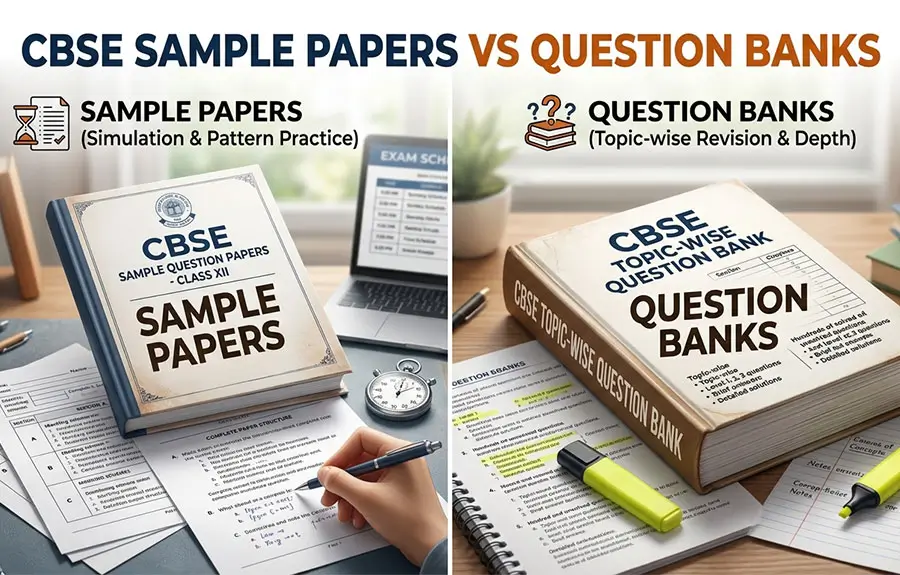
Question banks are study resources designed specifically for practice. These books contain a large collection of questions from different chapters of a subject.
A typical exam question bank book includes objective questions, short answer questions, long answer questions and sometimes previous year exam papers. These questions help students test their knowledge and improve their ability to solve exam problems.
Question banks are extremely useful because they allow students to practice different variations of questions that may appear in the examination.
Another important feature of question banks is that they often include solved examples and explanations. These solutions help students understand how answers should be structured.
Students who regularly practice from question bank books for exam preparation often develop better accuracy and confidence during exams.
Although all three resources are used for exam preparation, they serve different purposes in the learning process.
Guide books focus on summarizing textbook content and providing ready-made answers for exams. They are useful for revision and understanding how to write exam answers.
Reference books emphasize conceptual learning and detailed explanations. These books help students understand the theory behind different topics and develop strong academic knowledge.
Question banks concentrate on practice questions and problem solving. They help students test their preparation and become familiar with different types of exam questions.
Students who understand these differences can use each resource more effectively during their study routine.
The most effective exam preparation strategy involves using all three types of study resources in a balanced manner.
Students should begin by reading textbooks and reference books to build strong conceptual understanding. Once the concepts are clear, guide books can help students revise important topics and understand how answers should be written.
After completing conceptual learning and revision, students should practice questions from question banks to test their preparation.
Combining reference books for concept clarity, guide books for revision, and question banks for practice creates a complete study approach that improves exam readiness.
This structured preparation method helps students develop both theoretical understanding and practical exam skills.
Many students collect too many books for the same subject, which often leads to confusion rather than improvement. Studying from multiple sources without a clear plan can make exam preparation complicated.
Another common mistake is relying only on guide books. While guide books are useful for revision, they should not replace conceptual learning from textbooks and reference books.
Some students also ignore practice questions and focus only on reading theory. However, solving questions regularly is essential for developing problem-solving skills.
Students should choose reliable study material and maintain consistency in their preparation rather than switching between too many books.
Selecting the right study material plays a crucial role in exam success. Students should choose books written by experienced authors and published by trusted academic publishers.
Good books usually follow the official syllabus and provide clear explanations along with practice questions.
Students preparing for school exams, board examinations or competitive tests should focus on mastering a limited number of high-quality books rather than collecting too many study resources.
A disciplined study routine combined with the right combination of guide books, reference books and question banks can significantly improve exam performance.
With proper planning and consistent effort, students can use these study resources effectively to achieve academic success.
Students can purchase study books from trusted online bookstores.
Yes, they provide extensive practice questions.
It is better to focus on a few reliable books.
Yes, many question banks contain past exam questions.
They explain concepts in detail and improve subject understanding.
Guide books help revision but should be combined with conceptual learning.
A combination of reference books, guide books and question banks works best.
A guide book provides summarized explanations and model answers for exam questions.
Reference books provide detailed explanations and deeper conceptual understanding.
A question bank contains large collections of practice questions from different chapters.

We offer fast delivery.

We offer E-Gift Cards.

Dedicated 24/7 support.

100% secure payment.

 My Order
  0
0