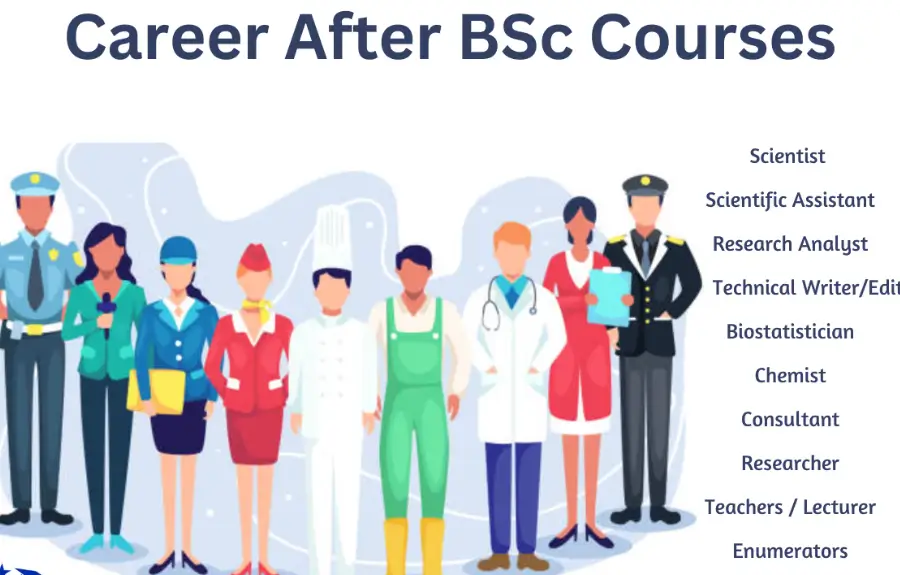
Completing a Bachelor of Science (BSc) is an important milestone, but for many students it also marks the beginning of a new challenge. One of the most common questions graduates ask is, "What should I do after BSc?" With countless career opportunities available today, choosing the right path can feel overwhelming. Some students plan to pursue higher education, while others look for stable government jobs or private sector employment. There are also graduates who wish to prepare for competitive examinations or develop professional skills before entering the job market.
The good news is that a BSc degree opens the door to a wide variety of career opportunities. Whether your specialization is Physics, Chemistry, Mathematics, Biology, Computer Science, Biotechnology, Microbiology, Zoology, Botany, Environmental Science, or another science discipline, numerous career paths are available depending on your interests, skills, and long-term goals.
Many graduates make the mistake of choosing a career simply because their friends are following a particular path. Others postpone important decisions because they believe a BSc degree alone offers limited opportunities. In reality, success depends less on the degree itself and more on the direction a student chooses after graduation.
Some careers require higher education, while others value practical skills, certifications, or competitive examination performance. Understanding these options before making a decision helps graduates avoid confusion and build a career aligned with their personal interests and professional aspirations.
Whether your goal is financial stability, career growth, research, public service, entrepreneurship, or international opportunities, planning your next step carefully can significantly improve your future prospects.
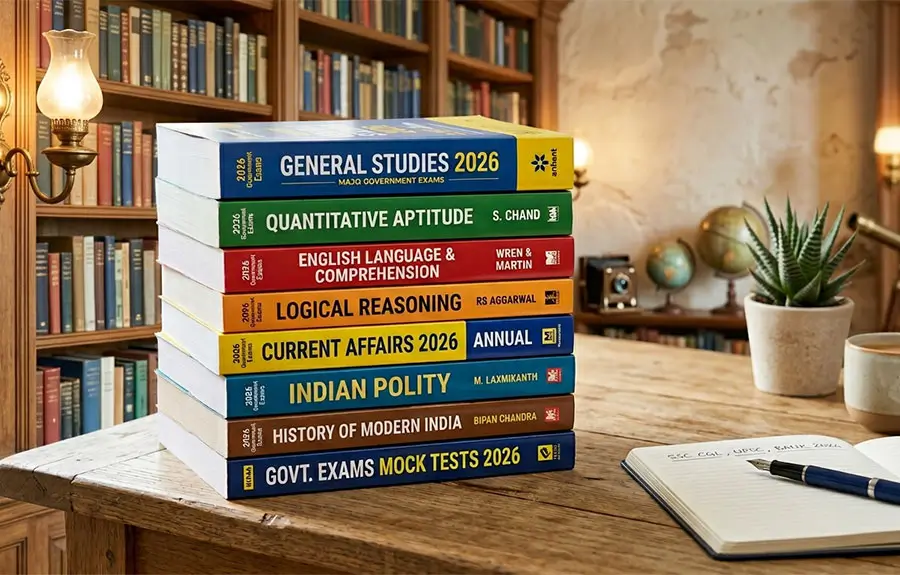
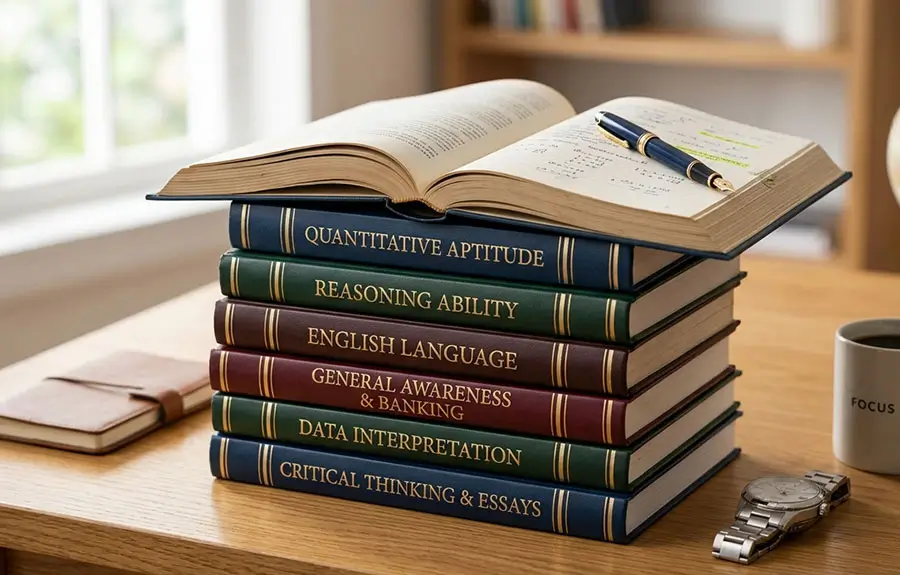
One of the most popular choices among BSc graduates is preparing for government examinations. Government jobs continue to attract millions of candidates because they offer job security, structured career growth, attractive salaries, pension benefits in eligible services, and a healthy work-life balance.
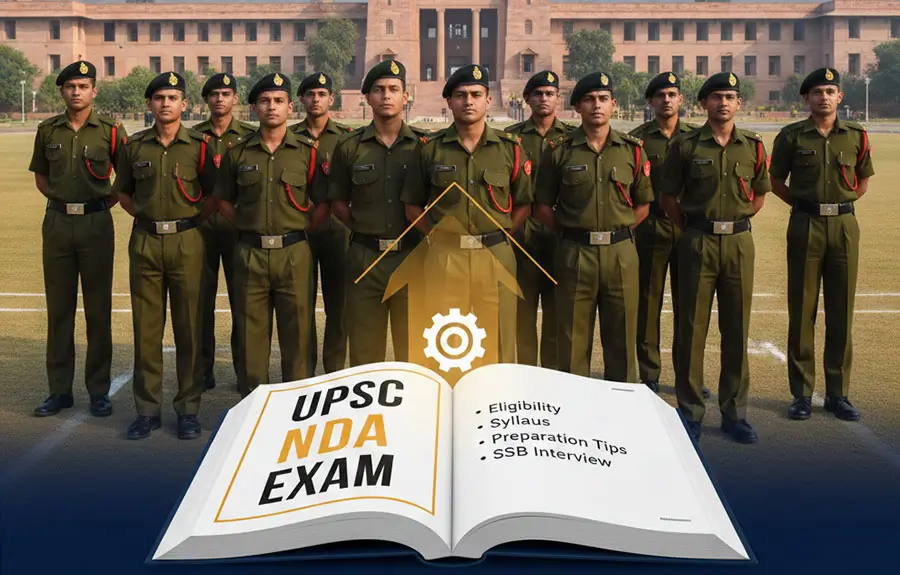
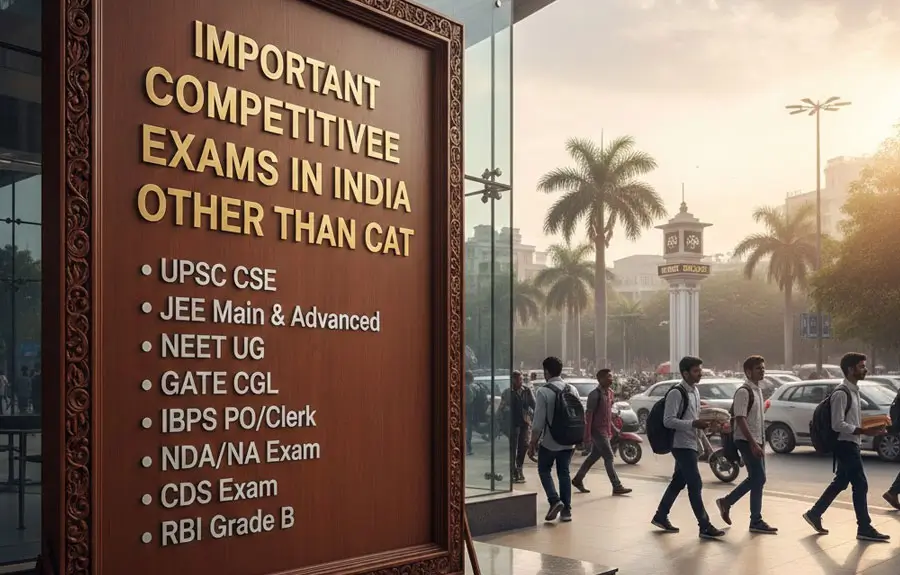
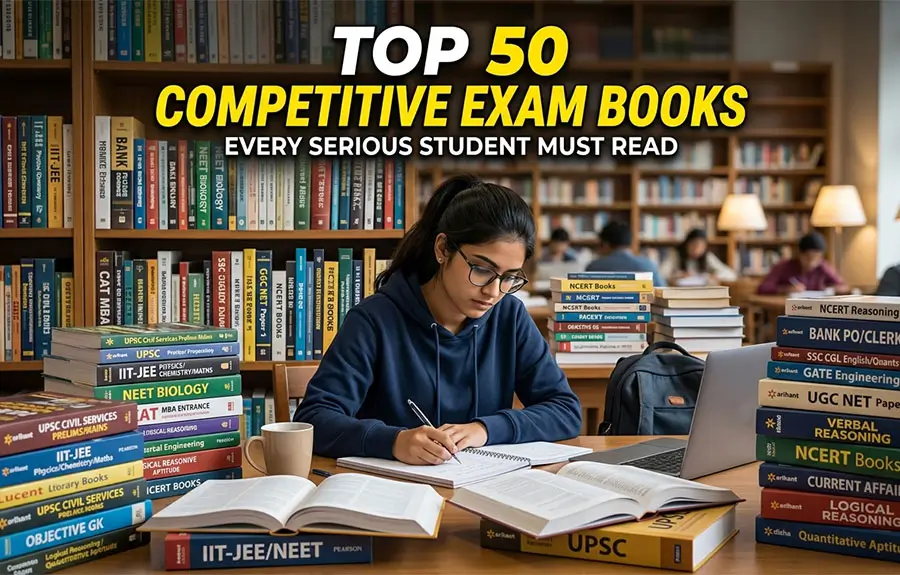
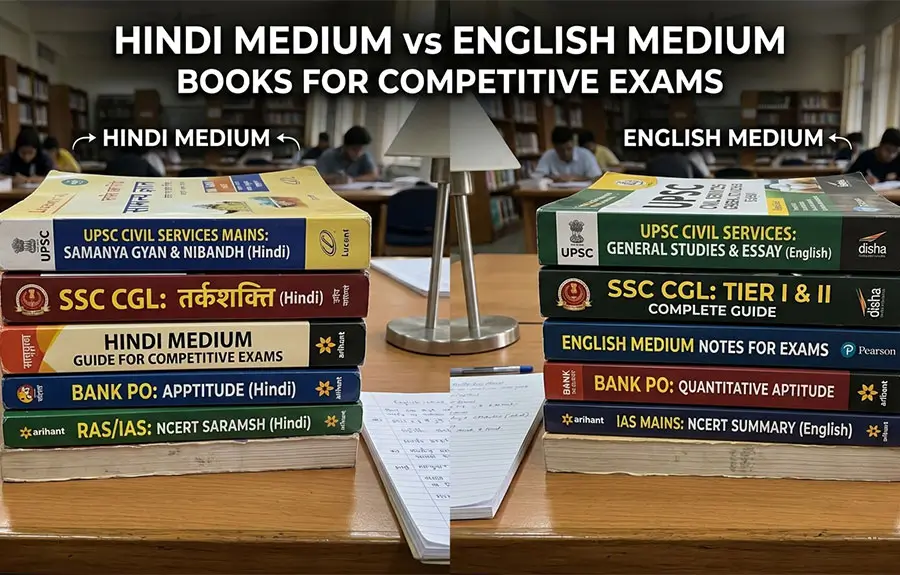
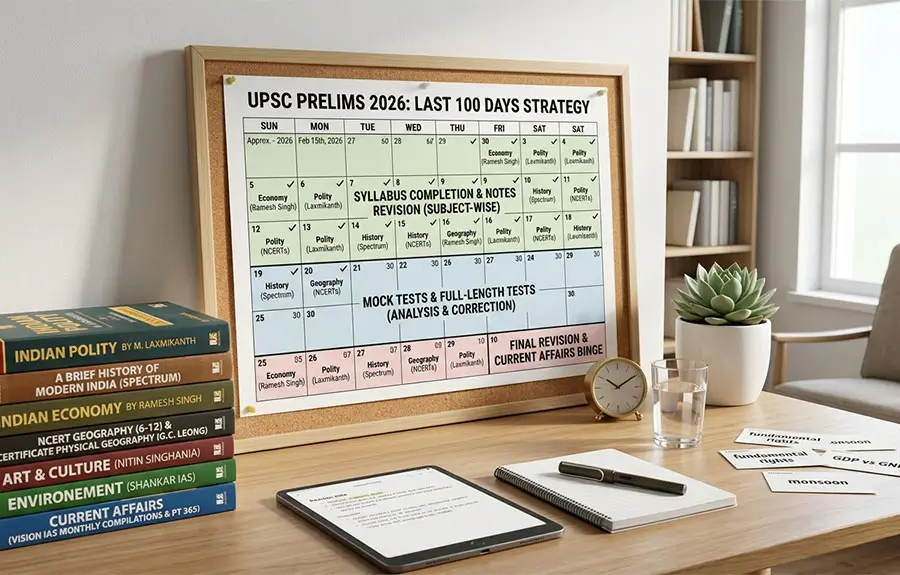
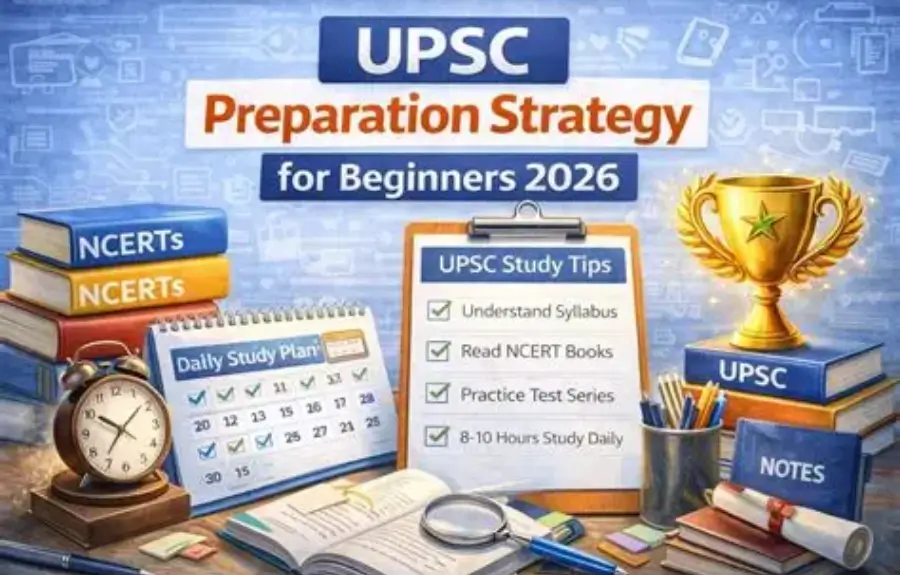
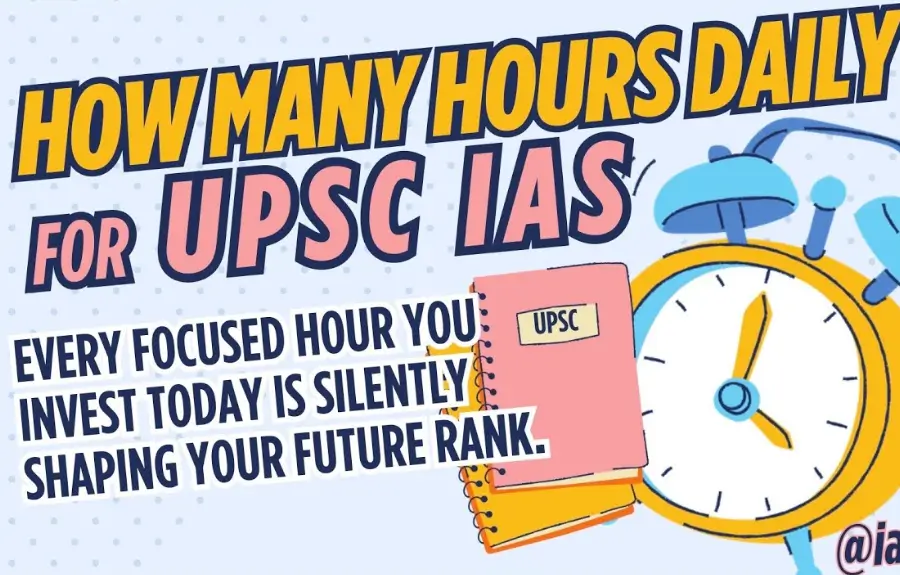
Graduates can apply for several national and state-level competitive examinations depending on their eligibility. The UPSC Civil Services Examination remains one of the most prestigious options for candidates interested in administrative services such as IAS, IPS, IFS, and IRS. Science graduates often perform exceptionally well because they develop analytical thinking and problem-solving abilities during their academic studies.
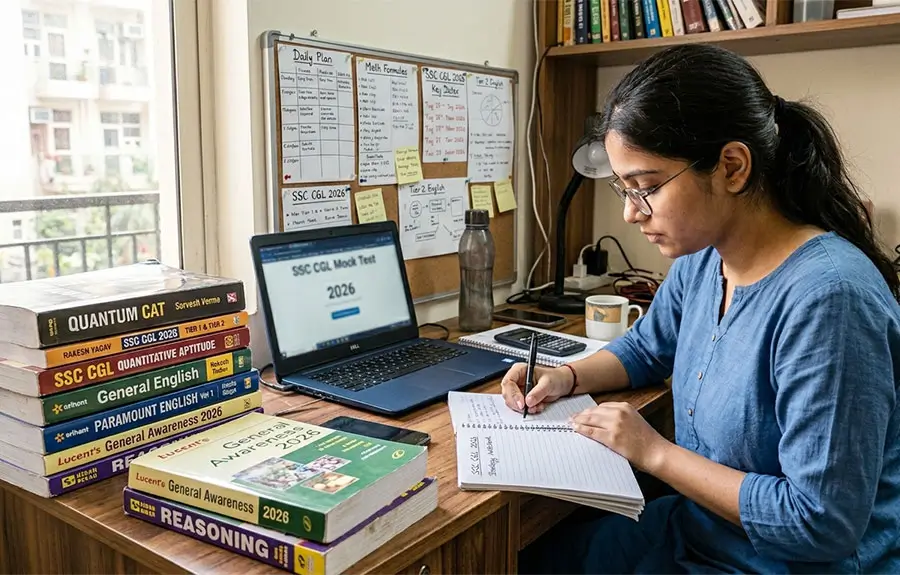
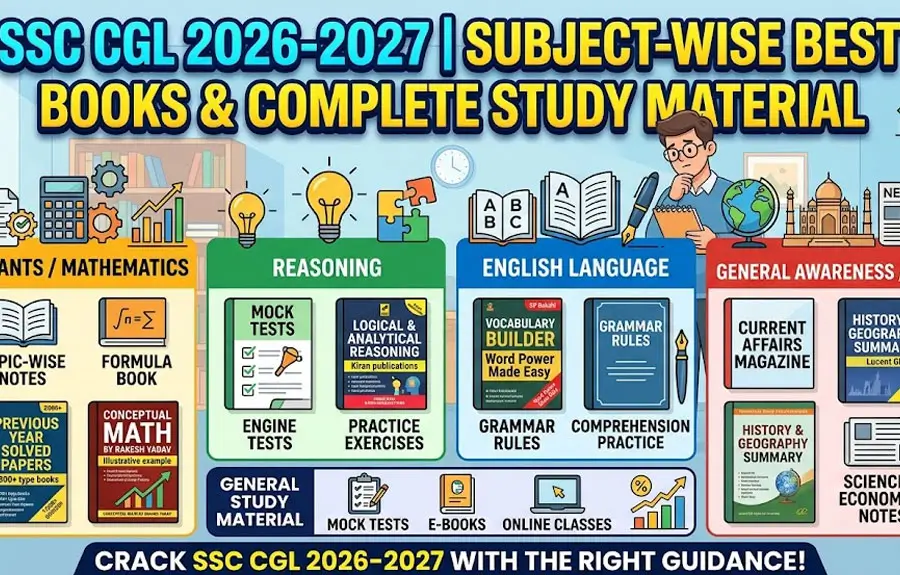
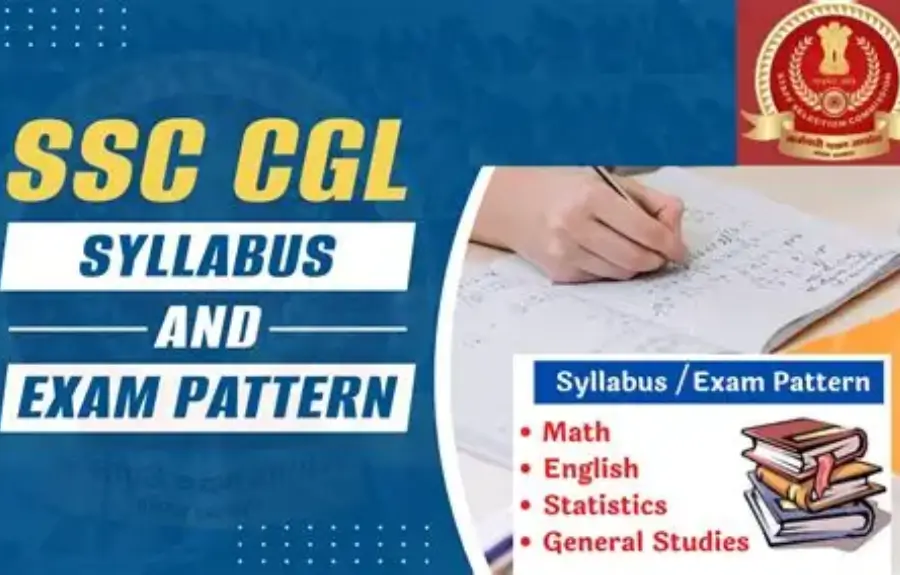
Another excellent option is the SSC CGL Examination, which recruits graduates for various ministries, constitutional bodies, government departments, and central government organizations. Candidates interested in administrative roles, auditing, taxation, finance, investigation, and public administration frequently choose this examination.
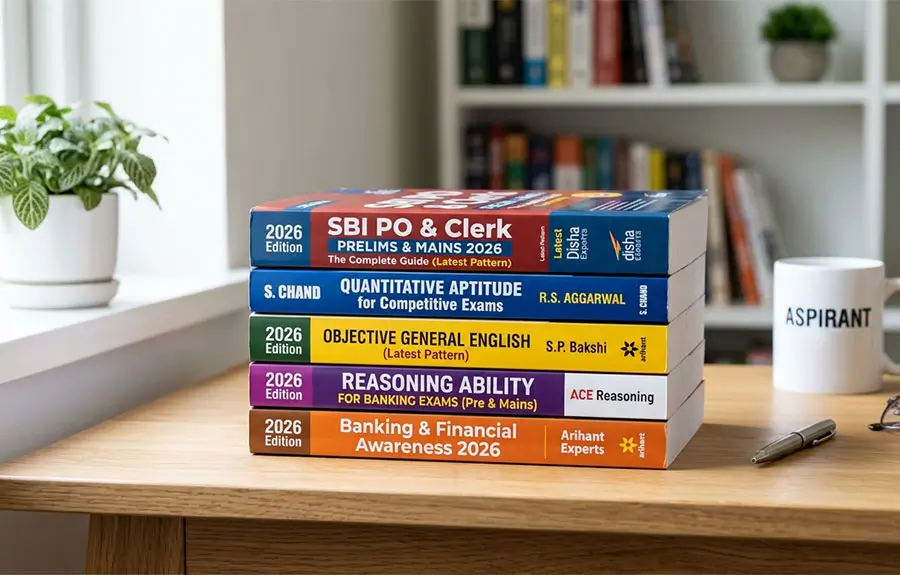
Banking examinations conducted by organizations such as IBPS, SBI, and RBI also provide excellent career opportunities. Positions including Probationary Officer, Clerk, Specialist Officer, and Assistant Manager offer competitive salaries, career progression, and nationwide employment opportunities.
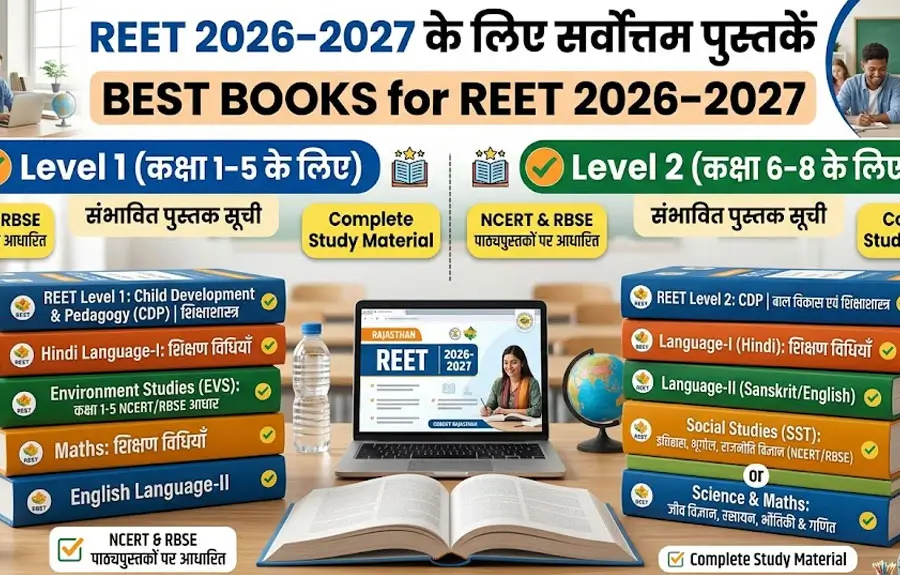
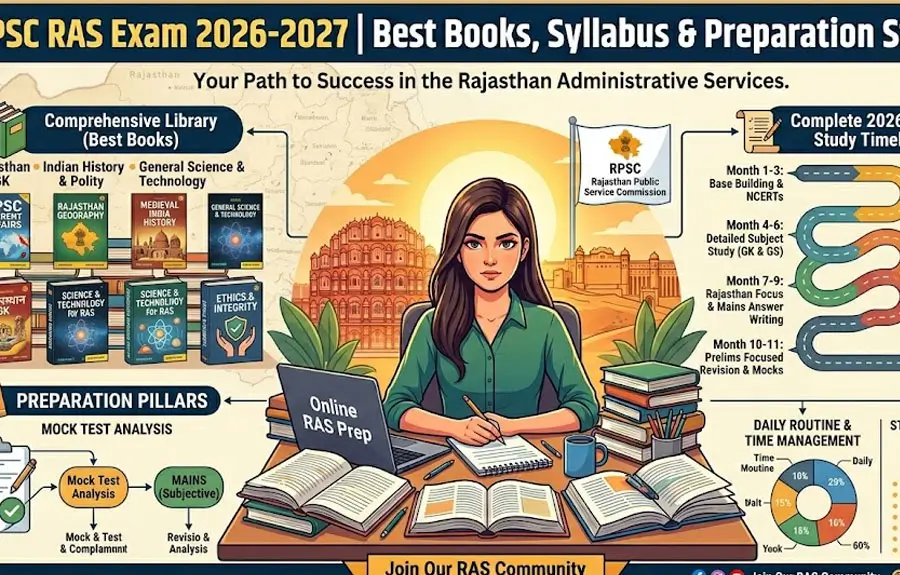
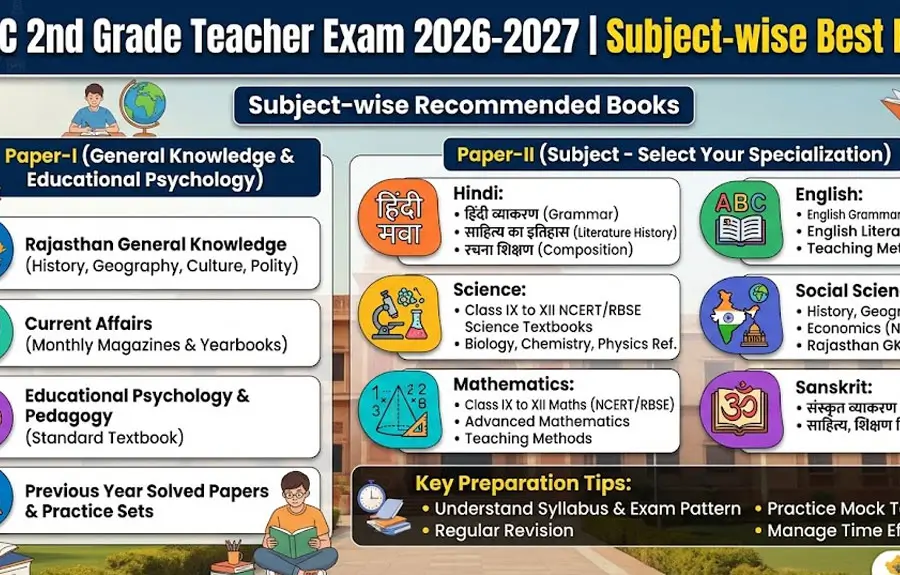
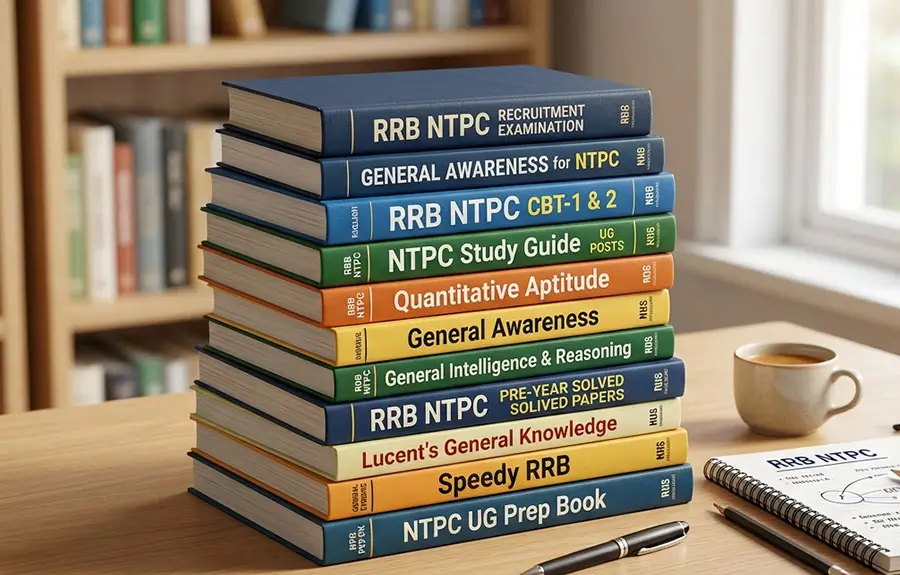
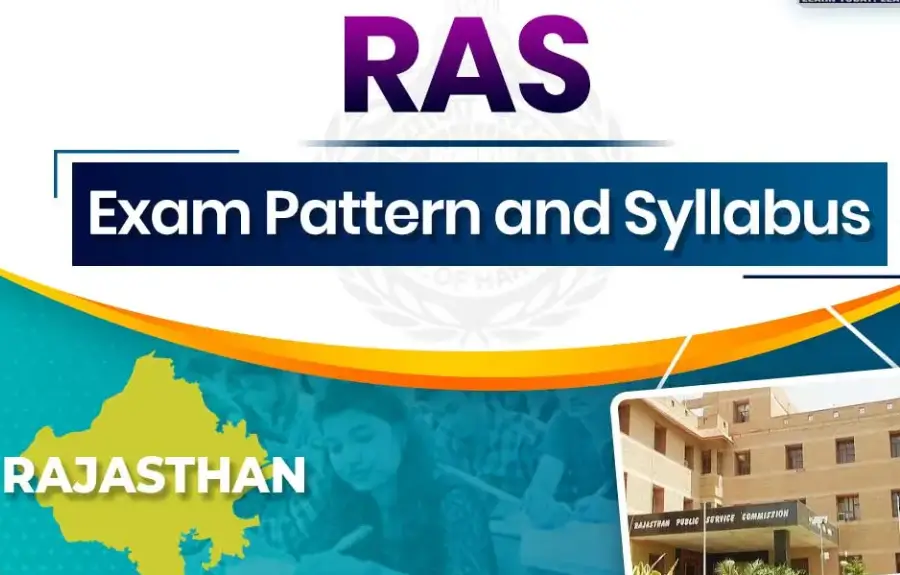
Science graduates can also prepare for Railway Recruitment, State Public Service Commission examinations, Defence Services, Insurance Recruitment, Teaching Eligibility Tests, and numerous research-based government positions depending on their specialization.
Candidates with backgrounds in Life Sciences, Biotechnology, Microbiology, Environmental Science, or Chemistry may additionally find opportunities in government laboratories, scientific institutions, pharmaceutical organizations, food safety departments, environmental agencies, and healthcare research organizations.
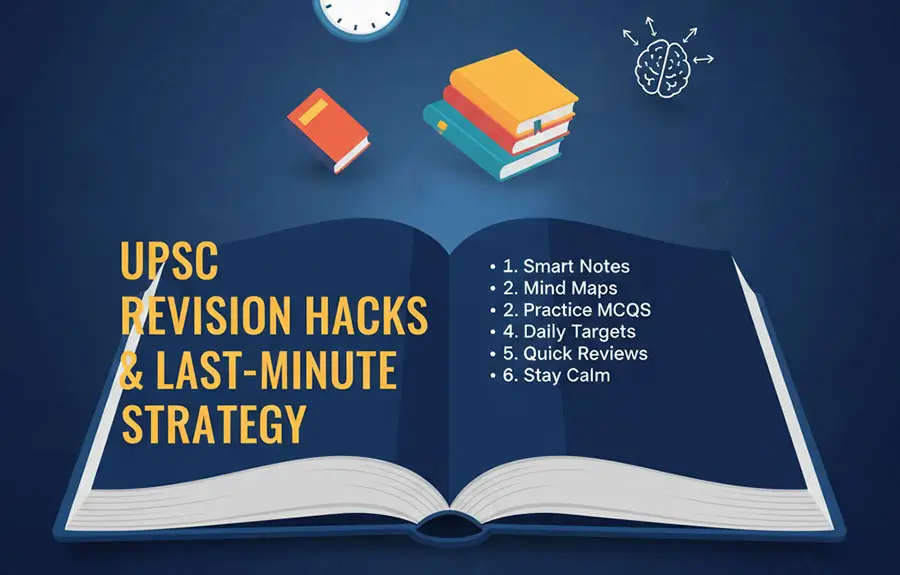
Preparing for government examinations requires patience, consistency, and systematic planning. Choosing an examination that matches personal interests and long-term career goals usually leads to better motivation and improved preparation.
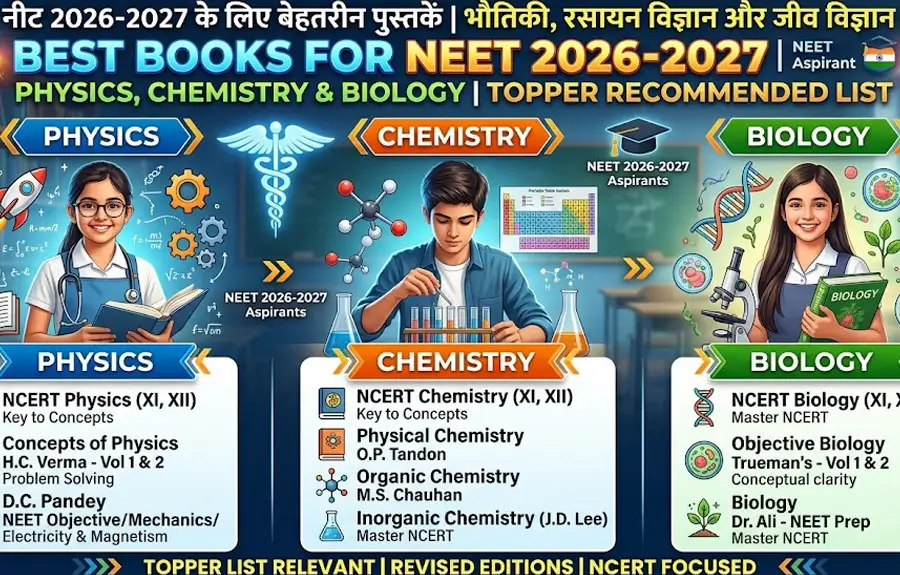
For students interested in academic advancement, research, or specialized professional careers, pursuing higher education after BSc remains one of the most rewarding options. Advanced education not only improves subject knowledge but also increases employment opportunities in both India and abroad.
The most common choice is pursuing an MSc in the same or a related specialization. Students can continue in subjects such as Physics, Chemistry, Mathematics, Biotechnology, Computer Science, Zoology, Botany, Environmental Science, Microbiology, Data Science, or Applied Sciences. An MSc provides deeper conceptual understanding while creating opportunities in research, teaching, industry, and higher academic studies.
Graduates interested in scientific research often continue toward PhD programmes after completing postgraduate education. Research careers are available in universities, government laboratories, pharmaceutical companies, healthcare organizations, environmental agencies, and industrial research institutions. Candidates passionate about innovation, experimentation, and scientific discovery frequently choose this career path.
Professional programmes such as MBA also remain popular among science graduates. Combining technical knowledge with management education creates career opportunities in operations, consulting, marketing, finance, business analytics, healthcare management, and project management. Employers increasingly value candidates who possess both scientific understanding and managerial skills.
Students interested in education can pursue BEd followed by teaching careers in schools or educational institutions. Those aiming for college-level teaching generally continue with postgraduate education, eligibility examinations, and research qualifications.
Specialized certification programmes in Artificial Intelligence, Data Analytics, Machine Learning, Cyber Security, Cloud Computing, Clinical Research, Bioinformatics, and Digital Marketing have also become increasingly valuable. These programmes help graduates enter rapidly growing industries that demand practical skills alongside academic qualifications.
Choosing higher education should always depend on career objectives rather than simply extending academic studies without a clear purpose.
Many students believe that private companies primarily recruit engineering or management graduates. In reality, BSc graduates are employed across numerous industries where scientific knowledge, analytical thinking, technical understanding, and communication skills are highly valued.
Graduates specializing in Computer Science, Information Technology, or Mathematics often find opportunities in software development, technical support, quality assurance, business analytics, cybersecurity, cloud computing, artificial intelligence, and data analysis. Learning additional technical skills significantly improves employability in these fields.
Students from Biotechnology, Microbiology, Biochemistry, Chemistry, and Life Sciences frequently secure positions in pharmaceutical companies, diagnostic laboratories, biotechnology firms, healthcare organizations, food processing industries, clinical research organizations, and environmental consulting companies.
Graduates in Physics, Electronics, and Applied Sciences may work in manufacturing industries, renewable energy companies, research organizations, instrumentation firms, aerospace suppliers, and engineering support services.
Environmental Science graduates increasingly find opportunities in sustainability consulting, environmental impact assessment, pollution control, waste management, climate research, and conservation projects as organizations focus more on environmental responsibility.
Apart from technical roles, BSc graduates also work in customer success, scientific sales, technical writing, operations management, project coordination, education technology, and healthcare administration.
Employers today value adaptability, communication, analytical thinking, teamwork, and digital skills alongside academic qualifications. Therefore, graduates who continue learning beyond their university curriculum generally enjoy stronger career prospects and faster professional growth.
A BSc degree provides a strong academic foundation, but many graduates choose to strengthen their profile further through professional certification programmes. These courses help students develop industry-specific skills, making them more competitive in today's rapidly changing job market.
Graduates from Computer Science, Mathematics, and Statistics backgrounds often benefit from certifications in Data Science, Artificial Intelligence, Machine Learning, Cyber Security, Cloud Computing, and Business Analytics. These fields continue to experience significant demand as organizations increasingly rely on digital technologies and data-driven decision-making.
Students with backgrounds in Biotechnology, Microbiology, Biochemistry, Botany, or Zoology can explore opportunities in Clinical Research, Bioinformatics, Medical Laboratory Technology, Pharmaceutical Quality Assurance, Regulatory Affairs, and Healthcare Management. These specializations offer rewarding careers in pharmaceutical companies, hospitals, research institutions, and biotechnology firms.
Graduates interested in environmental conservation may consider certifications in Environmental Management, Sustainability, GIS Mapping, Remote Sensing, Renewable Energy, or Environmental Impact Assessment. As governments and private organizations continue investing in sustainable development, professionals with specialized environmental knowledge remain in high demand.
Those who enjoy communication, marketing, and business development can also explore professional courses in Digital Marketing, Content Strategy, SEO, Project Management, or Business Communication. Science graduates often perform exceptionally well in these areas because of their analytical thinking and structured problem-solving abilities.
The objective should never be collecting certificates simply to improve a resume. Every professional course should support a long-term career goal and help develop practical skills that employers genuinely value.
Salary should never be the only factor while choosing a career, but understanding earning potential helps graduates make informed decisions about their future. Several career paths available after BSc offer excellent long-term financial growth when combined with the right skills and experience.
The technology sector continues to provide some of the highest-paying opportunities. Graduates with knowledge of Software Development, Artificial Intelligence, Data Science, Machine Learning, Cyber Security, Cloud Computing, and Data Analytics often enjoy excellent career progression because demand for these skills continues to grow across industries.
Healthcare and pharmaceutical sectors also provide rewarding career options. Professionals working in biotechnology, drug research, clinical trials, laboratory management, pharmaceutical manufacturing, and healthcare technology contribute significantly to medical innovation while enjoying stable career prospects.
Candidates pursuing government jobs through examinations such as UPSC, SSC CGL, State PSC, Banking, Defence Services, or specialized scientific organizations also benefit from structured salary growth, promotions, allowances, and long-term job security.
Students who continue with MSc, PhD, or advanced research programmes may eventually build careers in universities, research laboratories, international organizations, and scientific institutions. Experienced researchers frequently contribute to technological innovation, public policy, healthcare, environmental protection, and industrial development.
Entrepreneurship has also emerged as an attractive option. Graduates with scientific knowledge increasingly establish businesses in healthcare, education technology, biotechnology, environmental consulting, laboratory services, digital products, scientific training, and technology solutions. While entrepreneurship involves greater risk than traditional employment, it also provides opportunities for substantial long-term financial growth.
Instead of focusing only on starting salaries, graduates should evaluate career stability, growth potential, learning opportunities, and personal satisfaction while making career decisions.
Many graduates delay career planning until after completing their degree. However, the transition from university to professional life becomes much smoother when students begin preparing early. Developing practical skills alongside academic education significantly improves future employment opportunities.
The first step is identifying personal interests. Students should ask themselves whether they enjoy research, public service, technology, healthcare, teaching, business, or management. Understanding personal strengths helps narrow career options and prevents unnecessary confusion.
Building practical skills should become a continuous process. Employers increasingly value candidates who combine academic qualifications with technical expertise, communication skills, teamwork, analytical thinking, and problem-solving abilities. Learning new software, programming languages, research techniques, or digital tools often creates a competitive advantage during recruitment.
Networking also plays an important role in career development. Participating in internships, seminars, workshops, conferences, and professional communities allows graduates to learn from experienced professionals while discovering emerging career opportunities.
Preparing a professional resume and maintaining an updated professional profile becomes equally important. Internship experience, projects, certifications, research work, technical skills, and extracurricular achievements should all be presented clearly to prospective employers.
Graduates preparing for competitive examinations should create a structured study plan rather than attempting multiple examinations simultaneously without proper planning. Selecting one or two career paths and preparing consistently generally produces better outcomes than dividing attention among numerous unrelated goals.
Most importantly, students should remain open to continuous learning. Modern industries evolve rapidly, and professionals who regularly upgrade their knowledge remain more competitive throughout their careers.
One of the biggest mistakes made after completing a Bachelor of Science is assuming that career growth will happen automatically. A degree creates opportunities, but long-term success depends on continuous learning, practical skills, and informed career planning.
Another common mistake is following friends without evaluating personal interests. Choosing higher studies, government exams, or private sector jobs simply because others are doing the same often leads to dissatisfaction later. Every career path requires different abilities and long-term commitment.
Many graduates also postpone skill development. Waiting until job interviews to improve communication skills, technical knowledge, or computer proficiency usually reduces employment opportunities. Developing these abilities immediately after graduation provides a significant advantage.
Ignoring internships and practical experience is another frequent error. Real-world exposure helps students understand industry expectations while strengthening resumes. Even short internships often improve confidence and employability.
Some students prepare simultaneously for numerous competitive examinations with completely different syllabuses. Dividing attention across unrelated goals frequently slows progress. A focused preparation strategy based on clearly defined career objectives is generally much more effective.
Finally, graduates should never underestimate the importance of adaptability. The employment market continues evolving, creating new industries and professional roles every year. Remaining flexible, continuously learning, and embracing new opportunities are among the most valuable qualities for long-term career success.


Yes. Certifications in Data Science, Artificial Intelligence, Cyber Security, Digital Marketing, Cloud Computing, and similar fields significantly improve employability.
BSc graduates work in IT, Healthcare, Biotechnology, Pharmaceuticals, Environmental Services, Research, Education, Manufacturing, and many other industries.
Popular options include government jobs, higher studies, private sector employment, research, teaching, professional certifications, and entrepreneurship depending on your specialization and interests.
Yes. Graduates are eligible for many competitive examinations including UPSC, SSC CGL, Banking Exams, State PSC, Railway Recruitment, and several other government recruitment examinations.
An MSc is an excellent choice for students interested in advanced subject knowledge, research, teaching, or academic careers. However, the best option depends on individual career goals.
Yes. Many BSc graduates pursue an MBA to build careers in management, consulting, marketing, finance, operations, and business analytics.
Yes. Graduates with innovative ideas and practical skills can establish successful businesses in healthcare, technology, education, consulting, biotechnology, and scientific services.
The answer depends on your career objectives. Some students benefit from industry experience before postgraduate education, while others prefer continuing academic studies immediately.
Internships provide practical exposure, improve technical skills, strengthen resumes, and increase employment opportunities by offering real-world industry experience.
Choose a career based on your interests, strengths, long-term goals, learning opportunities, and growth potential rather than simply following trends or the choices of others.

We offer fast delivery.

We offer E-Gift Cards.

Dedicated 24/7 support.

100% secure payment.

 My Order
  0
0