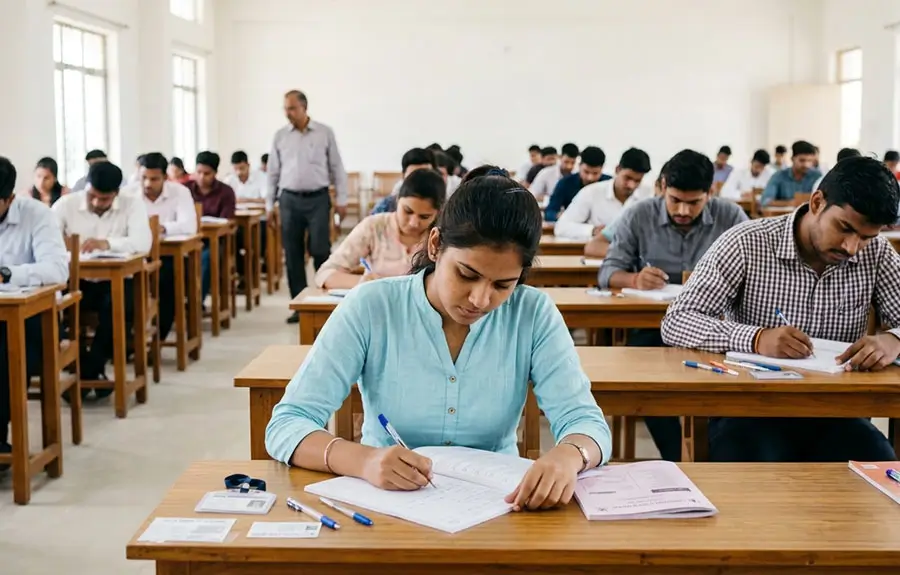
Choosing between NEET and JEE is one of the most important academic decisions a student makes after completing Class 10. For many families, this decision shapes the student's future career, higher education, and professional aspirations. Since both examinations are among the most competitive entrance exams in India, students and parents often wonder which examination is more difficult and how preparation should begin from Class 11.
There is no simple answer because NEET and JEE are designed for completely different career paths. NEET is the gateway for students who dream of becoming doctors, dentists, or healthcare professionals, whereas JEE is meant for students aspiring to pursue engineering and technology courses in prestigious institutions.
Unfortunately, many students choose an examination based on peer pressure, coaching institute advertisements, or social expectations instead of understanding their own interests and strengths. This often leads to frustration during preparation because both examinations demand long-term commitment, conceptual clarity, and continuous practice.
Starting preparation from Class 11 provides a significant advantage because the syllabus of both examinations is closely aligned with higher secondary education. Students who build strong fundamentals during the first year of senior secondary school generally perform much better than those who begin preparation much later.
Parents also play an important role throughout this journey. Instead of focusing only on examination results, they should help students build healthy study habits, maintain motivation, and develop confidence. Academic success is achieved through consistency, disciplined preparation, and emotional support rather than unnecessary pressure.
Understanding the differences between NEET and JEE, the level of competition, subject requirements, and effective preparation methods helps students make informed decisions that align with their long-term career goals.
Although both examinations are highly competitive, they are designed for completely different academic disciplines. Understanding this difference is the first step before deciding which examination deserves attention.
NEET, or the National Eligibility cum Entrance Test, is conducted for admission to undergraduate medical and allied healthcare courses. Students preparing for NEET primarily study Physics, Chemistry, and Biology, with Biology carrying significant importance throughout the examination. Candidates interested in medicine, surgery, dentistry, veterinary science, nursing, physiotherapy, and related healthcare professions generally choose this path.
On the other hand, JEE, or the Joint Entrance Examination, serves students aspiring to pursue engineering, architecture, and technology courses. The examination evaluates conceptual understanding of Physics, Chemistry, and Mathematics. Strong mathematical reasoning and analytical problem-solving skills become essential for success in JEE.
Another important distinction lies in the style of questioning. While both examinations require conceptual clarity, JEE often emphasizes analytical thinking, numerical problem-solving, and multi-step calculations. NEET, meanwhile, places comparatively greater emphasis on conceptual understanding, factual knowledge, diagram-based learning, and biological applications.
Career opportunities also differ considerably. Successful NEET candidates pursue medical education leading to careers in hospitals, research, healthcare administration, public health, pharmaceuticals, and clinical practice. JEE opens opportunities in engineering, software development, artificial intelligence, robotics, civil engineering, mechanical engineering, electronics, aerospace, research, and technology management.
Students should therefore choose an examination according to their academic interests rather than perceived difficulty. Genuine interest in the chosen field often becomes the strongest source of long-term motivation during preparation.
One of the most common debates among students concerns the relative difficulty of NEET and JEE. However, comparing the two examinations directly is often misleading because they evaluate different skills and attract students with different academic strengths.
Many students consider JEE more challenging because of its advanced mathematical concepts and highly analytical questions. Subjects such as calculus, algebra, coordinate geometry, trigonometry, and advanced physics require strong conceptual understanding along with excellent problem-solving speed. Candidates must often solve complex numerical questions within limited time, making time management an important factor.
Others believe NEET is equally demanding because of the extremely high level of competition. Every year, a very large number of students compete for a comparatively limited number of medical seats. Biology alone requires detailed understanding of numerous concepts, scientific terminology, diagrams, and biological processes. Even small mistakes can significantly affect rankings because competition remains exceptionally intense.
Difficulty also depends on individual strengths. Students who naturally enjoy mathematics and logical reasoning may find JEE comparatively more comfortable than Biology-intensive preparation. Conversely, students fascinated by life sciences, anatomy, physiology, and biological systems often perform better in NEET while finding advanced mathematics less appealing.
Another factor influencing perceived difficulty is preparation consistency. Students beginning serious preparation from Class 11 generally find both examinations more manageable because they develop conceptual understanding gradually instead of attempting to learn everything during the final months.
Rather than asking which examination is harder, students should honestly evaluate which subjects they genuinely enjoy studying. Long-term interest remains one of the strongest predictors of preparation success.
Beginning preparation in Class 11 provides students with sufficient time to build conceptual clarity without experiencing unnecessary pressure. Instead of immediately focusing on difficult mock examinations, the first objective should be understanding fundamental concepts covered in the school curriculum.
Students should attend classroom teaching attentively because higher secondary education forms the foundation of both NEET and JEE. Ignoring school studies while depending entirely on coaching often creates conceptual gaps that become difficult to overcome later.
Daily revision should become a habit from the beginning. Topics studied during school or coaching should be revised on the same day whenever possible. Immediate revision strengthens memory and reduces the effort required before examinations.
Solving practice questions regularly is equally important. Rather than reading theory repeatedly, students should apply concepts through numerical problems, objective questions, diagrams, and conceptual exercises. This approach improves confidence while revealing weak areas requiring additional attention.
Maintaining concise notes also proves valuable. Important formulas, biological classifications, chemical reactions, scientific definitions, diagrams, and short conceptual summaries make future revision much easier.
Parents should encourage consistent routines instead of demanding exceptionally long study hours. Healthy sleep, balanced nutrition, physical activity, and adequate relaxation improve concentration far more effectively than continuous study without breaks.
Students should also avoid comparing their preparation with classmates or social media discussions. Every learner progresses at a different pace, and maintaining confidence throughout Class 11 creates a much stronger foundation for future success.
Regardless of whether a student chooses NEET or JEE, the foundation of success lies in understanding concepts rather than memorising information. Students often spend excessive time reading theory while neglecting problem-solving and revision. Both examinations reward conceptual clarity, consistent practice, and disciplined preparation.
For Physics, students should focus on understanding the principles behind every concept instead of memorising formulas. Mechanics, electricity, magnetism, optics, thermodynamics, and modern physics require logical thinking. After completing every chapter, solving a variety of numerical questions helps strengthen understanding and improves speed. Revising important formulas regularly also makes problem-solving much easier during examinations.
Chemistry demands a balanced preparation strategy because it combines conceptual understanding, factual learning, and numerical calculations. Physical Chemistry requires continuous practice of numerical problems, while Organic Chemistry focuses on reaction mechanisms and conceptual clarity. Inorganic Chemistry depends largely on systematic revision and memory retention. Students should prepare concise notes containing important reactions, equations, periodic trends, exceptions, and frequently tested concepts.
For Biology, which forms the backbone of NEET preparation, detailed reading is essential. Students should understand biological processes instead of memorising isolated facts. Topics such as genetics, human physiology, ecology, biotechnology, plant physiology, reproduction, and cell biology should be revised repeatedly. Diagrams, scientific terminology, classifications, and biological cycles should receive equal attention because they frequently appear in objective questions.
Students preparing for JEE must dedicate additional effort to Mathematics. Subjects such as calculus, algebra, coordinate geometry, probability, vectors, trigonometry, and matrices require continuous practice. Unlike theory-based subjects, mathematical skills improve only through solving diverse questions regularly. Candidates should analyse mistakes after every practice session rather than repeating similar errors.
A balanced subject-wise strategy ensures that no section becomes neglected during preparation. Consistency across all subjects generally produces stronger overall performance than concentrating exclusively on personal strengths.
Many students begin preparing enthusiastically but unknowingly develop habits that reduce their chances of success. Identifying these mistakes early can save valuable preparation time and improve examination performance.
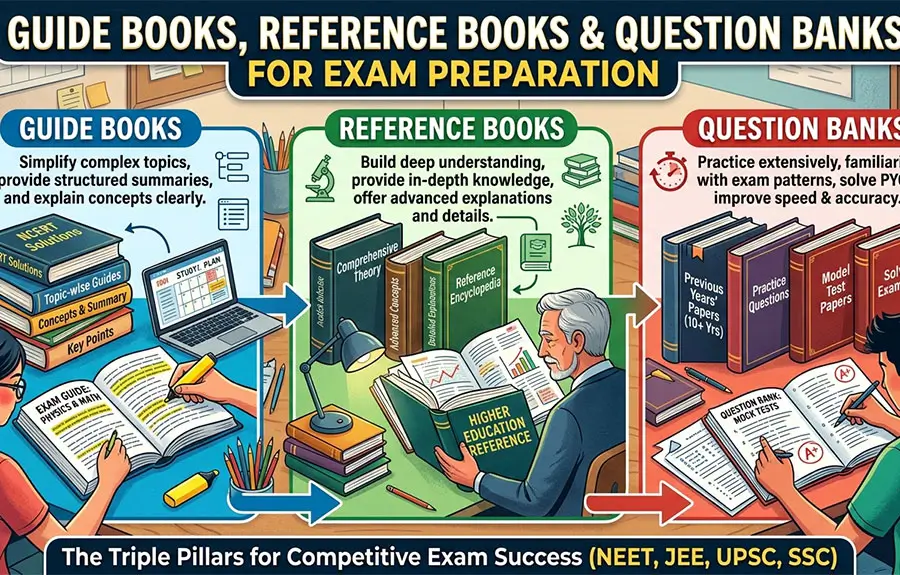
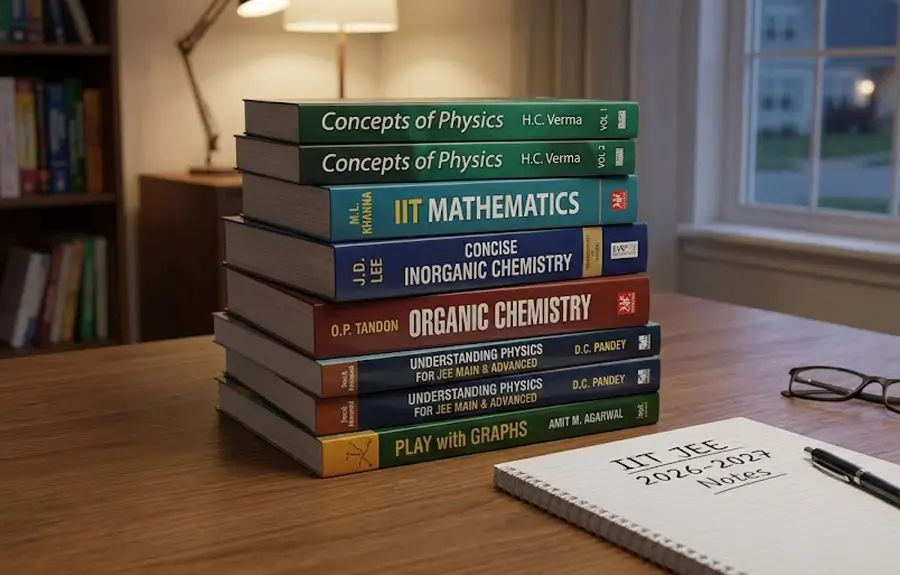
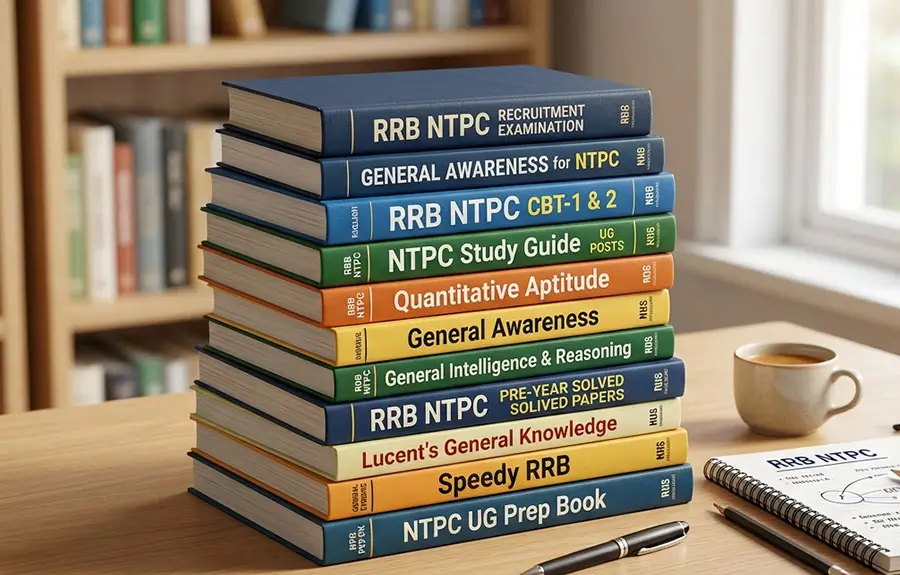
One of the most common mistakes is collecting too many books. Students often purchase multiple reference books, coaching materials, question banks, and online courses for the same subject. Instead of improving preparation, this creates confusion because different authors explain concepts differently. A limited number of quality resources revised multiple times always produces better results.
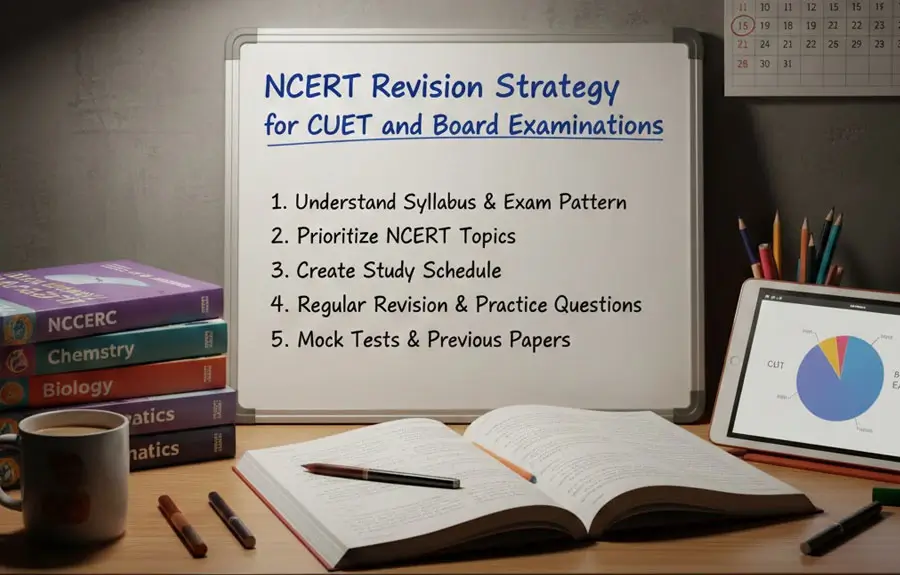
Another mistake is ignoring NCERT textbooks. Both NEET and JEE strongly depend on conceptual understanding developed through the school curriculum. Candidates who neglect basic textbooks often struggle with advanced concepts later.
Many students also postpone revision until the final months before the examination. This approach leads to forgetting important chapters and increases stress during the last stage of preparation. Regular revision should therefore become a weekly habit rather than an occasional activity.
Another serious mistake involves avoiding mock tests because of fear of low scores. Mock examinations should be viewed as learning opportunities instead of performance evaluations. Every incorrect answer highlights a concept requiring additional attention.
Comparing preparation with classmates or social media discussions also creates unnecessary anxiety. Every student's learning speed, educational background, and preparation strategy are different. Constant comparison reduces confidence without improving academic performance.
Another common problem is ignoring physical and mental health. Excessive study without adequate sleep, exercise, or relaxation gradually reduces concentration and motivation. Maintaining a healthy routine supports long-term preparation much more effectively than studying continuously without rest.
Parents play an important role throughout NEET and JEE preparation. While academic success depends largely on the student's efforts, emotional support from family members often becomes the deciding factor during stressful periods.
The first responsibility of parents is understanding that preparation for highly competitive examinations requires patience. Students naturally experience periods of self-doubt, fatigue, and frustration. Instead of increasing pressure during these moments, parents should encourage open communication and provide reassurance.
Creating a positive study environment also contributes significantly to productivity. A quiet, organised space free from unnecessary distractions helps students concentrate more effectively. Regular study routines become easier to maintain when the surrounding environment supports discipline.
Parents should encourage healthy habits rather than measuring success solely through study hours. Proper sleep, nutritious meals, physical activity, and adequate relaxation improve memory, concentration, and overall well-being. These habits ultimately contribute more to long-term success than forcing students to study continuously.
Another important responsibility is avoiding constant comparison with relatives, neighbours, classmates, or social media success stories. Every student develops academically at a different pace. Positive encouragement builds confidence, whereas unnecessary comparison often increases stress and reduces motivation.
Parents should also appreciate gradual improvement rather than expecting immediate perfection. Better mock test scores, improved conceptual understanding, regular revision, and consistent study habits all represent meaningful progress deserving recognition.
Supporting emotional well-being throughout the preparation journey creates a healthier learning environment where students remain motivated even when facing temporary setbacks.

Parents should focus more on consistent learning, conceptual understanding, and emotional well-being rather than simply counting study hours.
Both examinations are highly competitive but evaluate different skills. JEE emphasises advanced mathematics and analytical problem-solving, while NEET focuses heavily on Biology along with Physics and Chemistry.
Yes. Choosing a preparation path before entering Class 11 provides sufficient time to build strong conceptual foundations.
NCERT textbooks form the foundation of NEET preparation, but students should also practice objective questions, mock tests, and additional reference material for comprehensive preparation.
No. NEET requires preparation in Physics, Chemistry, and Biology, whereas JEE includes Mathematics instead of Biology.
Some students initially prepare for both examinations because Physics and Chemistry are common subjects, but the preparation strategy eventually differs due to Biology and Mathematics requirements.
Consistency is more important than the number of hours. A balanced routine including school studies, revision, practice questions, and sufficient rest is generally more effective than extremely long study sessions.
Yes. Mock tests improve time management, accuracy, confidence, and examination temperament while helping students identify weak areas.
Collecting too many books, neglecting revision, avoiding mock tests, and comparing themselves with others are among the most common preparation mistakes.
Strong conceptual understanding, regular revision, disciplined practice, effective time management, and long-term consistency remain the most important factors for success in both examinations.

We offer fast delivery.

We offer E-Gift Cards.

Dedicated 24/7 support.

100% secure payment.

 My Order
  0
0