Every year, thousands of graduates dream of becoming an IAS, IPS, IFS, or IRS officer through the UPSC Civil Services Examination. While the dream is inspiring, the preparation journey often feels overwhelming, especially for beginners who have no idea where to start. The internet is filled with countless videos, book lists, coaching recommendations, and preparation strategies, making it difficult to distinguish useful guidance from unnecessary information.
Many first-time aspirants make the mistake of collecting dozens of books before even understanding the examination. Others spend months watching preparation videos without actually beginning their studies. Some students become confused because every successful candidate follows a different strategy. The truth is that there is no universal formula for clearing the Civil Services Examination. Success comes from understanding the examination, building strong fundamentals, maintaining consistency, and following a realistic study plan.
Starting from scratch does not mean competing at a disadvantage. In fact, many successful candidates began with no prior knowledge of the syllabus or examination pattern. What separated them from others was their ability to stay disciplined, revise regularly, and continuously improve their understanding of every subject.
Whether you are a college student, a working professional, or someone planning a career transition, understanding the right preparation roadmap can save months of confusion. This guide explains how beginners should approach UPSC preparation, which resources deserve attention, how to create an effective study routine, and how to avoid the common mistakes that slow down progress.
The first step towards successful UPSC preparation is understanding the examination itself. Many beginners purchase expensive books and coaching material before reading the official syllabus. This approach usually creates confusion because students start studying topics that may not even be important for the examination.
The Civil Services Examination consists of three different stages: the Preliminary Examination, the Main Examination, and the Personality Test. Each stage evaluates different abilities. The Preliminary Examination focuses on objective questions designed to test conceptual understanding, factual knowledge, and analytical thinking. The Main Examination evaluates writing skills, depth of understanding, critical analysis, and balanced opinions on national and international issues. The Personality Test assesses communication skills, awareness, decision-making ability, confidence, and overall personality.
Understanding these stages helps candidates realize that preparation cannot depend on memorization alone. Reading should always be accompanied by analysis, note-making, revision, and answer writing practice.
The official syllabus deserves careful attention because it acts as the foundation for every preparation strategy. Every topic mentioned in the syllabus should become familiar before beginning detailed study. Aspirants who understand the syllabus early are less likely to waste time on irrelevant material.
Another important aspect is reviewing UPSC Previous Year Question Papers. These papers reveal the changing nature of the examination and help students understand the level of conceptual clarity expected. Instead of focusing only on factual information, aspirants begin to recognize the importance of analytical thinking, interlinking subjects, and developing balanced perspectives.
Once the syllabus and examination pattern become clear, selecting study material becomes much easier because candidates know exactly what they need rather than purchasing books based on recommendations alone.
Every successful UPSC aspirant shares one common habit—they build strong fundamentals before attempting advanced preparation. Beginners often underestimate the importance of basic concepts and rush directly towards coaching notes or current affairs magazines. This creates knowledge gaps that become difficult to overcome later.
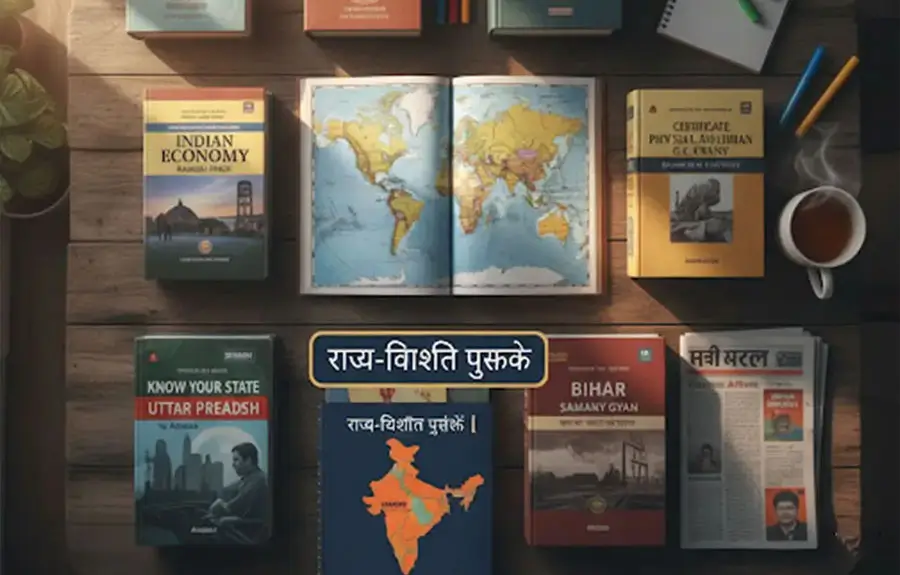
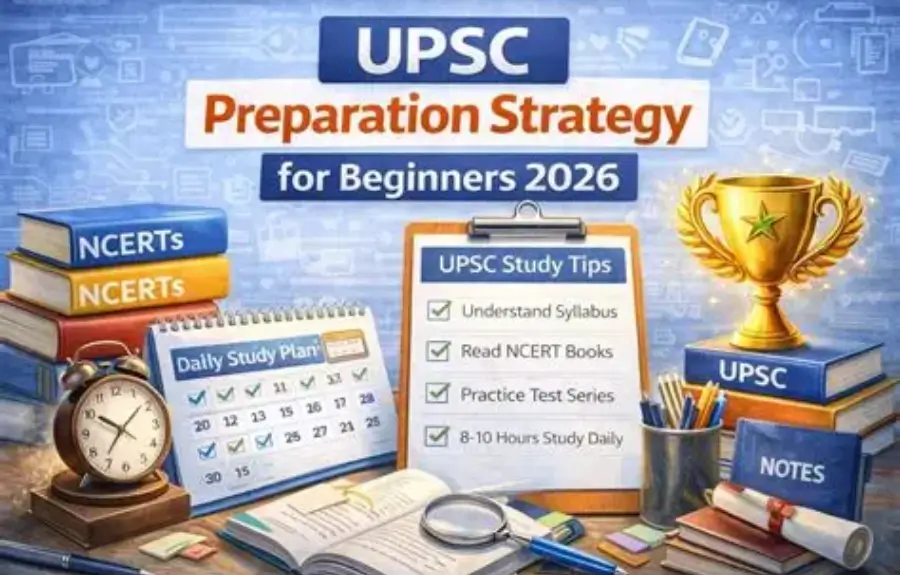
The best starting point is NCERT textbooks, which explain concepts in simple language while covering subjects that form the backbone of the Civil Services Examination. Topics such as Indian History, Geography, Political Science, Economics, Environment, and Science should first be understood through these foundational books.
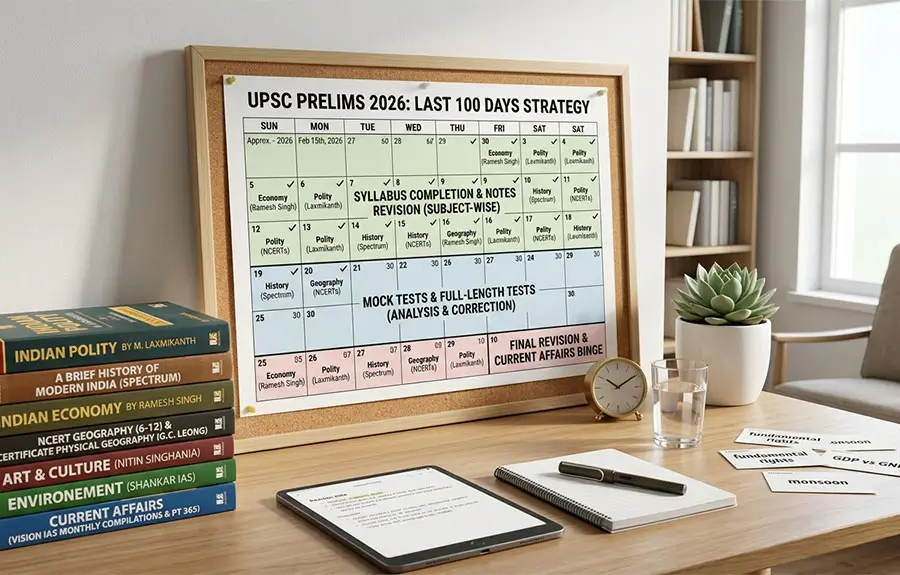
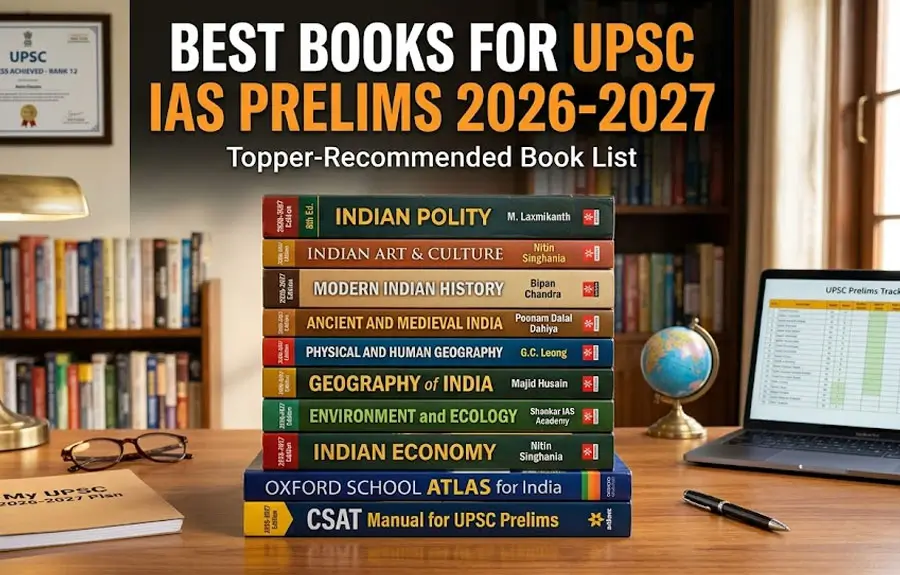
Once the basics are clear, aspirants should gradually move towards standard reference books. Resources like Indian Polity, Modern Indian History, Indian Economy, Physical Geography, and Environment & Ecology provide the depth required for the examination. However, reading these books without first understanding the basics often leads to frustration.
Another essential habit is developing a daily newspaper reading routine. Newspapers help candidates understand current affairs while improving analytical thinking and reading comprehension. Editorials expose students to different viewpoints, enabling them to build balanced opinions that are valuable during both the Main Examination and the Personality Test.
Instead of reading everything available online, aspirants should focus only on examination-relevant information. Maintaining concise notes while reading newspapers allows easier revision before the examination.
Candidates should also avoid collecting excessive study material. A limited number of high-quality resources revised multiple times always produces better results than reading numerous books only once.
A strong foundation not only improves confidence but also makes advanced preparation significantly more effective because new information becomes easier to understand and remember.
One of the biggest reasons why beginners fail is not because they lack intelligence but because they create unrealistic study schedules. Planning to study twelve or fourteen hours every day may sound impressive, but very few people can maintain such routines consistently over several months.
A practical study plan should match an individual's lifestyle, educational background, and available time. College students, working professionals, and full-time aspirants all require different schedules. What matters most is consistency rather than the total number of hours studied.
Every study session should include a balanced combination of static subjects, current affairs, revision, and answer writing practice. Spending all day on a single subject often reduces productivity and creates monotony. Rotating subjects throughout the week keeps preparation engaging while ensuring balanced syllabus coverage.
Revision deserves equal importance. Learning new topics without revisiting previously studied material eventually leads to forgetting important concepts. Regular revision sessions strengthen memory and improve confidence before mock examinations.
Mock tests should also become a routine part of preparation. They help identify weaknesses, improve time management, and expose candidates to examination-level questions. Instead of worrying about initial scores, aspirants should use mock tests to understand mistakes and refine their preparation strategy.
Another effective habit involves setting weekly goals instead of daily targets alone. Weekly planning provides greater flexibility while reducing unnecessary pressure when unexpected interruptions occur.
Maintaining consistency over several months ultimately matters more than occasional bursts of intensive study. The Civil Services Examination rewards disciplined preparation, continuous improvement, and long-term commitment rather than short periods of excessive effort.
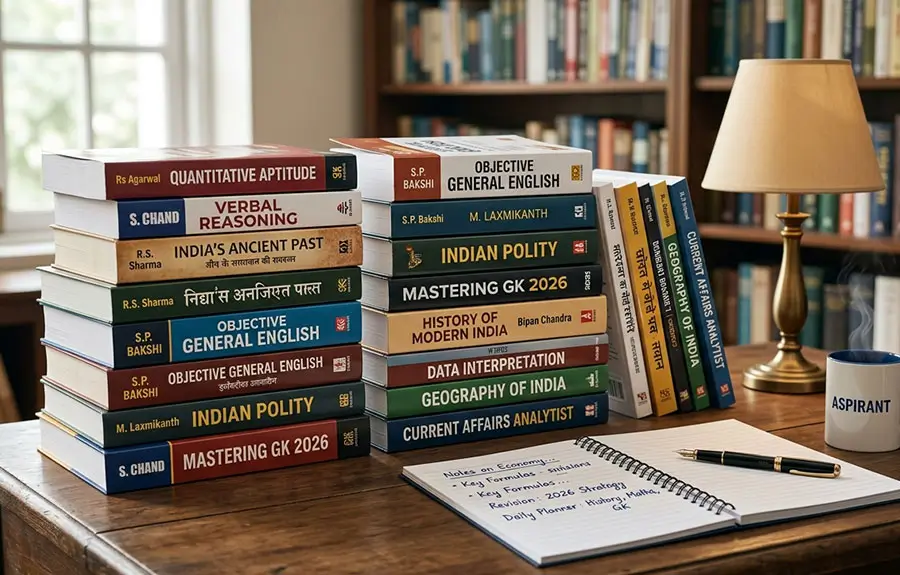
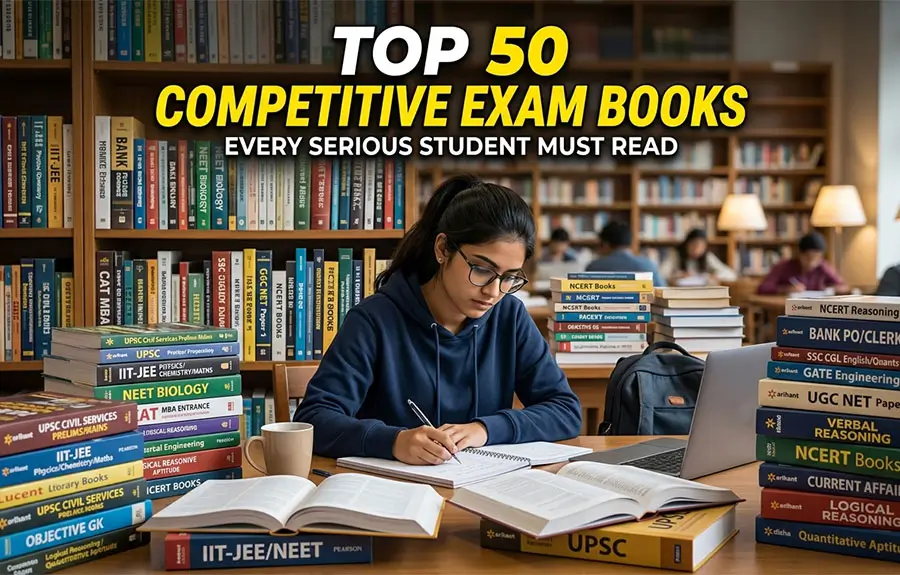
Every beginner preparing for the UPSC Civil Services Examination eventually reaches a stage where they start searching for the perfect book list. Unfortunately, this is also where many aspirants become distracted. Watching multiple topper interviews and reading different preparation strategies often results in purchasing several books for the same subject. Instead of improving preparation, this habit creates unnecessary confusion.
A successful preparation strategy depends more on completing a limited number of quality resources than collecting an extensive library. Every additional book demands more reading time, more revision, and more effort. If the same topic is explained in multiple books, the candidate spends valuable time repeating information instead of progressing through the syllabus.
For Indian Polity, choose one reliable standard reference and revise it repeatedly. Modern Indian History, Indian Economy, Geography, Environment and Ecology, Art and Culture, and Science and Technology should also be covered through carefully selected books that provide conceptual clarity. Once these subjects are understood, aspirants should focus on revision rather than continuously searching for new material.
Apart from textbooks, candidates should maintain a regular habit of reading quality newspapers. Editorials improve analytical thinking, comprehension, vocabulary, and answer-writing skills simultaneously. Government publications, Economic Survey highlights, Budget summaries, and official reports should also become part of the preparation because they provide authentic information useful for both UPSC Prelims and UPSC Mains.
Current affairs should never be studied separately from static subjects. Instead, aspirants should connect contemporary events with constitutional provisions, economic concepts, international relations, environmental policies, and governance issues. This integrated approach reflects the analytical nature of the Civil Services Examination and prepares candidates for descriptive answers during the Main examination.
The objective should always be quality over quantity. Reading fewer books thoroughly and revising them multiple times produces significantly better results than reading numerous books only once.
Many beginners believe answer writing should start only after completing the entire syllabus. This misconception delays one of the most important aspects of UPSC preparation.
The Main Examination rewards candidates who can present clear, balanced, and well-structured answers within limited time. Knowledge alone is not enough if it cannot be expressed effectively. Developing answer-writing skills early allows aspirants to improve gradually without feeling overwhelmed during the final months before the examination.
Initially, candidates should focus on understanding how answers are structured rather than writing lengthy responses. Reading model answers helps identify how successful candidates introduce topics, explain concepts, present balanced arguments, include examples, and conclude logically without unnecessary repetition.
Every answer should remain directly connected to the question. Many aspirants lose marks because they write everything they know instead of answering what has actually been asked. Understanding keywords such as "Discuss," "Evaluate," "Examine," "Critically Analyse," and "Comment" helps candidates respond appropriately.
Regular answer writing also improves speed, handwriting, time management, and confidence. Candidates gradually learn to organize ideas logically while presenting factual information alongside analytical viewpoints.
Another useful practice involves discussing important issues with fellow aspirants or mentors. Such discussions expose candidates to different perspectives, helping them write more balanced answers during the examination.
Over time, answer writing becomes easier because the brain automatically learns how to organize information efficiently. This skill cannot be developed overnight, making early practice extremely valuable.
One of the most common questions asked by beginners is whether coaching is necessary for clearing the Civil Services Examination. The answer is no. Every year, numerous successful candidates qualify through disciplined self-study supported by quality books, official resources, mock tests, and consistent revision.
Coaching institutions can certainly provide structured guidance, but they are not substitutes for individual effort. Regardless of whether a student joins coaching or prepares independently, the majority of learning still happens through self-study. Reading, revising, making notes, solving previous year papers, practicing answer writing, and analyzing mistakes remain personal responsibilities.
Candidates preparing without coaching should create a structured study schedule based on the official syllabus. Dividing subjects into manageable sections and setting weekly goals helps maintain consistency. Online lectures, government websites, authentic reports, and quality educational resources can effectively supplement traditional books.
Another advantage of self-study is flexibility. Aspirants can spend additional time on weaker subjects while moving quickly through familiar topics. This personalized approach often improves productivity because preparation adapts to individual learning speed rather than following a fixed classroom schedule.
Mock tests become especially important for self-study candidates because they provide objective feedback regarding preparation levels. Regular evaluation helps identify weak areas long before the actual examination.
Discipline ultimately matters more than the mode of preparation. Whether studying independently or attending coaching classes, consistent effort, regular revision, and continuous improvement remain the deciding factors for success.
Most beginners make similar mistakes during the first few months of preparation. Recognizing these errors early can save valuable time and improve overall efficiency.
The first mistake is constantly changing preparation strategies. After watching interviews or reading online discussions, many aspirants abandon their existing plans in search of a supposedly better method. Frequent strategy changes prevent consistency and interrupt learning momentum.
Another mistake involves ignoring revision. Completing the syllabus once without revisiting previously studied topics creates a false sense of progress. The Civil Services Examination requires long-term retention, making revision an essential part of preparation.
Many candidates also underestimate the importance of UPSC Previous Year Question Papers. These papers reveal examination trends, important themes, and the level of conceptual understanding expected. Ignoring them often results in studying irrelevant topics while missing recurring examination areas.
Overdependence on current affairs is another common problem. While contemporary issues remain important, they should complement static subjects rather than replace them. Strong conceptual foundations allow candidates to understand current events more effectively.
Another frequent error is comparing preparation progress with others. Every aspirant begins from a different educational background and learns at a different pace. Constant comparison creates unnecessary stress and reduces motivation. Focusing on individual improvement always produces better long-term results.
Maintaining physical and mental well-being is equally important. Regular exercise, sufficient sleep, healthy eating habits, and short breaks improve concentration and help sustain preparation over several months.
A balanced approach combining disciplined study, realistic expectations, continuous revision, and regular practice offers the strongest foundation for long-term success in the Civil Services Examination.
Yes. Thousands of successful candidates have cleared the UPSC Civil Services Examination through disciplined self-study using quality books, current affairs, mock tests, and regular revision.
There is no fixed number. A consistent and realistic study schedule followed every day is more effective than studying excessively for a few days.
Beginners should first complete NCERT textbooks before moving to standard reference books for subjects such as Indian Polity, History, Geography, Economy, and Environment.
Yes. Reading newspapers regularly improves current affairs knowledge, analytical thinking, vocabulary, and answer-writing skills.
Answer writing should begin soon after developing basic conceptual understanding rather than waiting until the entire syllabus is completed.
They are extremely important because they help candidates understand examination trends, question patterns, and frequently tested topics.
Yes. With proper planning, time management, and consistent daily study, many working professionals successfully prepare for the examination.
Current affairs should always be linked with static subjects to develop a better analytical understanding of national and international issues.
No. A limited number of high-quality books revised multiple times is far more effective than purchasing numerous resources.
The biggest mistake is continuously changing study plans and collecting excessive study material instead of focusing on consistent learning and regular revision.

We offer fast delivery.

We offer E-Gift Cards.

Dedicated 24/7 support.

100% secure payment.

 My Order
  0
0