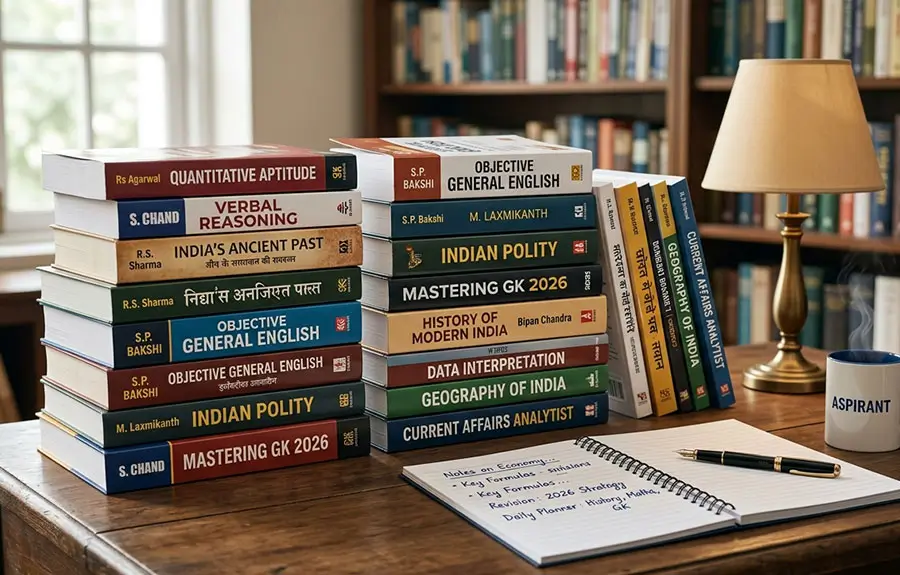
Students preparing for school exams, board examinations, university courses or competitive tests often face an important question while purchasing books: should they buy the latest edition books or can they rely on old edition study books. This confusion is common because academic books are frequently updated by publishers and new editions appear almost every year.
Bookstores and online marketplaces often display several editions of the same book. The latest edition usually costs more, while older editions may be available at lower prices. Students therefore wonder whether the older edition will still be useful for their studies or whether they must purchase the newest version.
The answer depends on several factors including the type of subject, the exam syllabus and how frequently the content changes. Some academic subjects remain stable for many years, while others require frequent updates because new information and exam patterns are introduced.
Understanding the differences between old edition textbooks and latest edition academic books can help students make smarter decisions when buying study material.
Academic publishers regularly release new editions of textbooks and reference books to keep their content updated and relevant. Educational syllabi change over time, and new editions help align study material with these changes.
A latest edition study book may include revised chapters, updated examples, additional practice questions and improved explanations. In some cases, authors also add new topics that were not included in earlier editions.
Another reason for releasing new editions is to correct errors found in previous versions. Authors and publishers may improve diagrams, rewrite explanations or add new exercises based on feedback from students and teachers.
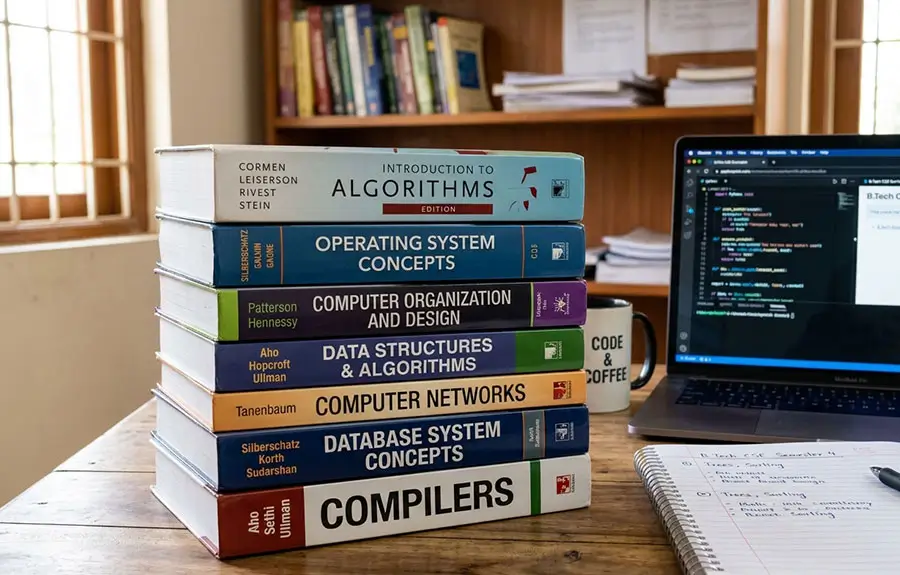
For subjects such as technology, engineering or modern sciences, updates are particularly important because knowledge in these fields evolves rapidly.
Latest edition books offer several advantages for students preparing for exams. One of the biggest benefits is that they usually follow the most recent syllabus and exam pattern.
Educational boards and universities occasionally modify their curriculum by adding new topics or removing outdated content. A latest edition book ensures that students study according to the updated syllabus.
Another advantage is the inclusion of new practice questions. Many updated books include recent exam questions and additional exercises that help students prepare more effectively.
Latest editions may also include improved explanations, updated diagrams and clearer formatting. These improvements make learning easier and help students understand complex concepts more effectively.
For students preparing for competitive exams or professional courses, the latest edition is often the safest choice because exam patterns may change frequently.
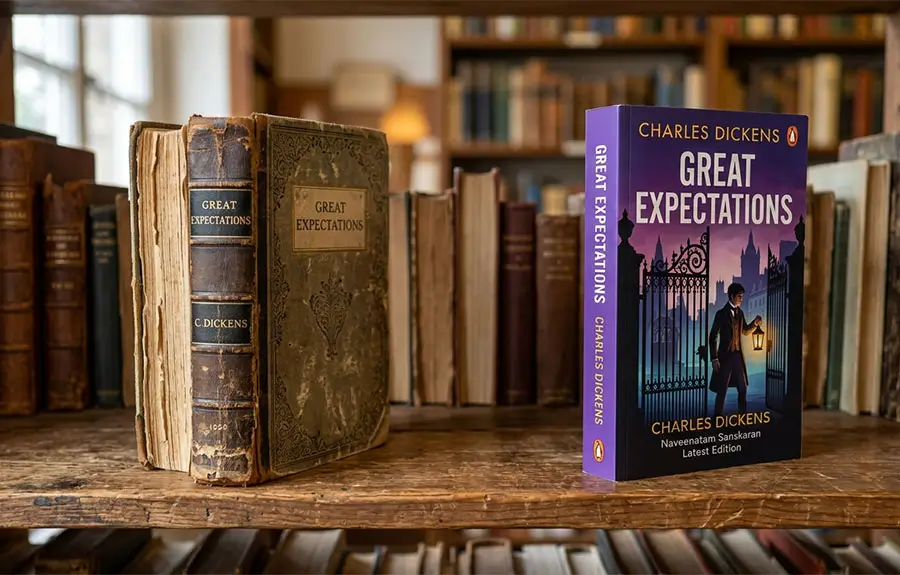
Although latest editions provide updated information, older editions of books are not always useless. In many subjects, the core concepts remain unchanged for several years.
Subjects such as mathematics, physics fundamentals, classical literature and basic science often maintain the same theoretical principles across different editions. In such cases, old edition textbooks can still provide valuable conceptual learning.
Students sometimes purchase older editions because they are available at lower prices. If the syllabus has not changed significantly, these books can still be useful for understanding the subject.
Old edition books can also serve as supplementary reading material alongside newer study resources.
However, students must carefully check whether the syllabus has changed before relying entirely on older editions.
Before deciding between old and new editions, students should always review the official syllabus of their exam or academic course.
The syllabus provides information about the topics that will appear in the examination. If the syllabus has changed recently, it is safer to choose a latest edition exam preparation book that includes updated topics.
Students preparing for government job exams, entrance tests or board examinations should especially pay attention to syllabus changes.
Sometimes older editions may not include new chapters or updated question formats required for the exam.
Checking the syllabus helps students avoid studying outdated content and ensures that their preparation remains aligned with exam requirements.
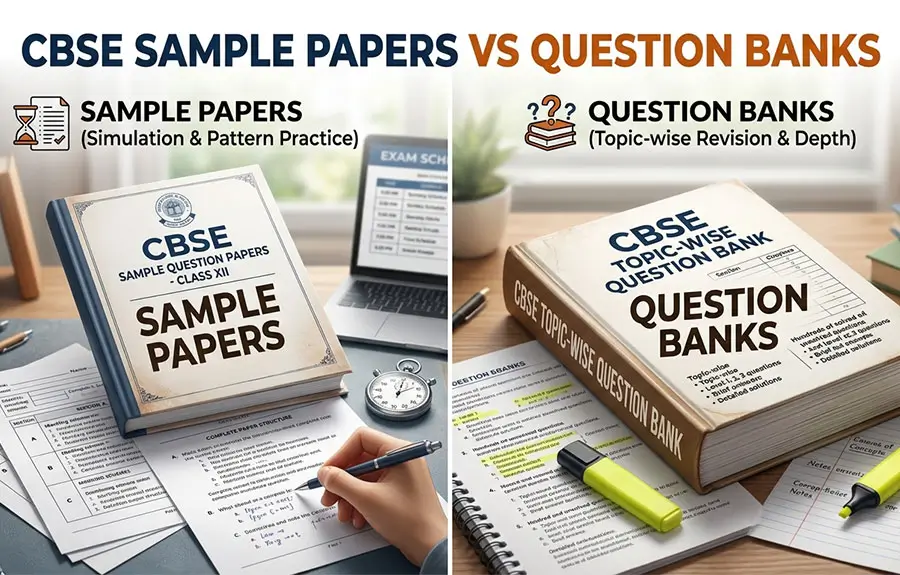
Another important difference between old and new editions is the type of practice questions included in the book. New editions often contain updated question formats that match the latest exam pattern.
For example, competitive exams sometimes introduce objective questions, case study questions or new problem-solving formats. Latest edition books usually include these changes in their practice exercises.
Older editions may contain useful theory but might lack updated question patterns. Students who rely only on older editions may miss exposure to newer exam formats.
Practicing questions from updated books helps students become familiar with the type of questions they may face during the examination.
One reason students consider purchasing old edition books is the price difference. Older editions are often sold at significantly lower prices compared to newly released versions.
Students studying on limited budgets sometimes choose older editions as an economical option. This approach can work well when the subject matter has not changed significantly.
However, saving money should not come at the cost of studying outdated material. Students should always ensure that the content of the book still matches the current syllabus.
Sometimes the additional cost of a latest edition book is justified if it provides updated information and better exam preparation resources.
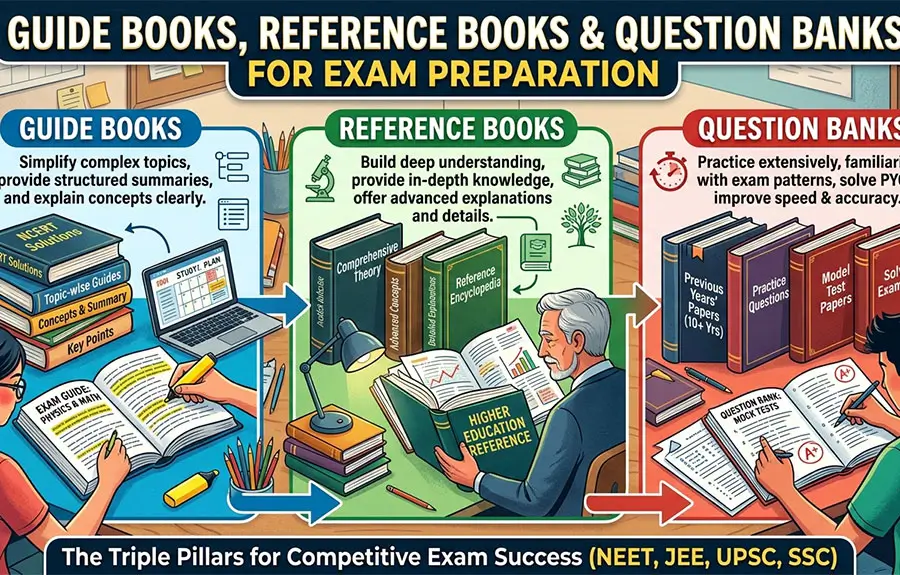
Some students successfully use both older and newer editions during their preparation. For example, they may study theory from an older edition and then practice questions from a latest edition question bank.
This strategy works well for subjects where fundamental concepts remain constant but exam patterns evolve over time.
Students preparing for competitive exams or university courses can use older editions for conceptual clarity and newer editions for updated practice questions.
However, students must maintain consistency and avoid confusion between different editions of the same book.
Selecting the right edition of a study book depends on several factors including syllabus updates, subject type and exam requirements.
Students preparing for exams with frequently changing patterns should prioritize latest edition exam preparation books. These books provide updated information and practice questions aligned with current exam formats.
For subjects where concepts remain stable, older editions may still be useful for learning fundamental principles.
Students should also consider the credibility of the author and publisher when selecting academic books. Reliable publishers usually maintain high standards in both old and new editions.
Choosing the right study material helps students prepare effectively and approach exams with greater confidence.
Regardless of whether a book is an old edition or a latest edition, the quality of the content remains the most important factor. Books written by experienced educators and subject experts usually provide clearer explanations and better practice exercises.
Students preparing for school exams, board examinations or competitive tests should focus on high-quality study material rather than collecting too many books.
A disciplined study plan combined with reliable books helps students build strong conceptual understanding and perform well in examinations.
By understanding the differences between old and new editions, students can make informed decisions when purchasing study books and ensure that their preparation remains effective and up to date.
Latest editions include updated content and improved explanations.
Yes, if the syllabus has not changed significantly.
To update content, correct errors and include new exam patterns.
It is recommended when the syllabus or exam pattern changes.
Yes, many fundamental concepts remain the same across editions.
Yes, they often include recent exam questions.
Because newer editions replace them in bookstores.
Only if the syllabus and exam pattern remain unchanged.
Yes, many students use them together for theory and practice.
Students can purchase them from trusted online bookstores.

We offer fast delivery.

We offer E-Gift Cards.

Dedicated 24/7 support.

100% secure payment.

 My Order
  0
0