Every year, thousands of graduates aspire to secure a prestigious position in the Rajasthan Administrative Services (RAS) through one of the most competitive state-level examinations in India. Conducted by the Rajasthan Public Service Commission (RPSC), the RAS examination is the gateway to several administrative and allied services in the state. Due to increasing competition, clearing the examination requires much more than hard work. Aspirants must understand the syllabus thoroughly, prepare according to the official exam pattern, and build a study strategy that covers every important topic without wasting valuable time.
Many beginners make the mistake of starting their preparation without studying the official syllabus. They rely on random online resources or coaching material without identifying what the examination actually demands. This often results in spending weeks reading topics that carry very little weight while ignoring subjects that appear regularly in the examination.
Understanding the RAS Prelims syllabus is the first step toward effective preparation. Every subject included in the syllabus contributes to evaluating a candidate's awareness, analytical ability, reasoning skills, and understanding of Rajasthan along with national and international affairs. Candidates who build their preparation around the official syllabus are far more likely to remain focused throughout the preparation journey.
Whether you are beginning your preparation for the first time or planning another attempt, understanding the complete examination pattern, marking scheme, subject-wise syllabus, and preparation strategy can significantly improve your chances of success.
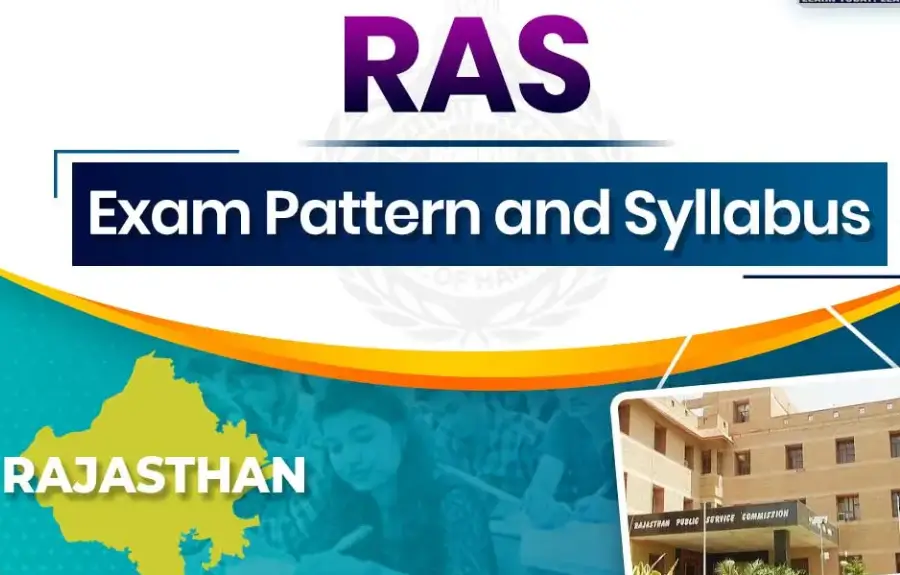
Before selecting books or creating a study schedule, candidates should understand how the RAS Preliminary Examination is conducted. The examination serves as the screening stage for selecting candidates eligible to appear for the Main Examination. Although marks obtained in the Preliminary Examination generally do not contribute to the final merit list, clearing this stage is essential because only qualified candidates move forward in the selection process.
The Preliminary Examination consists of a single objective-type paper covering General Knowledge and General Science. Questions are designed to evaluate conceptual understanding rather than simple memorization. Candidates are expected to demonstrate awareness of history, geography, economics, political systems, science, current affairs, Rajasthan-specific topics, and environmental issues.
The objective nature of the examination means that every question must be answered carefully. Accuracy becomes just as important as speed because incorrect responses may reduce the overall score if negative marking is applicable according to the official notification. Candidates should therefore balance speed with careful decision-making instead of attempting every question without proper analysis.
Time management is another critical factor during the examination. Even well-prepared candidates sometimes struggle because they spend excessive time on difficult questions. Developing the ability to identify easier questions first and returning to challenging ones later often improves overall performance.
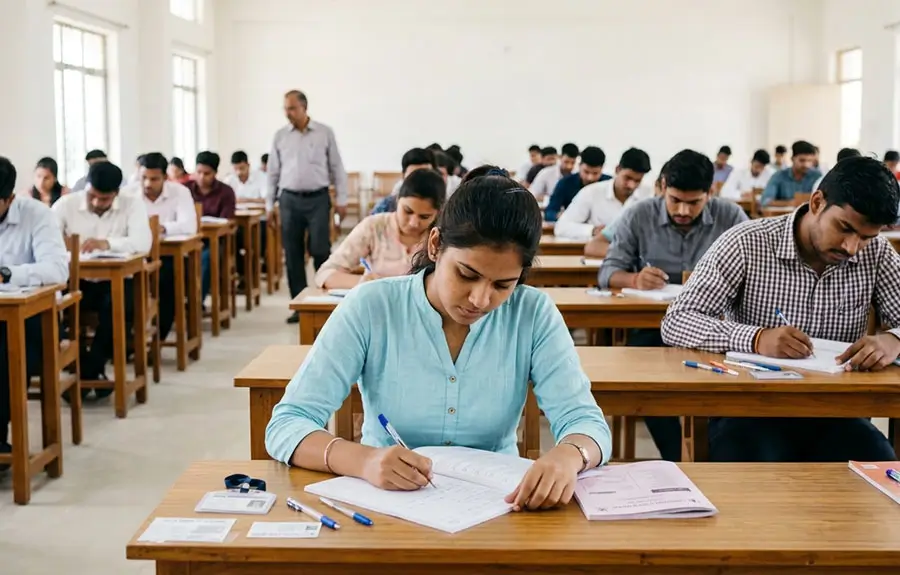
Mock tests play an important role in understanding the examination pattern. Practicing examination-level questions under timed conditions helps candidates become familiar with the actual environment while improving confidence and reducing examination stress.
Understanding the examination pattern also helps aspirants prepare according to the weightage of different subjects rather than studying every topic with equal intensity.
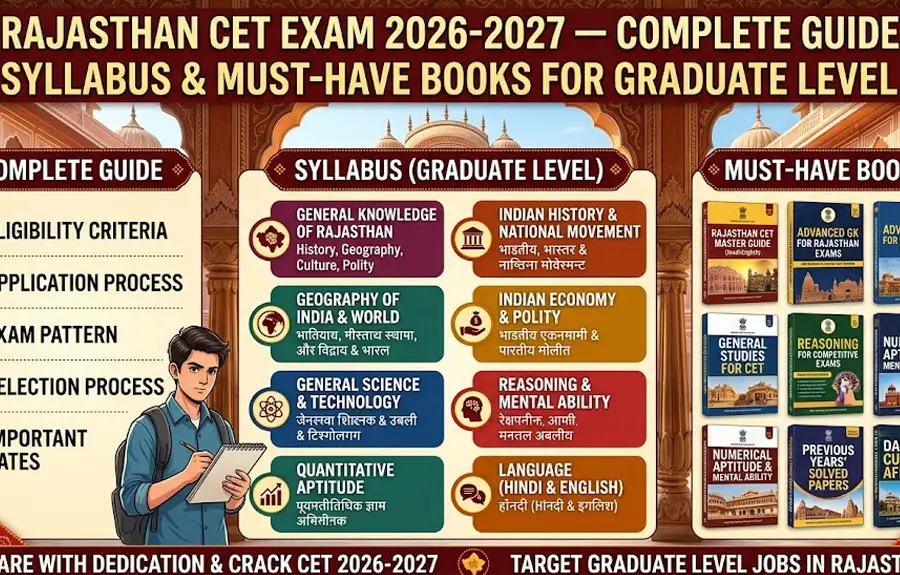
The RAS syllabus covers a wide range of subjects, making systematic preparation essential. Instead of studying topics randomly, aspirants should organize preparation according to major subject areas mentioned in the official syllabus.
History forms an important section of the examination. Candidates should develop a strong understanding of Ancient India, Medieval India, Modern Indian History, the Indian Freedom Movement, and the historical development of Rajasthan. Important personalities, cultural heritage, significant movements, architecture, literature, and historical events deserve special attention.
Geography includes both Indian and Rajasthan geography. Candidates should understand physical features, rivers, climate, agriculture, mineral resources, industries, population distribution, natural vegetation, transportation, environmental issues, and geographical characteristics unique to Rajasthan.
Another important subject is Indian Polity and Governance. Aspirants should study the Constitution, Fundamental Rights, Directive Principles, Parliament, Judiciary, Election Commission, Constitutional Bodies, Local Self Government, Panchayati Raj Institutions, administrative structure, and important governance initiatives.
Indian Economy requires conceptual understanding rather than factual memorization. Topics such as national income, budgeting, inflation, taxation, banking, economic reforms, agriculture, industrial development, rural economy, financial institutions, government schemes, and sustainable development frequently become relevant during preparation.
Candidates should also prepare General Science with emphasis on everyday scientific applications rather than advanced technical concepts. Physics, Chemistry, Biology, Environmental Science, Health, Biotechnology, and recent scientific developments should all receive balanced attention.
Rajasthan-specific topics remain one of the most distinguishing features of the examination. Candidates should thoroughly study Rajasthan's history, geography, economy, art and culture, folk traditions, administrative system, tourism, festivals, literature, handicrafts, wildlife, irrigation projects, and socio-economic development.
Current affairs complete the syllabus by connecting static subjects with recent national, international, economic, environmental, scientific, and governmental developments. Instead of relying solely on monthly magazines, candidates should regularly follow quality newspapers and authentic government sources to remain updated.
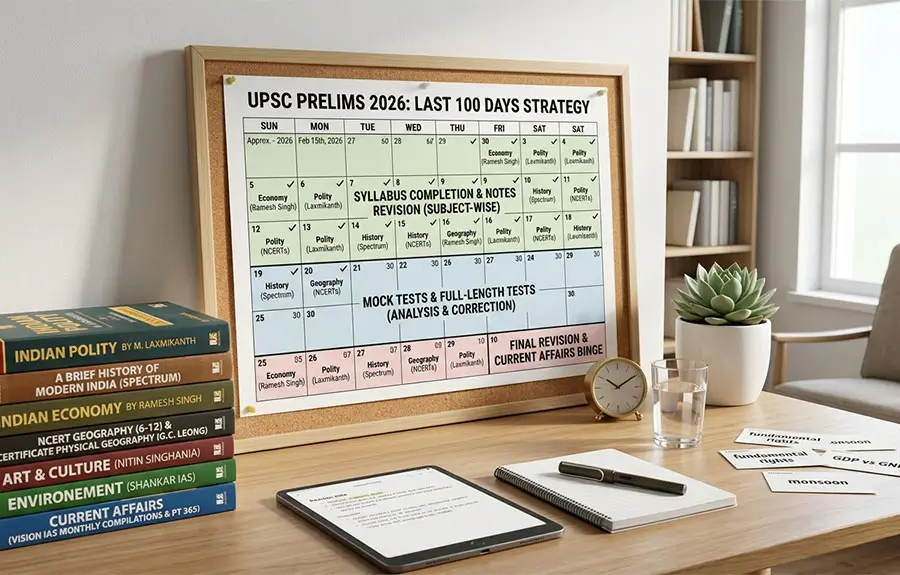
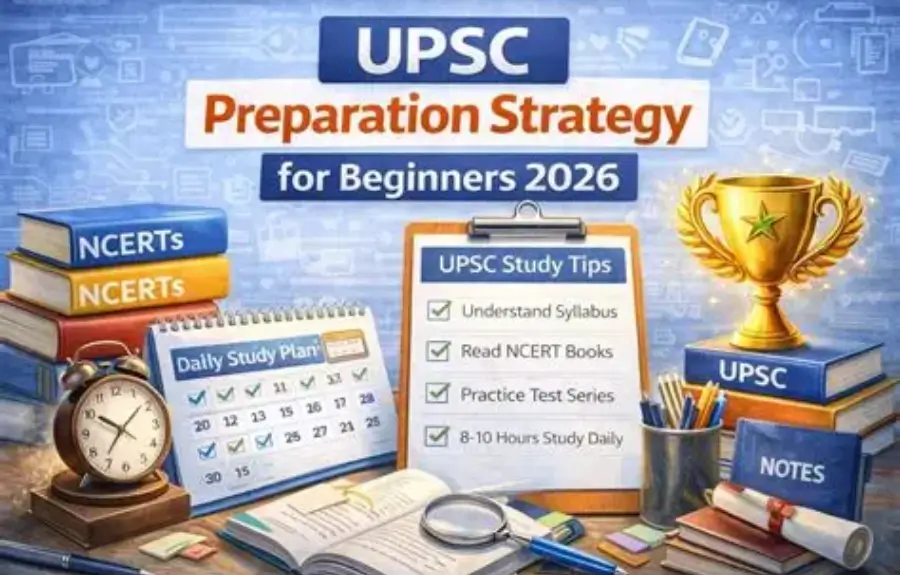
Preparing for the RAS Preliminary Examination becomes much easier when candidates follow a structured approach instead of trying to cover every available resource. One of the biggest mistakes made by aspirants is collecting too many books and study materials before understanding the syllabus. This often leads to confusion, incomplete preparation, and unnecessary stress.
A better strategy is to divide the syllabus into manageable sections and assign sufficient time to every subject. Core subjects such as History, Geography, Indian Polity, Economy, General Science, and Rajasthan General Knowledge should receive regular attention throughout the preparation period. Instead of completing one subject entirely before moving to another, candidates should rotate subjects during the week to maintain consistency and avoid monotony.
Current affairs should become part of the daily routine rather than being postponed until the last few weeks before the examination. Reading a reliable newspaper and maintaining concise notes on government schemes, economic developments, environmental issues, international relations, and Rajasthan-specific news helps improve long-term retention.
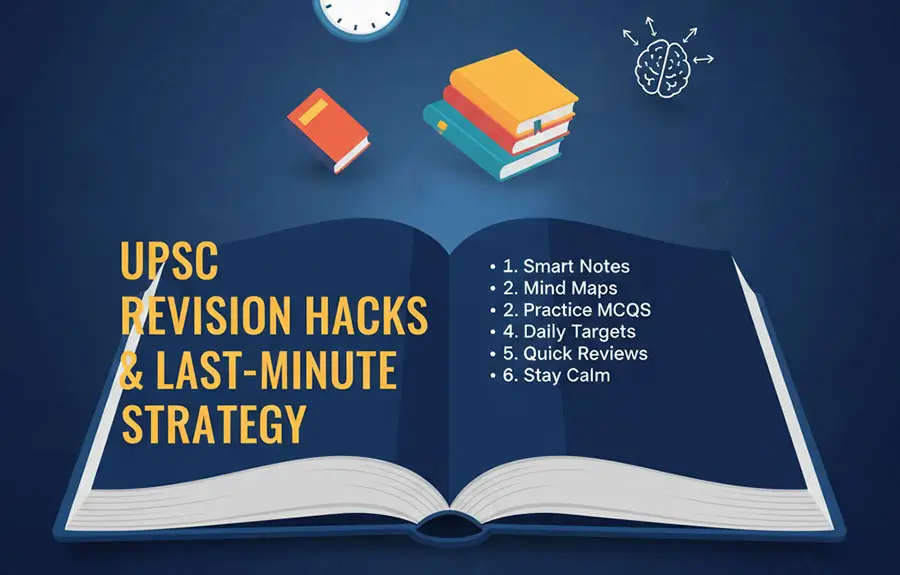
Revision is another essential component of preparation. Reading new topics every day without revisiting previously covered material weakens memory and reduces confidence. Successful candidates usually revise every subject multiple times before the examination. Preparing short handwritten notes during the first reading makes future revision much faster and more effective.
Mock tests should also become an integral part of the study plan. Attempting full-length tests under examination conditions improves time management, identifies weak areas, and builds confidence. Candidates should carefully analyse every mock test instead of focusing only on scores. Understanding mistakes helps improve conceptual clarity and prevents repeating similar errors during the actual examination.
Consistency remains the key to success. Studying regularly with a practical timetable produces far better results than following unrealistic schedules that become impossible to maintain after a few weeks.
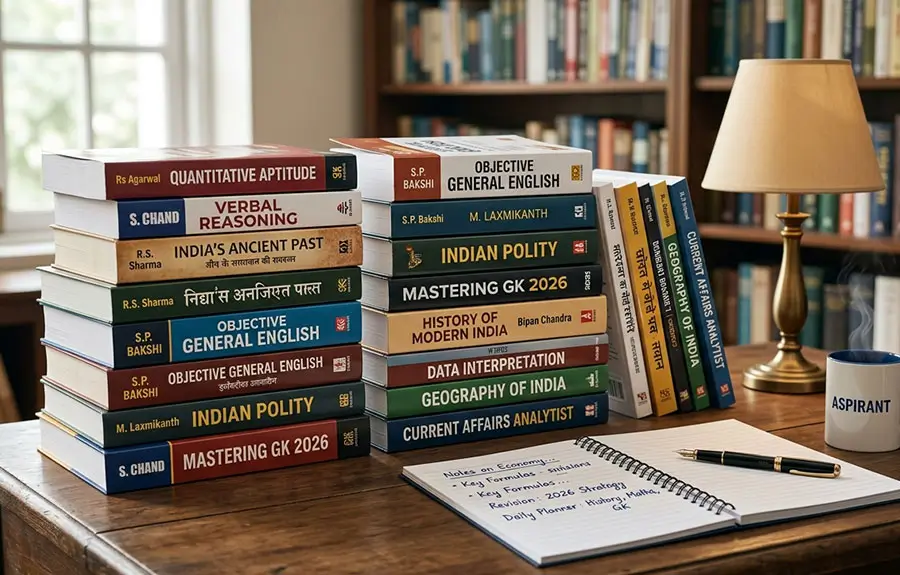
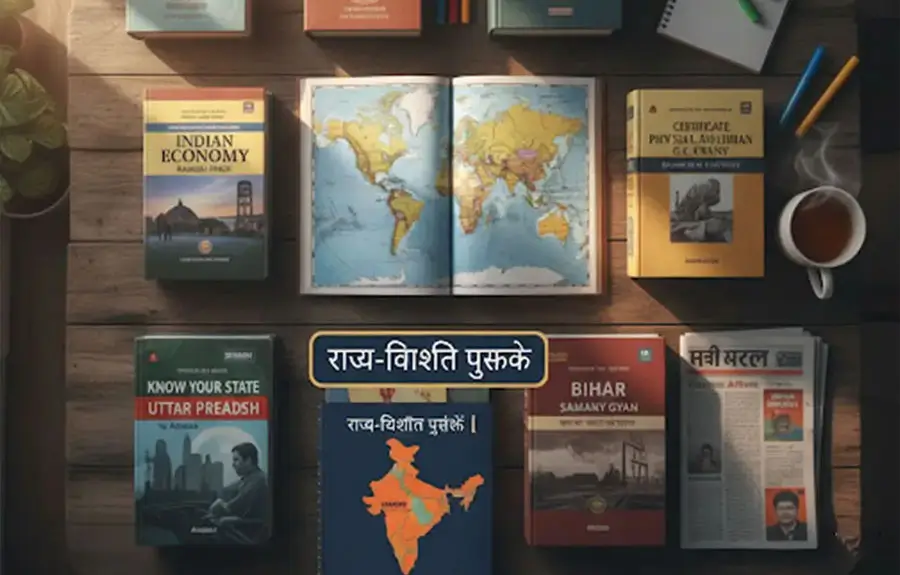
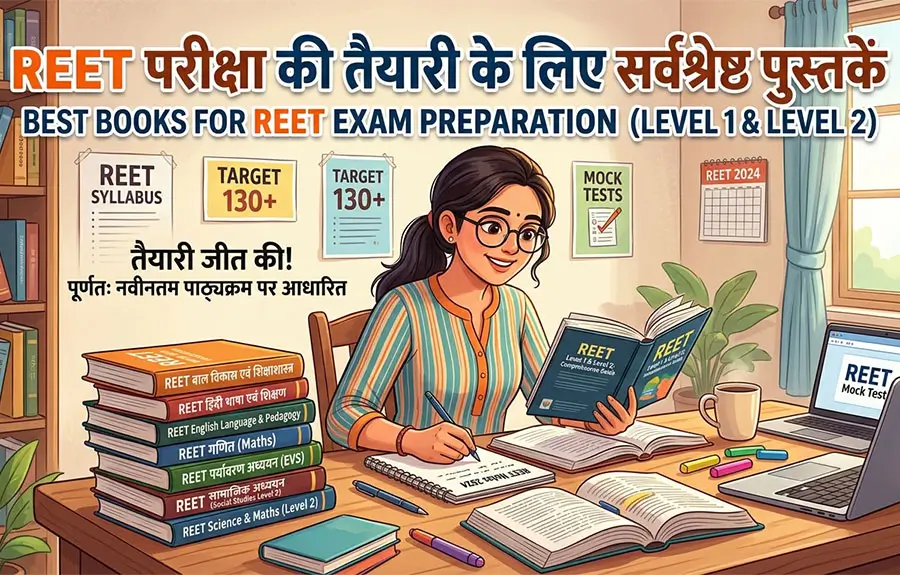
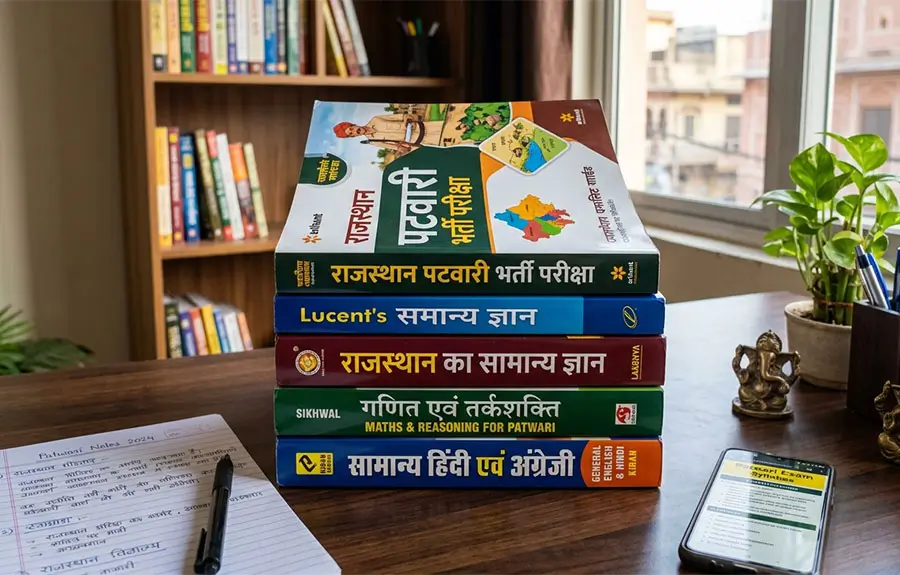
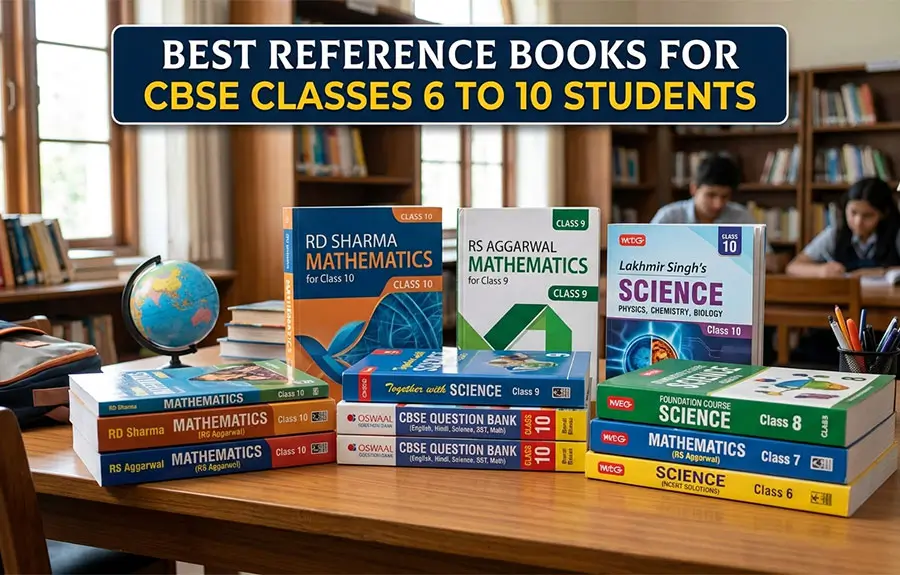
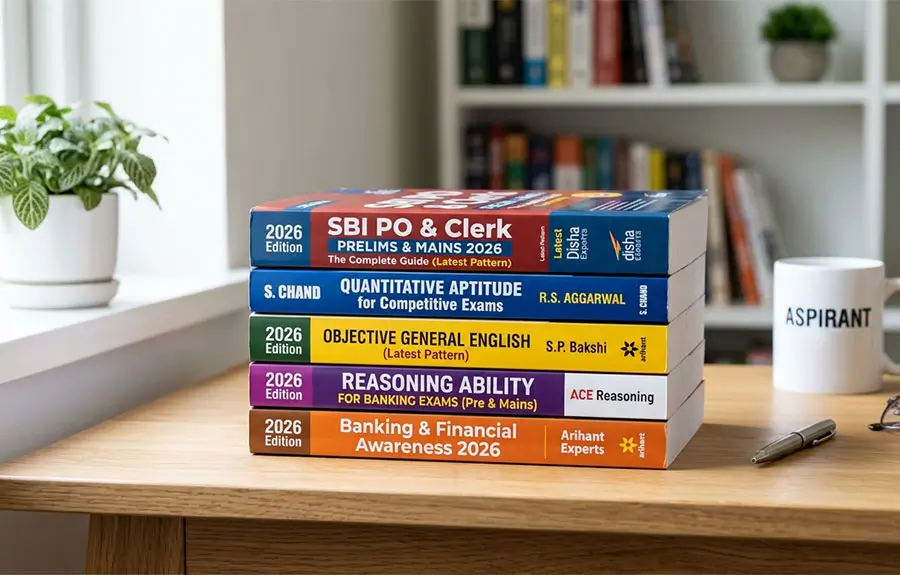
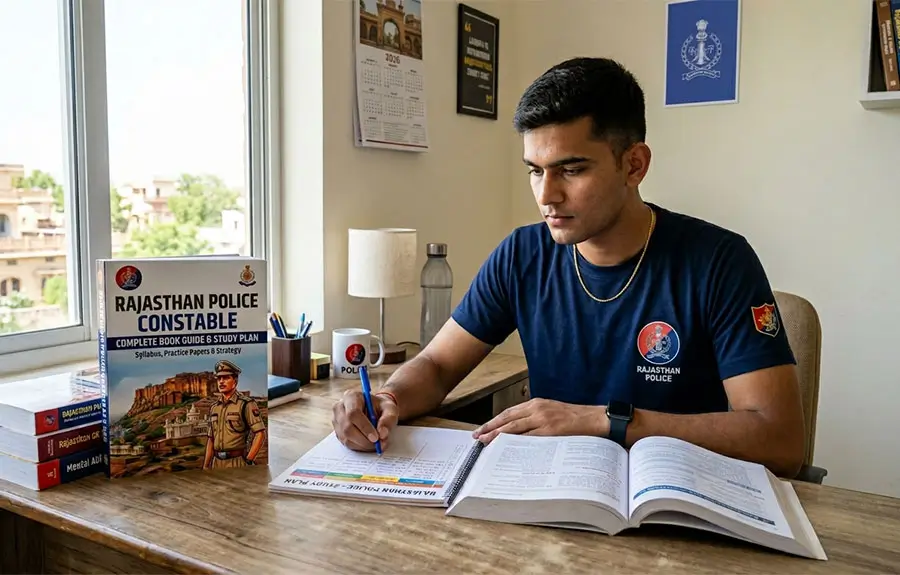
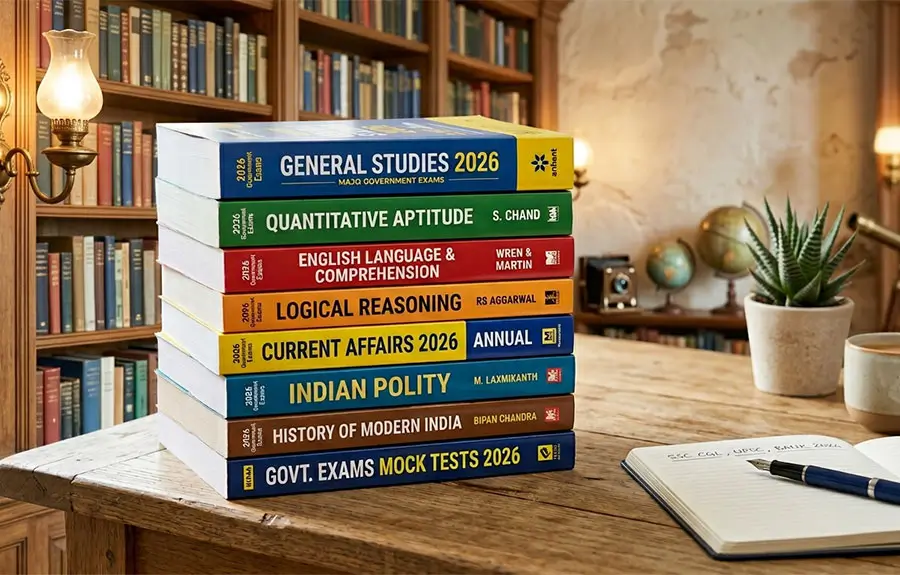
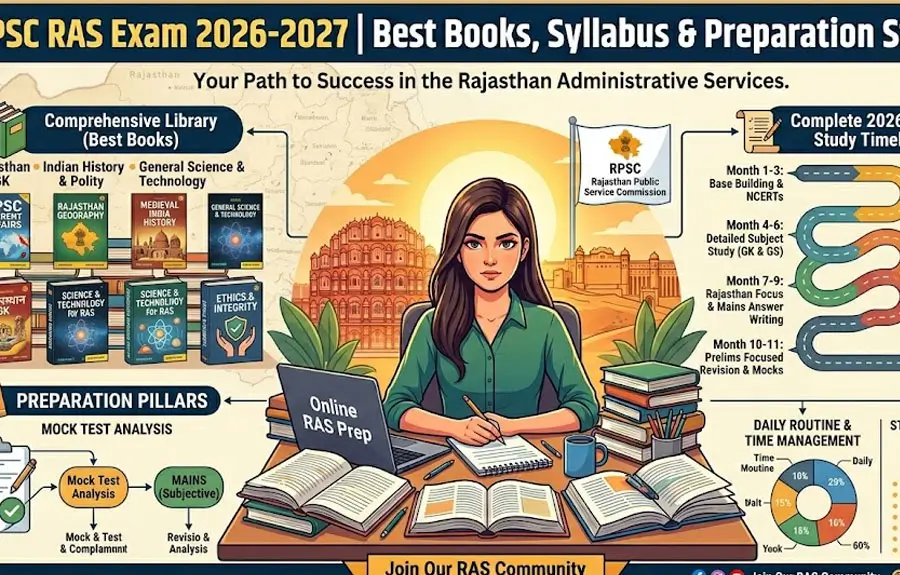
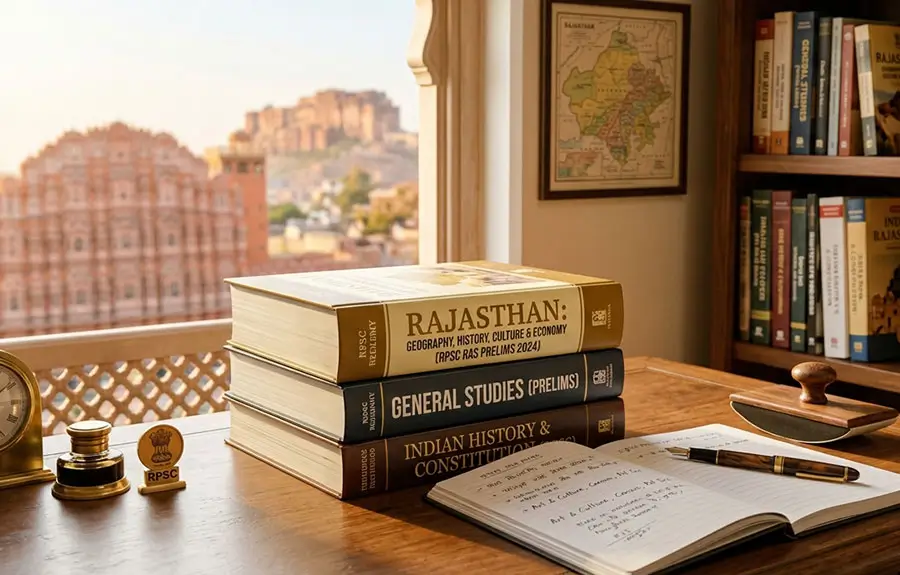
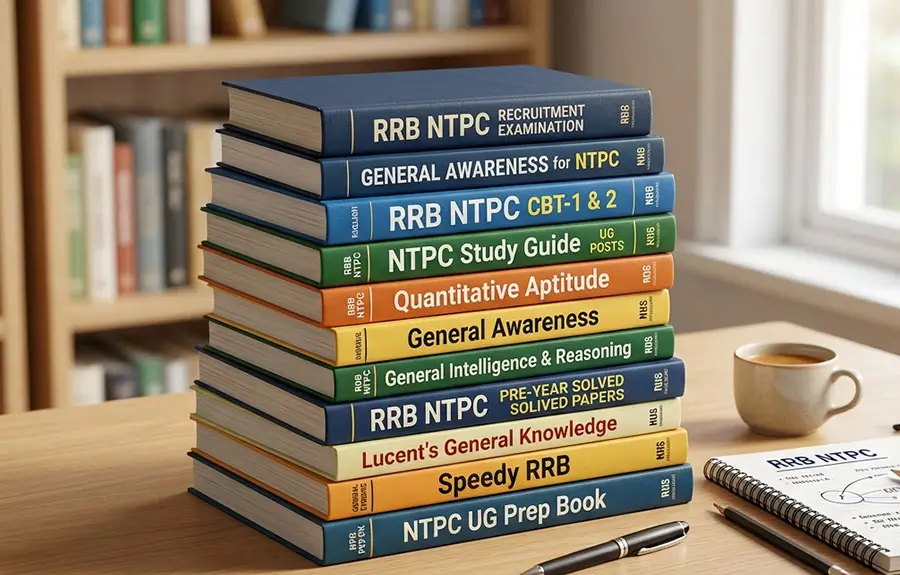
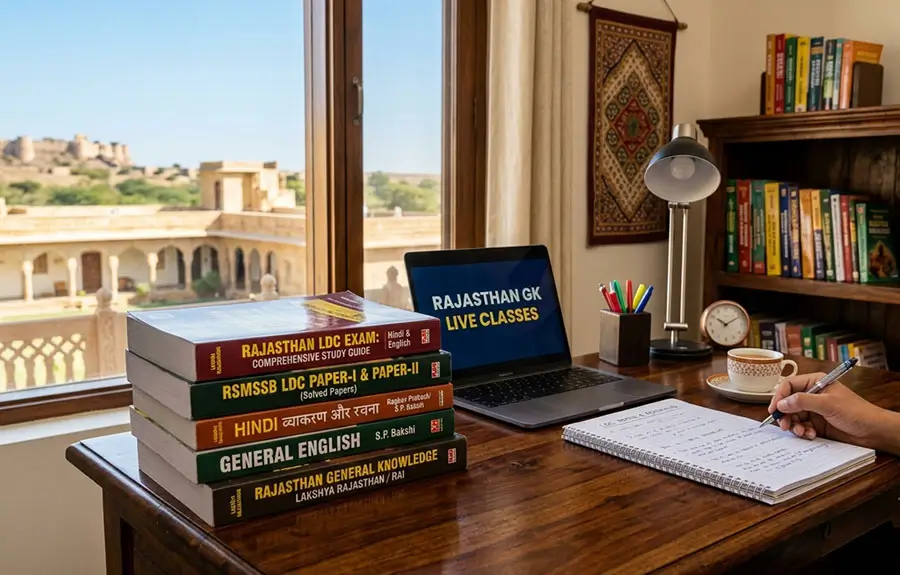
Choosing the right RAS preparation books is one of the most important decisions during the preparation journey. Many beginners believe that purchasing a large number of books automatically improves preparation. In reality, mastering a limited collection of reliable resources is much more effective.
For History, candidates should focus on books that provide clear explanations of Ancient, Medieval, Modern Indian History, and Rajasthan History. Understanding historical events, freedom movements, cultural developments, and important personalities is more valuable than memorising isolated facts.
For Indian Polity, a standard reference book explaining the Constitution, governance, Parliament, Judiciary, Fundamental Rights, Directive Principles, and constitutional institutions should become the primary resource. Aspirants should regularly revise important constitutional provisions because they frequently appear in competitive examinations.
A reliable Indian Economy book is equally important for understanding concepts such as inflation, banking, budgeting, taxation, economic reforms, agriculture, industrial development, and financial institutions. Candidates should also connect economic concepts with recent government initiatives and current affairs.
For Geography, preparation should include Indian geography along with detailed knowledge of Rajasthan's physical features, climate, rivers, agriculture, industries, mineral resources, transportation, and environmental conditions.
General Science preparation should focus on conceptual understanding instead of advanced scientific theory. Everyday applications, environmental science, biology, health, space technology, and recent scientific developments deserve regular attention.
Rajasthan-specific books covering Art and Culture, History, Geography, Economy, Tourism, Folk Traditions, Festivals, Literature, and Administrative Structure should also become part of the preparation strategy because state-specific questions remain one of the defining features of the RAS examination.
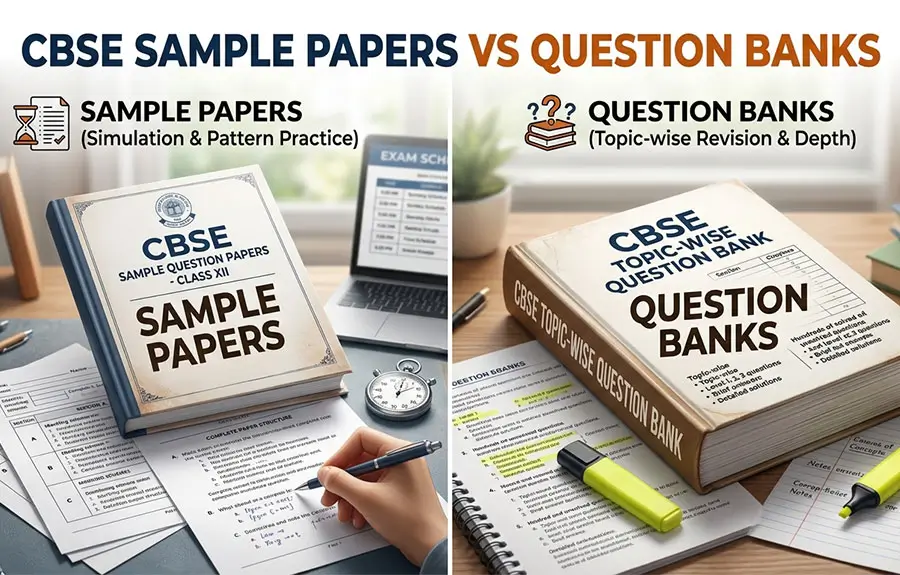
Apart from textbooks, Previous Year Question Papers remain one of the most valuable preparation resources. They reveal important topics, examination trends, and the level of conceptual understanding expected from candidates.
Many aspirants prepare sincerely but still fail to qualify because of avoidable mistakes. Identifying these errors early can significantly improve examination performance.
One of the most common mistakes is ignoring the official syllabus. Candidates often spend excessive time studying topics that rarely appear while overlooking important syllabus areas. Every study session should remain connected to the official syllabus to ensure efficient preparation.
Another frequent mistake is depending entirely on coaching notes without building conceptual understanding. Coaching material may simplify revision, but strong fundamentals remain essential for answering analytical questions.
Candidates also underestimate the importance of Rajasthan General Knowledge. Since this examination specifically focuses on the state, detailed knowledge of Rajasthan's geography, history, economy, culture, administration, wildlife, irrigation, and socio-economic development becomes essential. Ignoring these areas often leads to significant loss of marks.
Poor revision habits create another major challenge. Completing the syllabus only once rarely produces satisfactory results. Continuous revision strengthens memory and improves confidence before the examination.
Some aspirants avoid solving mock tests because they fear low scores. This approach prevents them from identifying weaknesses. Mock examinations should be treated as learning opportunities rather than performance evaluations. Every mistake made during practice reduces the possibility of making the same mistake in the actual examination.
Another common problem is spending excessive time on difficult questions during the examination. Smart candidates first solve questions they know confidently and return to challenging questions later if time permits. This strategy improves both accuracy and overall score.
Maintaining physical health, proper sleep, and mental well-being is equally important because long-term preparation demands sustained concentration and discipline.
A thorough understanding of the syllabus, consistent revision, regular practice through mock tests, and disciplined preparation remain the most important factors for success.
Yes. Mock tests improve time management, accuracy, confidence, and help identify weak areas before the actual examination.
Read a reliable newspaper regularly, follow important government updates, maintain concise notes, and connect current events with static subjects.
The RAS Preliminary Examination is the first stage of the Rajasthan Administrative Services recruitment process conducted by the Rajasthan Public Service Commission (RPSC) to shortlist candidates for the Main Examination.
Yes. The Preliminary Examination consists of objective-type multiple-choice questions covering General Knowledge and General Science.
Yes. Rajasthan-specific topics including history, geography, economy, culture, administration, literature, tourism, and current developments form an important part of the syllabus.
Absolutely. Understanding the official syllabus before purchasing books or joining coaching helps candidates prepare more efficiently.
They are extremely valuable because they help candidates understand examination trends, important topics, and the level of conceptual clarity required.
Yes. Many successful candidates qualify through disciplined self-study supported by quality books, mock tests, newspapers, and consistent revision.
Candidates should focus on History, Geography, Indian Polity, Economy, General Science, Current Affairs, and Rajasthan General Knowledge.

We offer fast delivery.

We offer E-Gift Cards.

Dedicated 24/7 support.

100% secure payment.

 My Order
  0
0