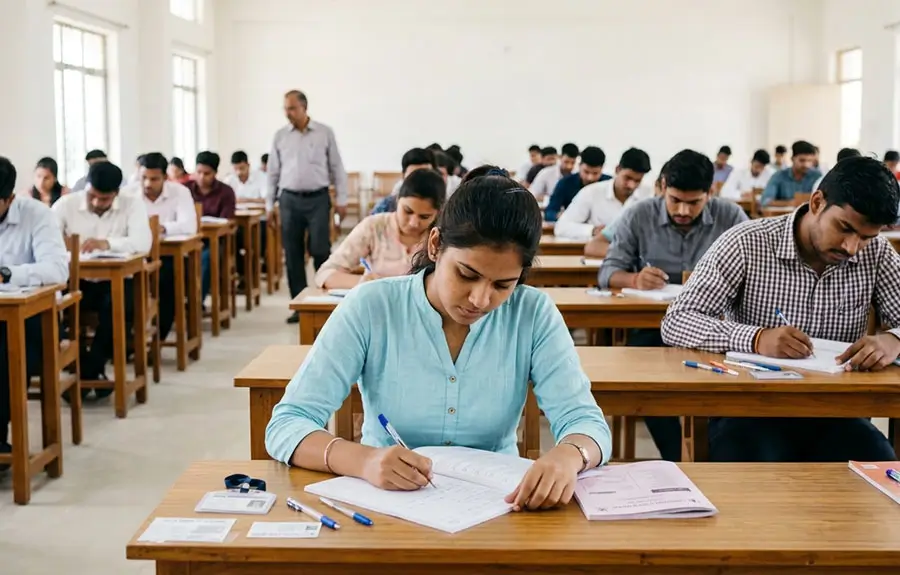
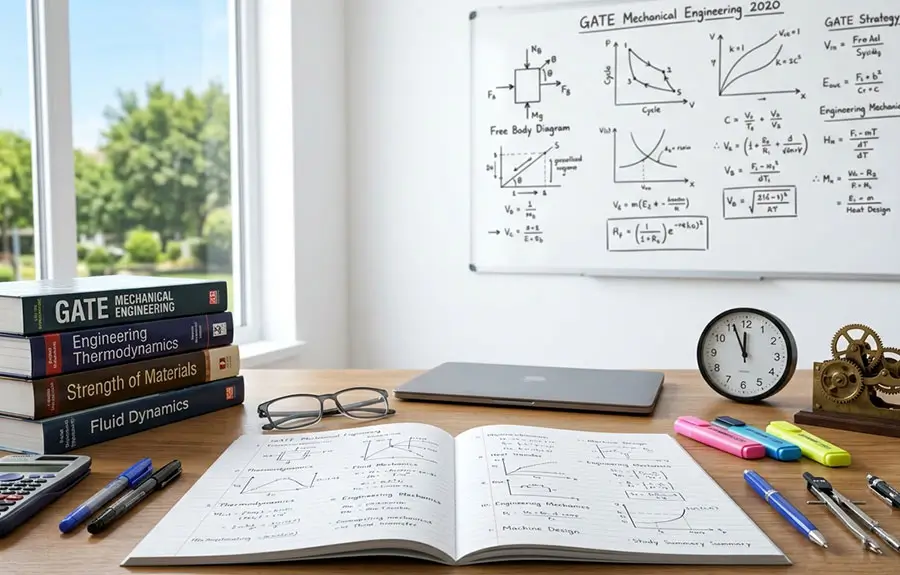
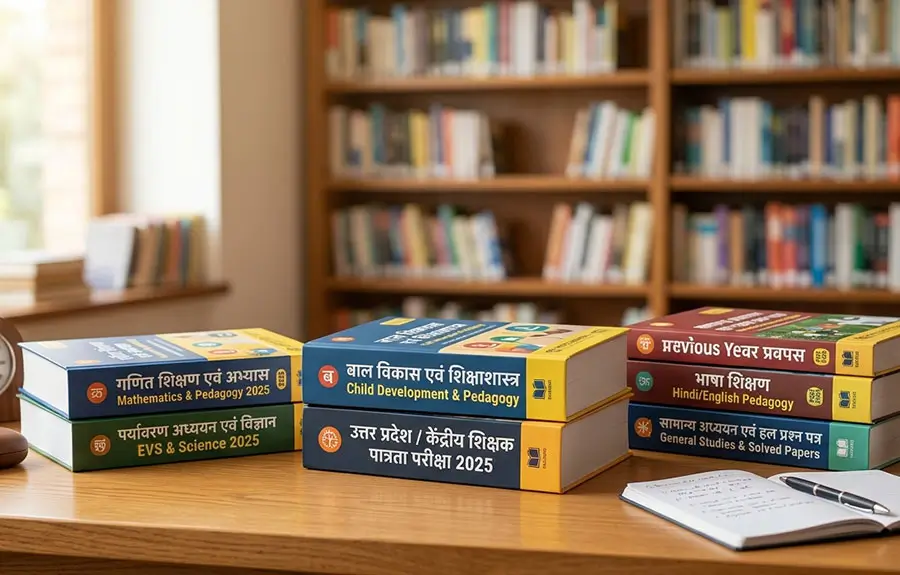
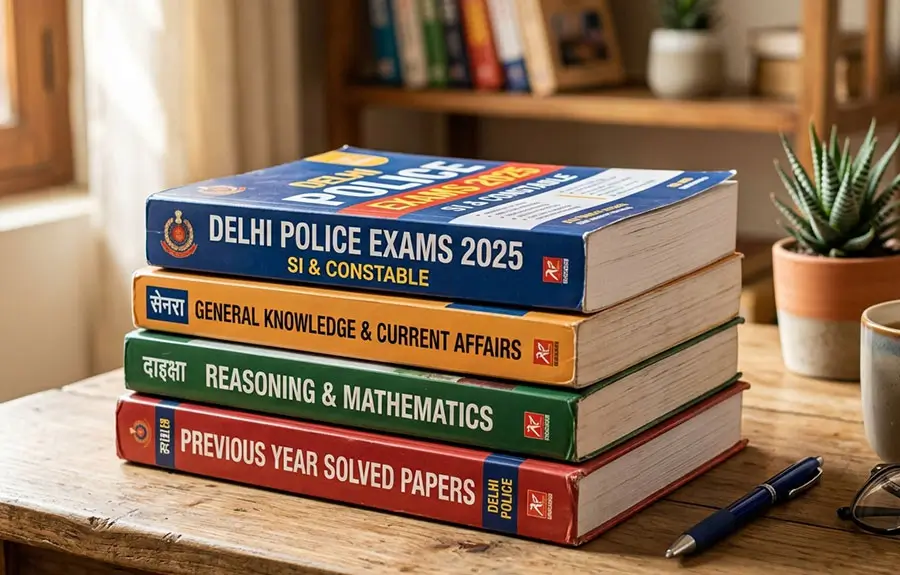
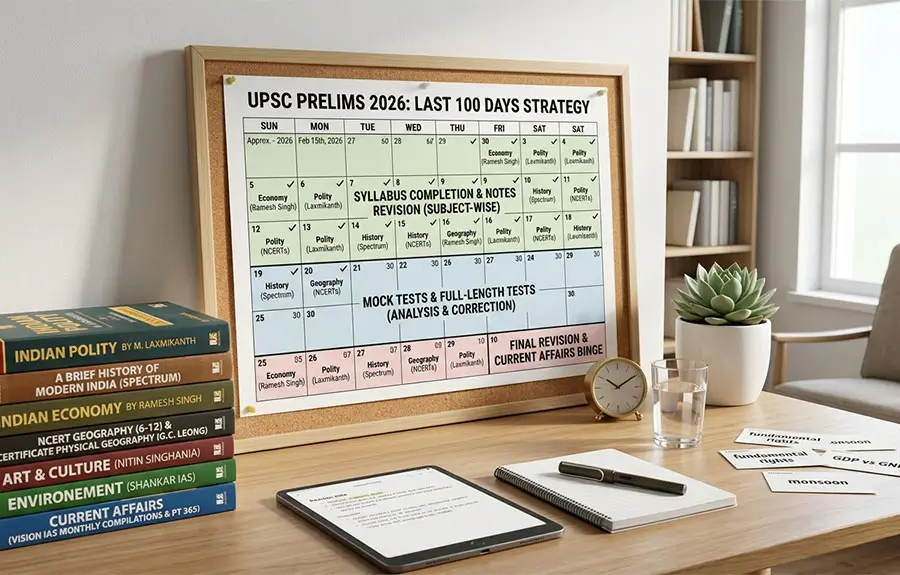
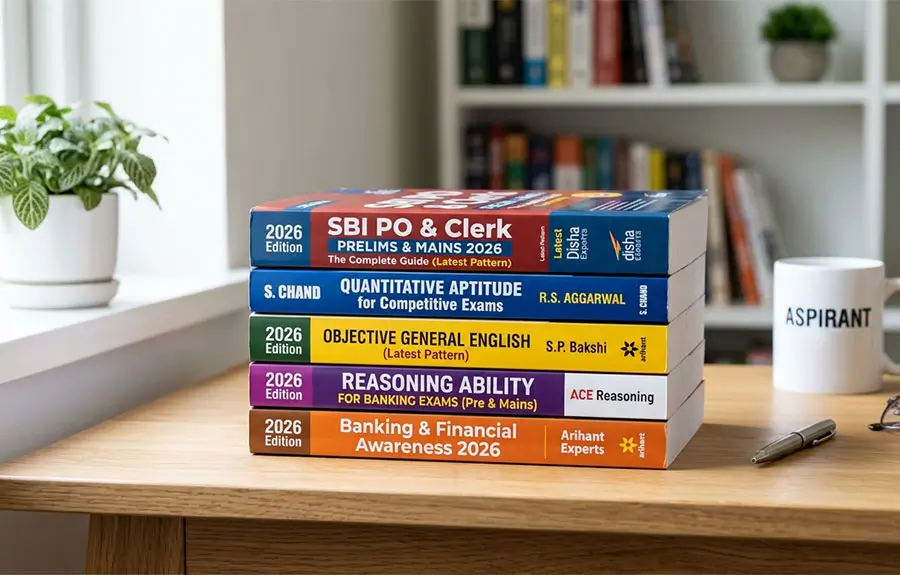
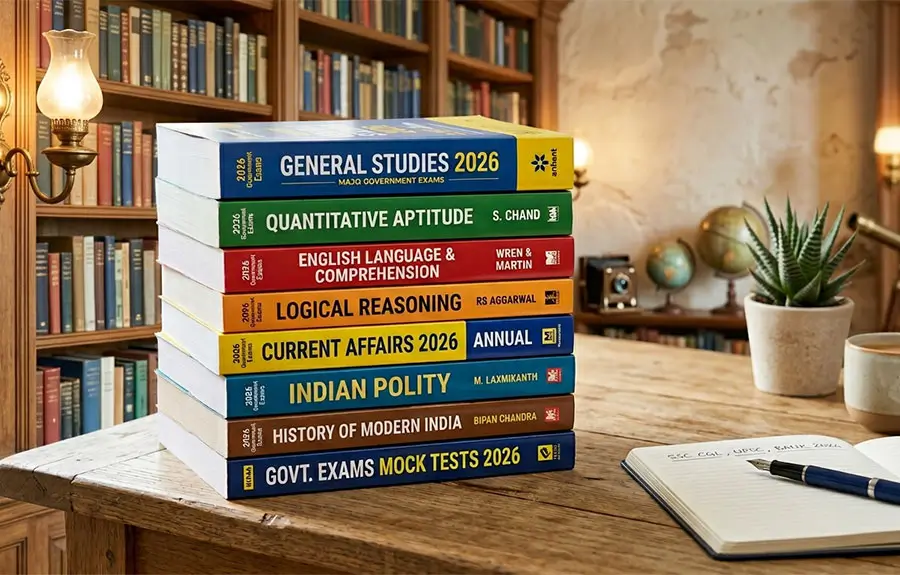
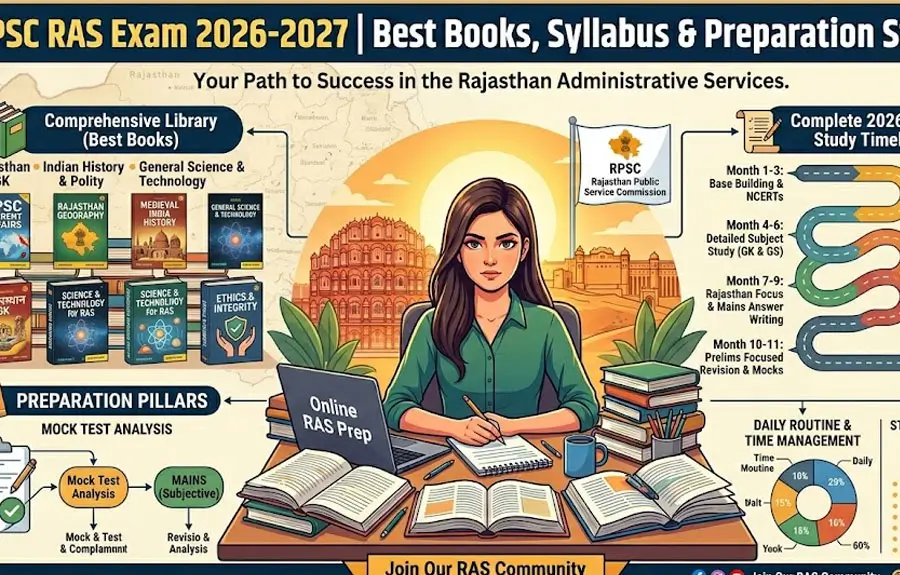
Preparing for a competitive exam while managing a full-time job is one of the most demanding challenges an aspirant can face. Unlike full-time students who can dedicate most of their day to studying, working professionals must balance office responsibilities, commuting, family commitments, personal health, and exam preparation within the same twenty-four hours. Many candidates initially believe that clearing examinations such as UPSC, SSC CGL, Bank PO, Railway Recruitment, State PSC, UGC NET, Insurance Exams, or other government recruitment examinations is impossible while working. However, every year, thousands of successful candidates prove that disciplined planning and consistent effort matter far more than the number of hours available.
One of the biggest misconceptions among working professionals is that they need to study for ten or twelve hours every day to compete with full-time aspirants. In reality, the quality of study sessions, proper revision, and efficient use of available time contribute much more to success than long but unproductive study schedules.
Working professionals often possess advantages that many students overlook. Professional experience develops discipline, problem-solving abilities, patience, and responsibility. These qualities become valuable throughout the preparation journey. The challenge is not finding unlimited time but learning how to utilize existing time efficiently.
A successful preparation strategy should fit naturally into daily life rather than disrupting it completely. Attempting unrealistic routines usually results in exhaustion and loss of motivation within a few weeks. Sustainable preparation focuses on consistency, gradual improvement, and maintaining a healthy balance between professional responsibilities and examination goals.
Whether you have recently started preparing or have been postponing your dream because of work commitments, understanding the right preparation strategy can help you make steady progress without sacrificing your career.
Many working professionals become discouraged because they compare themselves with full-time aspirants studying throughout the day. This comparison creates unnecessary pressure and often leads to unrealistic expectations. The first step toward effective competitive exam preparation is accepting that your strategy must be different.
Instead of measuring success by study hours alone, focus on productive learning. Two well-planned hours every day can produce better results than six distracted hours filled with interruptions. Working professionals generally learn to value time because their schedules naturally demand efficiency. This advantage should become part of the preparation strategy.
Creating a routine that matches office timings is essential. Some candidates perform better during early mornings before work begins, while others concentrate more effectively after returning home. Identifying personal productivity patterns helps maximize learning without causing unnecessary fatigue.
Weekend planning is equally important. Holidays provide opportunities to revise completed topics, solve mock tests, read current affairs, practice answer writing, and strengthen weaker subjects. Instead of treating weekends as opportunities to study continuously for long hours, divide them into balanced sessions that maintain concentration throughout the day.
Consistency matters far more than occasional intensive study sessions. Missing several weekdays and attempting to compensate by studying for an entire weekend rarely produces satisfactory results. Small but regular progress gradually builds confidence while preventing burnout.
Working professionals should also communicate their goals with family members whenever possible. A supportive environment reduces unnecessary distractions and allows dedicated study time to become part of the daily routine.
One of the biggest mistakes made by working aspirants is copying study plans designed for full-time students. Such schedules often require long uninterrupted study hours that are simply impossible for professionals managing office responsibilities.
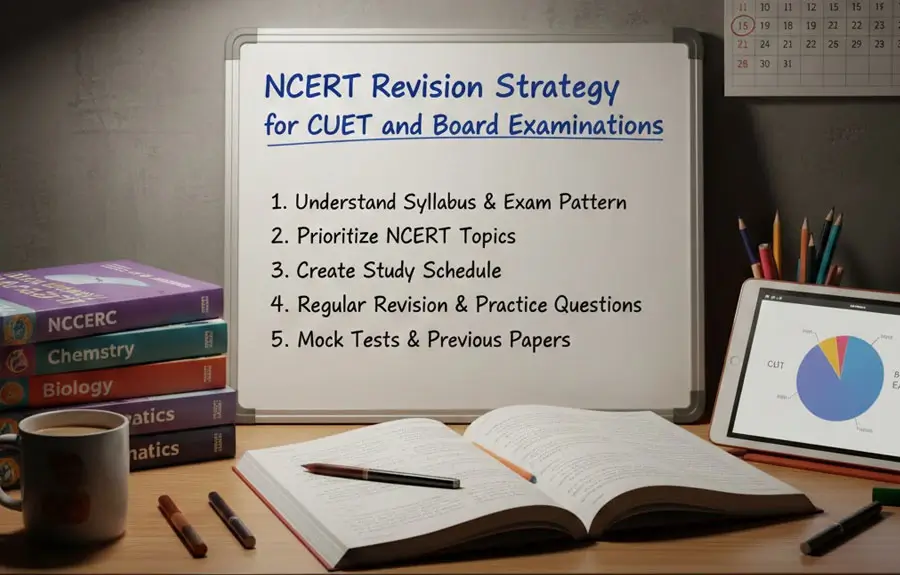
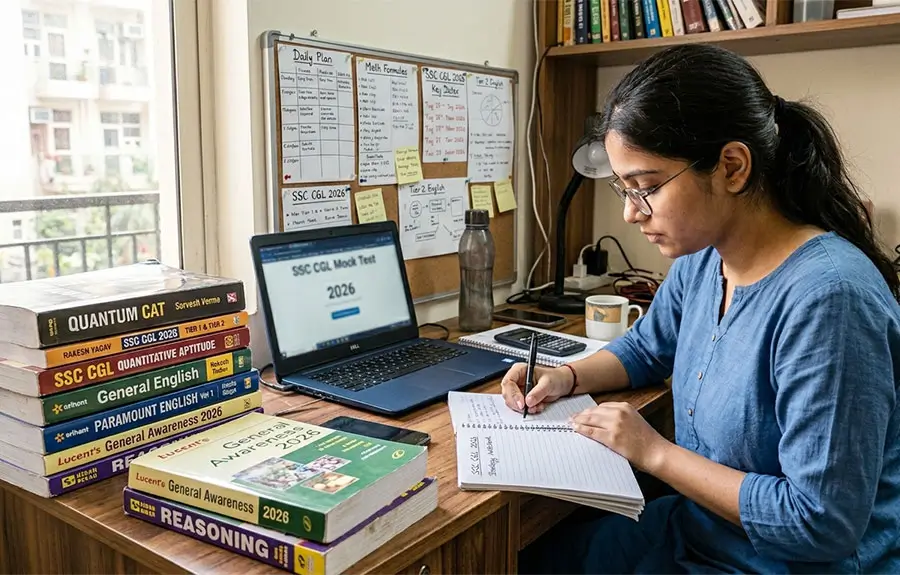
A practical timetable should begin by identifying fixed commitments such as office hours, commuting, meals, family responsibilities, and sleep. The remaining time should then be distributed among important preparation activities including subject study, current affairs, revision, and practice questions.
Morning study sessions usually offer better concentration because the mind remains fresh before work-related responsibilities begin. Even a focused session dedicated to reading Indian Polity, History, Quantitative Aptitude, Reasoning, or English Language can create steady progress over several months.
Commuting time should never be wasted. Candidates travelling by public transport can revise digital notes, listen to educational podcasts, review vocabulary, read newspapers, or solve objective questions using mobile applications. Small study sessions accumulated throughout the day significantly increase overall preparation time.
Evening study should concentrate on revision rather than beginning completely new topics after an exhausting workday. Reviewing previously studied material strengthens memory while requiring comparatively less mental effort.
Creating weekly goals instead of rigid daily targets also improves flexibility. Unexpected office meetings, deadlines, or travel may occasionally disrupt daily plans. Weekly planning allows candidates to adjust without feeling discouraged.
Another useful strategy involves assigning specific subjects to different days of the week. This rotation keeps preparation balanced while preventing boredom associated with studying the same topic repeatedly.
A timetable should always remain realistic. Following a practical schedule consistently for several months produces far better results than abandoning an overly ambitious routine after only a few weeks.
The biggest challenge for working professionals is not the lack of motivation but the lack of available time. Every day is divided between office responsibilities, commuting, family commitments, personal tasks, and rest. Under these circumstances, learning time management becomes far more valuable than trying to increase study hours.
A productive study routine begins with identifying high-energy periods. Some people concentrate better early in the morning, while others perform best during the evening. Instead of forcing yourself into someone else's routine, build a schedule around your natural productivity.
Another highly effective strategy is dividing study sessions into smaller focused blocks. Concentrated learning for forty-five to sixty minutes often produces better results than sitting with books for several hours while constantly checking notifications or losing focus. During every session, eliminate distractions by keeping mobile notifications turned off and avoiding unnecessary social media browsing.
Office breaks can also become valuable learning opportunities. Reading a newspaper editorial during lunch, revising English vocabulary, solving a few Reasoning questions, or reviewing important formulas requires very little time but contributes significantly over several months.
Candidates preparing for UPSC, SSC CGL, Banking Exams, Railway Recruitment, or State PSC examinations should also prepare a weekly study planner. Instead of assigning unrealistic daily targets, weekly planning allows flexibility when unexpected office work or personal responsibilities arise.
The most successful working professionals do not search for extra hours in the day. They simply use existing hours more efficiently.
Many aspirants believe completing more chapters automatically means better preparation. In reality, competitive examinations reward retention rather than the number of books completed. Reading without revision causes previously studied topics to disappear from memory, making months of hard work ineffective.
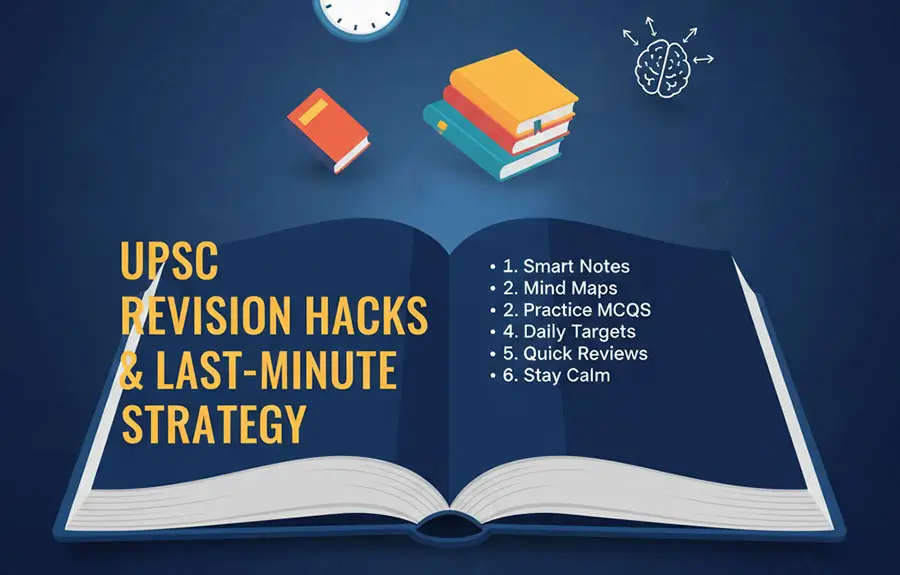
Revision should therefore become a permanent part of the preparation strategy. Every week should include dedicated revision sessions where candidates revisit important concepts, handwritten notes, formulas, constitutional articles, historical events, geographical facts, economic concepts, and current affairs.
Preparing concise notes during the first reading makes revision considerably easier. Instead of reopening large textbooks repeatedly, candidates can revise important information from their own summaries. These notes become extremely valuable during the final weeks before the examination when time is limited.
Another useful technique is solving topic-wise practice questions immediately after revision. This not only strengthens memory but also reveals whether the concepts have actually been understood. Mistakes made during practice should never be ignored because they highlight weak areas requiring additional attention.
Candidates should also revise Previous Year Question Papers regularly. Many important concepts appear repeatedly in different forms across multiple examinations. Understanding these recurring themes improves both confidence and examination performance.
Revision should never feel like repeating old work. Instead, every revision session deepens understanding and increases speed while reducing the chances of forgetting important concepts under examination pressure.
Preparing for government exams while working full-time is a marathon rather than a sprint. Many candidates begin with extraordinary enthusiasm but gradually lose motivation because they ignore their physical and mental well-being.
Sleep is often the first sacrifice made by working professionals. However, insufficient rest reduces concentration, memory, and productivity. A well-rested mind learns faster and retains information more effectively than an exhausted one.
Maintaining physical health is equally important. Simple activities such as walking, stretching, light exercise, or yoga improve energy levels and reduce stress accumulated during office hours. Healthy eating habits also contribute to better concentration throughout the day.
Candidates should avoid comparing their preparation with full-time aspirants or social media influencers. Every individual's circumstances are different. Continuous comparison creates unnecessary anxiety without improving preparation.
Short breaks during study sessions also improve productivity. Spending a few minutes away from books after completing a focused study block helps maintain concentration for longer periods. Attempting to study continuously despite mental fatigue usually produces poor results.
Another important aspect is celebrating small achievements. Completing a subject, improving mock test scores, maintaining consistency for several weeks, or successfully revising important topics all deserve recognition. These milestones help maintain motivation during the long preparation journey.
The objective should never be studying continuously without rest. Sustainable preparation built on discipline, balance, and consistency always produces better long-term results.
Many working aspirants unintentionally slow their own preparation through habits that appear harmless but gradually reduce efficiency.
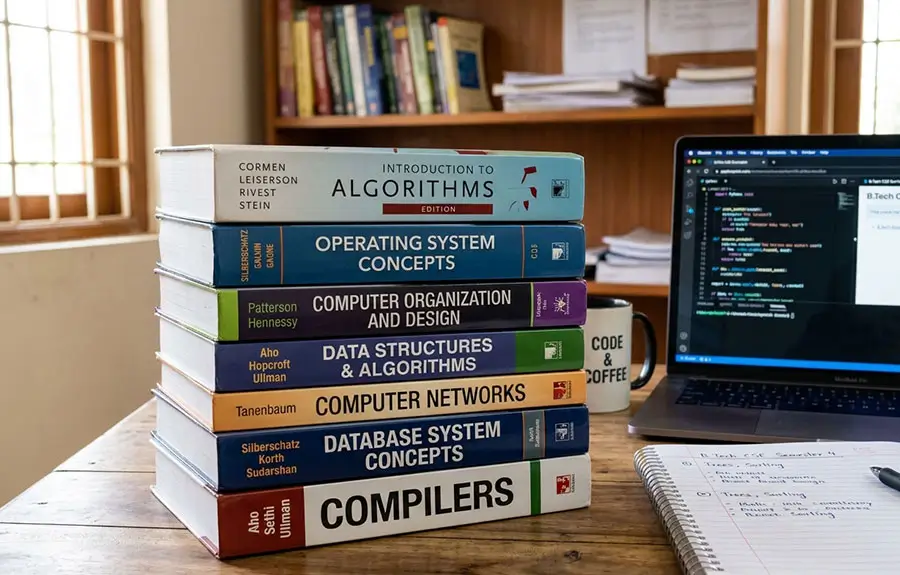
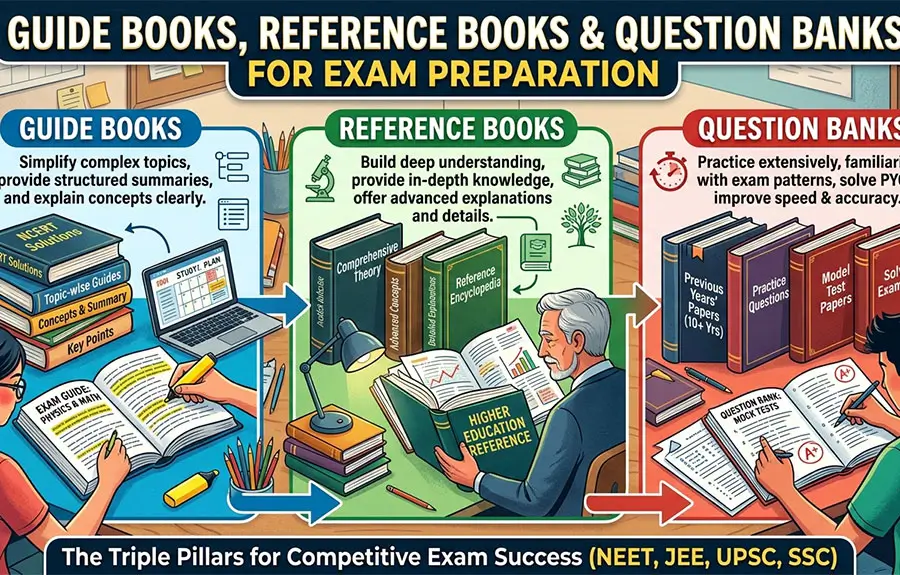
One common mistake is purchasing excessive study material. Instead of mastering a limited number of quality books, candidates continuously search for new resources. This habit creates information overload while reducing revision time.
Another mistake involves postponing mock tests until the final months before the examination. Mock tests should become part of preparation from an early stage because they improve speed, accuracy, confidence, and time management.
Some candidates ignore current affairs because they believe static subjects deserve greater attention. Competitive examinations increasingly require connecting current events with traditional subjects, making regular newspaper reading an essential habit.
Perfectionism creates another obstacle. Waiting for the perfect study environment, ideal timetable, or complete syllabus understanding before beginning preparation only delays progress. Consistent action remains more valuable than perfect planning.
Many professionals also underestimate the importance of self-evaluation. Reviewing mistakes after every mock test and identifying weak areas allows continuous improvement. Ignoring mistakes often leads to repeating them during the actual examination.
Finally, candidates should never abandon preparation after temporary setbacks. Office pressure, family responsibilities, illness, or missed study sessions are natural parts of life. Success depends on returning to the study routine instead of becoming discouraged by occasional interruptions.
Yes. Many successful candidates clear UPSC, SSC, Banking, Railway, and State PSC examinations while managing full-time jobs through disciplined planning and consistent study.
There is no fixed number. Consistent, focused study sessions combined with regular revision are more effective than long but unproductive study hours.
No. Weekend study should complement regular weekday preparation rather than replace it. Daily consistency produces better long-term results.
Leaving a job depends on personal financial circumstances and preparation level. Many aspirants successfully clear competitive examinations without resigning from their jobs.
Mock tests are essential because they improve time management, accuracy, confidence, and examination temperament while identifying weak areas.
Early morning study sessions are often productive because the mind remains fresh and free from workplace stress.
Candidates can revise digital notes, read newspapers, practice vocabulary, solve reasoning questions, or review formulas during short breaks.
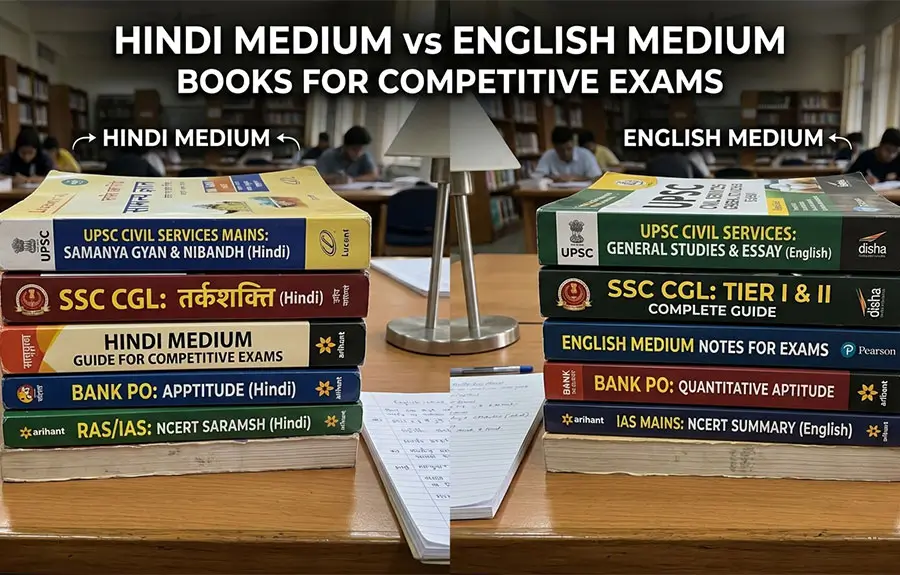
No. Many working professionals prepare successfully through self-study supported by quality books, online resources, mock tests, and consistent revision.
Read a reliable newspaper daily, maintain concise notes, and revise important events weekly instead of accumulating large amounts of unread material.
The biggest mistake is creating unrealistic study schedules and neglecting revision while continuously collecting new study material instead of mastering existing resources.

We offer fast delivery.

We offer E-Gift Cards.

Dedicated 24/7 support.

100% secure payment.

 My Order
  0
0